






Bakkie Journal
Home / Journal

Bakkie Journal

Our journal shares practical advice, market observations and ownership tips for used bakkies and trailers. It is written for South African buyers, sellers and operators who want clearer decisions.

Used Bakkie Checklist

Used Bakkie Checklist

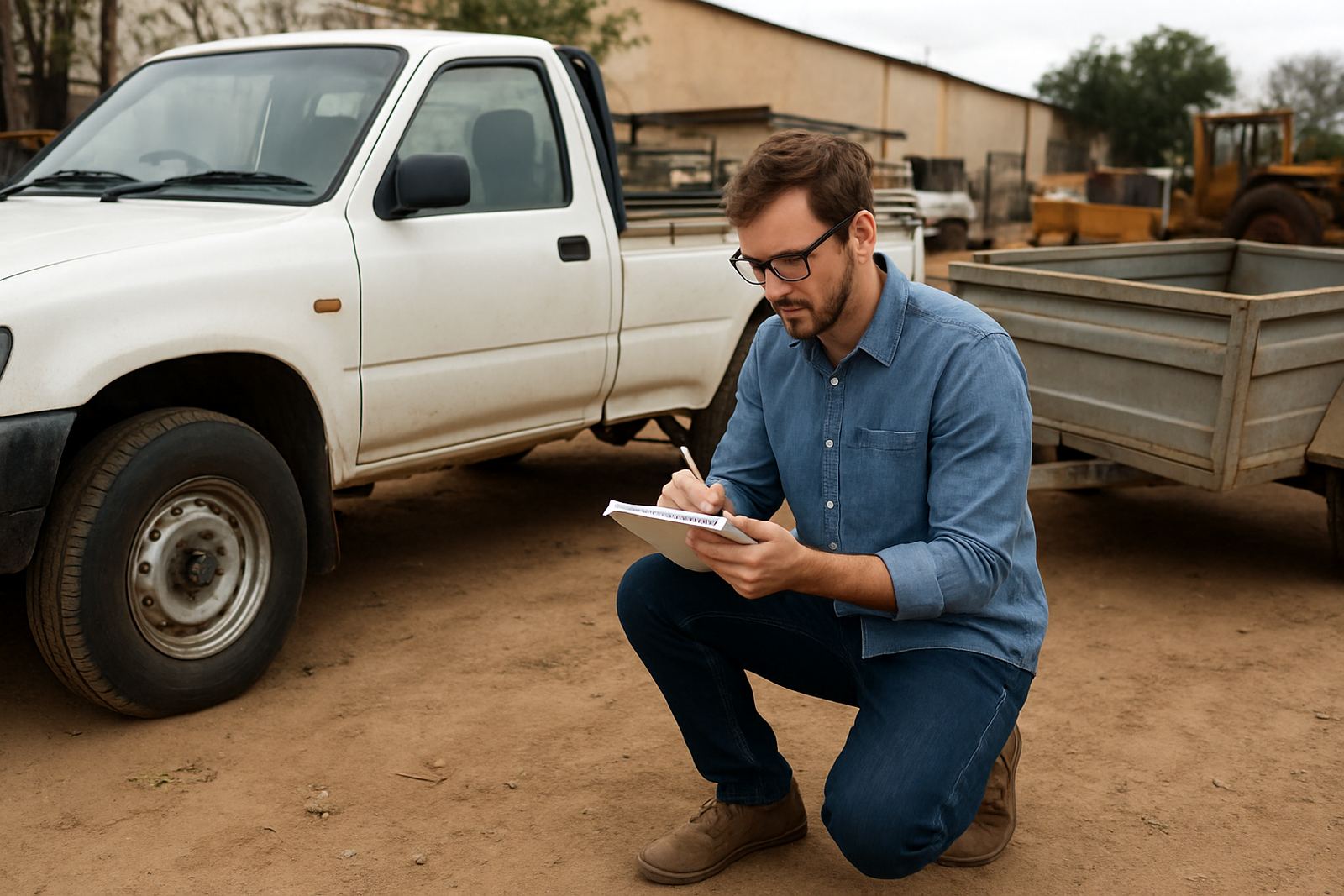
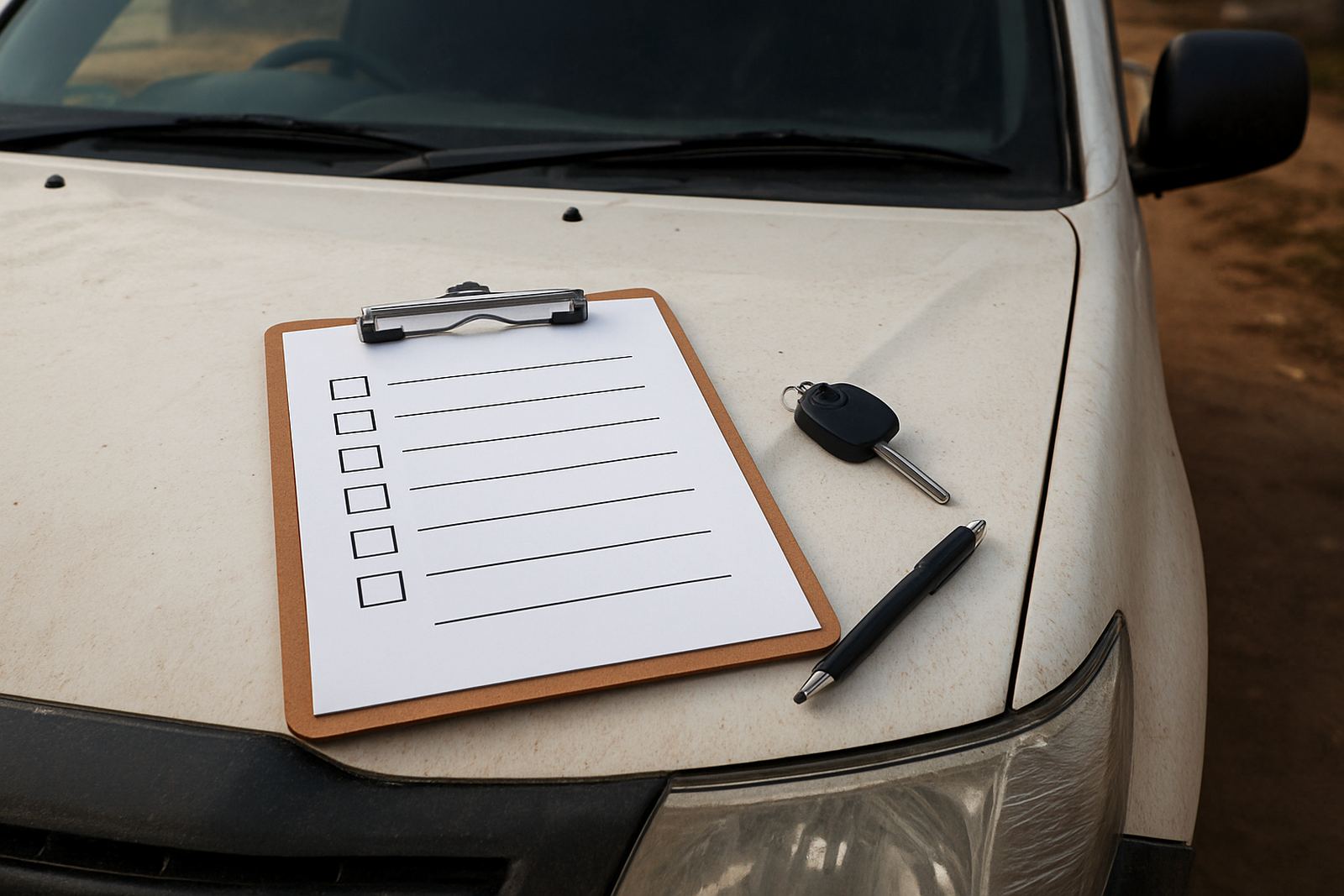
A simple inspection checklist to use before committing to a used bakkie.

Trailer Buying Mistakes

Trailer Buying Mistakes

Common trailer buying mistakes and how to avoid them before you pay.

Single Vs Double Cab

Single Vs Double Cab

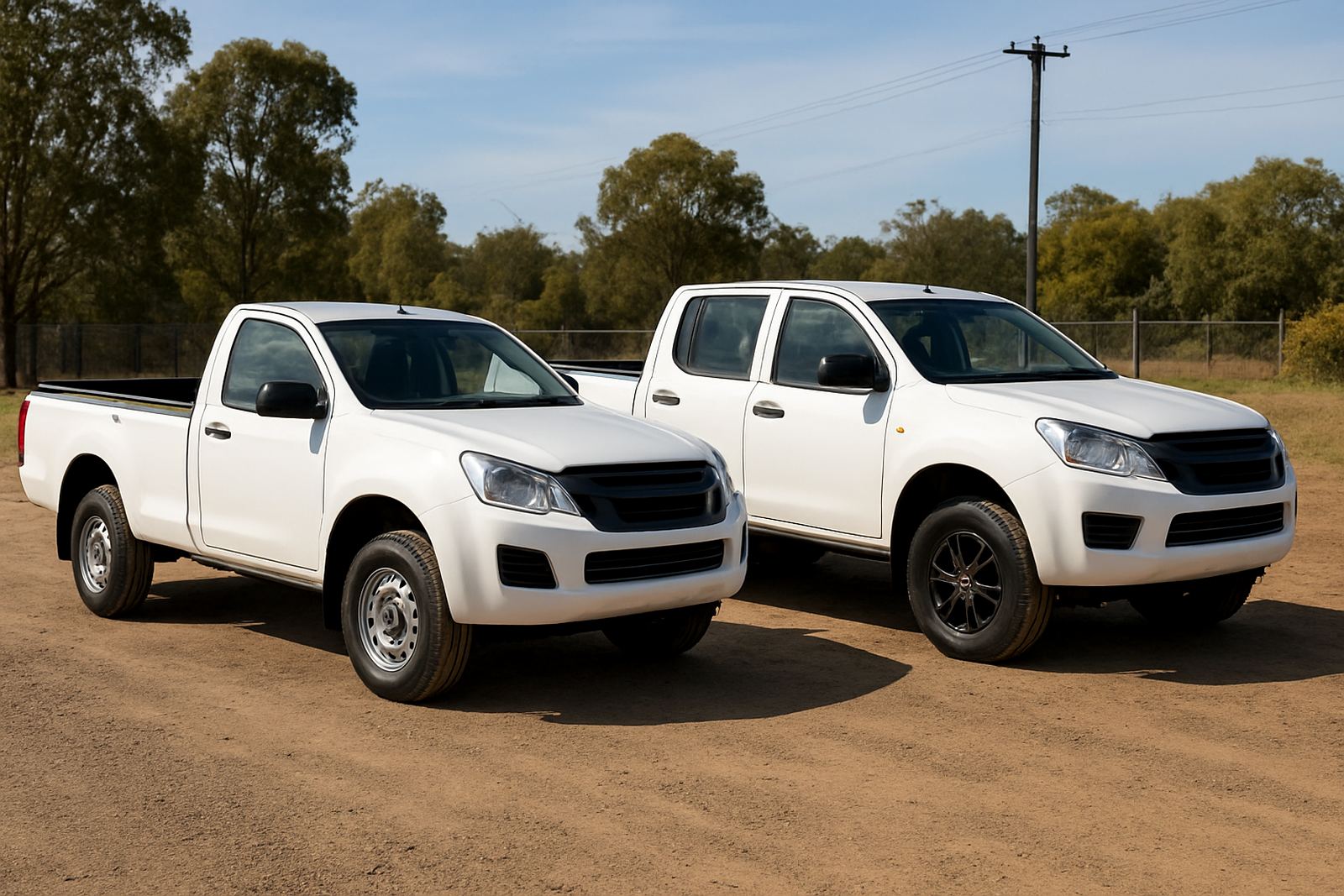
How to choose between single cab and double cab used bakkies.

Towing Capacity Basics

Towing Capacity Basics

A practical look at towing capacity and matching trailer weight correctly.

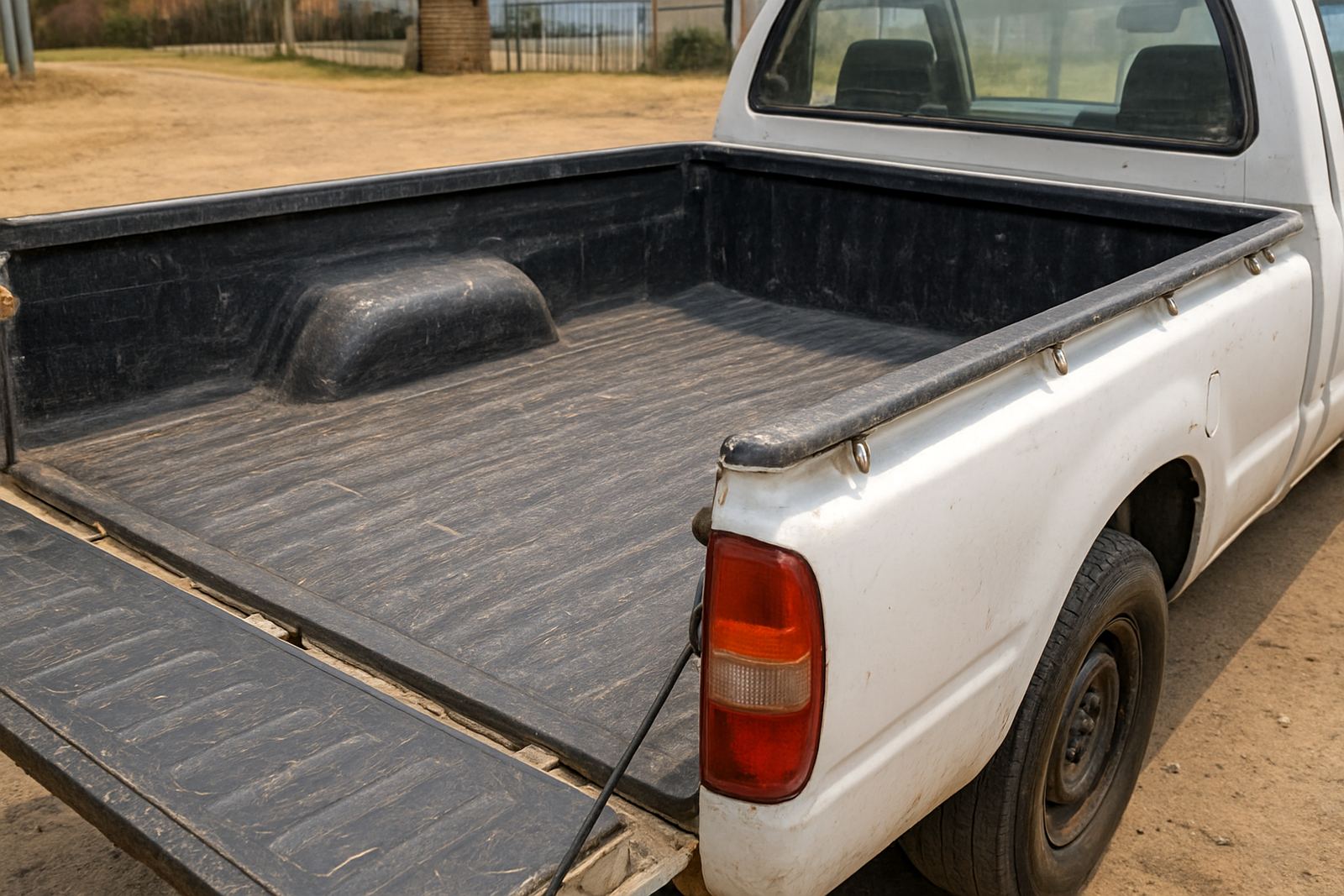
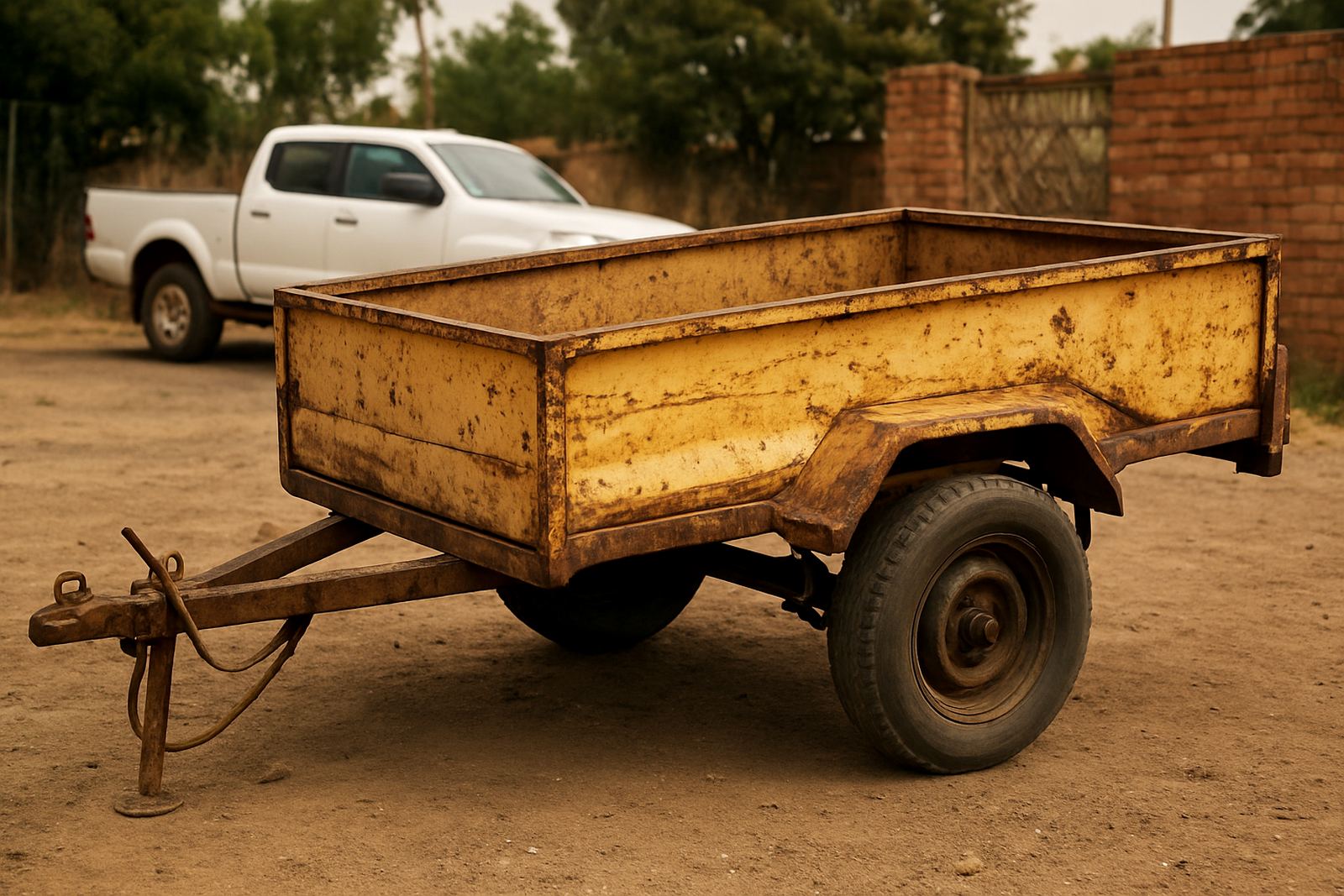
Inspect The Load Bin

Inspect The Load Bin

What rust, dents and liner wear can tell you about previous use.

Buying On Budget

Buying On Budget

Tips for stretching your Rand when shopping for a used work vehicle.

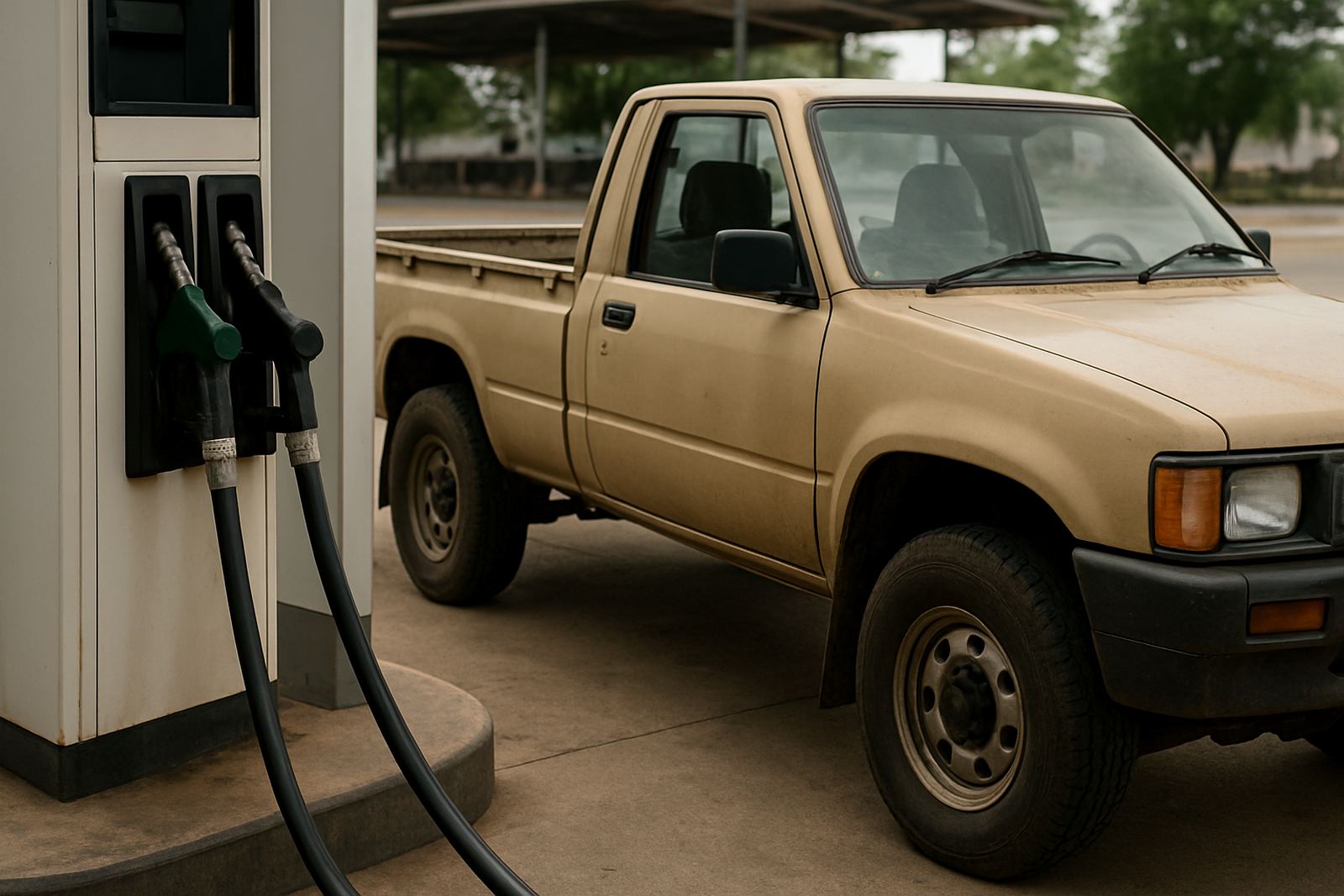
Diesel Or Petrol

Diesel Or Petrol

Compare diesel and petrol options for your routes, loads and running style.

Viewing Day Tips

Viewing Day Tips

How to get more value from a viewing appointment before making an offer.

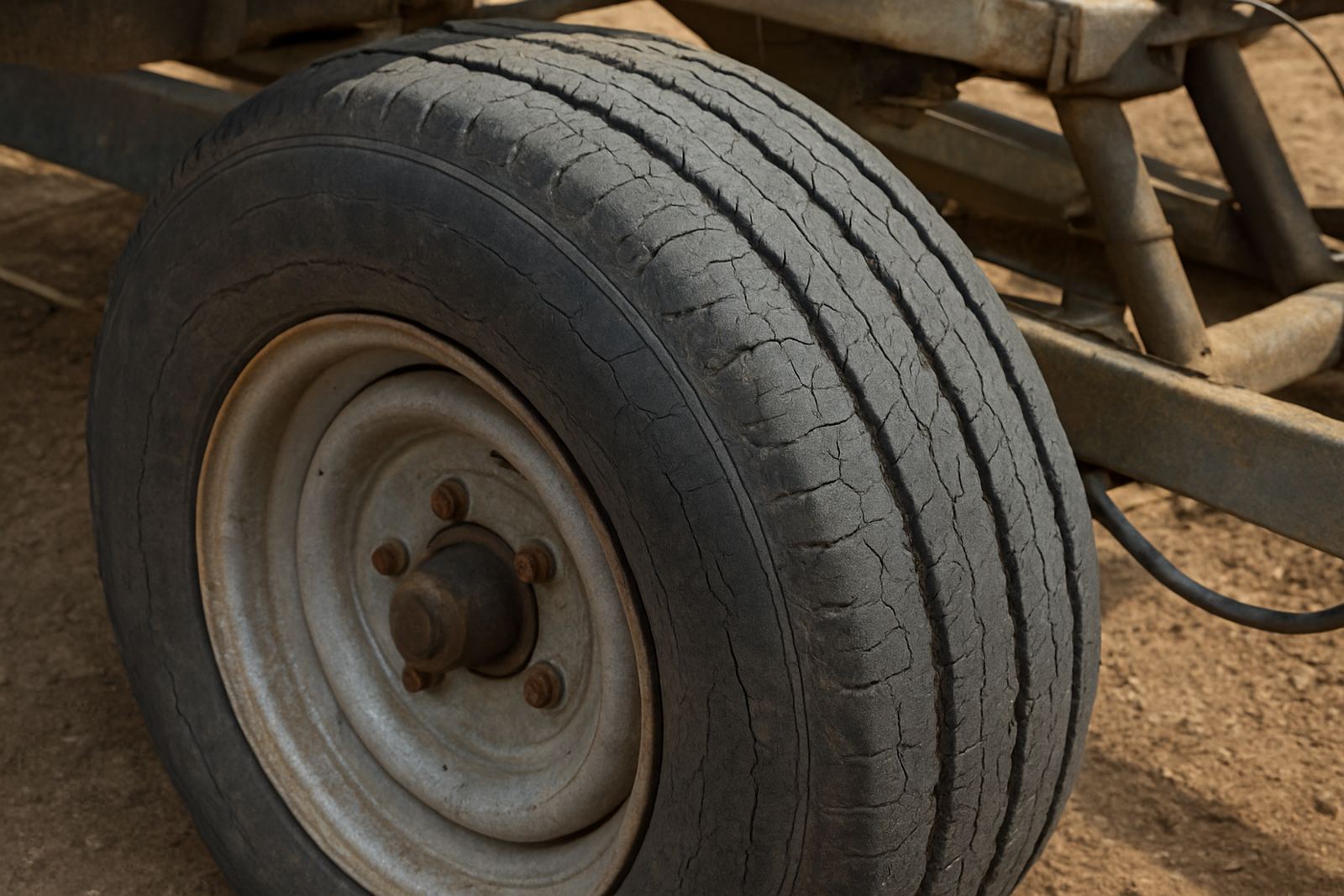
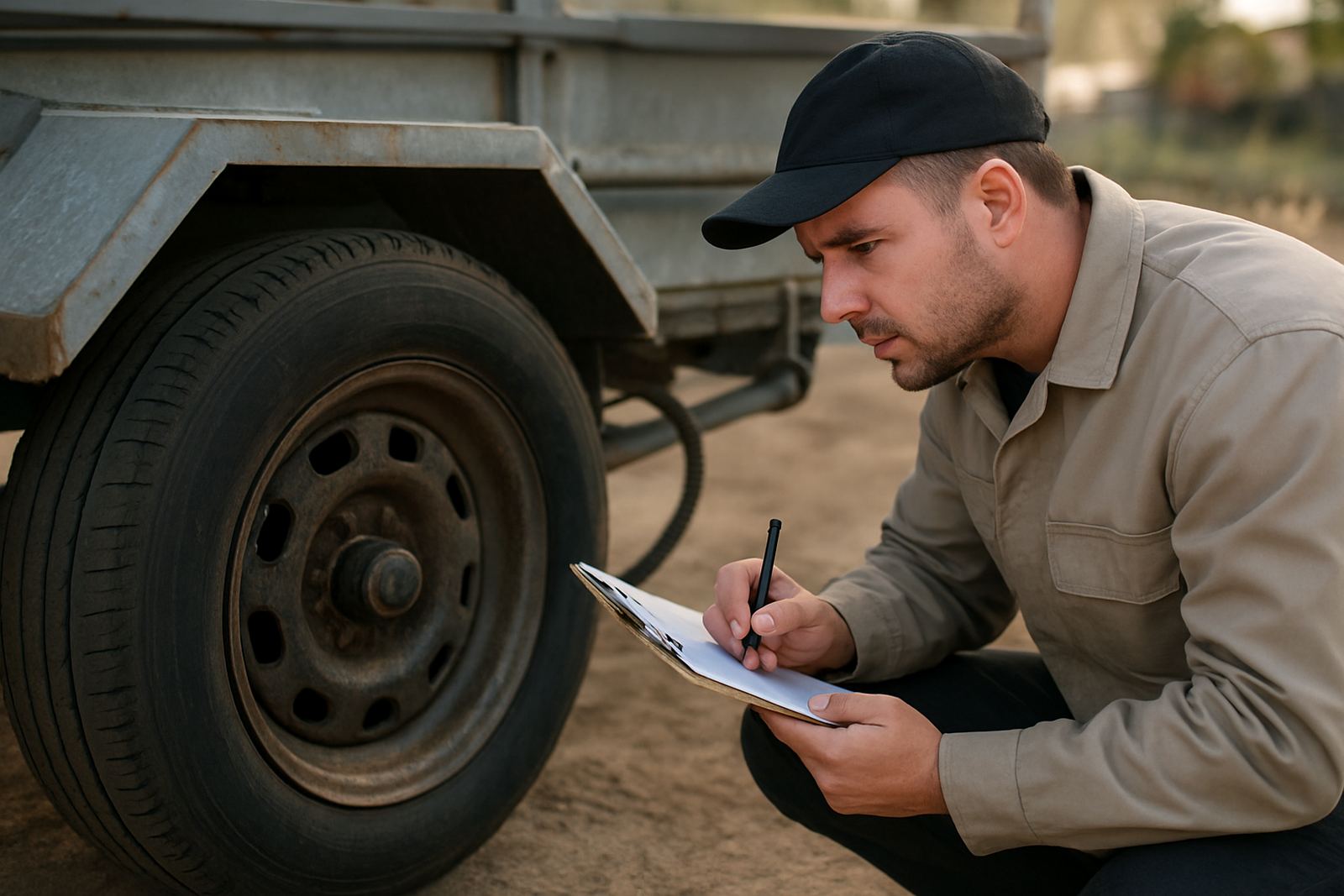
Trailer Tyre Signs

Trailer Tyre Signs

Tyre wear clues that may point to alignment, load or neglect issues.

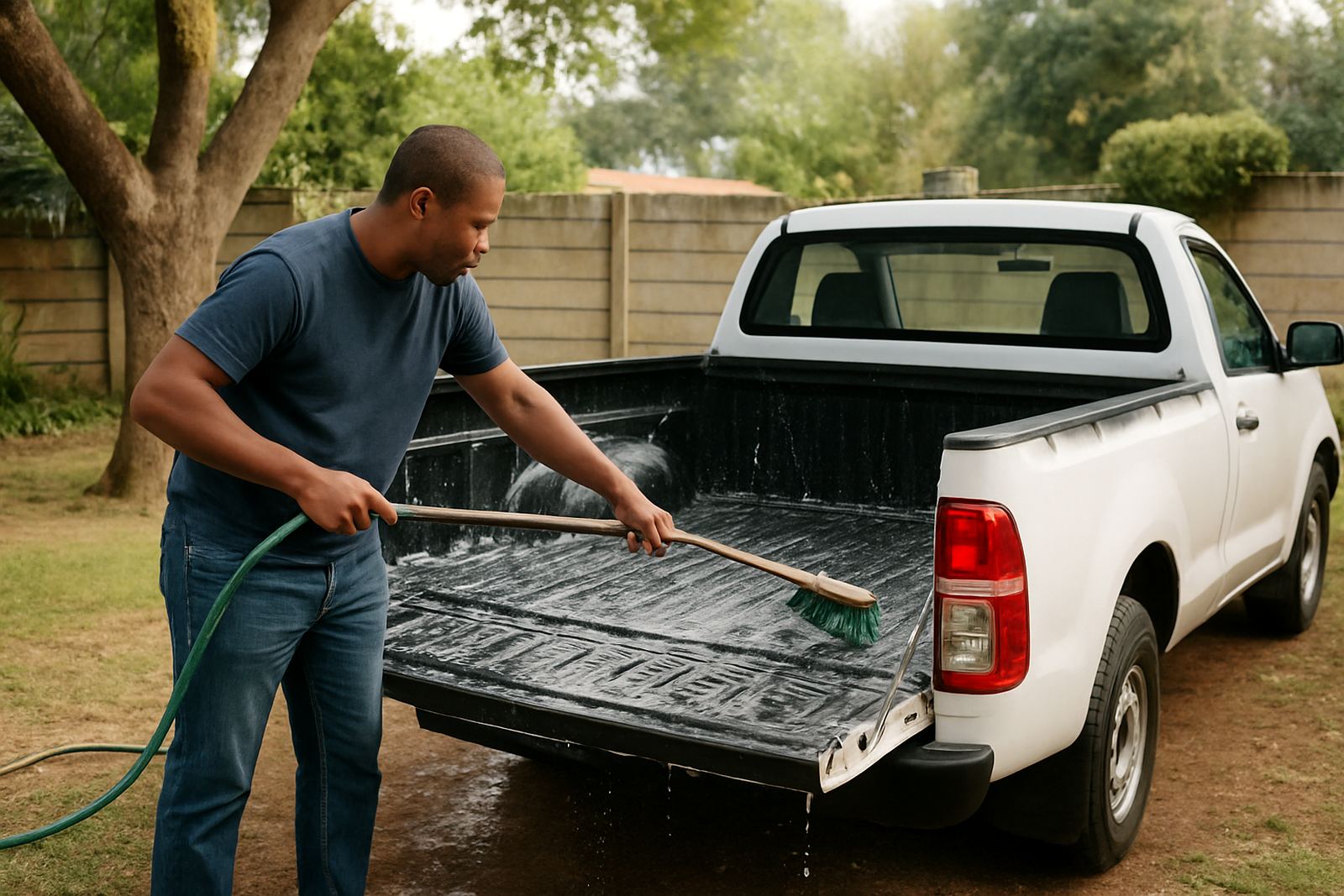
Work Bakkie Cleanup

Work Bakkie Cleanup

Basic cleanup steps that help present a used bakkie better to buyers.

Documents To Check

Documents To Check

Important documents to review before buying or selling used stock.

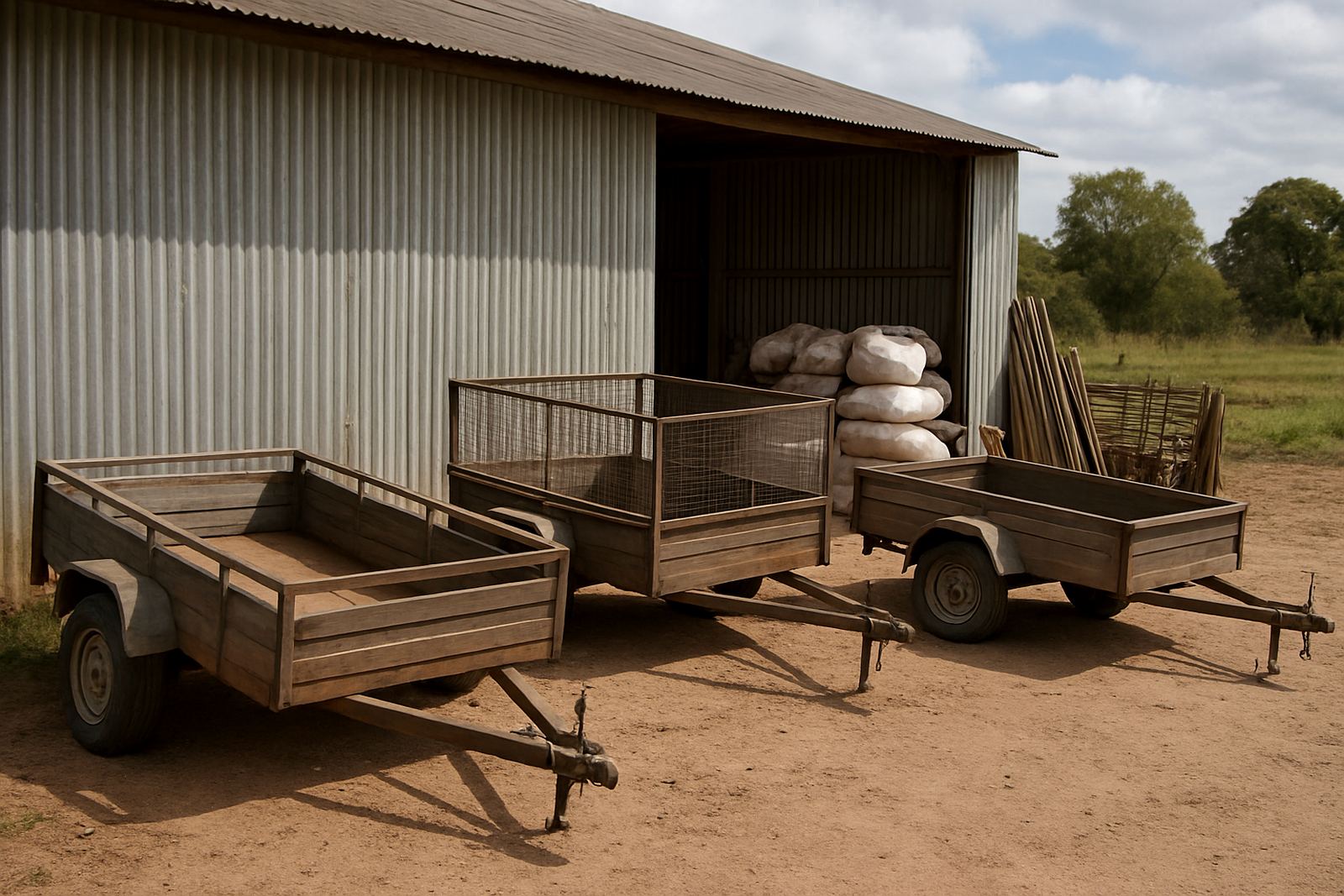
Farm Use Trailers

Farm Use Trailers

Which trailer styles make sense for common small farm tasks.

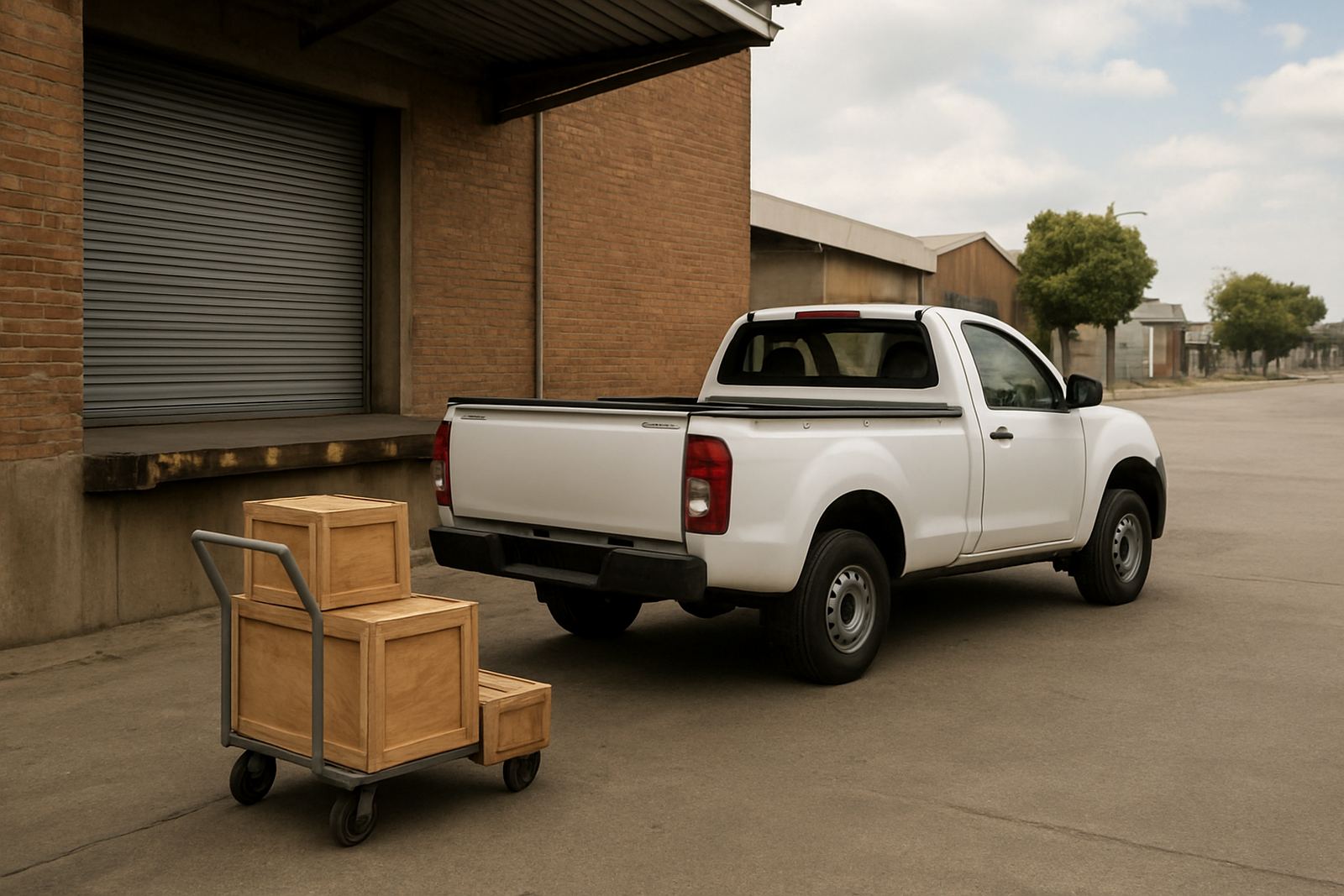
Urban Delivery Bakkies

Urban Delivery Bakkies

What city delivery operators should prioritise when buying used bakkies.

Buying From Private Seller

Buying From Private Seller

Questions to ask when buying directly from a private seller.

Selling Your Trailer

Selling Your Trailer

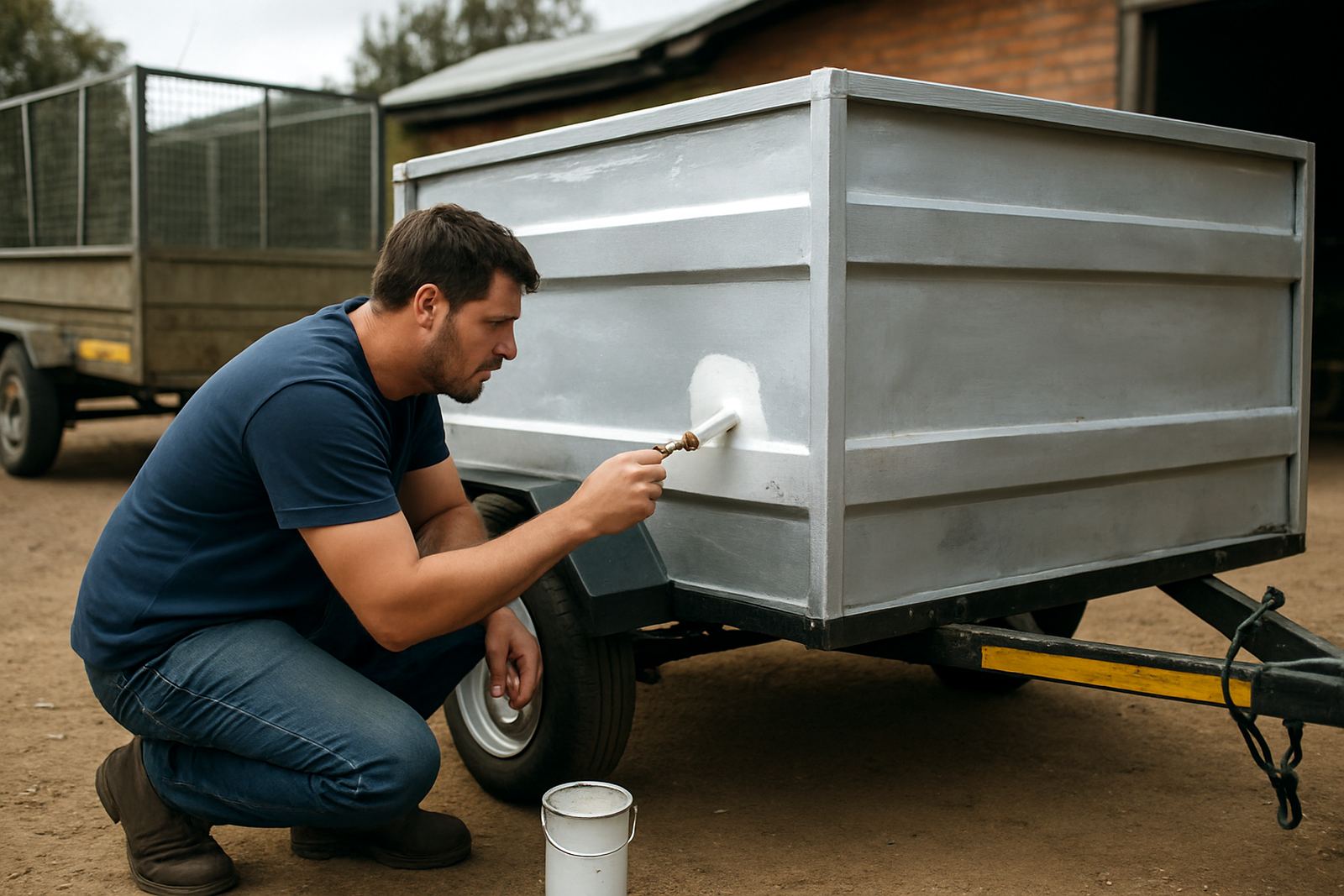
How to prepare and present a trailer before placing it on the market.

Roadworthy Prep Tips

Roadworthy Prep Tips

Practical preparation steps before sending a used unit for checks.

Load Space Needs

Load Space Needs

How to estimate the right load area for your regular work.

Seasonal Buying Trends

Seasonal Buying Trends

Why demand for certain used units shifts during the year.

First Work Vehicle

First Work Vehicle

Advice for first-time buyers choosing a used bakkie for business use.

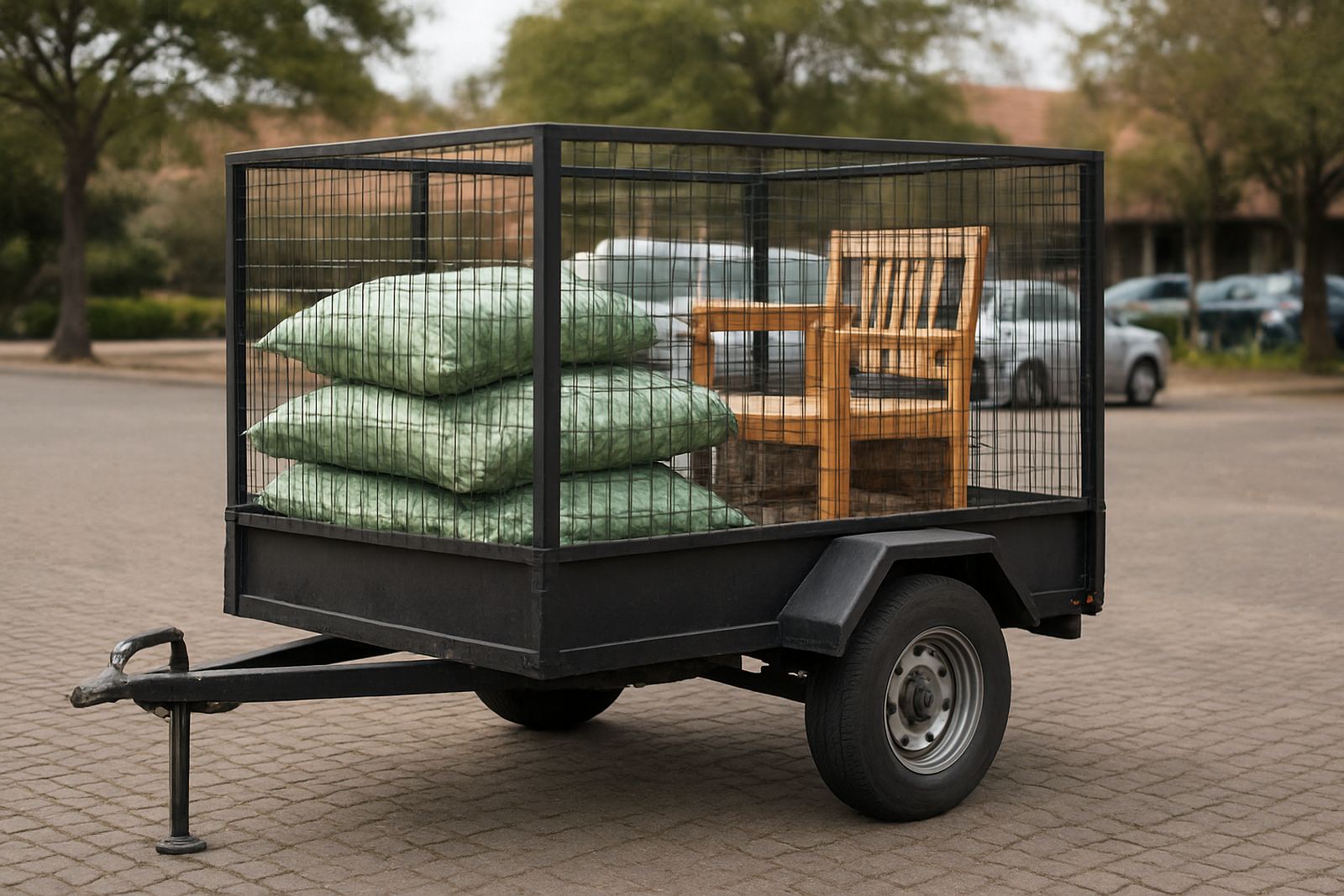
Choose A Cage Trailer

Choose A Cage Trailer

When a cage trailer makes more sense than a standard box trailer.

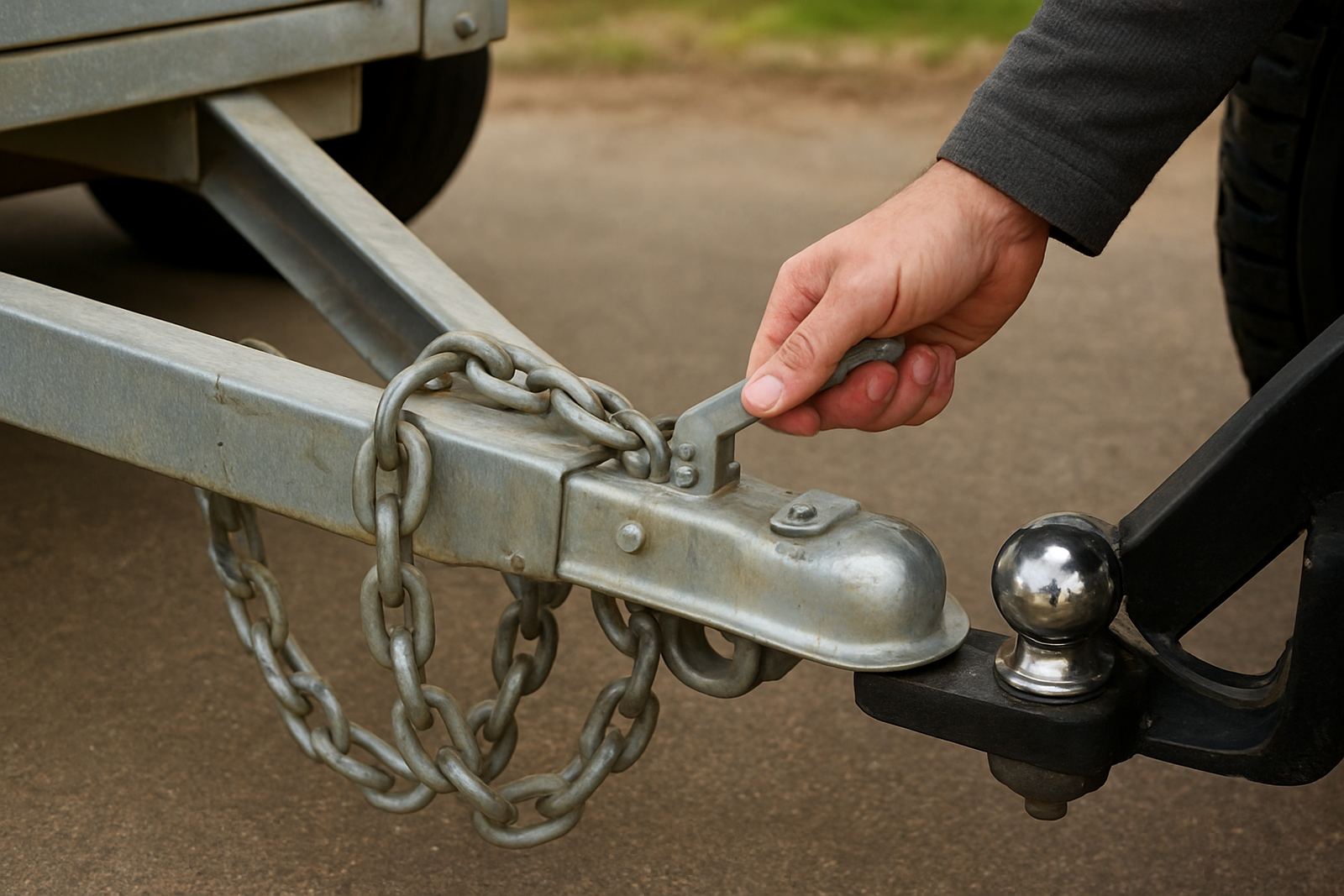
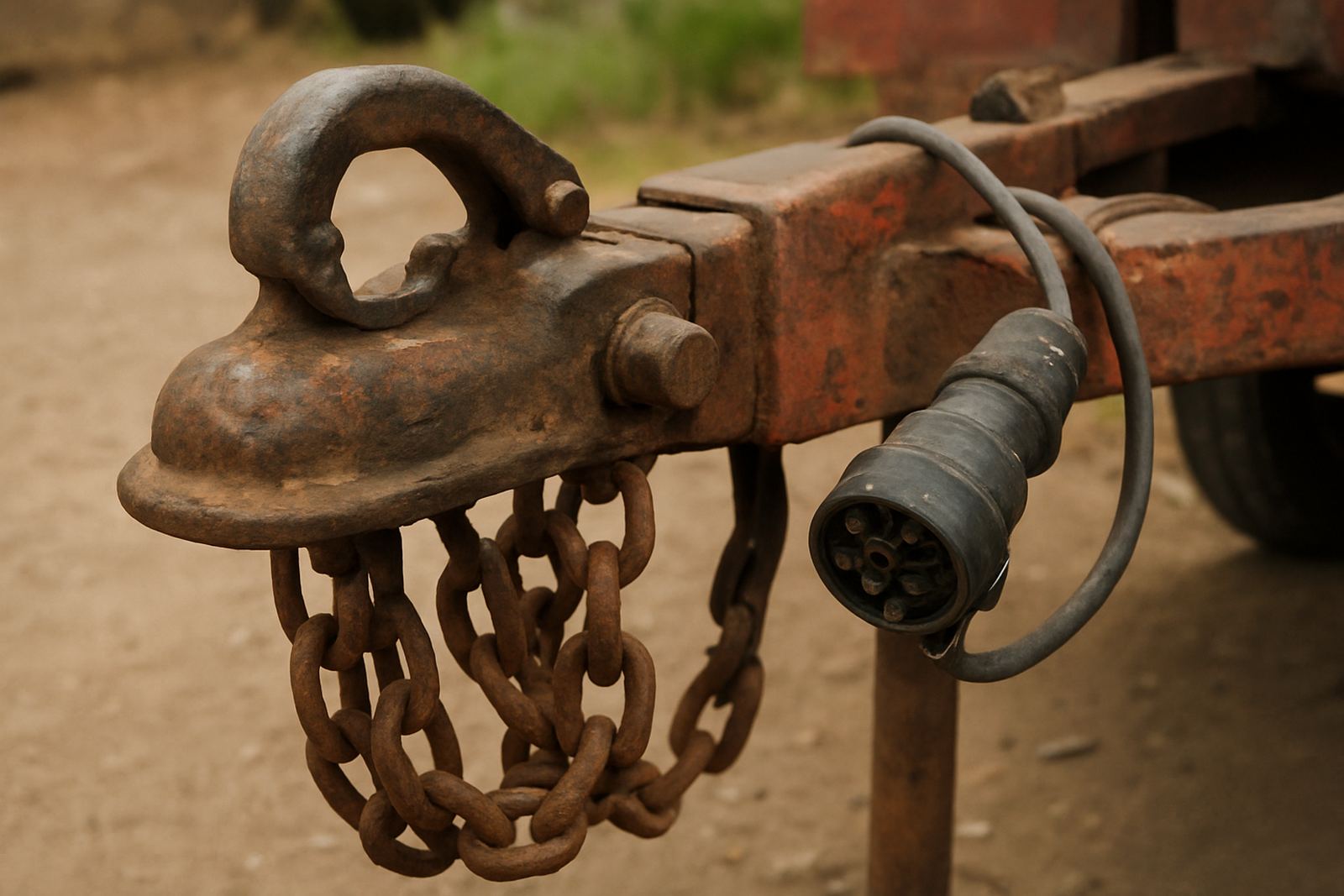
Tow Hitch Wear

Tow Hitch Wear

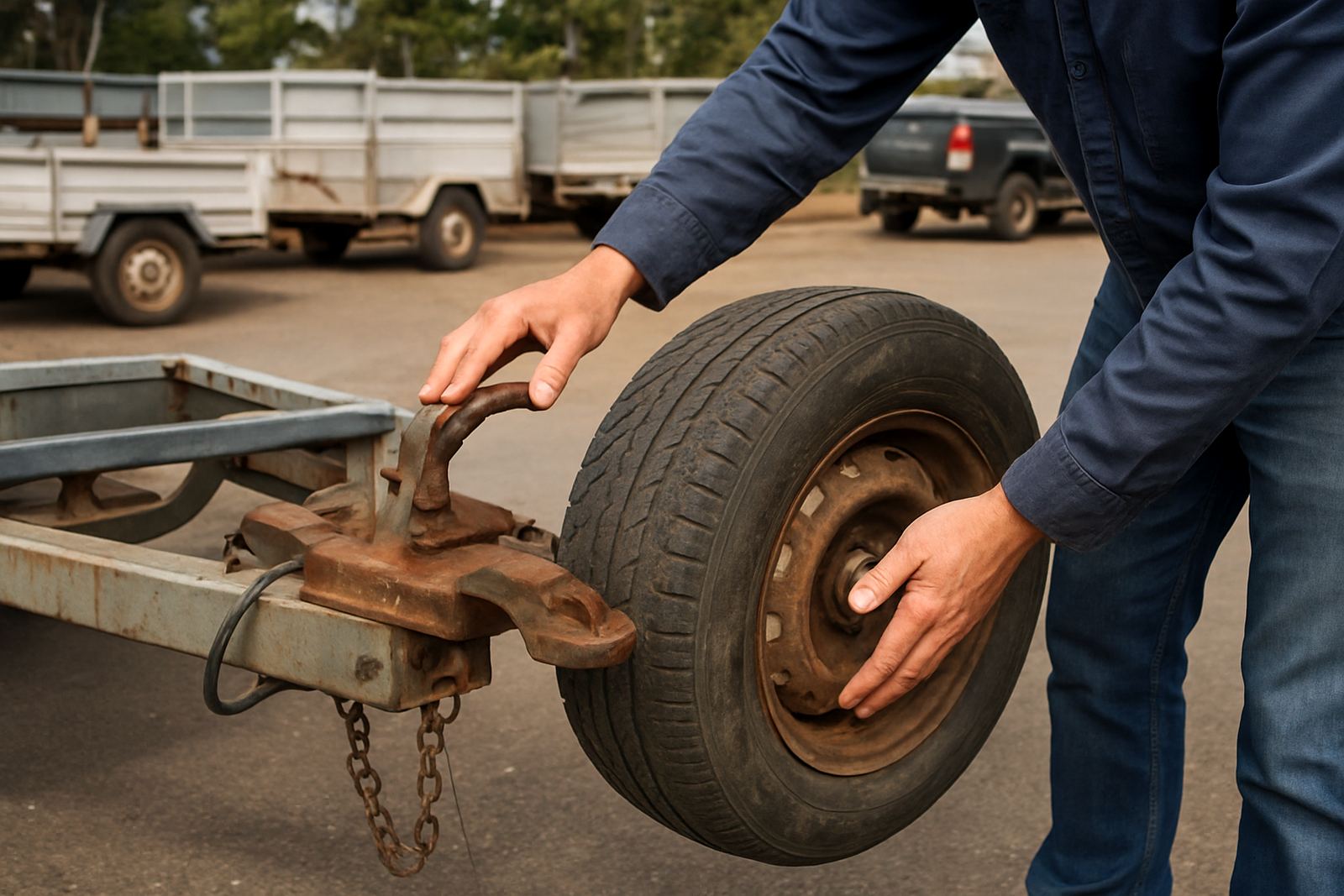
Wear points around couplings, chains and connectors worth checking.

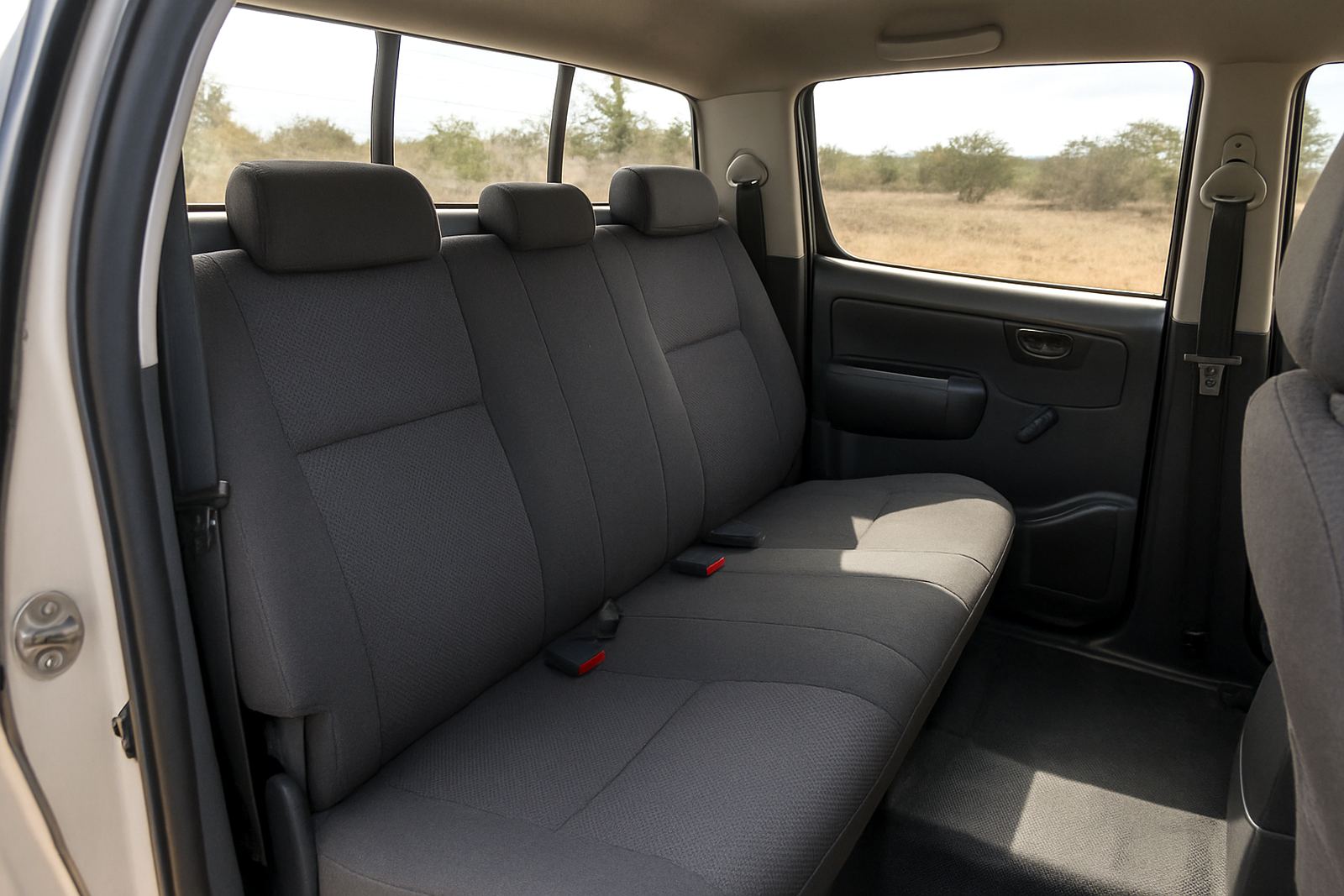
Crew Carrying Considerations

Crew Carrying Considerations

Points to weigh when buying a used bakkie for team transport.

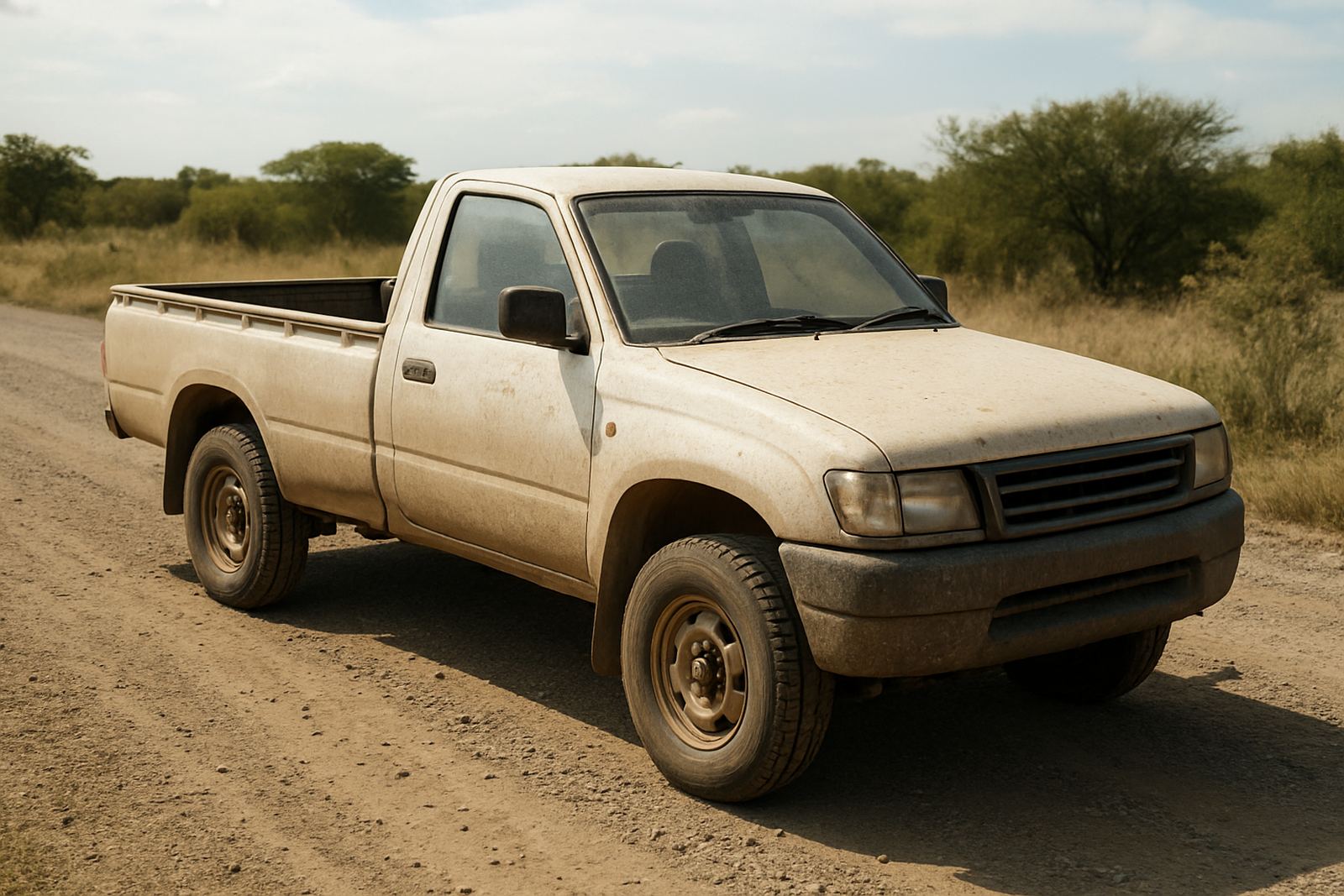
Gravel Road Use

Gravel Road Use

What repeated gravel road use can reveal on a used vehicle.

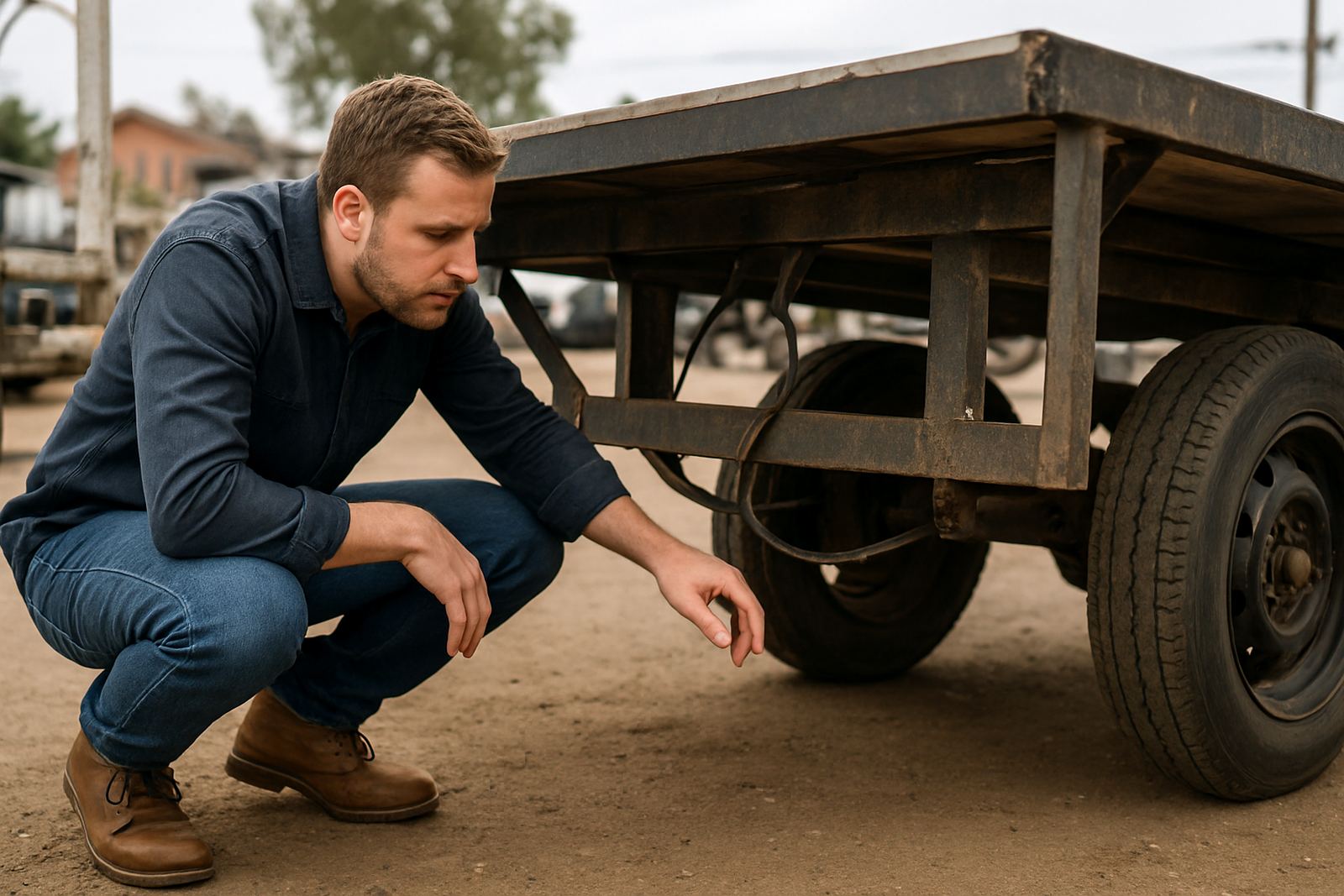
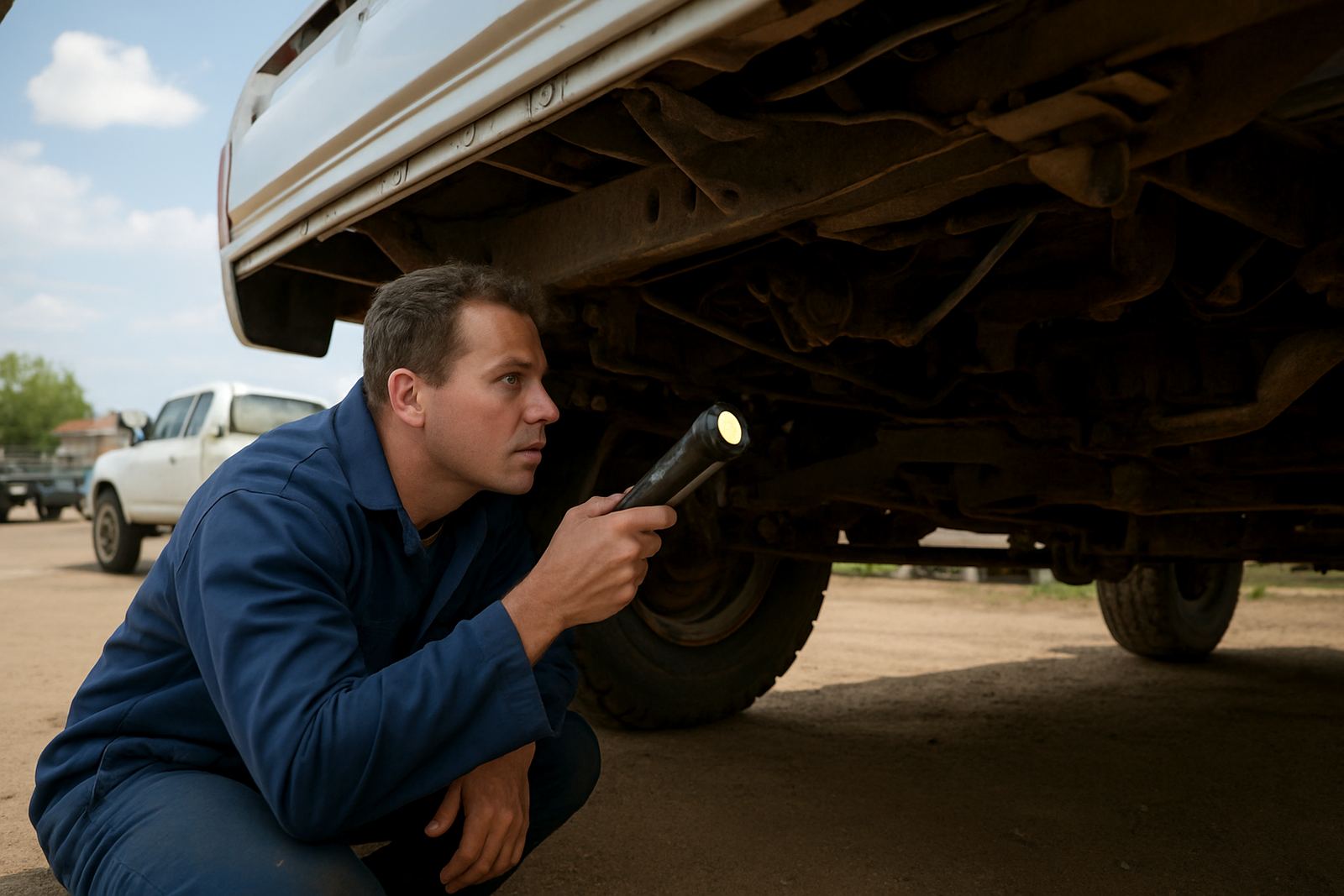
Underbody Checks

Underbody Checks

A quick guide to underbody inspection points on used work vehicles.

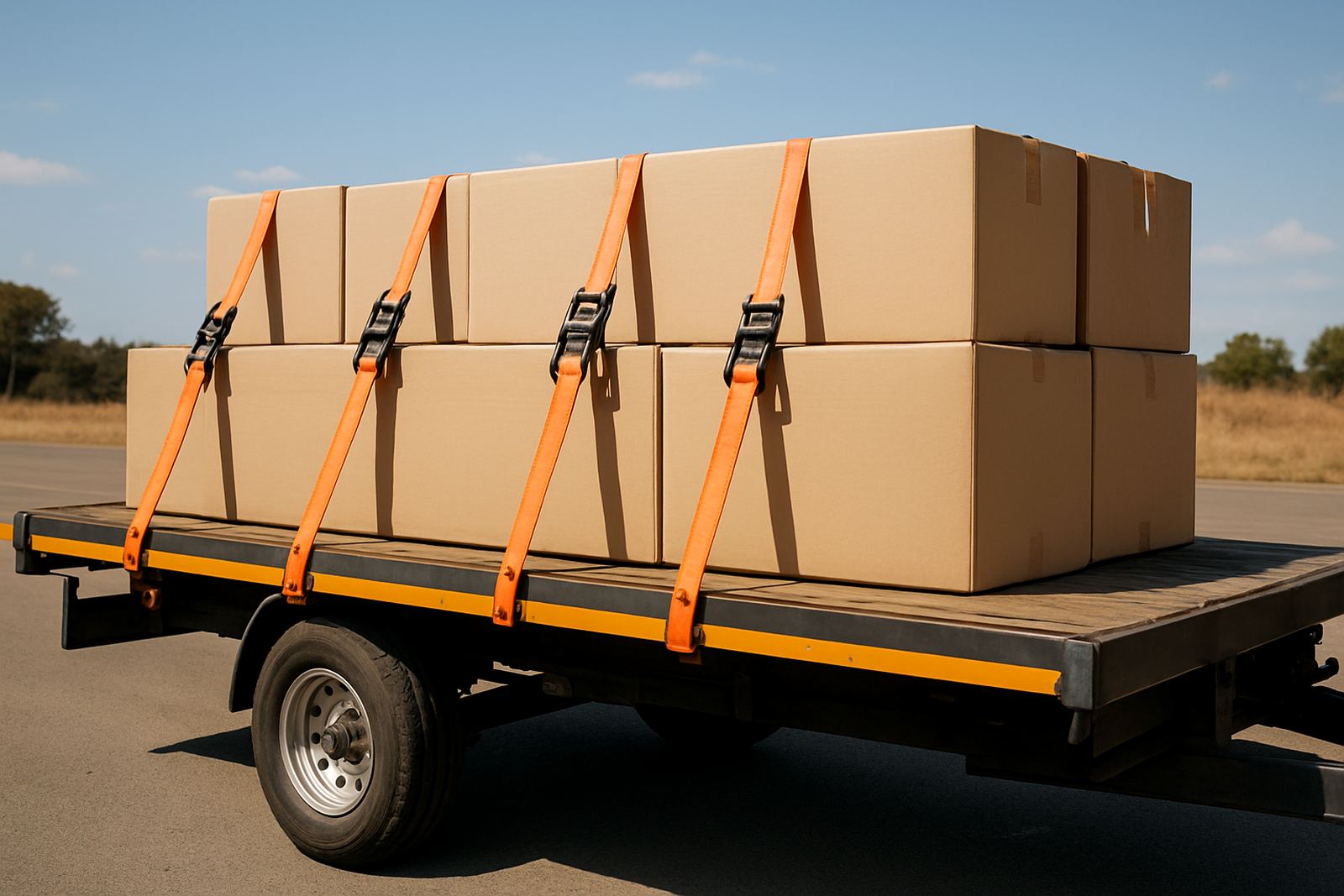
Secure Your Load

Secure Your Load

Basic load securing habits for safer bakkie and trailer use.

Dealer Vs Private

Dealer Vs Private

Pros and trade-offs when choosing between dealer and private listings.

Reasons To Inspect

Reasons To Inspect

Why independent-looking condition checks save time and disappointment later.

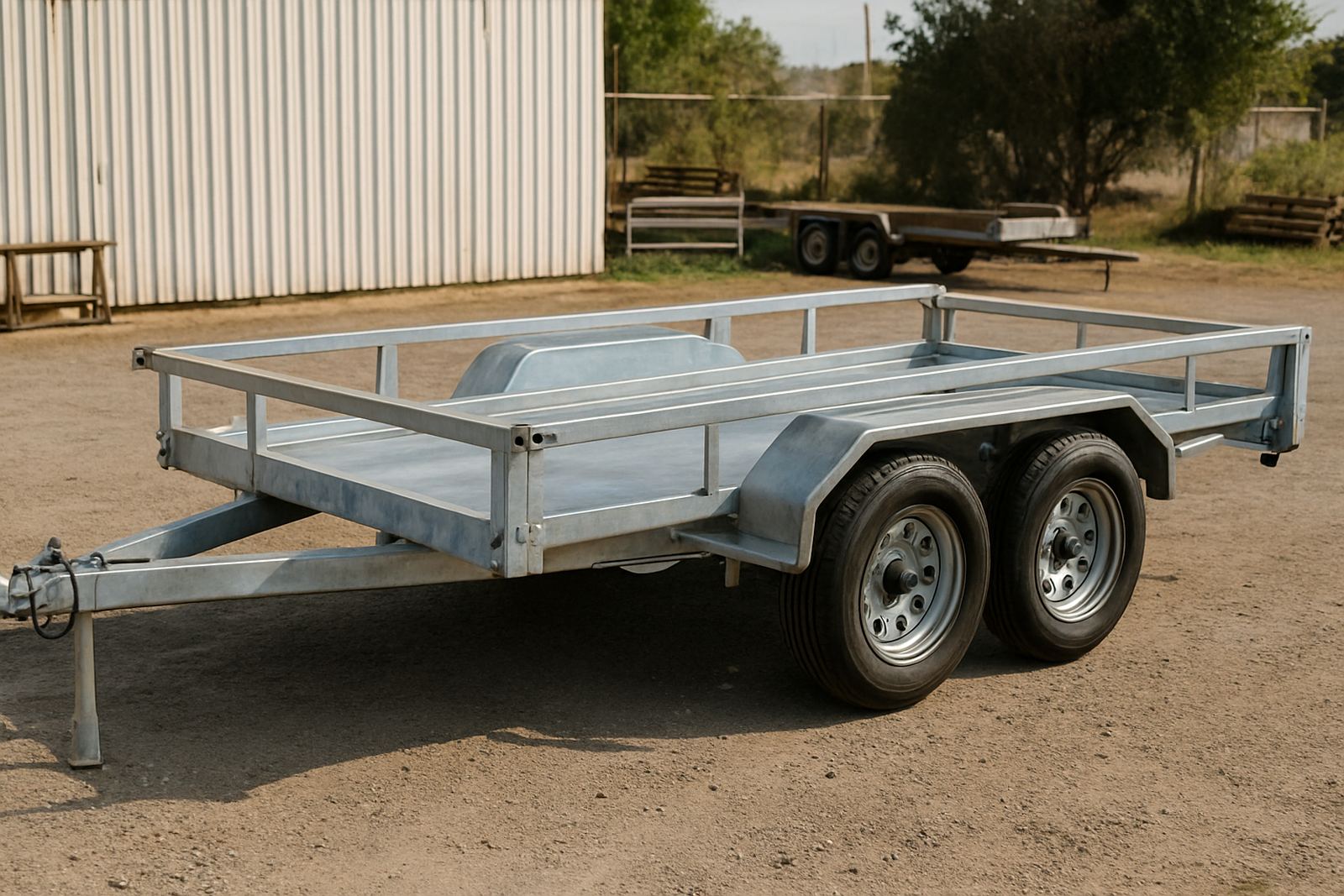
Double Axle Benefits

Double Axle Benefits

Why tandem trailers suit some loads and routes better than single axle options.

Signs Of Overloading

Signs Of Overloading

Visible signs that a bakkie or trailer may have worked beyond its limits.

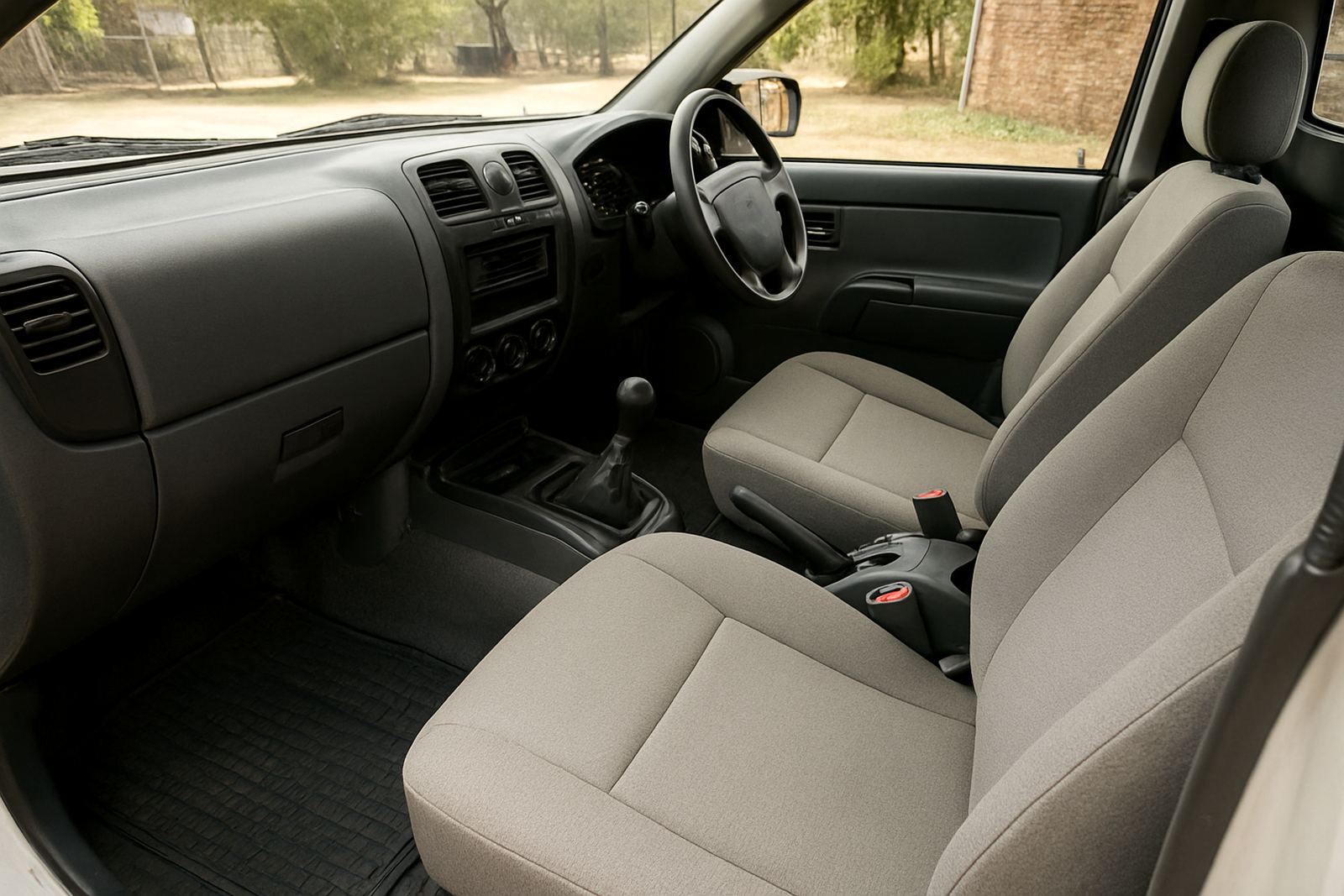
Clean Cab Interior

Clean Cab Interior

How interior condition can reflect care, use intensity and resale appeal.

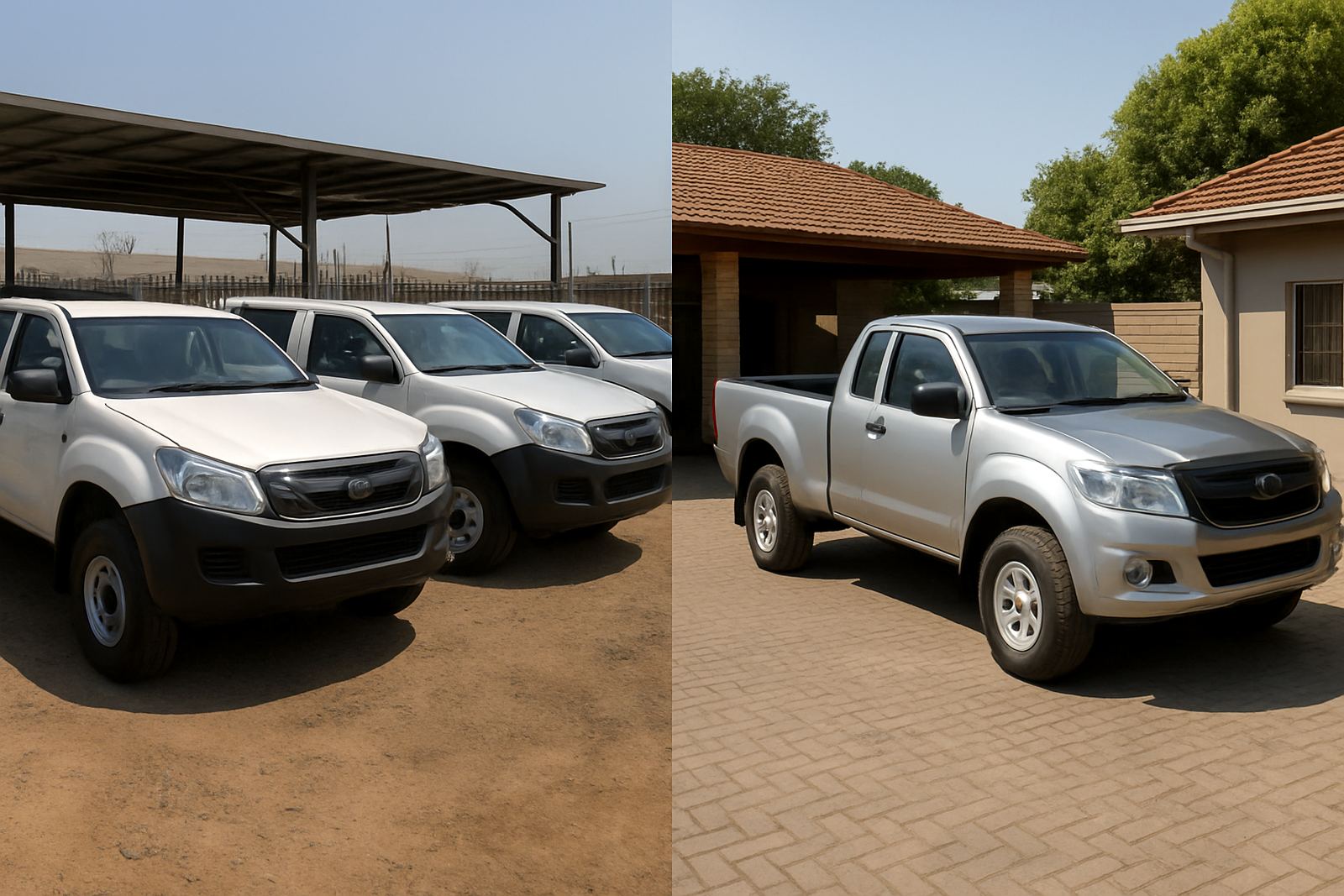
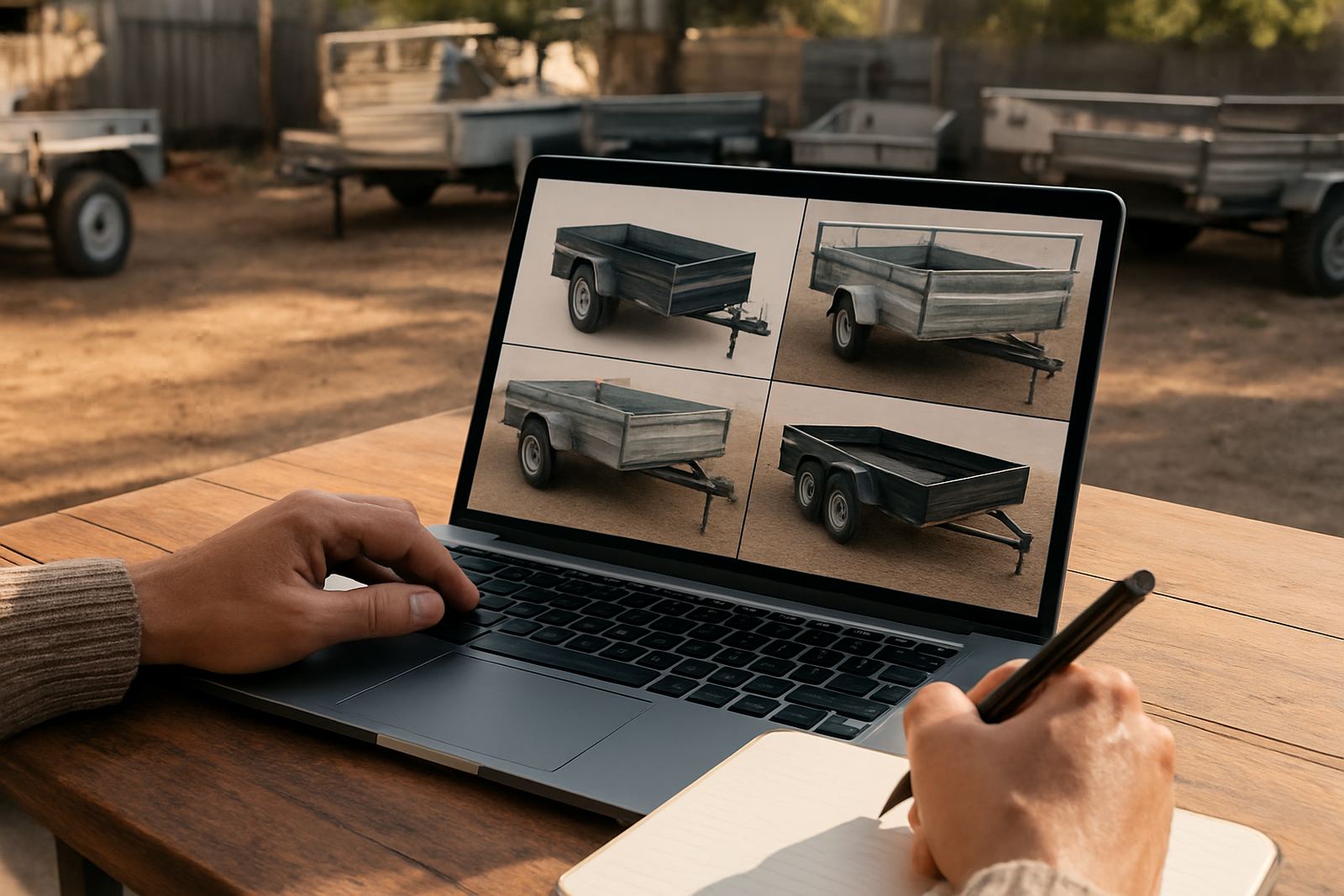
Compare Listing Photos

Compare Listing Photos

What good listing photos should show when you are comparing stock online.

Trailer Floor Condition

Trailer Floor Condition

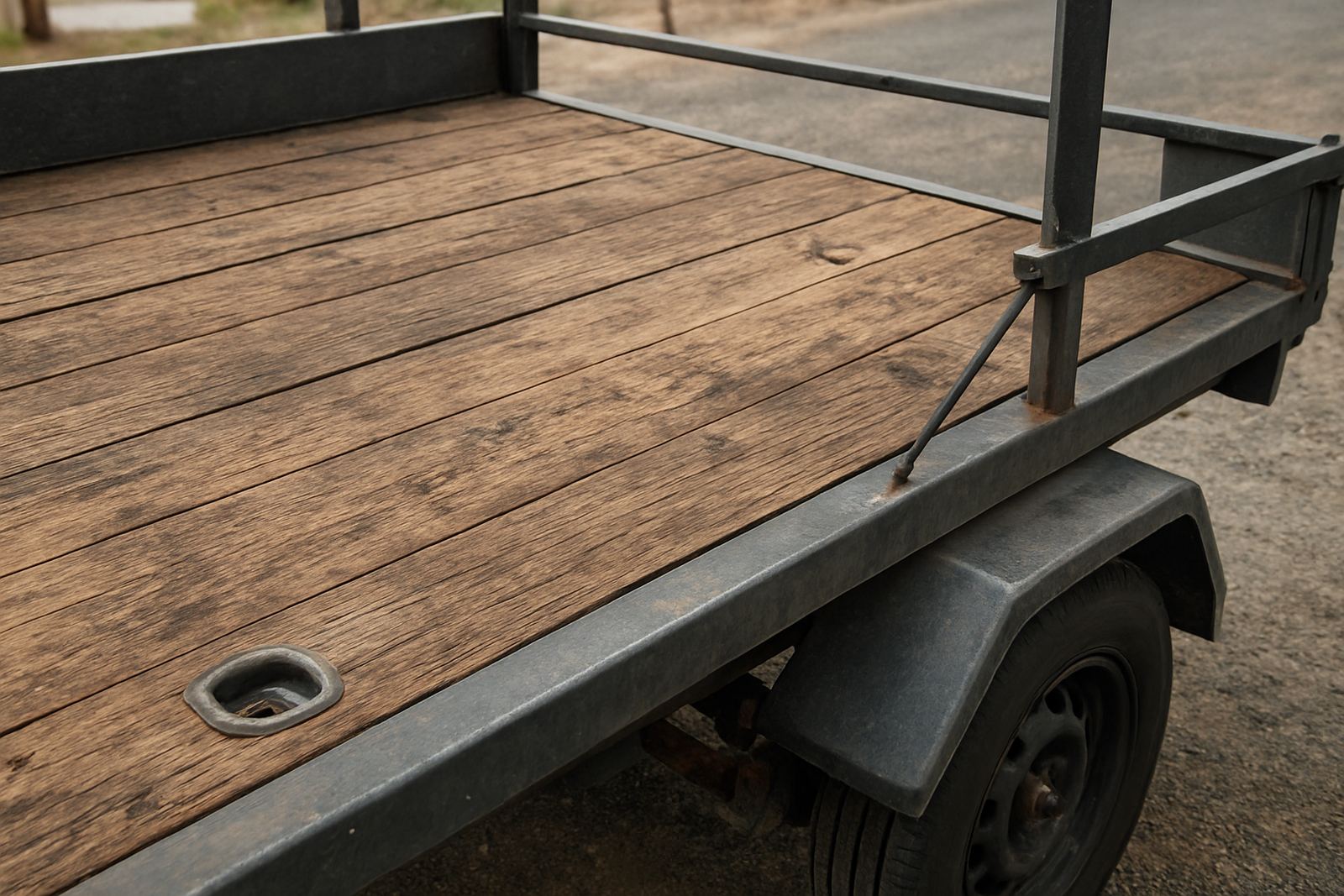
Why the trailer floor deserves close attention during a viewing.

Resale Value Factors

Resale Value Factors

Key factors that influence what a used unit may fetch later.

Delivery Planning Basics

Delivery Planning Basics

Simple planning steps when moving a purchased unit to another city.

Questions For Seller

Questions For Seller

Direct questions that uncover useful history before a used purchase.

Matching Trailer Size

Matching Trailer Size

How to choose trailer dimensions that fit your regular cargo profile.

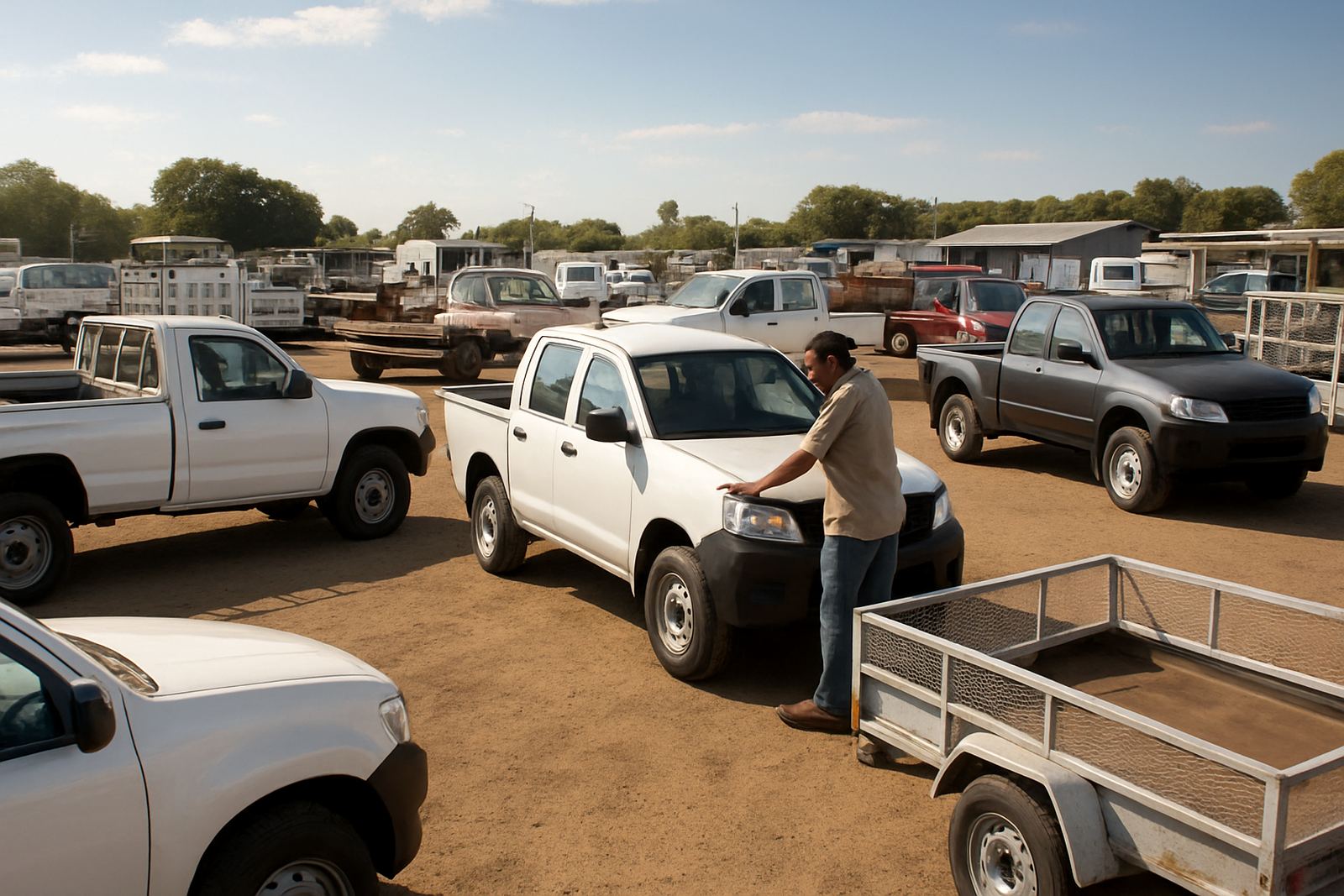
Yard Viewing Etiquette

Yard Viewing Etiquette

How to make viewings efficient, respectful and productive for everyone involved.

What You Will Find in the Journal

This journal covers the details that matter when you are weighing up a used bakkie or trailer in South Africa. Expect practical notes on load capacity, service history, body condition, towing setup and the signs that matter in real use, not just in a quick viewing. It is aimed at people who need a vehicle or trailer that can earn its keep, whether that means site work in Johannesburg, farm trips outside Polokwane or weekend towing near Durban.

Each article is written to help you narrow the field before you start calling around. If you are not sure where to begin, start with the basics: what you will carry, how far you will travel, where the vehicle will be parked, and whether it will face coastal humidity, gravel roads or daily stop start traffic.

How to Choose the Right Used Bakkie

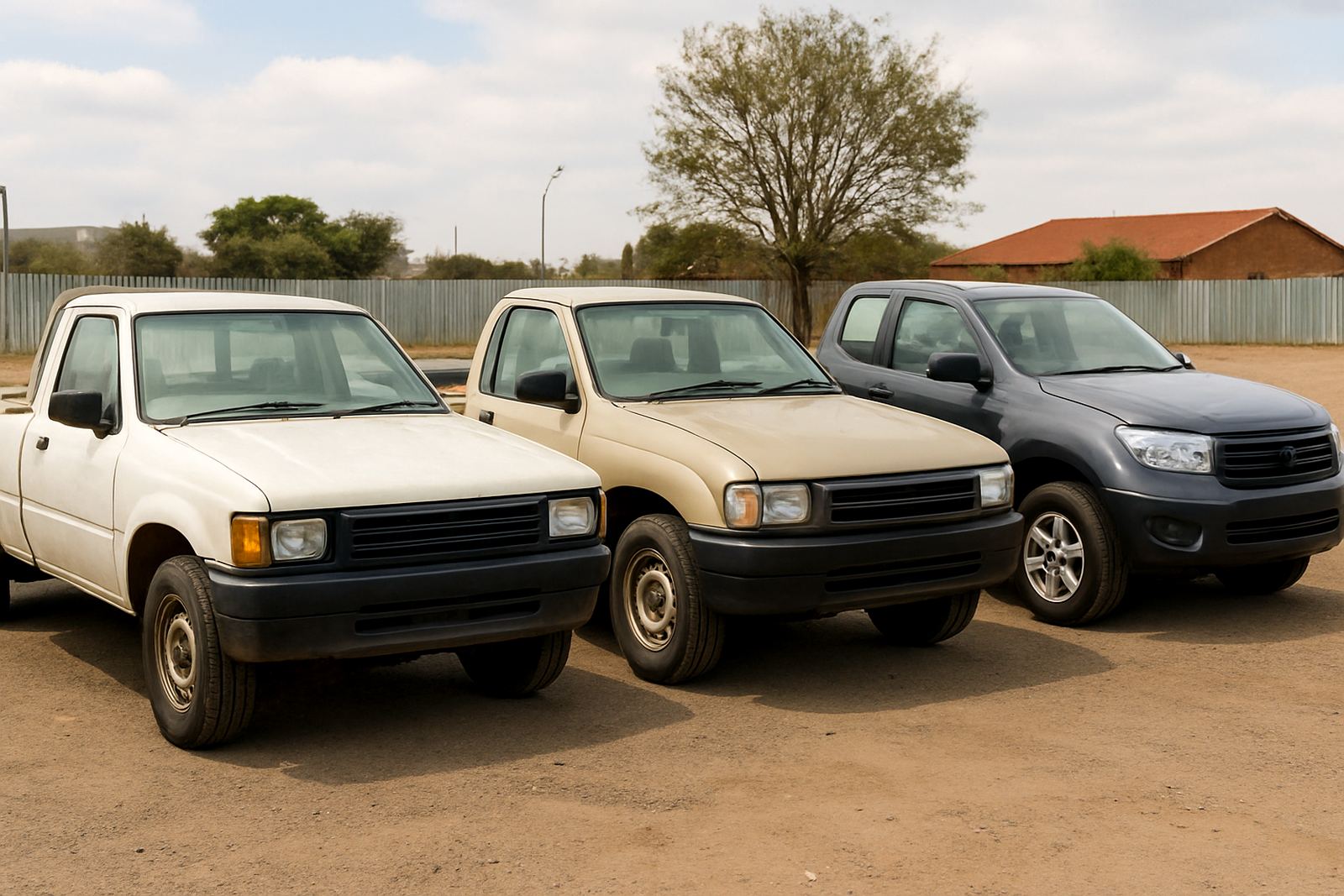
A used bakkie should suit the work first, then the budget. A neat cab means little if the load bay is bent, the suspension is tired or the engine starts using oil under hard work. We look at signs that affect ownership costs, such as clutch wear, brake feel, tyre matching, steering play and whether the canopy, canopy seals or load box have been repaired properly.

  • Match the engine size and drivetrain to your daily load and route.
  • Check for accident repairs, rust around seams and uneven panel gaps.
  • Look at service intervals, not only the odometer reading.
  • Inspect aircon, electrics and charging performance because power cuts can expose weak batteries.

Trailer Buying Notes for Work and Private Use

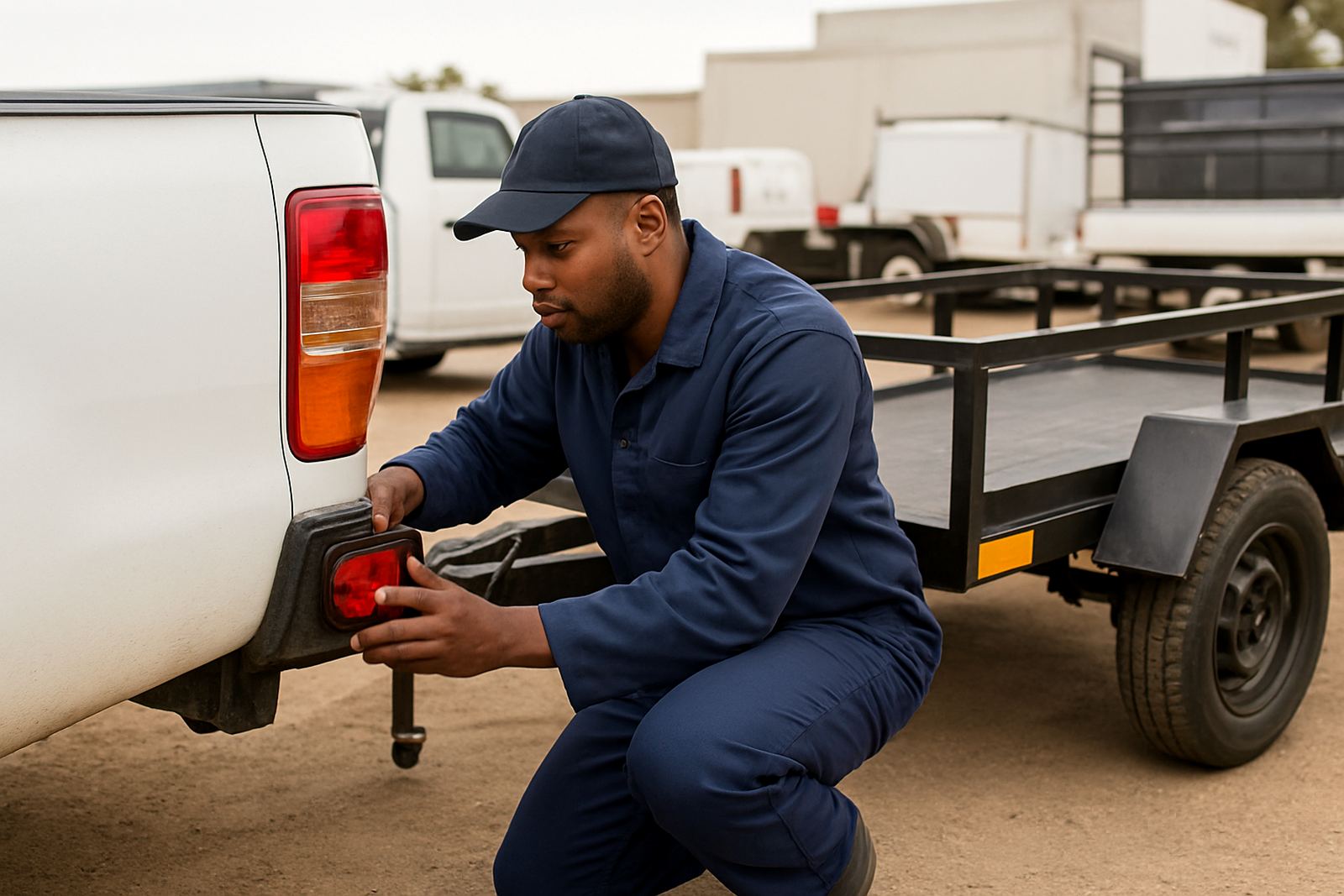
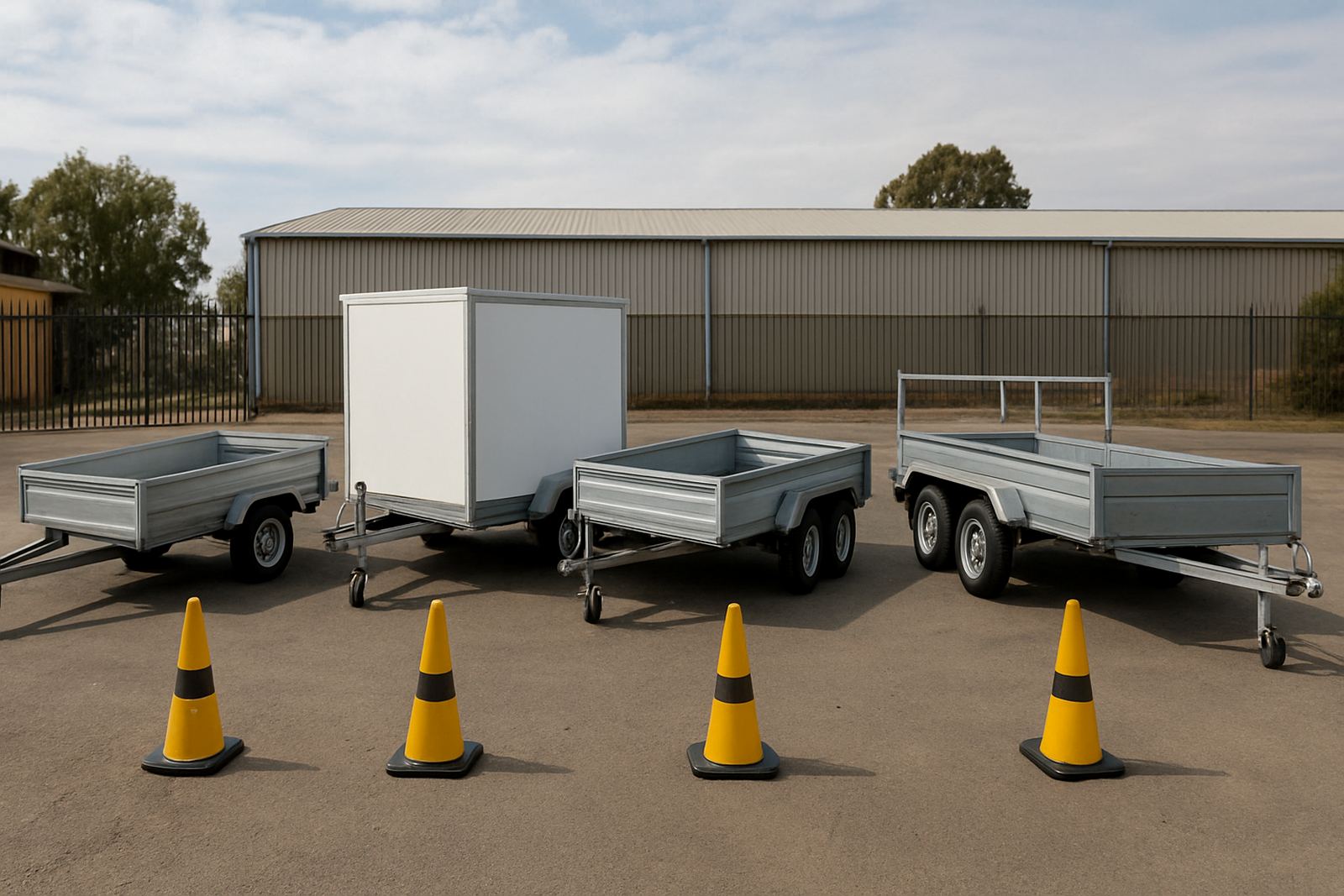
Trailers are often bought quickly, then expected to handle heavy work for years. The journal covers box trailers, flatbeds and general utility units, with attention to chassis straightness, lights, wheel bearings, hitch condition and the paperwork that should go with the sale. A trailer used near the coast or stored outdoors in Kempton Park can show corrosion faster than expected, so the frame, floor and wiring need a proper look.

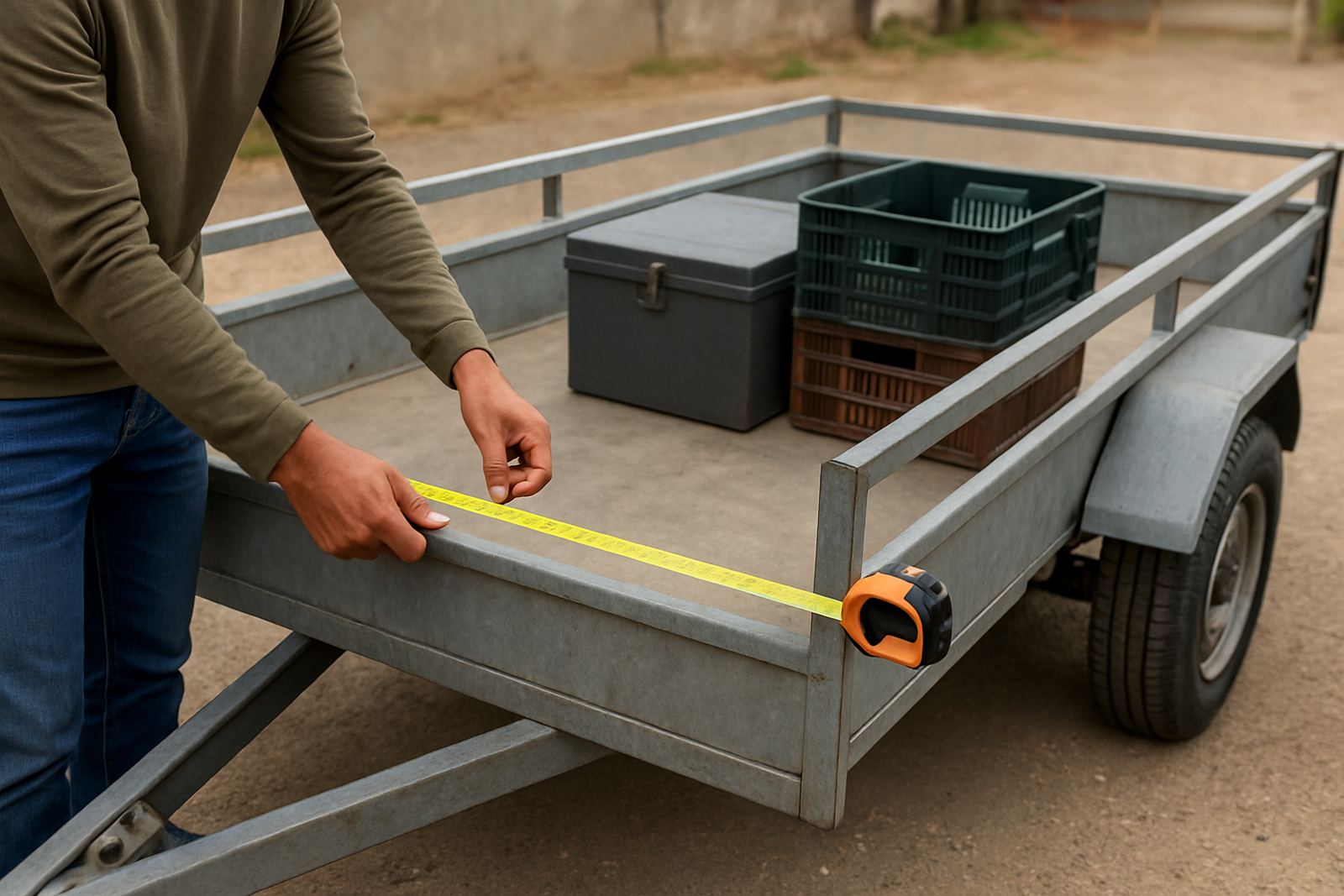
Before you commit, measure the tow vehicle setup and check whether the trailer matches your licence and towing limits. Municipal rules can also affect where you park or store a trailer, especially in tighter residential areas or shared business yards.

Market Watch for Buyers and Sellers

Used vehicle prices move with mileage, condition, season and demand in each town. A clean one owner bakkie in Pretoria may attract a different response to a similar unit in Durban, especially if one has better service records or newer tyres. The journal shares market observations that help sellers set a fair asking price and help buyers recognise when a listing is priced too high, or when it is worth moving quickly.

We keep the focus on practical value. That means checking what the vehicle can still do, how much reconditioning it needs, and whether the paperwork is in order before money changes hands.

Inspection Points That Save Time Later

A proper inspection can prevent costly surprises after collection. Our journal explains the areas that deserve attention before a viewing is booked or a deal is finalised. That includes cold starting, smoke on acceleration, gearbox changes, brake response and underbody condition, plus the small items that often get missed in a rushed walkaround.

  • Check all lights, wipers and window mechanisms.
  • Look for oil leaks, coolant stains and fresh paint around repairs.
  • Open and close doors, tailgates and trailer ramps more than once.
  • Confirm the VIN, registration details and seller information match the vehicle.

Ownership Tips for South African Conditions

South African conditions can be hard on used vehicles and trailers. Dust, potholes, coastal air and heavy traffic all shorten the life of parts that look fine on the surface. We share tips on washing underneath after wet weather, keeping bearings greased, protecting wiring and planning service intervals around work schedules instead of waiting for a breakdown.

If a bakkie or trailer is used for deliveries, tools or mixed family and business use, the upkeep plan should be simple and realistic. A little attention to tyres, brakes and suspension often saves a bigger bill later on, and it keeps the vehicle ready for the next job.

How We Support the Buying Process

Buyers and sellers can use the journal as a guide before they move into listings, inspections and collection. It complements our other services by explaining what to ask, what to check and how to compare options without wasting time. If you are looking across Johannesburg, Pretoria, Polokwane, Bloemfontein or Durban, it helps to know which details matter most before you arrange a viewing.

The aim is straightforward: better choices, fewer surprises and more confidence when you are dealing with used bakkies or trailers. A clear process makes the deal easier for everyone, and it often leads to a faster handover too.

Questions we get asked

What does the Bakkie Journal cover?

It covers practical advice on used bakkies and trailers, including buying checks, market notes, inspection points and ownership tips for South African conditions.

Is the journal useful for sellers as well as buyers?

Yes. Sellers can use it to price more accurately, prepare a vehicle properly and understand which details buyers usually check first.

How do I get help after reading an article?

Use the enquiry form on the contact page to reach the team for listings, inspections, buyer matching and delivery support.

Send a used bakkie or trailer brief.

Contact form