Start With the Job, Not the Badge
Before you look at price tags or mileage, write down what the bakkie must do each week. Will it carry tools, building materials, parcels, a water tank, or a small crew? A local electrician in Kempton Park will need something different to a gardener running between Pretoria suburbs or a courier handling daily drops in Durban.
Think in practical terms. Check payload, cab size, load bin length and whether you need a canopy or towbar. A single cab gives more load space, while a double cab gives extra seats but less room for cargo. If the vehicle will spend hours idling in traffic or doing short trips, fuel use matters just as much as the purchase price.
- List the heaviest load the bakkie must carry.
- Work out how many people need to travel with the load.
- Decide if you need towing, off-road ability or just city running.
- Set a monthly running budget for fuel, tyres, servicing and repairs.
If you are clear on the job, it becomes much easier to rule out the wrong options and avoid paying for features you will never use.
Budget for More Than the Purchase Price
Many first-time buyers focus on the asking price only, then get caught by licence renewals, service items and repairs a month later. When buying used, it is wise to keep a reserve for tyres, brake pads, belts, fluids and any work needed after collection. That reserve should be separate from the amount you are willing to pay the seller.
Also factor in your operating area. Coastal humidity around Durban can affect bodywork and electrical components, while dusty routes in the north can be hard on filters and suspension. In Gauteng, stop start driving and power-cut-related business schedules can make reliable battery condition more important than many buyers expect.
- Set aside cash for immediate maintenance after purchase.
- Check if the bakkie needs roadworthy work before registration transfer.
- Ask about service history, even if it is incomplete.
- Budget for insurance if the vehicle will be used daily for trade work.
A clean-looking bakkie can still need a bit of sorting once it has been used hard. Better to know that before you commit, not after.
Inspect the Parts That Cost the Most to Fix
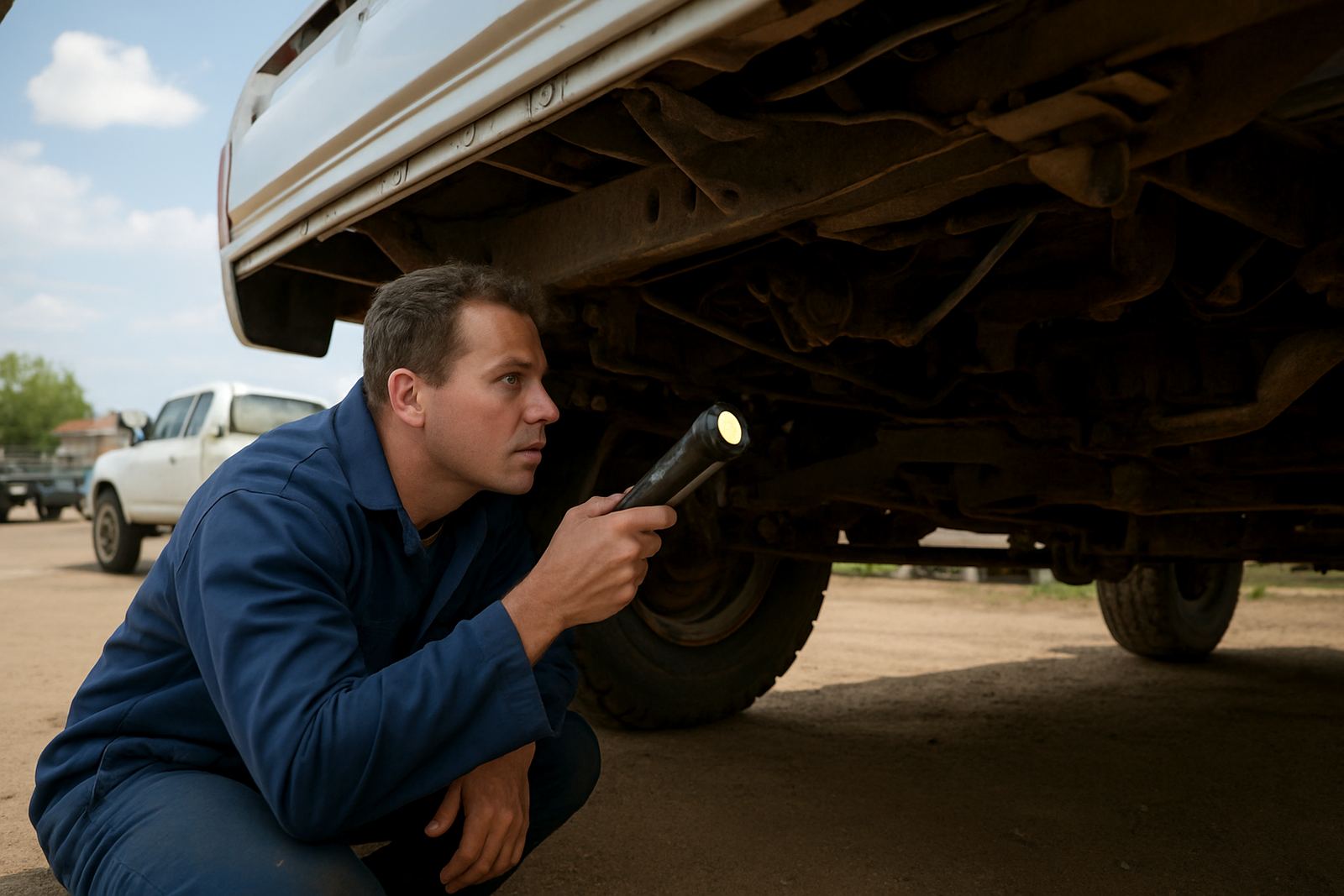
For a first work vehicle, the sensible approach is to inspect the expensive parts first. Tyres, suspension, clutch action, brakes, steering play and signs of accident repair tell you a lot about how the vehicle was used. A shiny respray will not help if the chassis is bent or the load bin has been repaired badly.
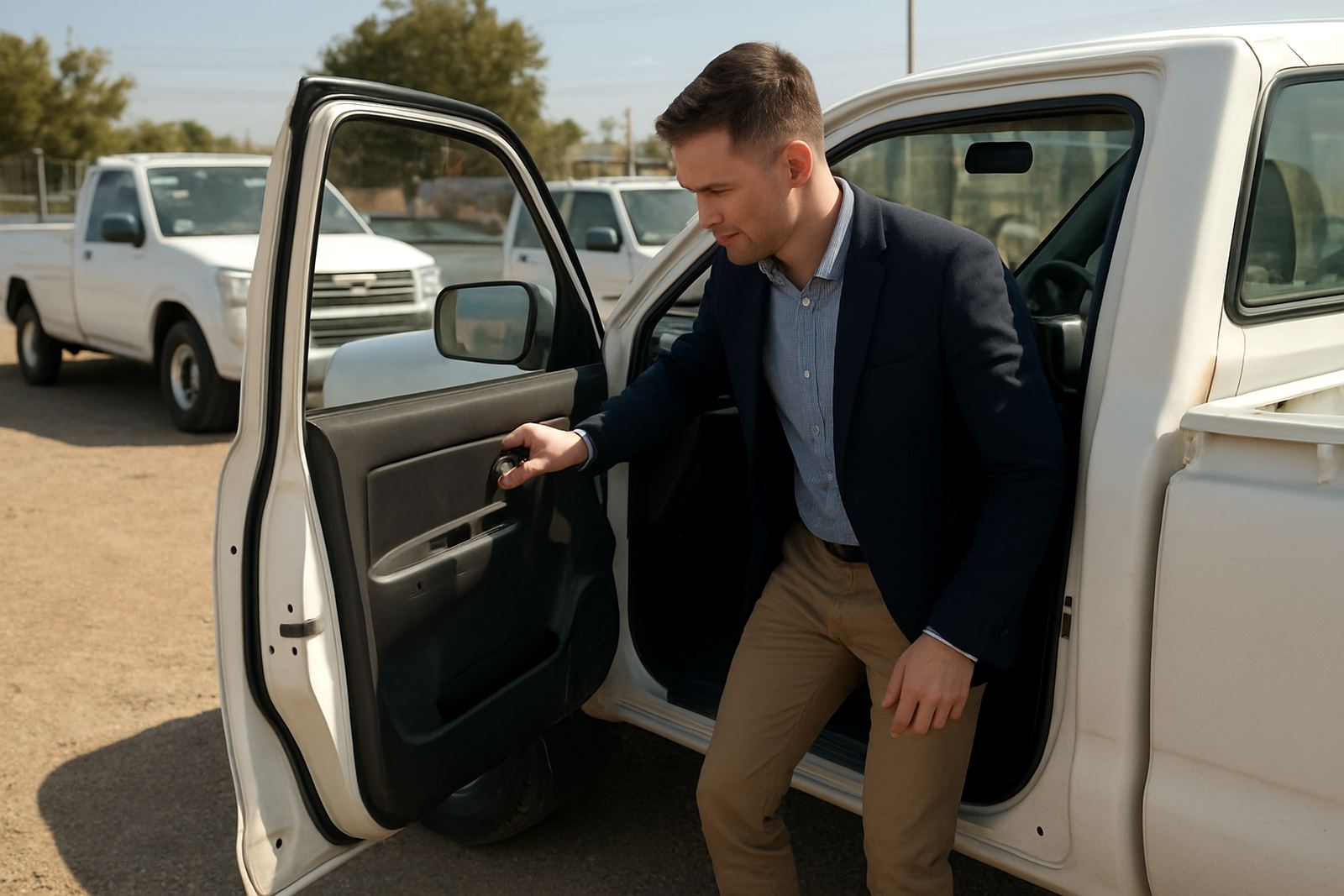
Open the bonnet and look for leaks, loose wiring and uneven wear. Start the engine cold if possible, then listen for rattles, smoke or rough idling. Test the gearbox through all gears, and make sure the handbrake holds properly on a slope. If the seller says the bakkie is ready for work, that claim should stand up to a proper inspection.
- Check for oil leaks under the engine and gearbox.
- Look at tyre wear on both sides, not only the tread depth.
- Inspect the load bin, tailgate and tow point for damage.
- Ask when the clutch, brakes and shocks were last replaced.
On older used bakkies, service history matters but condition matters more. A vehicle with a fair record and honest wear is often a better choice than one with a neat file and hidden problems.
Match the Vehicle to Your Daily Routes
The right bakkie for Johannesburg traffic may not be the best choice for Bloemfontein roads or long runs between towns. If you are mainly doing short urban trips, you may want something lighter on fuel and easier to park. If you are moving stock between sites, towing a trailer or carrying tools daily, durability and torque may matter more.
Think about where you will collect goods and where you will deliver them. Centurion and Pretoria buyers often need a vehicle that can handle business parks, suburbs and highway runs. In Polokwane or East Rand industrial areas, a stronger suspension and dependable braking can make a big difference when the load is heavier than planned.
- Short trips: prioritise fuel use, turning circle and easy parking.
- Mixed city and highway use: focus on comfort, stability and service intervals.
- Heavy work: check payload, towing ability and rear suspension condition.
- Remote routes: choose a vehicle with good parts availability and simple maintenance.
If your work depends on the vehicle every day, downtime costs more than a slightly higher purchase price. That is the part many new buyers only learn after the first breakdown.
Use Condition Reports to Compare Cars Properly
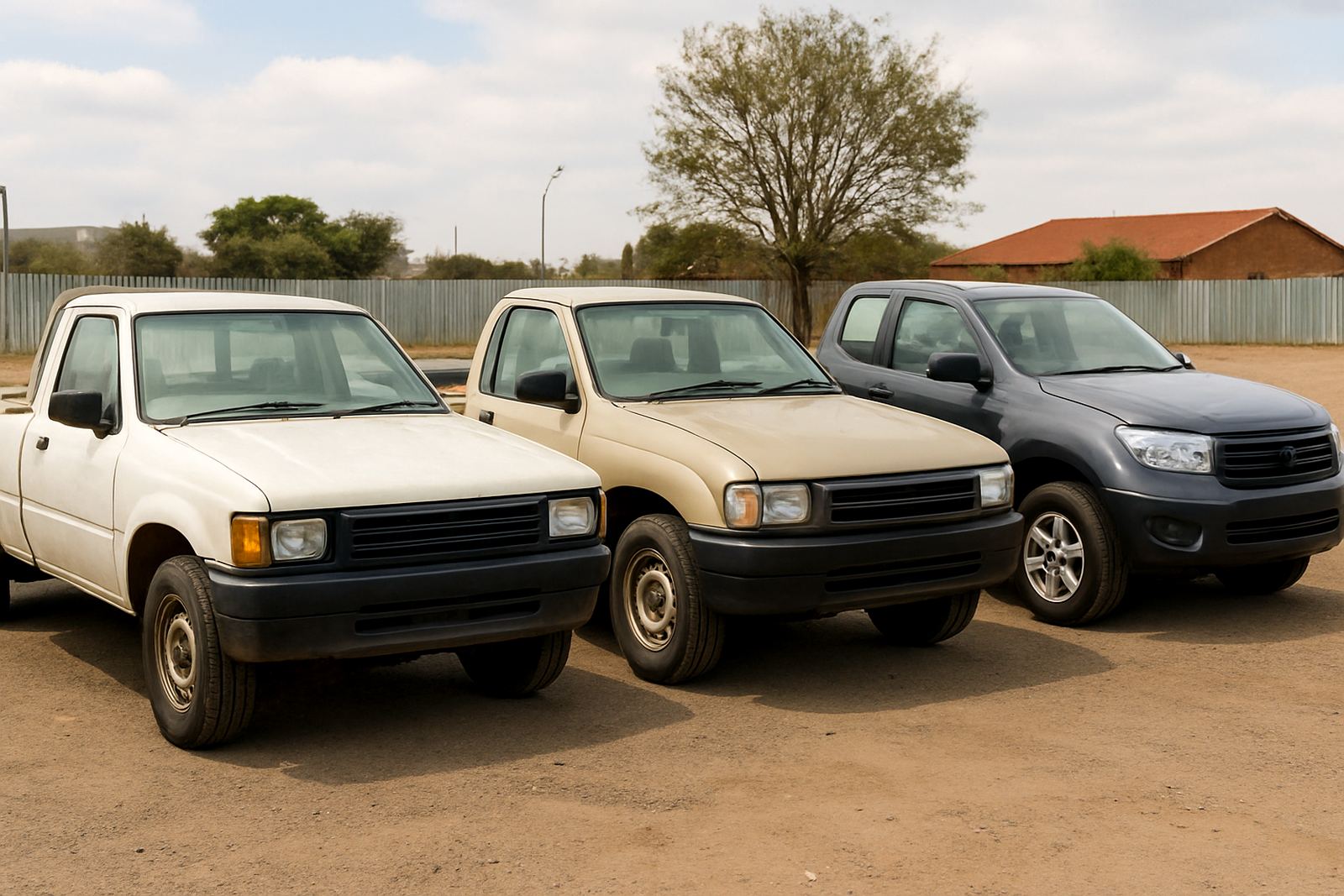
When you are new to buying used, it helps to compare vehicles on the same facts. A proper condition report should cover bodywork, tyres, cabin wear, mechanical issues and any signs of previous repairs. That way you are not relying on guesses or sales talk, which can be expensive on a first purchase.
Photos also matter. Clear images of the exterior, load bin, engine bay, interior and underbody help you spot differences before you commit time to a viewing. If two bakkies are both in budget, the one with cleaner documentation and fewer warning signs is usually the safer buy, even if it has a few more kilometres on the clock.
- Compare the same details for every vehicle you shortlist.
- Ask for close-up images of any scratches, dents or repairs.
- Check that the odometer reading matches the vehicle wear.
- Use the report to decide whether a viewing is worth the trip.
This approach saves fuel, time and frustration, especially if you are buying from another town and need to make a quick decision.
Plan Collection and Delivery Before You Pay
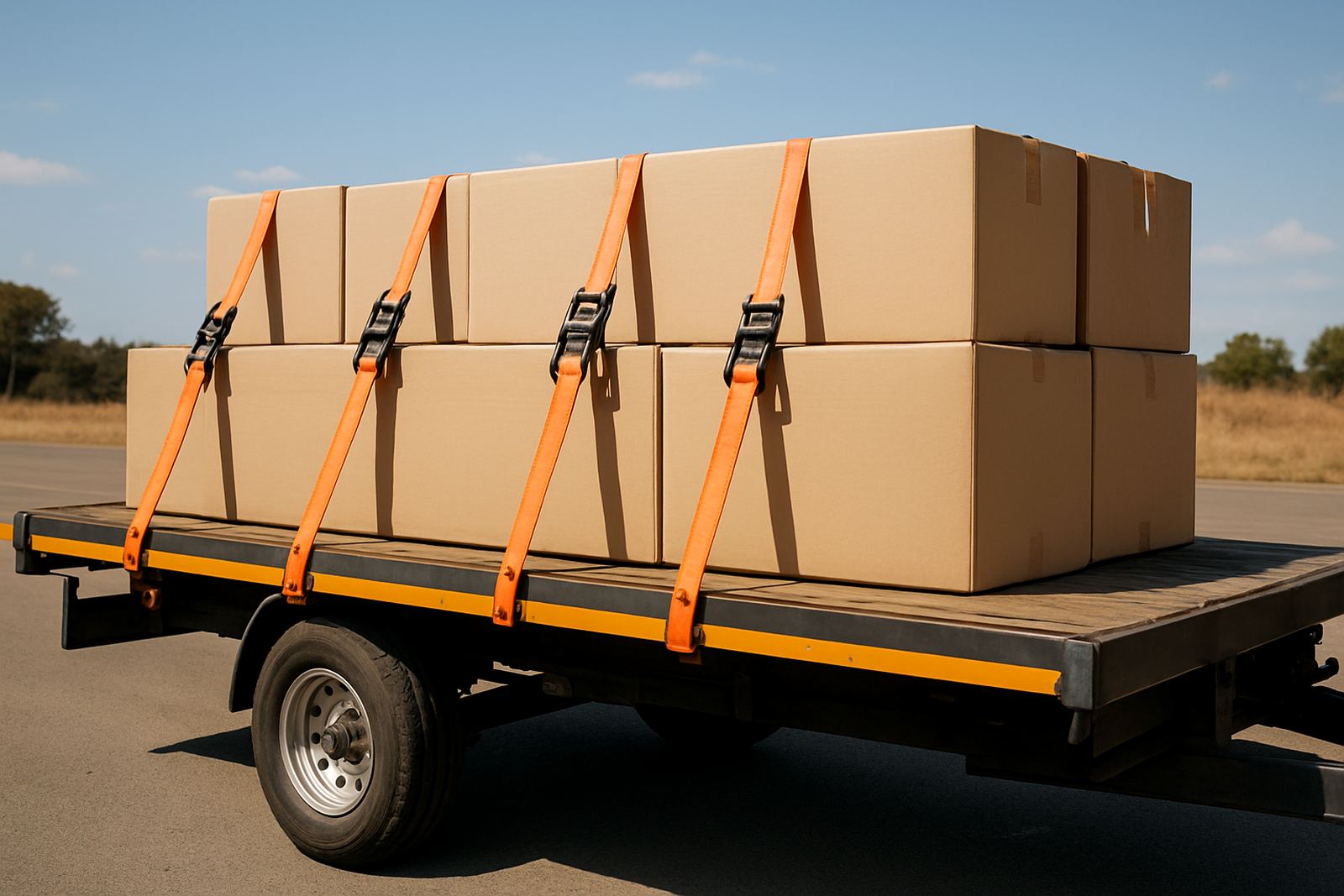
For a first-time buyer, getting the vehicle home is part of the purchase. If the bakkie is in another province or the seller is far from your base, plan viewing, collection and delivery before final payment. That avoids delays and gives you time to organise paperwork, insurance and any pre-delivery checks.
In areas like Kempton Park, Johannesburg and Pretoria, collection can often be arranged quickly once the vehicle is confirmed. For longer routes to Durban, Bloemfontein or Polokwane, delivery timing may need to work around business hours and road conditions. A good handover should include the keys, documents and a clear record of the vehicle condition at collection.
Buyers who are new to used bakkies often worry about making the wrong choice. The better move is to slow down at the right points and make each decision with facts. That keeps the vehicle working for your business, instead of draining it.