When a cage trailer beats a box trailer on the job
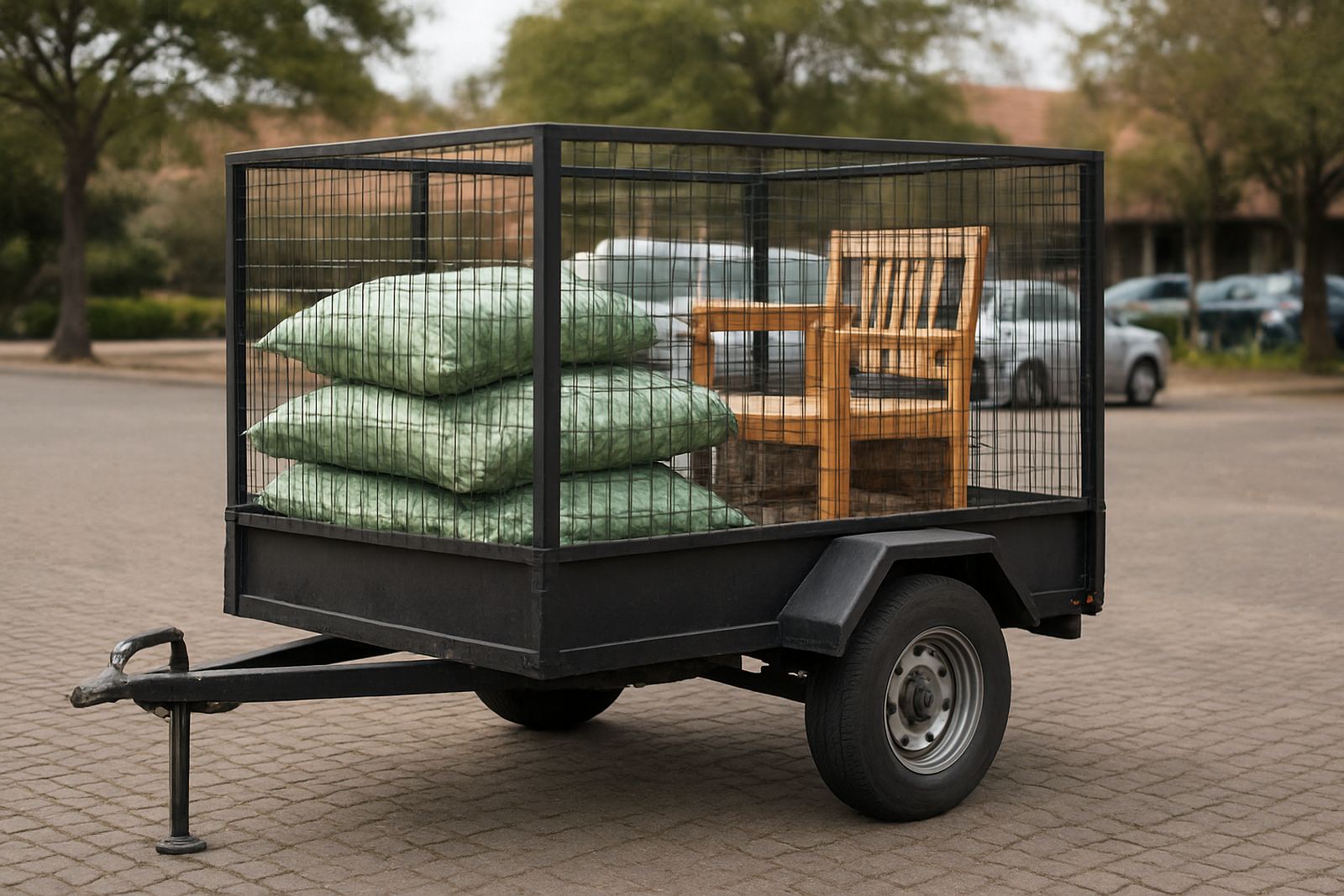
A cage trailer makes sense when the load is bulky, irregular or handled often. Think prunings, plastic crates, building offcuts, scrap, and furniture that does not need to sit inside a closed body. The open mesh sides give you height without the extra weight of solid panels, so you can stack carefully and still keep the trailer within a usable towing range.
For many buyers, the big advantage is access. With a cage trailer, loading from the top or from the side is easier than wrestling with a full box. That matters when you are working on site, on a smallholding, or doing runs where people are loading and unloading by hand. It also helps in hot weather because airflow is better, which is useful for items that do not like being sealed in a hot metal shell.
The practical differences you notice in daily use
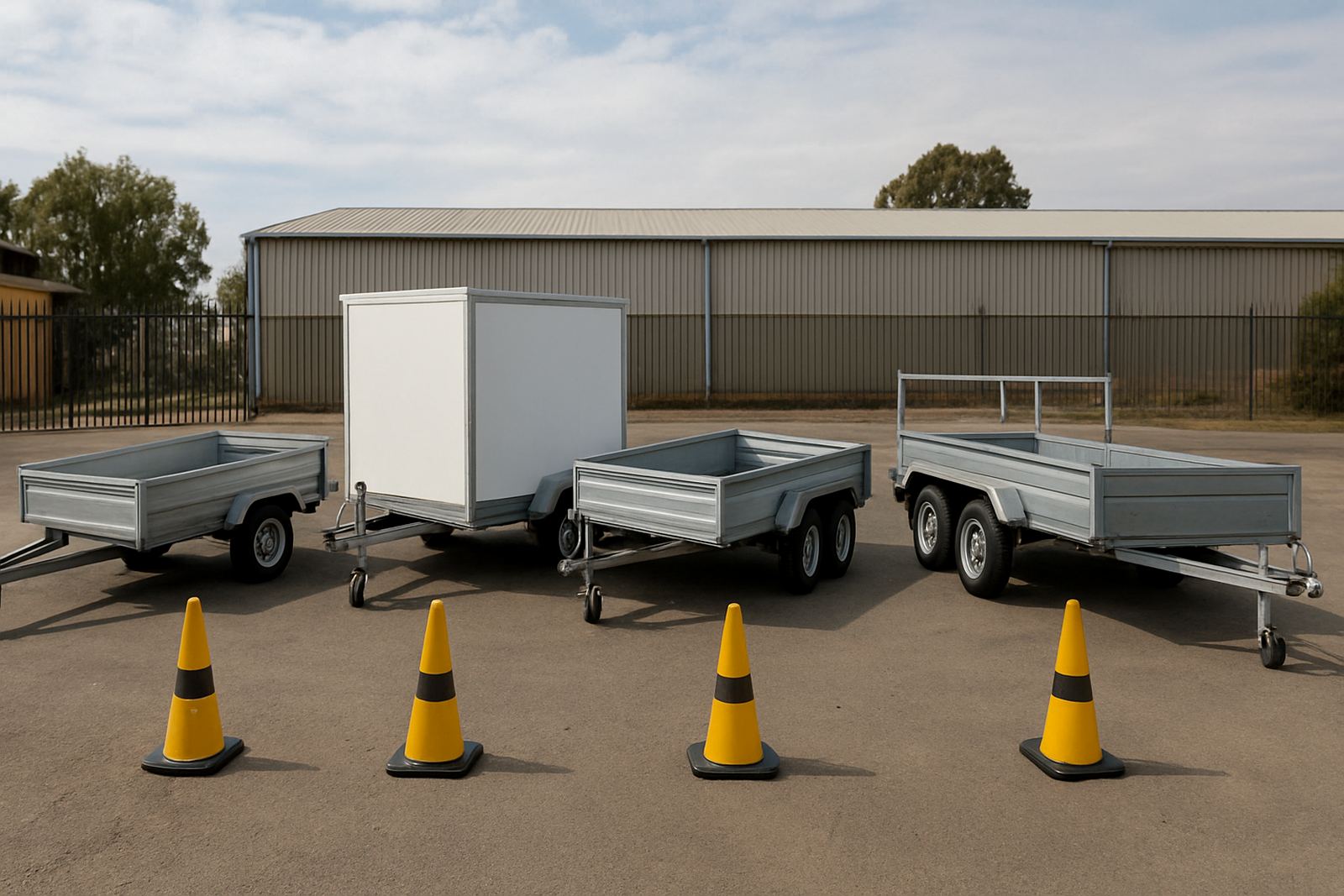
A box trailer keeps contents enclosed, which is useful for valuables, tools or goods that must stay dry. A cage trailer gives you more flexibility when the priority is volume and ease of handling. It is common to choose a cage trailer for garden services, small removals, event set-up and farm use where the load changes from week to week.
- Better for bulky loads that do not stack neatly
- Quicker to load with hand tools, wheelbarrows or crates
- Useful where you need tie-down points all around the sides
- Often lighter than a similarly sized enclosed trailer
- Easier to see the load from the tow vehicle and in mirrors
If you are towing through Kempton Park, Centurion or the East Rand, that visibility can make a real difference in traffic and parking. It is easier to judge corners and check whether the load has settled properly, especially after a few speed bumps or stop-start trips.
Loads that suit a cage trailer best
Not every job calls for a solid-sided trailer. A cage trailer is often the better fit when you are dealing with mixed shapes, light to medium weight cargo or items that need air movement. The open frame is also handy when you need to secure everything with straps, rope or netting rather than box it up.
- Garden refuse, branches and hedge cuttings
- Furniture and household goods for short moves
- Feed bags, seed, crates and general farm supplies
- Building rubble, timber offcuts and packaging waste
- Camping gear, coolers and outdoor equipment
There is a trade-off though. A cage trailer will not protect your load from rain, dust or road spray the way a closed box can. If you are moving cartons, electronics or anything that must arrive clean and dry, you may need a tarpaulin and proper tie-downs or a different trailer type altogether.
What to check before you buy used
Used cage trailers can be excellent value, but inspection matters. Start with the frame and cage welds, then look at the floor, axle, suspension and coupling. Check for rust around the base, bent bars, loose mesh and signs of poor repairs. A trailer can look neat from a distance and still be tired where it counts.
Pay attention to tyre age and condition as well. A cracked sidewall or uneven wear can point to standing damage or poor alignment. If the trailer has brakes, test that they engage properly and release without dragging. Lights and wiring should be neat and working, because on South African roads you do not want to sort out a lighting fault at the roadside after dark.
- Inspect the VIN or trailer identification markings
- Check whether the licence papers match the physical trailer
- Look for fresh paint hiding corrosion or old damage
- Test the jockey wheel, hitch and safety chain
- Confirm the load size suits your bakkie or tow vehicle
In coastal areas like Durban, salt air can accelerate rust, so a thorough check is even more important. Around Johannesburg and Pretoria, where trailers often sit outside between jobs, sun exposure and standing water can also age the fittings faster than people expect.
A local example from site work in Kempton Park
Consider a small landscaping contractor based in Kempton Park who works from Spartan through to Bryanston and Midrand. On Monday the trailer carries branches and lawn cuttings, on Wednesday it moves paving offcuts and empty bags, and on Friday it takes pot plants, tools and a few bulky chairs for a function setup. A cage trailer suits that kind of mixed work because the load keeps changing and none of it needs a sealed body.
If that same business used a box trailer, it would spend more time loading around the walls and less time getting the job done. The cage sides allow quick stacking and easy securing, and the trailer can still handle awkward items like rolled mats, poles and crates. It is a practical choice when the work is varied and the day gets busy, which it often does.
For a private buyer in Bloemfontein, the equation may be similar. If you are helping family move furniture, collecting nursery stock or hauling building materials for a small project, a cage trailer gives you flexible space without paying for a fully enclosed unit you may not need every week.
How Buy Those helps you find the right trailer match
Choosing between a cage trailer and a box trailer comes down to what you carry, how often you tow and where the trailer will live between trips. At Buy Those, we help private sellers and dealers present used trailers clearly, with condition notes, photos and honest price guidance so buyers can compare properly before making a decision.
From our base in Spartan, Kempton Park, we work with clients across Johannesburg, Pretoria, Polokwane, Bloemfontein and Durban. If you need a trailer for business use, household hauling or seasonal work, a well matched cage trailer can save time, fuel and frustration. The key is buying one that suits the job instead of trying to make one trailer do everything. That simple decision often pays off fast.
- Listing support for cage trailers and other used trailers
- Pre-sale inspections and condition reporting
- Buyer matching and price guidance
- Viewing arrangements, collection coordination and delivery arrangements