Why overloading leaves a visible trail
In South Africa, a used bakkie or trailer may have spent years doing hard work, from garden refuse runs in Kempton Park to delivery work between Pretoria, Johannesburg and Durban. When a load is too heavy, or tied down badly, the damage is not always dramatic at first. It often shows up as small changes in ride height, tyre wear and body movement. By the time the vehicle is on the market, those signs can be the difference between a sensible buy and a costly mistake.
Overloading does not only mean carrying too much mass once. Repeated trips with too much weight, poor load balance, and rough roads can all cause long term wear. A trailer that has been dragged full of sand or building rubble, for example, may look tidy after a wash but still carry the marks of strain underneath. That is why a proper inspection matters, not just a quick glance from the kerb. The clues are there if you take your time.
Suspension that sits low or looks uneven
The easiest sign to spot is ride height. A bakkie that sits lower at the back than expected, or a trailer that looks nose heavy when parked on level ground, may have tired springs, sagging leaf packs or damaged mounting points. If one side sits lower than the other, that can point to uneven loading over time, or frame stress from a hard life.
Look closely at the gap between the tyres and the wheel arches. If the gap is smaller than it should be, or the body seems to squat under normal load, ask why. On a trailer, check whether the drawbar sits at an odd angle when unhitched. That can suggest the chassis has taken a knock or been used beyond its intended rating.
- Rear end sitting low even when empty
- Uneven stance from left to right
- Springs that look flat or bent
- Cracked spring hangers or worn bushes
Tyre wear patterns that tell a story
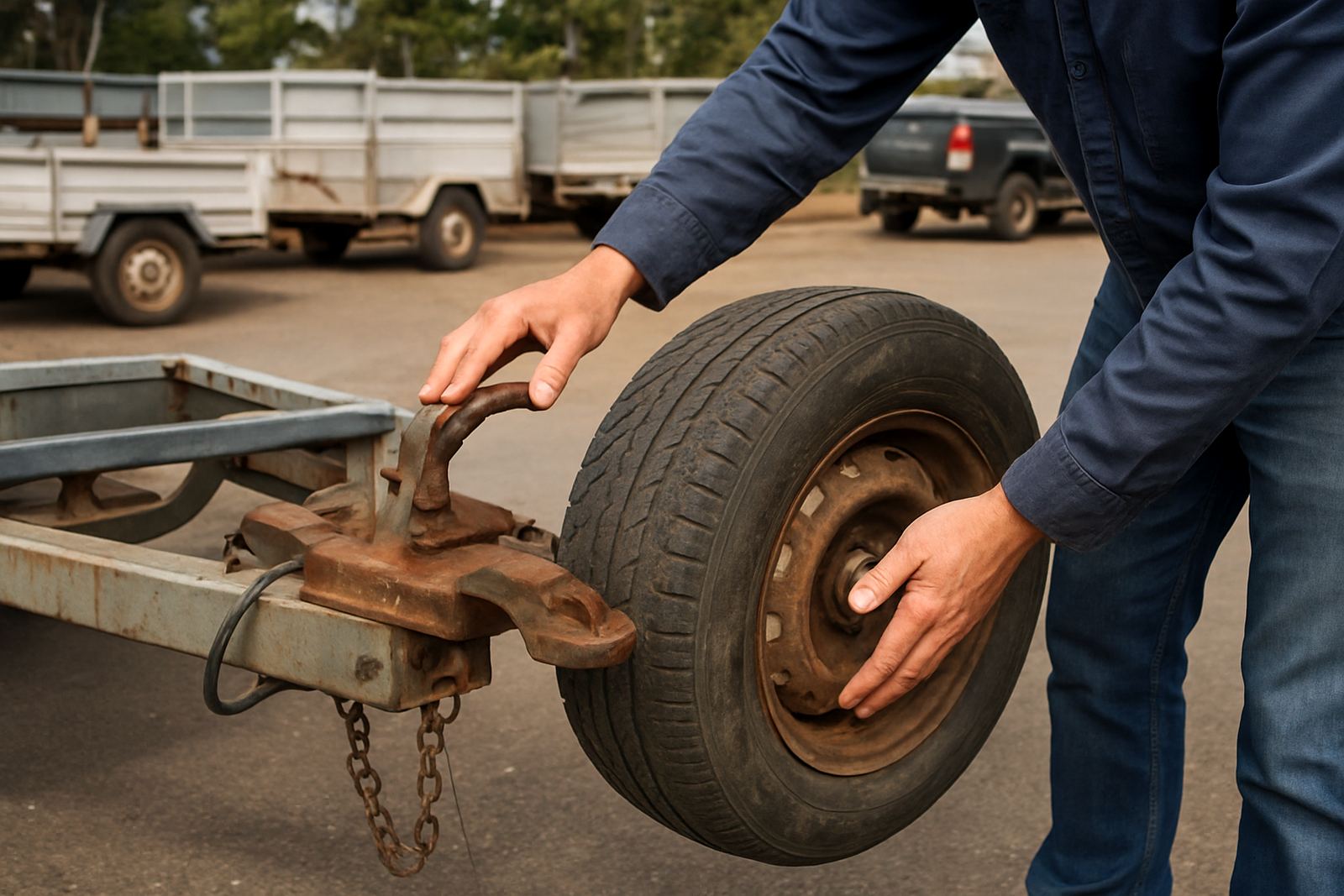
Tyres are often the first place where overloading shows. Look for bald outer edges, feathering, and tyres that wear much faster on one side than the other. A trailer that has carried heavy loads for long periods may also show scuffing near the sidewall, especially if it has been turned sharply while loaded. That kind of wear is not normal and should not be ignored.
Check the date code and the sidewalls as well. Bulges, cuts and repeated repairs can all point to a trailer or bakkie that has had a rough time. If the spare is in a far better condition than the tyres fitted on the vehicle, it may be a clue that the working tyres have been replaced before they wore out from age alone, often because they were under pressure more often than they should have been.
On Cape coastal routes humidity and salt air can also speed up wheel and rim corrosion, so rust around the bead area is worth a closer look. It can be minor, but when it pairs with heavy tyre wear, you should ask more questions.
Body, frame and tow point damage
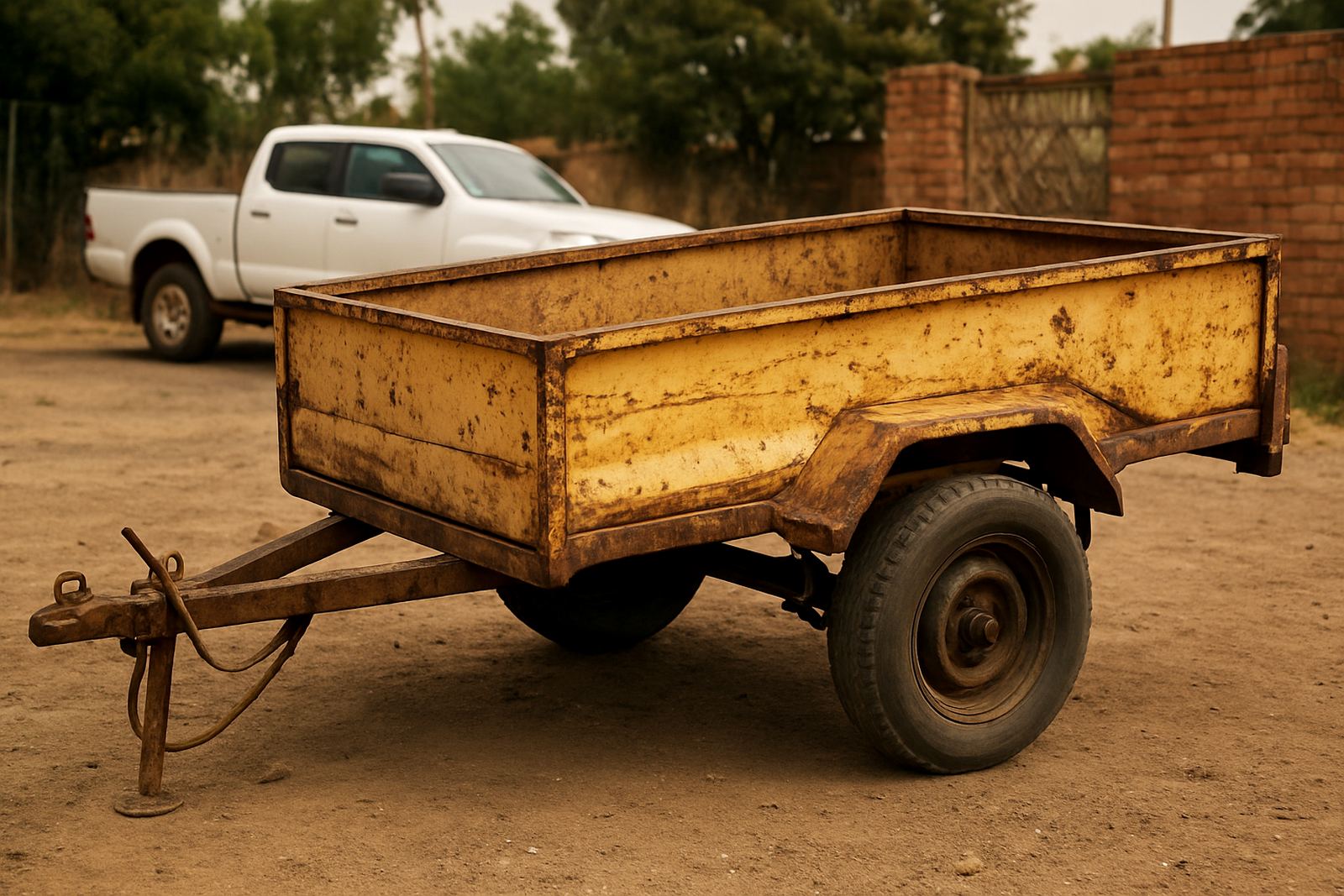
Overloading can leave marks where metal has been forced to carry more than it should. On bakkies, inspect the load box floor, tie-down points, rear bumper area and tow bar mounting. On trailers, look at the chassis rails, welds, jockey wheel bracket and coupling. Bent metal, fresh welds, ripples in the frame and cracked paint around joins often mean the structure has been stressed.
Rust alone is not always a deal-breaker, but rust that follows a bend or crack is a warning sign. It can show that the metal has moved and the protective coating has broken. Also check the tailgate and latch area. If the tailgate no longer closes squarely, or the trailer gates have to be forced into place, the frame may be out of line.
- Cracks near welds or mounting points
- Fresh paint hiding repairs
- Twisted tailgate or gate hinges
- Drill holes or added plates where load points were modified
Braking and handling problems on the road
A vehicle that has been overloaded often feels wrong on the road even if it still drives. A bakkie may nose dive under braking, sway on bends, or feel like it wanders at highway speed. A trailer may pull to one side, bounce excessively or make a scraping noise over speed humps. These are all signs that weight has affected the suspension, brakes or alignment.
If you are inspecting a used trailer, ask how it behaved when loaded. A trailer that fishtails when empty can still be a problem, but one that used to sit level and now leans or bounces badly may have suffered years of overwork. Listen for squeaks, knocks and grinding noises as well. If the owner says the vehicle only does a short route so it is fine, that is not proof. Short trips can still be hard on brakes and bearings when the load is too much.
Simple checks before you buy
You do not need a workshop to pick up many of these clues. A careful walk around the vehicle and a short road test will often reveal enough to decide whether it is worth a deeper inspection. If the bakkie or trailer is being sold in Johannesburg, Pretoria or Centurion, where stop start traffic and delivery work are common, ask for the load history and whether it has ever been used for heavier work than its original purpose. In Durban, check for corrosion as well as wear, because humidity can make hidden damage worse over time.
Use this quick checklist before you pay a deposit:
- Stand back and check whether the vehicle sits level
- Inspect tyres for uneven wear and sidewall damage
- Look underneath for bent metal, cracks or fresh welding
- Test lights, brakes and hitch points
- Ask for service or repair records if available
- Check that the vehicle load rating matches how it was used
If anything looks doubtful, walk away or budget for repairs. A cheap trailer can become expensive fast when axles, springs and tyres all need attention at once. It is better to know before the sale than after you have taken it home.
A Kempton Park example from real buying conditions
A common example comes from the East Rand. A buyer in Kempton Park may view a used trailer that looks neat in photos and has been freshly washed. On inspection, the tyres show heavy wear on the outer edges, the rear crossmember has a slight bend, and the jockey wheel bracket has been re welded. The trailer still moves, but it is clear that it has carried more than it should have for a long time. In a market like this, that trail of clues matters more than the shine on the body.
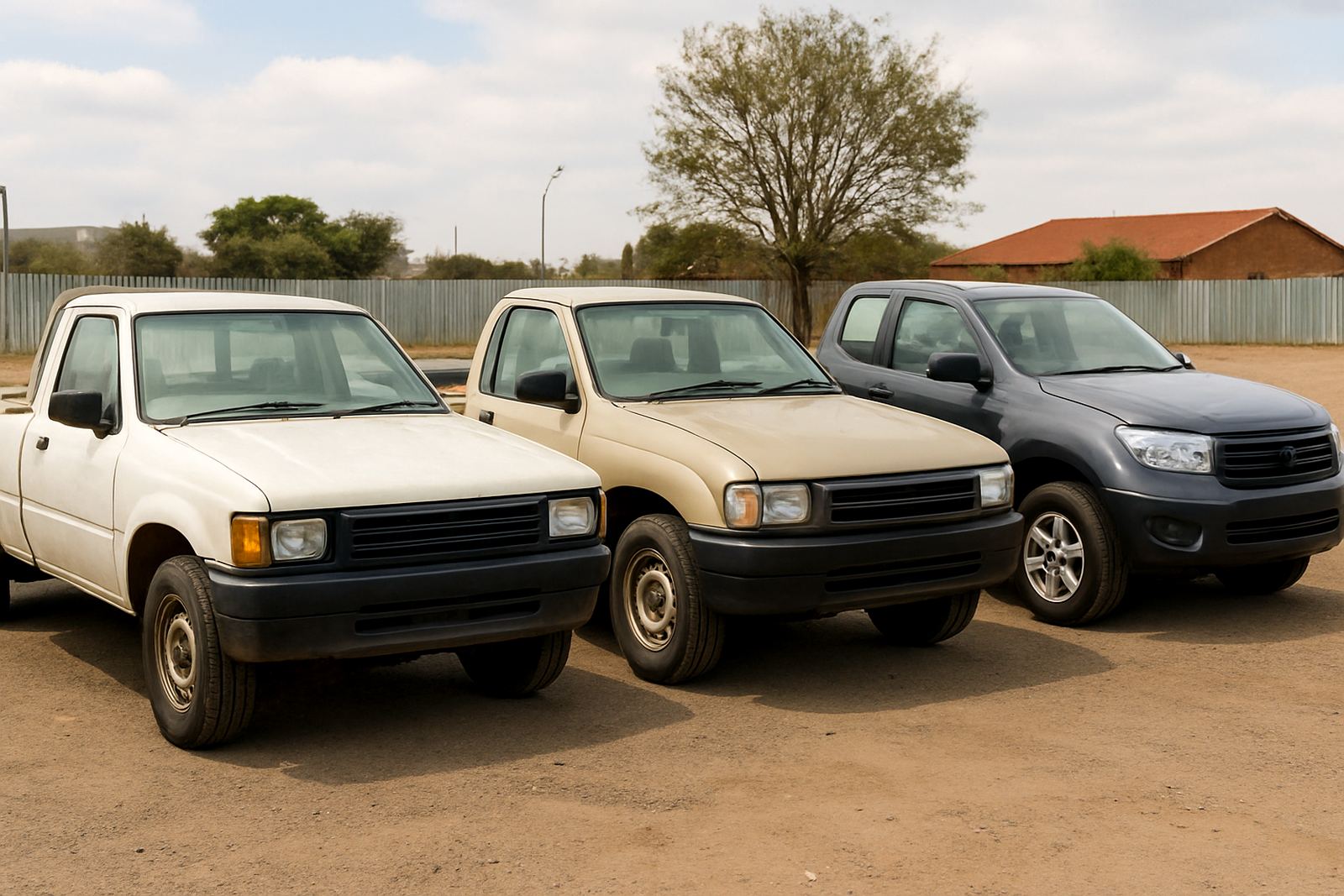
That same approach applies to used bakkies sold for work around Bloemfontein, Polokwane and Johannesburg. A unit that has been used properly can still be a good buy, but signs of overloading should change the price you offer, or tell you to keep looking. The goal is not to guess. It is to read the evidence and decide with your eyes open.