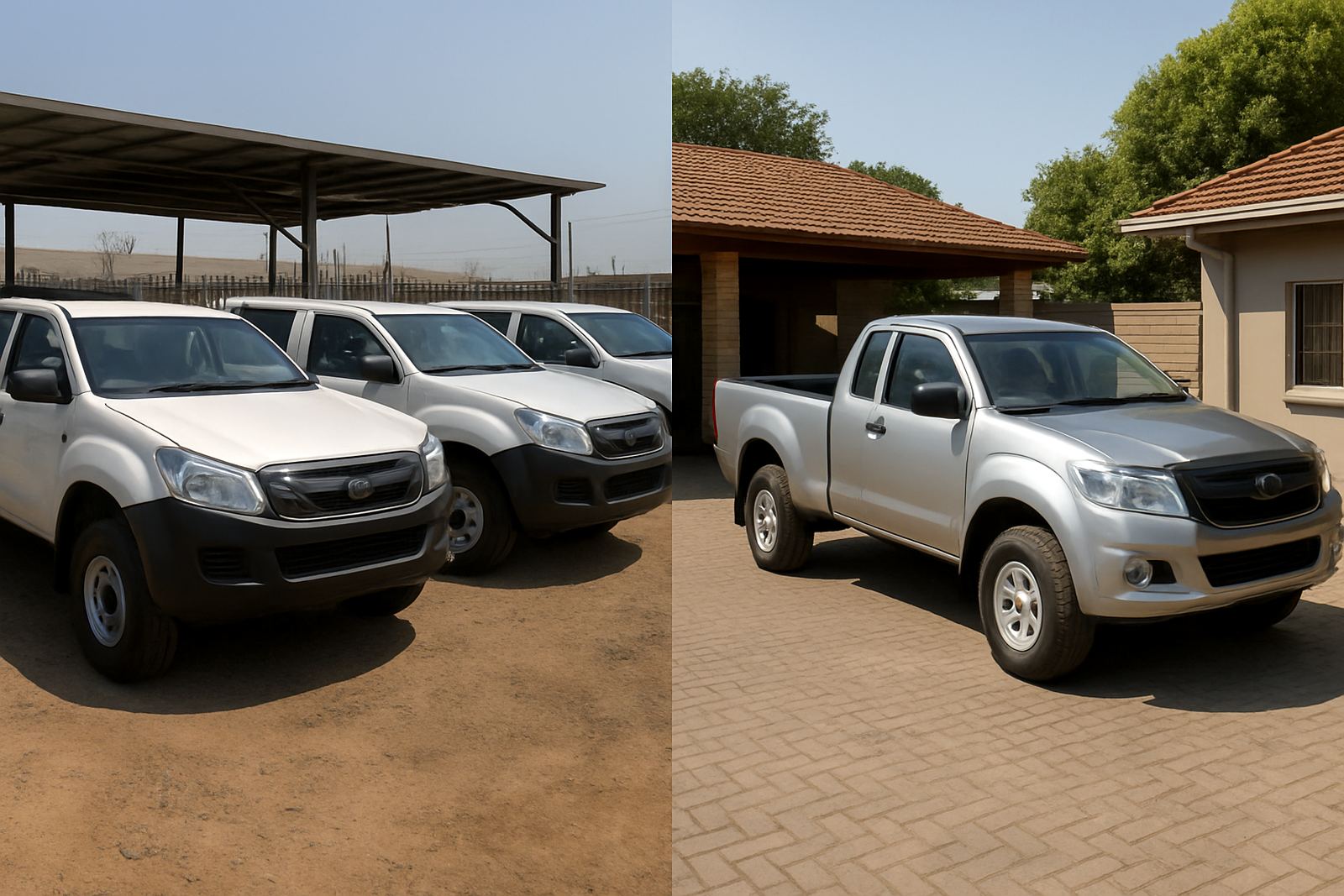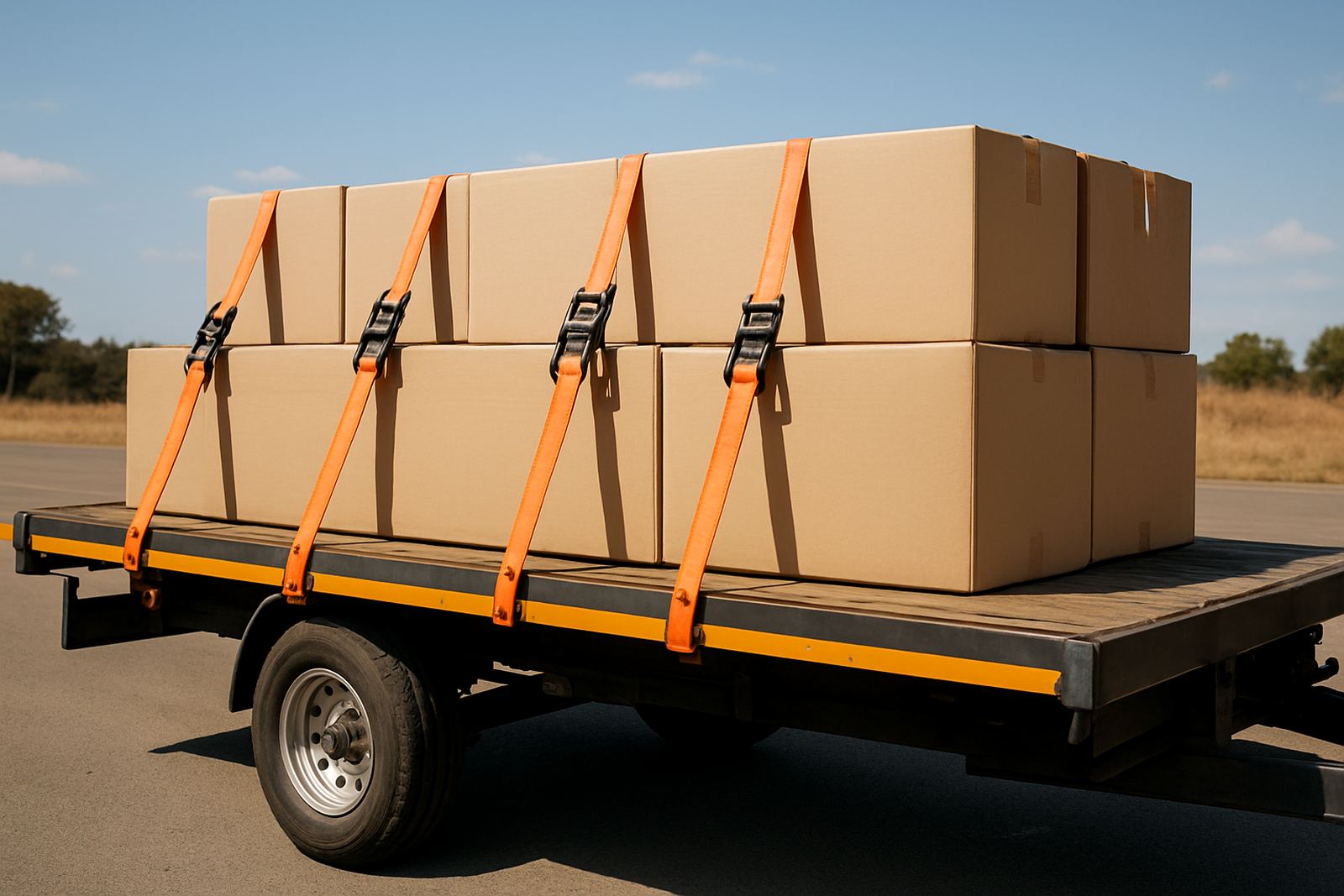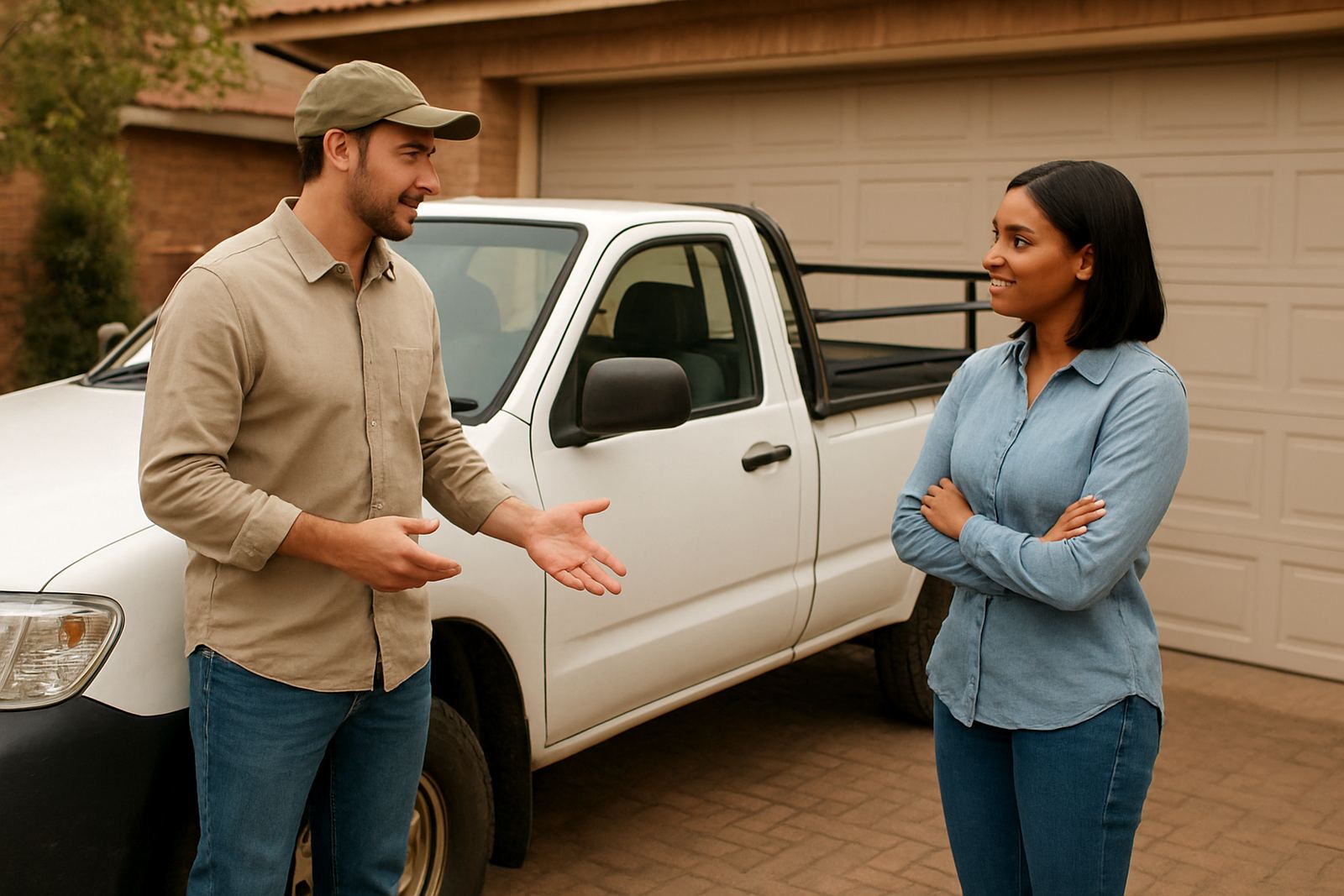
Start With Why They Are Selling And How Long They Have Owned It
The first question should always be simple: why are you selling? A clear reason does not prove anything on its own, but it gives you a feel for the story. People sell a bakkie because they are upgrading, moving into a company vehicle, or no longer need the trailer. If the answer is vague, keep asking. You want facts, not a sales pitch.
Also ask how long they have owned it, how many owners it has had, and whether there are any finance agreements or roadworthy issues still outstanding. If the seller cannot explain the ownership history, be careful. In South Africa, a private sale can go smoothly, but only when the person selling is the lawful owner and the papers match the vehicle. That is basic, not optional.
- Who has owned it, and since when?
- Why are you selling now?
- Is there any finance still linked to it?
- Are there any outstanding fines, licence issues, or duplicate keys missing?
Check The Papers Before You Talk Price
Never leave the paperwork to last. Ask to see the registration papers, licence disc, and the seller’s ID before you spend much time on the vehicle. The chassis number and engine number should line up with what is on the documents. If the numbers do not match, walk away until that is explained properly.
You should also ask whether the vehicle has a current roadworthy certificate, and if not, who will arrange it. Some buyers think a roadworthy means the bakkie is mechanically sound. It does not. It only means it passed the required checks on that day. A trailer needs the same careful attention to paperwork, especially if it will be used for business deliveries or towing through provincial routes.
In Kempton Park and the East Rand, sellers often move fast because they need cash or want to clear space. That is fine, but speed should not replace proper checks. If the seller says the papers are at home, or with a family member, take that as a warning sign and slow down.
Ask About Service History, Repairs And Real Fuel Use
Then move to the condition questions. Ask when it was last serviced, what parts were replaced, and whether it has had any major repairs after an accident or breakdown. A used bakkie that has been properly maintained can still be a good buy at high mileage, but you need the evidence. Service stamps, invoices, and repair notes tell you more than a shiny polish ever will.
Do not be shy about asking what it uses in real driving, especially if it will be used for city work, farm runs, or towing. Power cuts can push some buyers toward older work vehicles that are easier to keep running, but you still need to know whether the engine starts cleanly, idles well and does not smoke. If the seller says it is “fine” without any detail, ask again. A proper answer will usually mention oil consumption, clutch feel, brake wear, and any suspension work.
- When was the last full service?
- Has it ever been in an accident or rolled?
- Are there any warning lights on the dash?
- Does it use oil, water, or coolant between services?
- Have the brakes, tyres and suspension been checked recently?
Inspect The Body, Load Area And Towing Gear In Daylight
Never inspect a bakkie or trailer in bad light if you can avoid it. Daylight shows dents, spray paint, rust, oil leaks and uneven panel gaps much better. On the coast, rust can hide quickly around hinges, tow bars and tray edges, so check those areas carefully. In Durban or any humid area, corrosion is not a minor issue it can become a repair bill fast.
Open and close every door, tailgate and latch. Check the tray floor for cracks or signs of heavy overload. On a trailer, inspect the drawbar, coupler, lights, wiring and wheel bearings. Ask whether the trailer has been used for building materials, livestock, or long-distance hauling. That use matters because it tells you how hard the unit has worked. If the seller lets you see it with the load area empty, that is better than trying to judge it while it is full of junk.
Look underneath as well. If you see fresh underseal over old rust, ask why it was applied. A neat body can hide problems, so put more trust in what you can touch than what you can admire.
Take The Test Drive And Listen For The Small Things
A proper test drive should include slow town driving, braking, turning, and a stretch at speed if possible. Do not rush this part. Listen for knocks, humming wheel bearings, gear crunching, clutch slip and vibration through the steering wheel. If the seller says there is no time for a drive, that is usually not a good sign.
Check that the vehicle starts from cold if possible. A seller who has already warmed it up may be trying to hide a rough start, smoke, or a flat battery. Test the aircon, wipers, windows, indicators and lights. These are small things, but they matter when you are buying a vehicle for daily use across Johannesburg, Pretoria or longer routes to Bloemfontein and Polokwane.
If you are buying a trailer, hook it up if you can and check that it tracks straight, the electrics work, and the brakes bite evenly. A trailer that pulls to one side or shudders under load can be expensive to sort out.
- Does it start cleanly from cold?
- Any smoke, vibration or warning lights?
- Do the brakes feel even and firm?
- Does the steering wander or pull?
- Are all lights and electrics working?
Agree On Price Only After You Know The True Condition
Once you know the condition, then talk price. Ask how the seller set the asking amount and compare it with the age, mileage, condition and extras. A canopy, tow bar, spare tyre rack or service history can justify a better price, but only if the items are useful and in good order. Do not pay extra for accessories that need replacement straight away.
Make sure you understand what is included in the sale. Are both keys included? Is the spare wheel there? Are loading ramps, spare parts, or a trailer jockey wheel part of the deal? Ask for everything in writing before money changes hands. In a private sale, small misunderstandings become big problems very quickly.
When the price is fair, the condition is clear, and the papers are correct, private buying can work well. If any of those three parts fail, walk away. There will always be another bakkie or trailer.
Use A Local Example To Slow The Deal Down Properly
Here is a common situation. A seller in Centurion advertises a used bakkie for a landscaping business. The body looks tidy, the price is better than expected, and the seller wants to close the deal before the weekend. That is exactly when you slow down and ask the hard questions. Why is it being sold now? Is the paperwork in the seller’s name? When was the clutch last replaced? Has the vehicle ever carried heavy loads up and down steep construction sites? If the answers come back clearly, you may have a solid buy. If not, you have saved yourself a costly mistake.
For private buyers and sellers in Kempton Park, Johannesburg, Pretoria, Polokwane, Bloemfontein and Durban, a proper check can change the whole deal. A clear condition report, sensible price guidance and a good viewing arrangement can remove a lot of guesswork. That matters when a vehicle is going straight into work the next day.