Start With A Proper Walk-Around Before The Booking
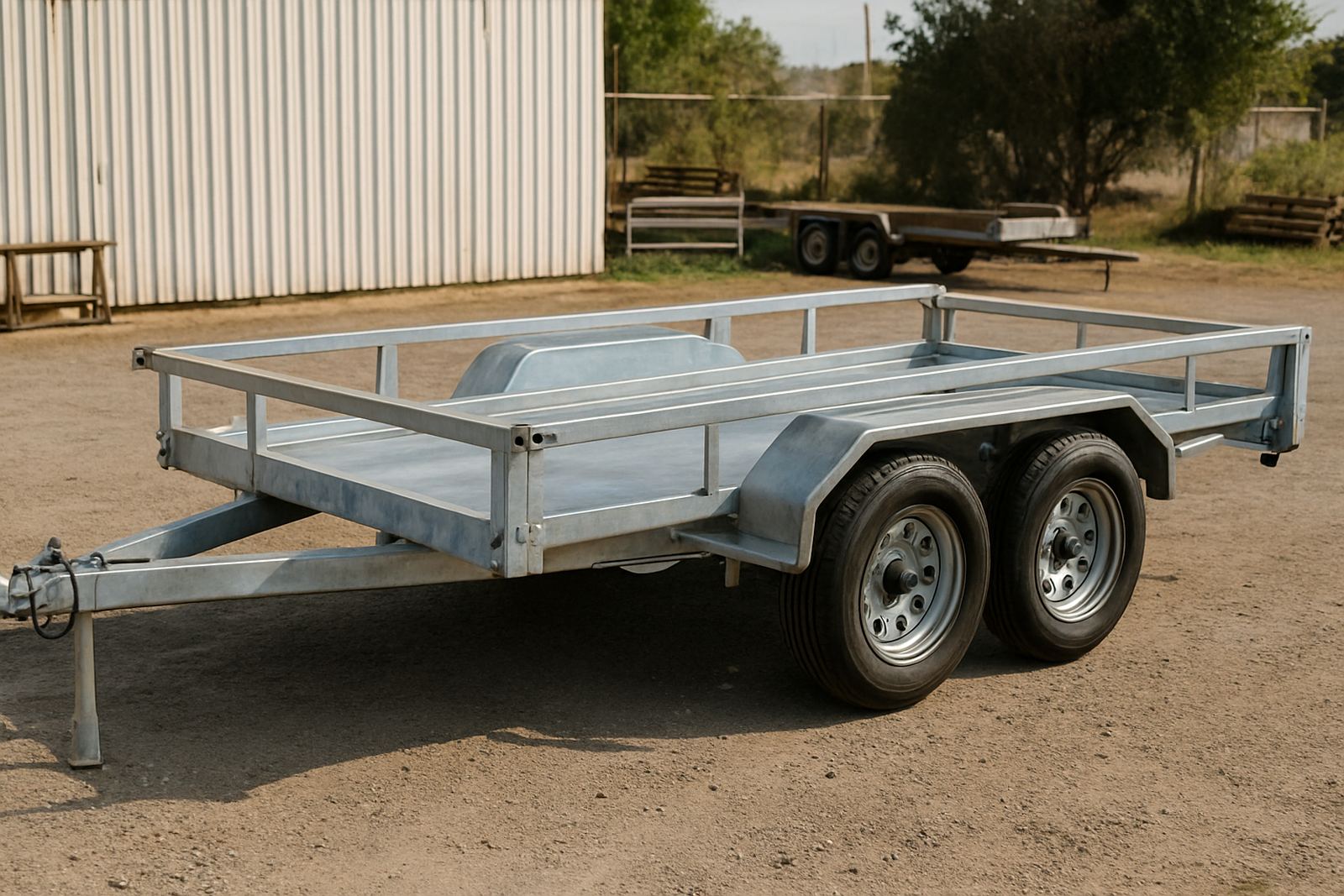
Before a vehicle or trailer goes for checks, do a slow walk-around in daylight and again at dusk if possible. Look for obvious issues first: cracked lenses, missing reflectors, loose number plates, worn wipers, broken mirrors and anything hanging under the body. On trailers, check the coupling, safety chains and breakaway gear if fitted.
It helps to wash off heavy dirt first, especially after work on site, on a farm or near the coast. Salt build-up and mud can hide corrosion or small cracks. A clean unit is easier to inspect and the inspector can spot real faults faster, which saves time for everyone.
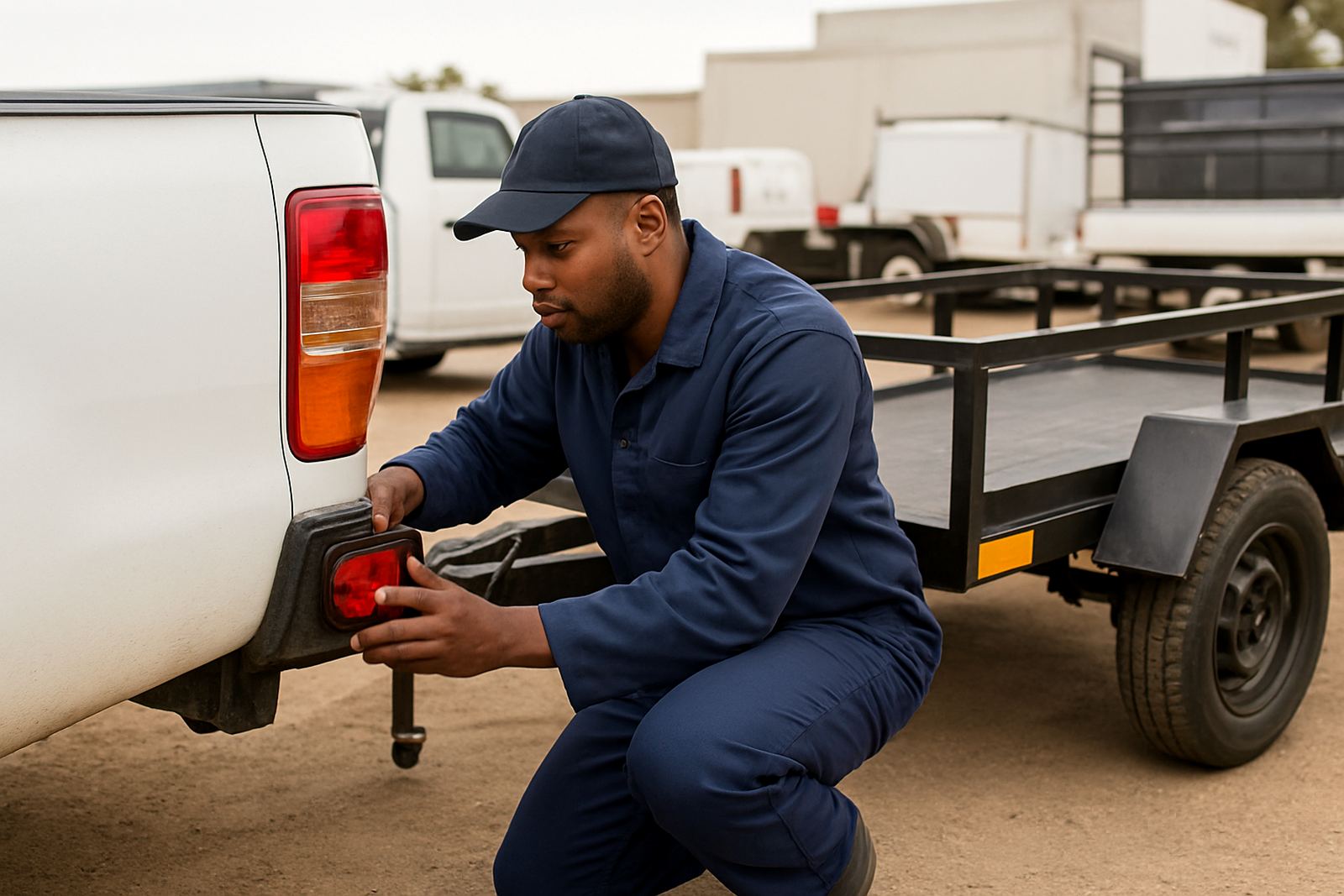
- Check all lights with the ignition on and with the engine running.
- Look for oil leaks, fuel leaks and damp patches under the vehicle.
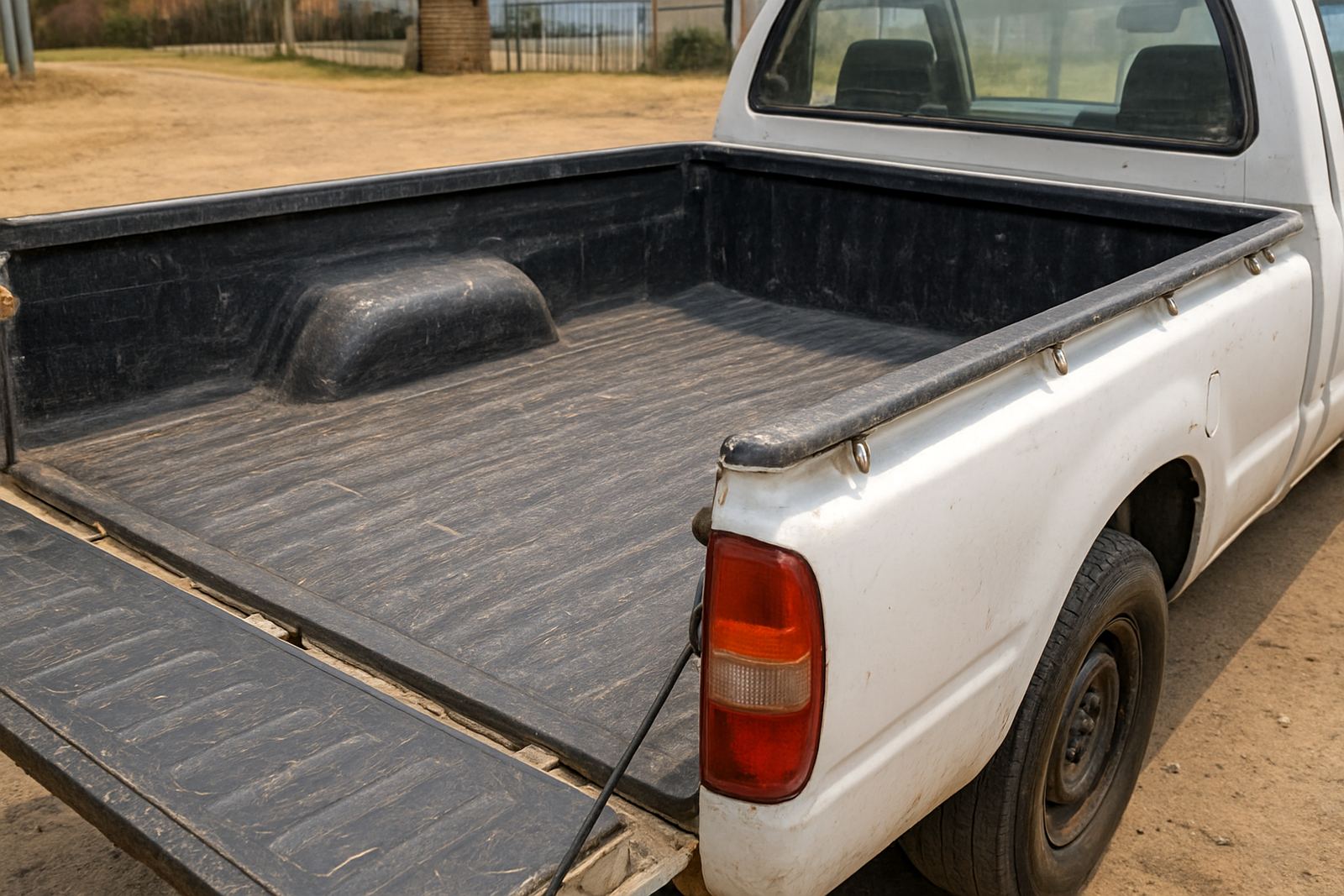
- Make sure the load area is clear enough to show the floor and tie-down points.
Tyres, Brakes And Suspension Need Early Attention
Tyres are one of the first things to sort out because tread, sidewall damage and uneven wear are all easy to see. If a bakkie sits for long periods, tyres can flat-spot or crack. For trailers, the spare wheel must also be serviceable if it is part of the setup. A unit with mismatched tyres can raise questions about care, and that may slow the sale.
Brakes and suspension are worth checking before you spend money elsewhere. Listen for grinding, pull to one side, knocking sounds or a heavy pedal. A bakkie that still pulls straight and stops evenly usually gives a better first impression than one that feels vague on the road. Minor suspension faults also tend to become bigger faults once the vehicle starts doing daily work again.
- Measure tread depth and replace tyres that are close to the limit.
- Check shock absorbers for leaks and broken bushes.
- Test the handbrake on a slope, not just on level ground.
Make The Papers Match The Unit On The Day
Paperwork matters just as much as the mechanical side. Keep the registration papers, licence disk details, and any service records together in one file. If there was a canopy, towbar, spare wheel carrier or canopy lock fitted later, note it clearly. When documents match the unit, it is easier to complete checks and arrange a quicker handover.
For trailers, paperwork can be where sellers lose days. Serial numbers, ownership details and licence status should all line up. If a trailer has been modified for a different load, say so upfront. That includes extra rails, box bodies, cattle side extensions or any home-made frame work that could affect the inspection.
- Keep ID copies, proof of address and ownership details ready.
- Match the engine number or chassis number to the paperwork.
- Check that the licence is current and not blocked by old fines or admin issues.
Small Repairs That Usually Pay Off
Not every fault needs a major spend before inspection. A cracked side mirror, broken globe, loose mudflap or damaged wiper blade is usually worth fixing. These are the kind of details buyers notice quickly, and they can make a used unit feel neglected even when the main structure is sound. A tidy, working vehicle often stands out in a market where many units have had hard use.
Focus on the items that affect safety, presentation and basic function. If the interior is dirty, the load bed stained or the trailer floor splintered, sort those out too. A good clean and a few low-cost repairs can make a real difference, especially for buyers comparing three or four units in one morning.
- Replace blown bulbs, missing caps and cracked lenses.
- Tighten loose steps, handles and seat mounts.
- Clean the battery terminals and check for corrosion around cables.
Photos And Notes Should Tell The Truth
Before a listing or inspection, take clear photos in good light. Show all sides, the tyres, the interior, the load area and any damage that already exists. Do not hide dents or repairs. Honest photos reduce wasted viewing trips and help the right buyer make a decision faster. In busy areas like Kempton Park, Johannesburg and Pretoria, that can save a full day of back-and-forth.
Write down the points a buyer will ask about anyway. Mileage, towing use, recent repairs, accident history, replacement parts and any warning lights should all be easy to share. A short honest note about a known issue is better than trying to explain it later when a buyer arrives and sees it in person.
- Take photos from the corners, not only straight-on.
- Photograph the odometer, licence disk and VIN plate.
- Include close-ups of damage so there are no surprises later.
A Local Example From Spartan To Durban
Take a Spartan bakkie that has been standing through winter with a trailer behind it. The owner may think it only needs a wash, but after a proper check they find one trailer light out, the spare tyre perished, and a rear brake shoe that needs attention. Fixing those items before collection means the unit can move through inspection with less delay and fewer questions from the buyer. It is practical work, not fancy work.
For coastal buyers in Durban, humidity can speed up rust around hinges, bolts and trailer floors. Inland, dust and stop-start traffic put pressure on brakes and cooling systems. That is why the best prep is local and practical, not one-size-fits-all. Check what your area does to the unit, then sort the weak points before anyone arrives to view it.
- Coastal units need extra rust checks under the body and around fittings.
- Inland units should be checked for dust build-up in filters and vents.
- Long-distance delivery units should have wheel bearings and lights checked twice.
Use A Simple Last-Minute Checklist Before Handing Over
On the day of inspection or collection, do one final run-through. Start the engine, test the lights, check tyre pressures and confirm the keys, spare wheel and loose accessories are all together. If the unit has been parked near a workshop or yard, make sure there are no forgotten tools, rags or scrap pieces left inside. It sounds basic, but small misses can slow the handover.
A calm final check also helps sellers answer buyer questions with confidence. When the unit starts, stops and presents well, the process is easier for everyone. That is the aim before roadworthy checks, whether the deal stays in Gauteng or heads further out to Polokwane, Bloemfontein or the coast.
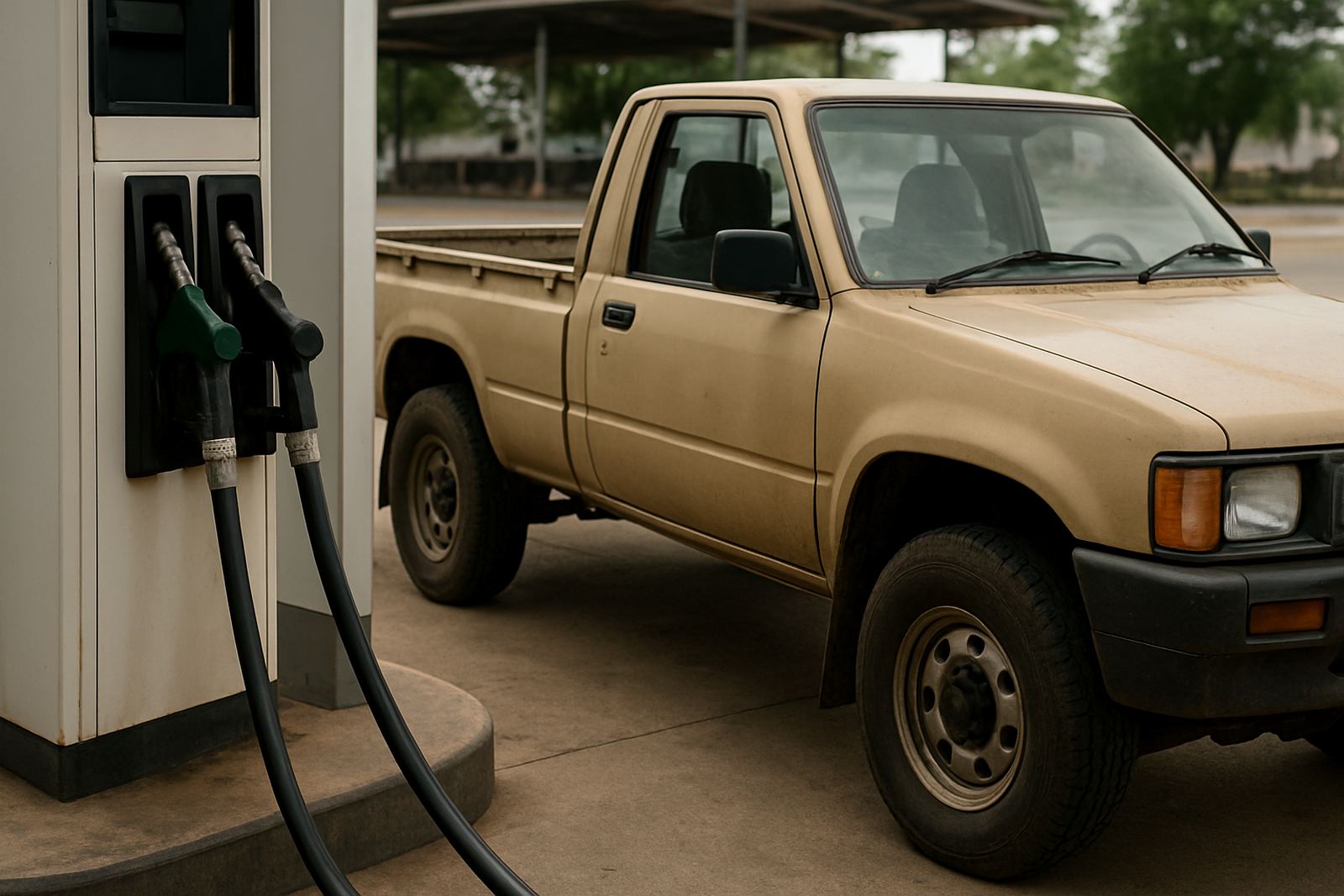
- Fuel enough for testing, but do not overfill if the unit will be transported.
- Remove personal items and old paperwork from the cab or load space.
- Confirm the towball, tools and loose fittings are included if they form part of the sale.