Why towing capacity matters before you hitch up
Towing capacity is the maximum trailer mass a vehicle can pull safely, but that figure only makes sense when you also look at the towbar rating, the vehicle’s gross combination mass, and the weight sitting on the trailer itself. Many people focus on whether a bakkie can move the trailer on a flat road, then forget about braking, hills, crosswinds and emergency stops. That is where trouble starts.
In South Africa, a common mistake is assuming a bakkie that feels strong can tow anything. A half-tonner may handle a small goods trailer, while a heavier bakkie can manage more, but the real answer depends on the actual mass on the day. A loaded trailer that looks tidy can still be over the limit once tools, stock, water tanks or building material are added.
Gross mass, tare mass and payload explained simply
When people say a trailer is “light”, they often mean the empty shell. That empty weight is the tare mass. Add your cargo and you get the gross mass, which is the figure that counts when towing. If you know these three basics, you are already ahead of many first-time buyers.
- Tare mass: the empty weight of the trailer or bakkie, without cargo
- Payload: what you are allowed to add in goods, equipment or luggage
- Gross mass: the total weight once the trailer is loaded
- Tow rating: the maximum weight the towing vehicle is set up to pull
A quick check at the point of sale can save a costly mismatch later. If you are buying a used trailer for weekend work in Kempton Park or deliveries into Pretoria, ask for the mass details before you commit. If the numbers are missing, treat that as a warning sign and rather inspect further.
What the road actually asks of a towing setup
Flat roads are forgiving, but South African driving is not all flat. Gauteng traffic, long freeway stretches, coastal humidity around Durban and steep sections outside Bloemfontein all change how a rig behaves. Wind on an open trailer can push the vehicle around, while bad road surfaces make a heavy load feel even heavier.
Braking is the real test. A trailer that feels stable at 80 km/h can become difficult once you have to stop fast. If the trailer has its own braking system, that must be working properly. If it does not, the towing vehicle carries a bigger share of the stopping job, and that puts more strain on tyres, brake pads and suspension. You can feel the difference quickly when the load is not balanced correctly.
It is worth checking the following before any trip:
- Tyre pressures on both vehicle and trailer
- Wheel bearings, lights and coupling condition
- Load secured so it cannot shift during braking
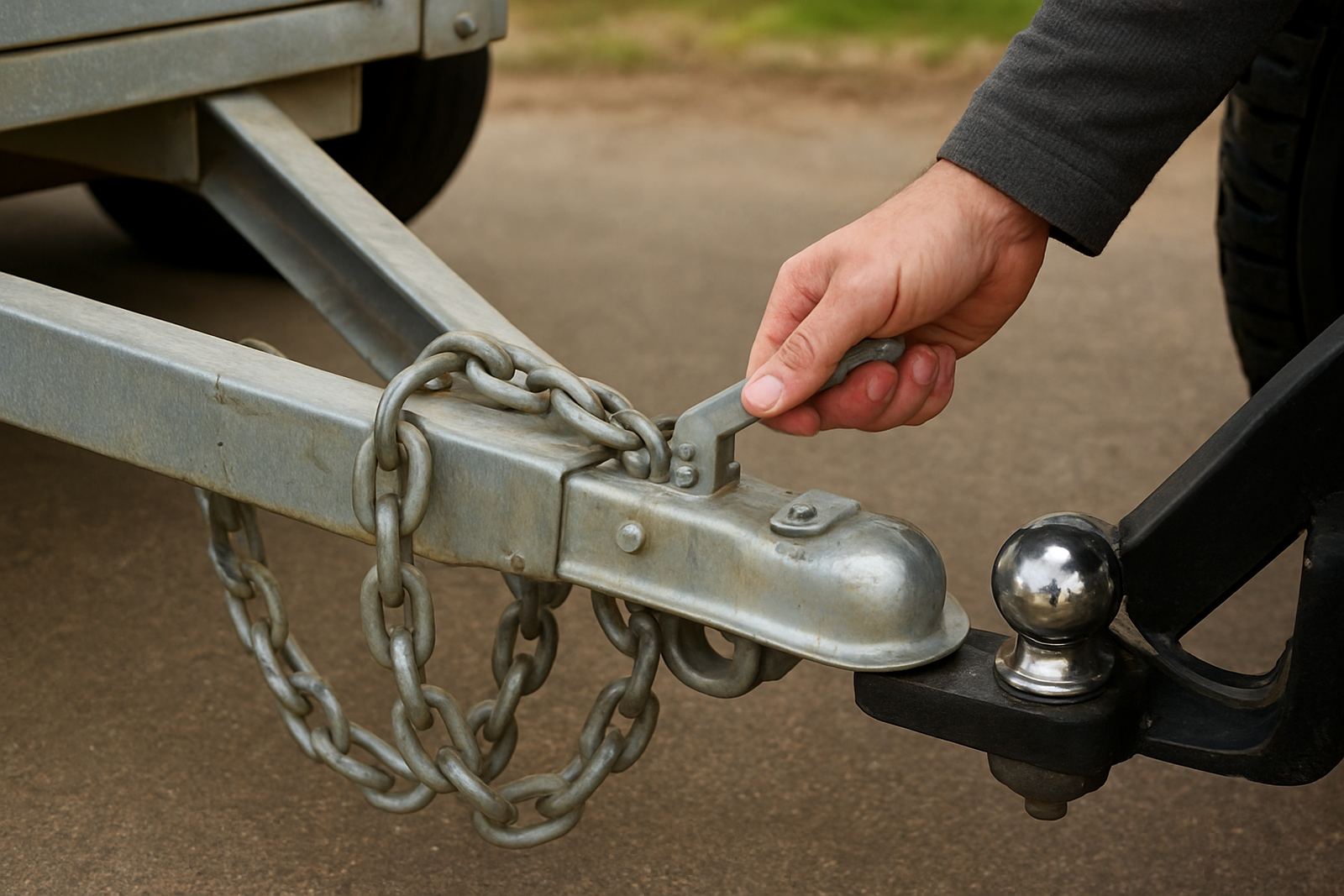
- Safety chain or secondary attachment fitted correctly
- Number plate, reflectors and lights visible after loading
These are not small details. A loose strap or a soft tyre can turn a simple towing job into roadside damage, and sometimes a municipal fine as well.
Matching a trailer to the right bakkie
Buying the cheapest trailer on the yard is rarely the best plan. The right trailer should match the kind of bakkie you already own, the roads you use and the work you do. A handyman in Centurion moving tools and ladders needs something different from a dealer in Johannesburg delivering stock between branches. One loads bulky but light material, the other may need a stronger chassis and better braking setup.
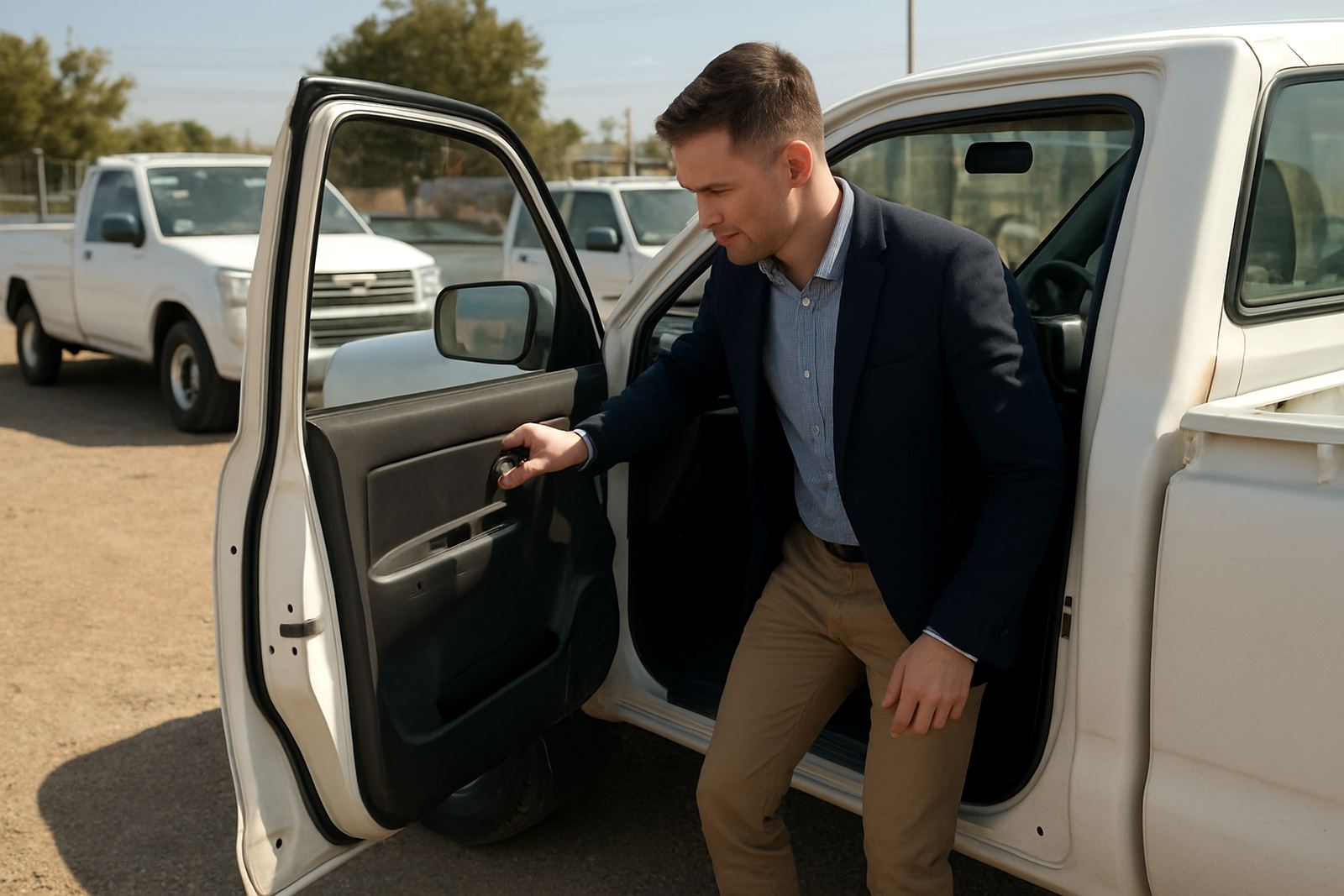
When matching a trailer to a bakkie, look at the whole combination, not just one number. A well-kept used bakkie with a suitable towbar and the right paperwork can be a much better tow vehicle than a heavier-looking option with unknown service history. The same goes for trailers. Condition matters as much as size, and sometimes more.
- Check the towbar plate and the vehicle handbook for towing limits
- Match the trailer length and axle setup to the intended load
- Allow extra margin for hills, stop-start traffic and bad weather
- Choose a trailer that is easy to load evenly from front to back
How to inspect a used trailer before you buy
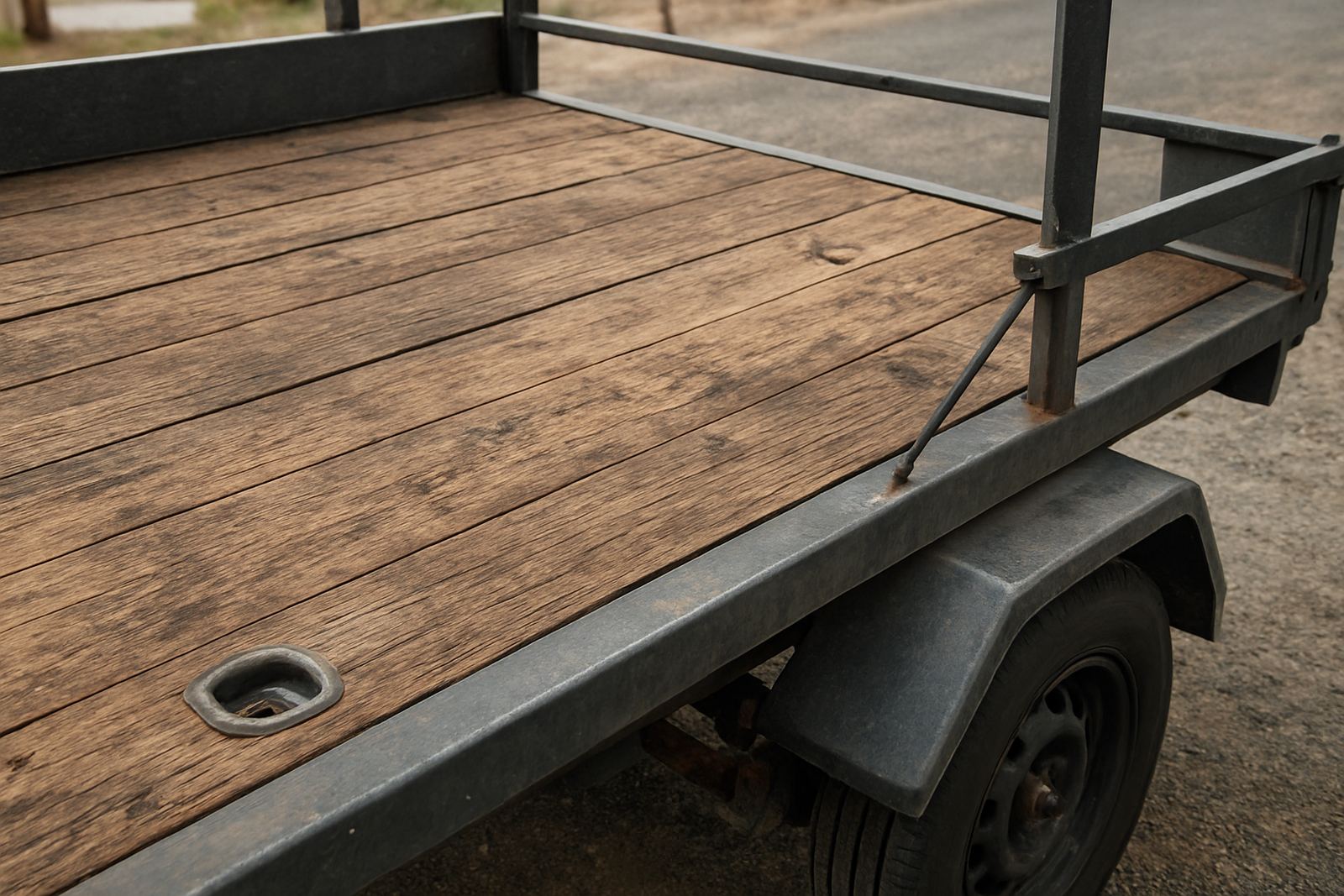
Used trailers can offer good value, but only if the frame, axle and floor are sound. In coastal areas, rust can creep in under paint and around welds, while inland trailers may suffer more from overload and rough roads. If a trailer has been standing in the sun or stored outside, inspect it closely because time and weather leave marks.
Look at the drawbar, coupling, floor boards, lights and suspension mounts. Uneven tyre wear can point to axle issues. Fresh paint can hide repairs, so ask what was done and why. If the seller cannot explain the trailer’s use history clearly, proceed carefully. A clean-looking trailer that was overloaded every week may not be a bargain at all.
For buyers in and around Spartan, Kempton Park, it helps to view the trailer where it was used or stored if possible. That gives a better picture of how it was treated. A trailer used for short urban runs usually tells a different story from one that spent months on gravel roads or behind a busy site vehicle. Small cracks around the welds are worth checking twice, not once.
A local example from Kempton Park to Durban
Picture a small contractor in East Rand buying a used goods trailer for weekly jobs between Kempton Park, Johannesburg and Durban. The trailer looks fine, but the real question is whether the bakkie can tow it safely once it is loaded with tools, cement bags and spare materials. The empty trailer may be light enough, yet the working load may push the combination beyond what is sensible.
In that situation, the buyer should compare the trailer’s gross mass with the vehicle’s tow limit, then check whether the load can be split across trips. A slightly smaller trailer that stays within the tow rating is often the better choice. It may mean one extra trip now and then, but it lowers wear on the bakkie and gives more control in traffic and rain. That is a practical saving, not just a technical one.
For private sellers and dealers alike, this is where clear listings help. A proper condition report, recent photos and honest weight details make it easier for the buyer to make the right call and avoid later arguments.
Simple habits that keep towing safe and legal
Good towing is mostly about routine. Before every trip, slow down and check the basics. You do not need fancy equipment to do it right, just a method that stays the same every time.
- Do a walk-around inspection before leaving
- Spread the load evenly and keep heavy items low
- Test indicators, brake lights and tail lights
- Recheck straps after the first few kilometres
- Leave more stopping space than you would without a trailer
If you are buying, selling or moving a used bakkie or trailer through Buy Those, the same rule applies: the more accurate the information, the better the match. A trailer is not just a box on wheels. It is part of the vehicle combination, and it must suit the road, the job and the law. Get that right and towing becomes a straightforward part of the day, not a gamble.