Why hitch wear matters before the first trip
A tow setup carries a lot more than the trailer itself. It takes the shock of braking, turning, rough roads and the pull of a load that shifts every time you go over a speed hump or hit a pothole. On a used bakkie or trailer, the tow hitch is one of the first places where years of use show up.
Small wear at the hitch can lead to a loose connection, poor alignment or a coupling that does not lock cleanly. That is not just a workshop issue, it can become a road safety issue very quickly. In areas like Kempton Park, Centurion and the East Rand, where trailers often do short repeated runs for business, wear can build up faster than people expect.
If a trailer is used near the coast, rust around the moving parts is common. Inland, you often see dry wear, bent pins and connectors that have been forced in and out too many times. Either way, the signs are usually there if you know where to look.
Couplings that do not seat properly are a warning sign
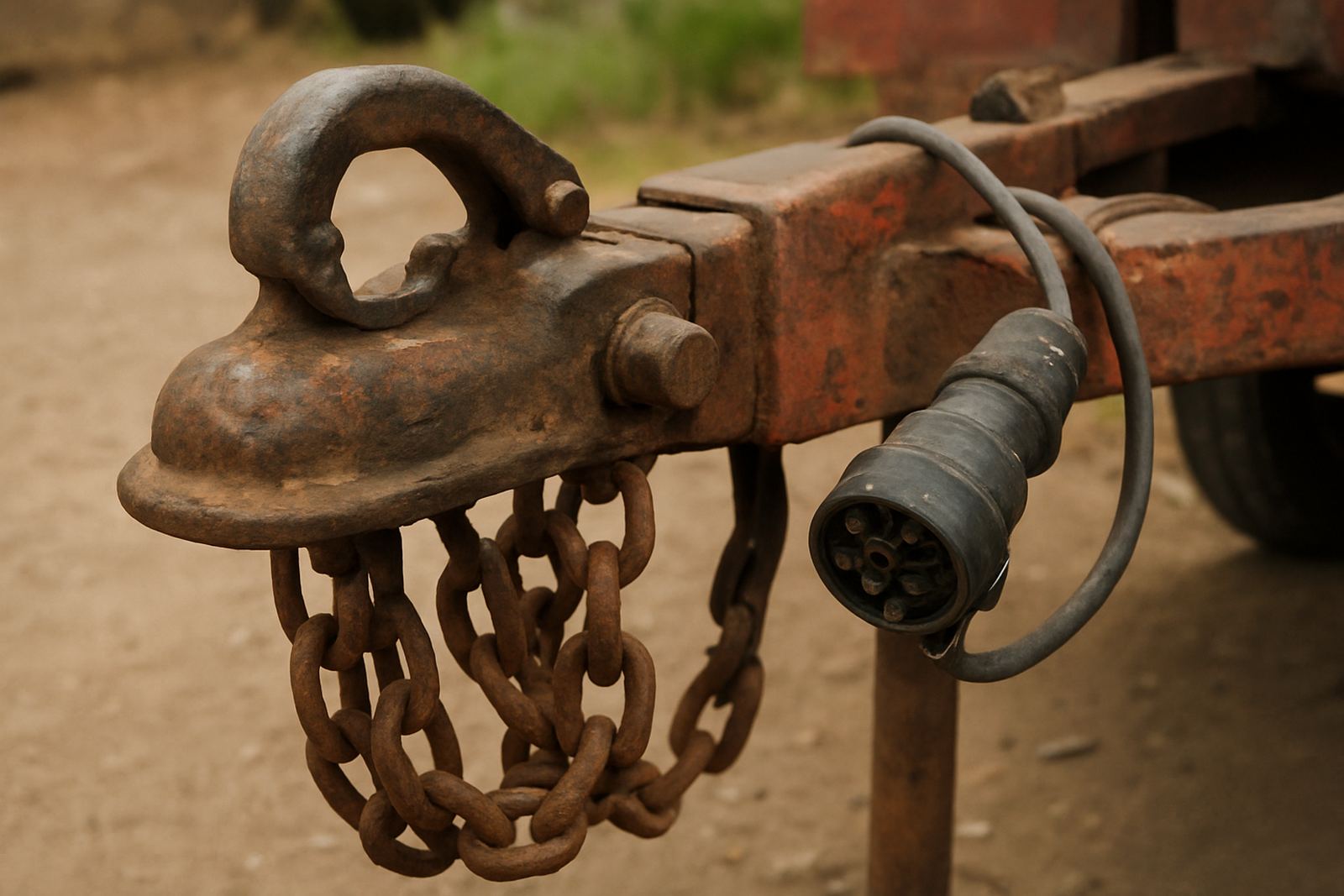
The coupling should lock smoothly onto the tow ball or attachment point without a struggle. If it clamps down with too much play, sits at an angle or needs extra force to close, the parts may be worn. A worn coupling can sometimes still work, but that does not mean it is safe for daily towing.
Watch for these signs on the coupling head and latch:
- Visible cracking around the metal body
- Rust that has started pitting the surface
- A loose latch that rattles
- Wear marks where the coupling has been rubbing unevenly
- Grease that is mixed with grit and dust
It is worth checking whether the coupling has been repaired before. A neat weld is not enough on its own if the metal around it is already thin. If the latch does not return cleanly, or it takes a second try to lock, that hitch should be inspected before the trailer is used on the road.
Chains, safety links and pins need more than a quick glance
People often check the main tow point and forget the chains. That is a mistake. Safety chains are there to keep the trailer attached if the main coupling fails, so any wear in the chain links, hooks or mounting points is serious. Bent hooks and stretched links are common on older trailers, especially where the trailer has been over loaded now and then.
Check the chain points closely. If the mounting holes are oval instead of round, the metal has been working too hard. If the chain has rust in several spots or the links open unevenly, it may no longer be fit for regular use. A pin that fits loosely can also work its way out on rough roads.
- Look for chain links that are thinned by rubbing
- Check for bent or cracked hooks
- Make sure the safety pin or clip is still secure
- Inspect the bracket where the chain joins the trailer frame
On gravel roads outside towns like Polokwane or Bloemfontein, vibration can expose weak chain points very fast. What looks acceptable in a parking yard can shake loose after one long trip.
Electrical connectors often show the first water damage
The plug and socket on a trailer are easy to ignore because they are small, but they matter every time the lights are switched on. If the connectors are corroded, bent or full of dirt, the trailer may have intermittent brake lights, indicators or tail lights. That can turn into a fine or a roadside breakdown.
Look for green corrosion on terminals, cracked plastic casing and loose fitting pins. If the plug has to be taped in place, that is a sign the connector has worn out or been damaged. Moisture gets in quickly when a trailer is stored outside, and coastal humidity makes the problem worse.
Before a viewing or collection, test the lights with the vehicle attached. Check that the indicators flash correctly and that the earth connection is solid. A bad earth can make the lights behave erratically, and in some cases the fault only shows up when the trailer is moving over bumps. That is why a proper test beats a quick static look.
What sellers should clean up before listing a trailer
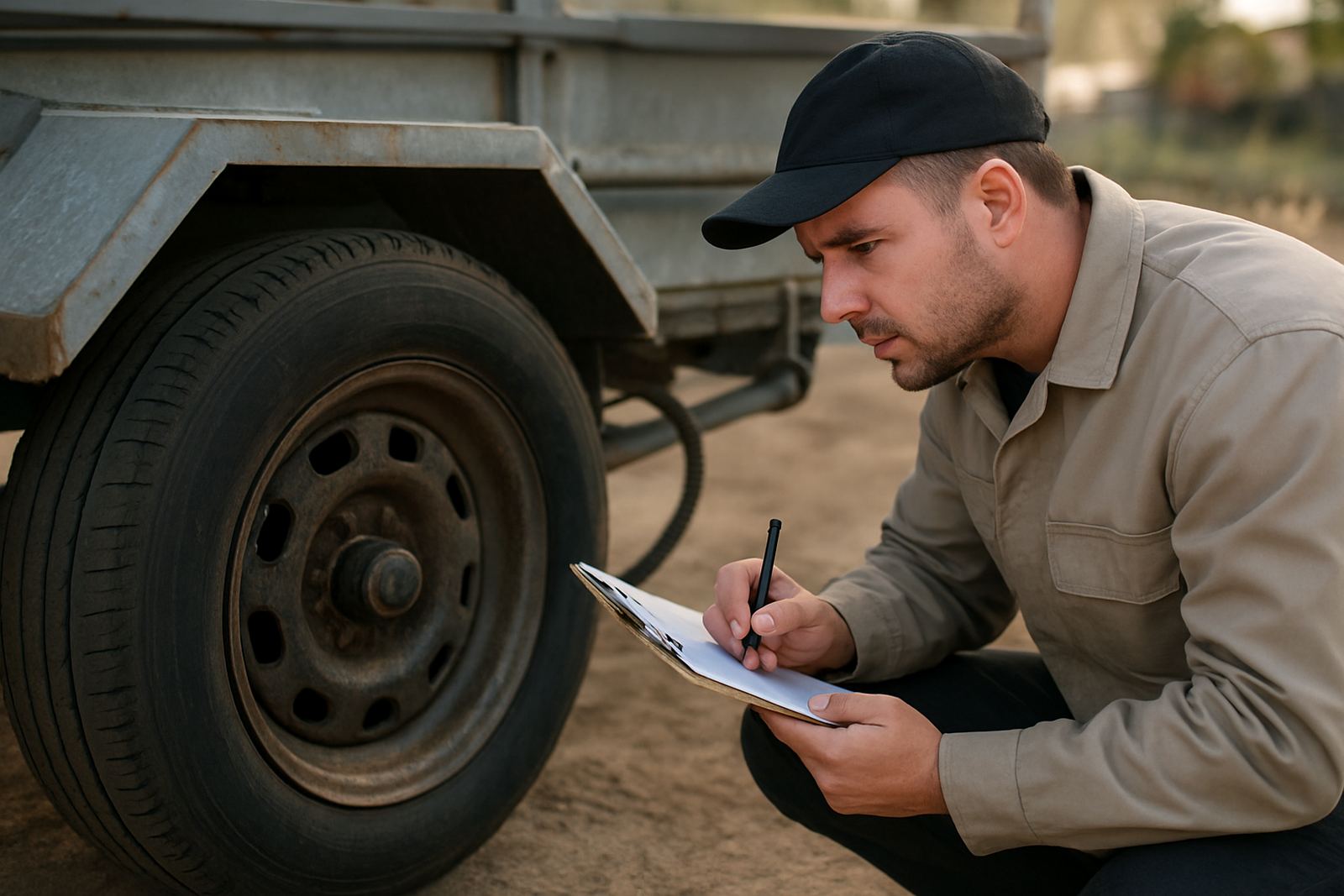
A used trailer or towing setup presents better when it is clean, but cleaning should not hide a fault. The point is to show the condition honestly so buyers know what they are getting. A washed hitch, clear photos and a basic condition report make it easier to agree on price and avoid last minute disputes.
Before listing, sellers should do the following:
- Remove old grease and dirt from the coupling
- Check that all bolts are tight and not stripped
- Test the lock, pin and release mechanism
- Photograph the chains, plug and hitch plate clearly
- Note any rust, cracks or repaired areas
If you are selling through Johannesburg, Pretoria or Durban, buyers will often ask about towing history, load use and whether the trailer has been kept under cover. Clear details save time and help serious buyers make a quicker decision. It also shows that the trailer has been looked after properly, which can make a real difference to the offer.
A Kempton Park example from a real inspection route
A common local case is a bakkie and box trailer moving between Spartan, Jet Park and the broader East Rand for delivery work. The coupling might still latch, but the chain brackets show surface rust and one connector pin has started to loosen. The owner may only notice the issue when the trailer lights flicker on a wet morning or the hitch rattles on the way to a job in Pretoria.
That sort of wear does not always mean the trailer is finished. Sometimes it only needs a replacement connector, new chain hardware or a proper service on the coupling. But if the wear is left alone, the repair bill grows and the trailer becomes harder to trust on busy roads or long runs between cities.
For buyers, this is why a pre-sale inspection matters. For sellers, it helps to know exactly what needs attention before the trailer is shown. A simple report can prevent arguments later and gives both sides a clearer picture of the vehicle's condition.
When to stop using the hitch and get it checked
There are a few signs that should stop a trip straight away. If the coupling will not lock firmly, if the chains are badly corroded, or if the plug keeps cutting out, the trailer should not be towed until it has been checked. A hitch that makes a grinding noise when turning or shows movement between the parts also needs attention.
Use this quick final check before any collection or delivery:
- Does the coupling lock and release smoothly?
- Are the chains secure and not stretched?
- Do the lights work on every connection?
- Is there rust, cracking or bent metal around the hitch?
- Does the trailer sit level when attached?
If any of those answers are uncertain, get it inspected before loading. Tow hitch wear is one of those problems that starts small and gets expensive when ignored. A careful check now can save time, money and a lot of hassle on the road.