Why gravel road history matters on a used vehicle
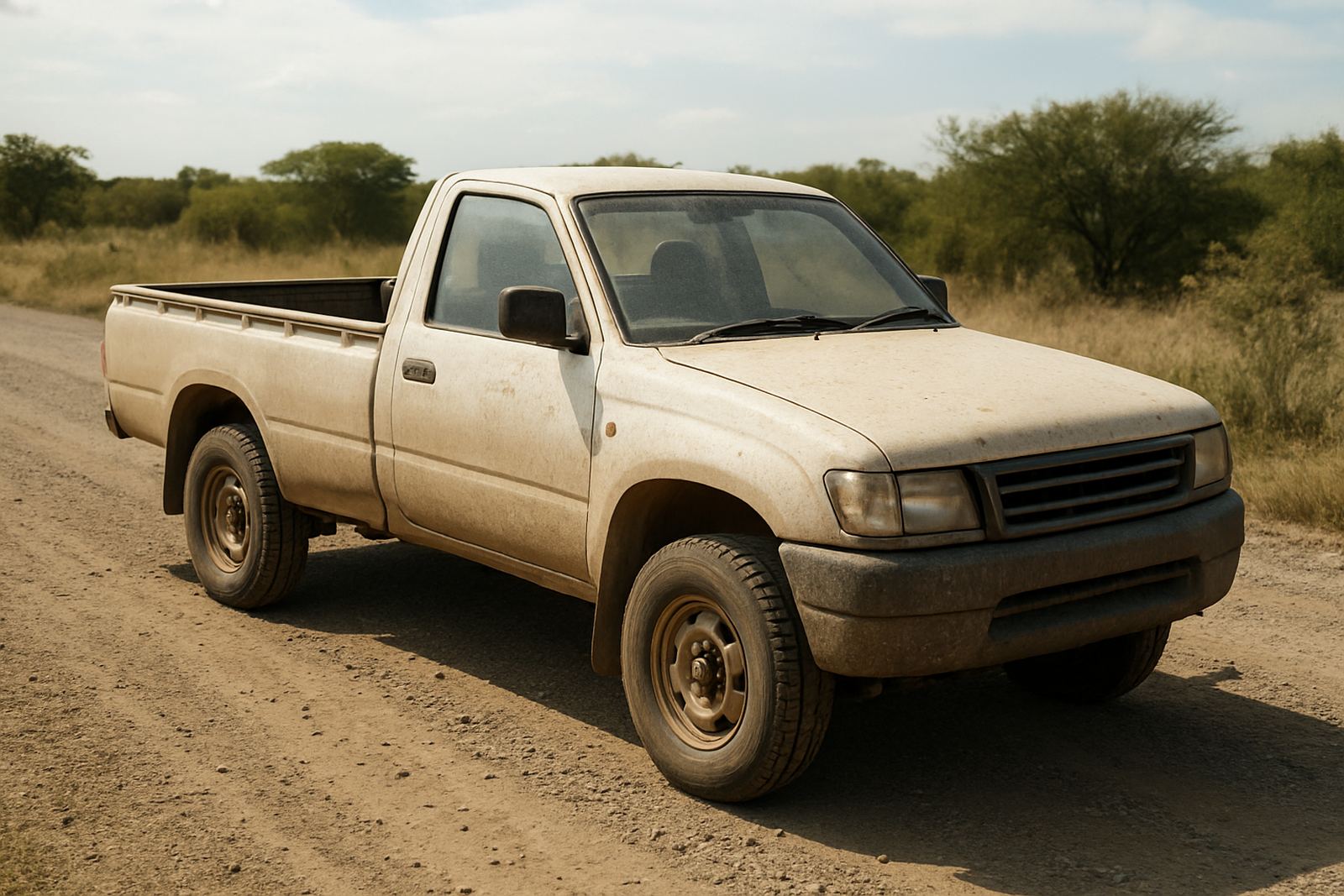
A vehicle that has spent time on gravel often looks neat at first glance, but the road surface can leave clues in places many buyers skip. Dust gets into hinges, suspension joints, air filters, wheel bearings and trim gaps, while stones can chip paint, glass and underbody parts. A bakkie used between Kempton Park and rural properties around Bronkhorstspruit or up towards the Limpopo side may have done steady work without obvious abuse, yet the wear pattern can still tell a story.
It is not only about rough roads. Repeated corrugations, potholes, washouts and loose sand can affect alignment, tyre wear and load carrying. If the seller says the vehicle was mainly on gravel, that should guide your inspection, not worry you on its own. The key is to check whether the wear matches the claimed use or if there are signs of heavier damage underneath.
The body and underbody clues that gravel leaves behind
Start outside and work low down. Gravel use often shows up first on paint, bumpers, mudguards, wheel arches and the front edge of the bonnet. Small chips are common, but heavy pitting or fresh paint on one panel can point to more than normal road wear. Underneath, look for dents on the sill edges, bent brackets, scraped brake pipes and loose heat shields. If the vehicle was used in wet weather, mud trapped under the body can also hide corrosion.
- Stone chips on headlights, fog lights and the leading edge of the bonnet
- Scratches on lower doors, side steps and load bin corners
- Damage to sump guards, crossmembers and exhaust brackets
- Rust starting around stone chips, seams and welded joints
- Loose clips, broken splash guards or missing fasteners
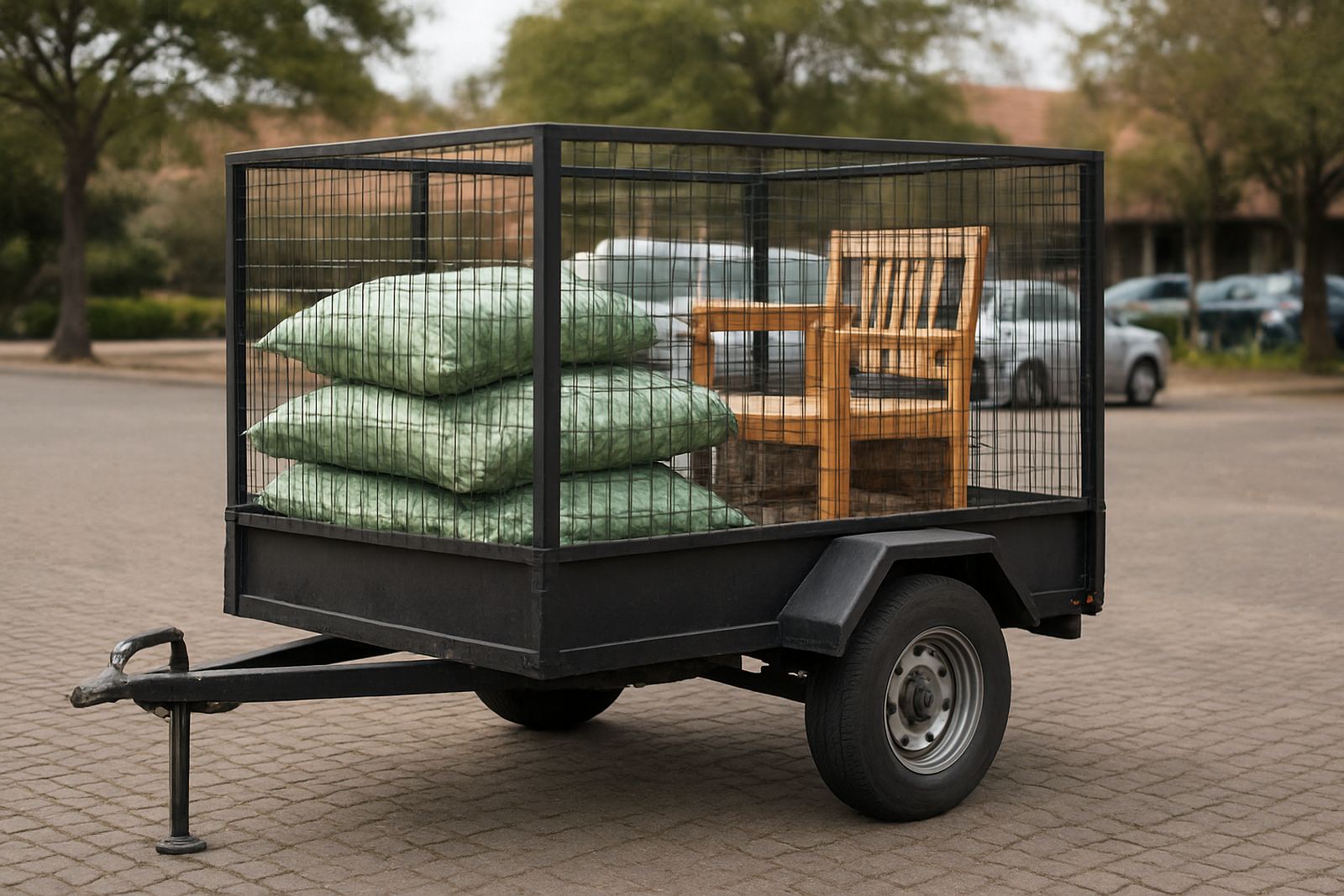
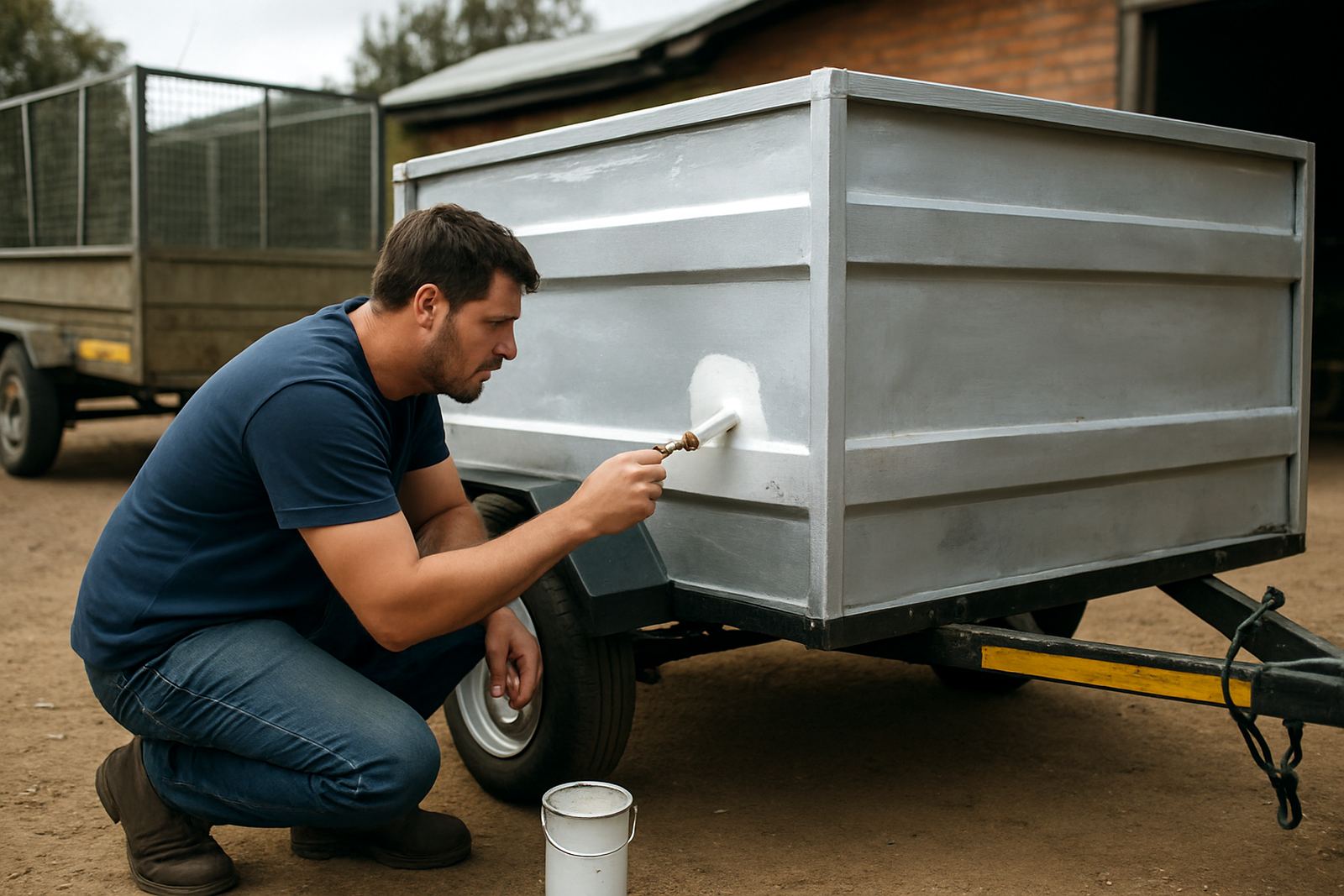
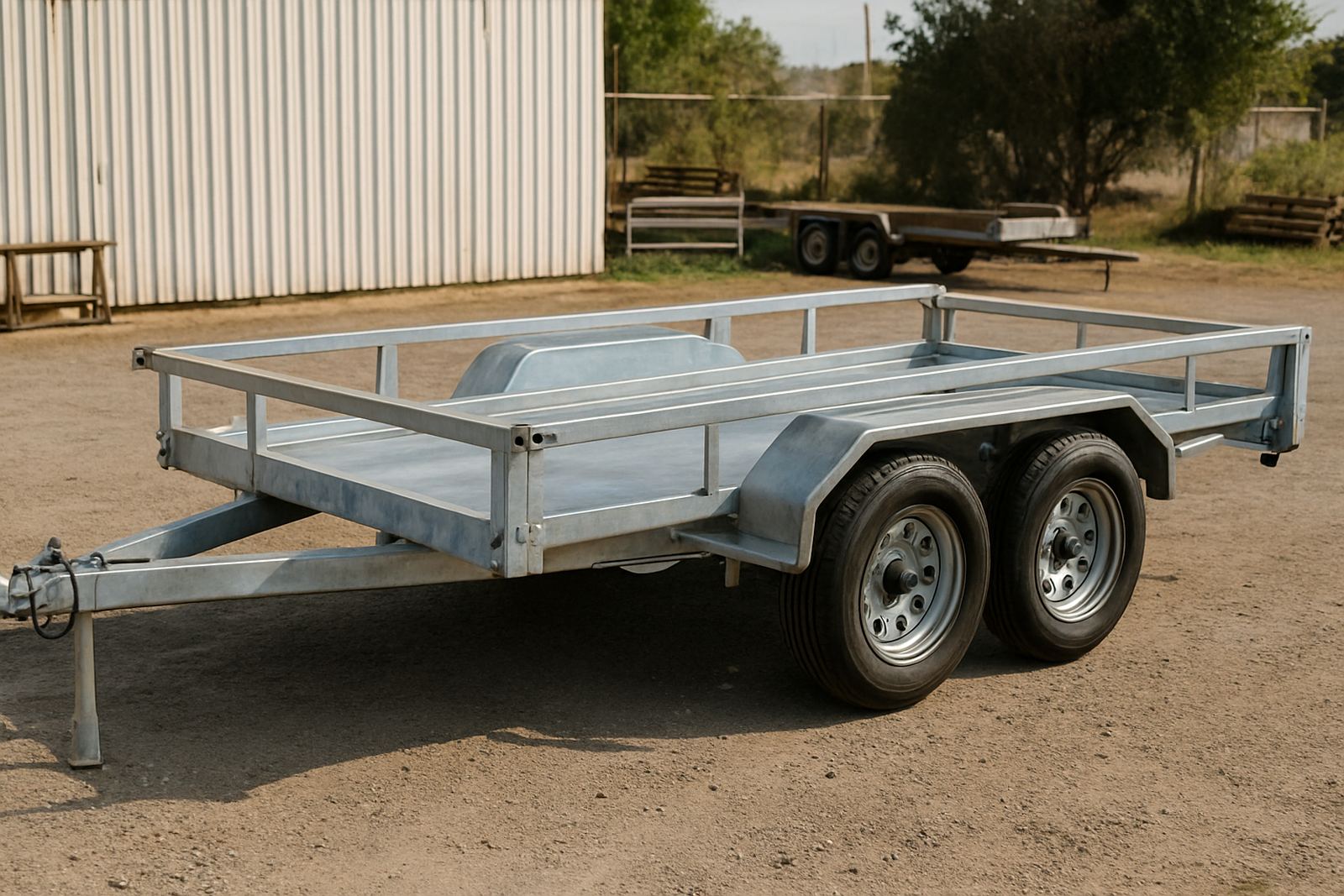
If a trailer has done regular gravel work, inspect the frame near the coupling, axle mounts and floor supports. A trailer that has bounced for years on corrugated roads may still tow straight, but cracked welds or bent light mounts can become a problem when loaded.
Suspension, steering and tyre wear tell the real story
Gravel roads put extra strain on suspension and steering parts, even when the driver has been careful. On a used bakkie, uneven tyre wear can point to alignment issues, worn shocks or tired bushings. Listen for rattles over small bumps and check whether the steering feels vague or pulls to one side. A vehicle that spends time on rural roads often has more wear in ball joints, tie rods and shock absorbers than one used mainly in town.
Tyres matter as well. Gravel use can cut sidewalls, bruise tyres from the inside and wear the edges if the alignment has gone out. A full set of matching tyres with even tread wear is a good sign, but mismatched tyres or one almost new spare can suggest the vehicle has been patched up instead of maintained. That is worth a closer look, because it may hide a rough usage pattern.
- Shock absorbers leaking oil or sitting unevenly
- Clunking noises from the front end over corrugations
- Steering wheel vibration at speed on tar after gravel use
- Inside or outside edge tyre wear from poor alignment
- Broken or sagging springs on vehicles that carried loads
What the cabin can reveal about hard use
Inside the cab, repeated dust exposure leaves its own evidence. Gravel road vehicles often have fine dust in seat tracks, door seals, air vents and under floor mats. Switches, window winders and door handles can feel loose if the vehicle has been used daily by many hands. Check whether the air conditioner blows clean and whether the cabin filter has been kept up to date, because dust build-up can cause poor airflow and bad smells. It is a small thing, but it says a lot about how the vehicle was treated.
Look at the load area too. A bakkie used on gravel for building materials, tools or farm supplies may have scratches in the bin liner, bent tie-down points and scuffed tailgate hinges. These are not deal breakers on their own. What you want to avoid is a vehicle that looks tidy above but has cracked trim, soaked carpets or signs of water entry from repeated dust and rain infiltration. That kind of mixed wear can mean the vehicle was not cared for properly.
How to ask the right questions before you buy
Good questions often tell you more than a long inspection. Ask where the vehicle was used, how often it drove on gravel, whether it carried tools or heavy cargo, and if the suspension or tyres have been replaced recently. If the seller can explain the use pattern clearly, that helps you judge the condition with more confidence. A straight answer about regular farm roads in the Free State or delivery work between Durban and inland areas is often better than a vague story with no detail.
- Was the vehicle used mostly empty or under load?
- Did it travel on gravel daily, weekly or only occasionally?
- Have the shocks, bushes or wheel bearings been replaced?
- Was any underbody protection fitted, and was it repaired after impact?
- Are service records available for filters, alignment and tyre changes?
Buyers usually make better decisions when the seller's answers line up with the condition in front of them. A clean vehicle with clear records is easier to trust than one with a polished body and no proper history, even if the mileage looks lower.
A Kempton Park example: short routes, long wear
Take a typical case from our work around Spartan in Kempton Park. A seller brings in a used bakkie that has done short runs between job sites in Johannesburg, Pretoria and out to service yards on the outskirts. On paper, it sounds like light work. But the inspection shows chipped front paint, dusty vents, slightly uneven front tyres and small dents under the sill. None of this is unusual, yet it tells you the vehicle has spent time on mixed surfaces and may need attention sooner than a similar-looking tar-road unit.
That is the value of reading the signs. Gravel road use does not automatically mean a bad buy, but it does mean you should budget for wear parts and check the underbody properly. If the seller has maintained the vehicle well, the signs will line up with the story. If they do not, you may be looking at hidden costs after purchase. In a market where every rand counts, that sort of check can save you from a costly surprise.
For private sellers and dealers across South Africa, from Centurion to Polokwane and Durban, the same rule applies: let the road history guide the inspection. The vehicle does not have to be perfect, just honest in the way it has been used.