Start With the Jobs Your Trailer Must Handle
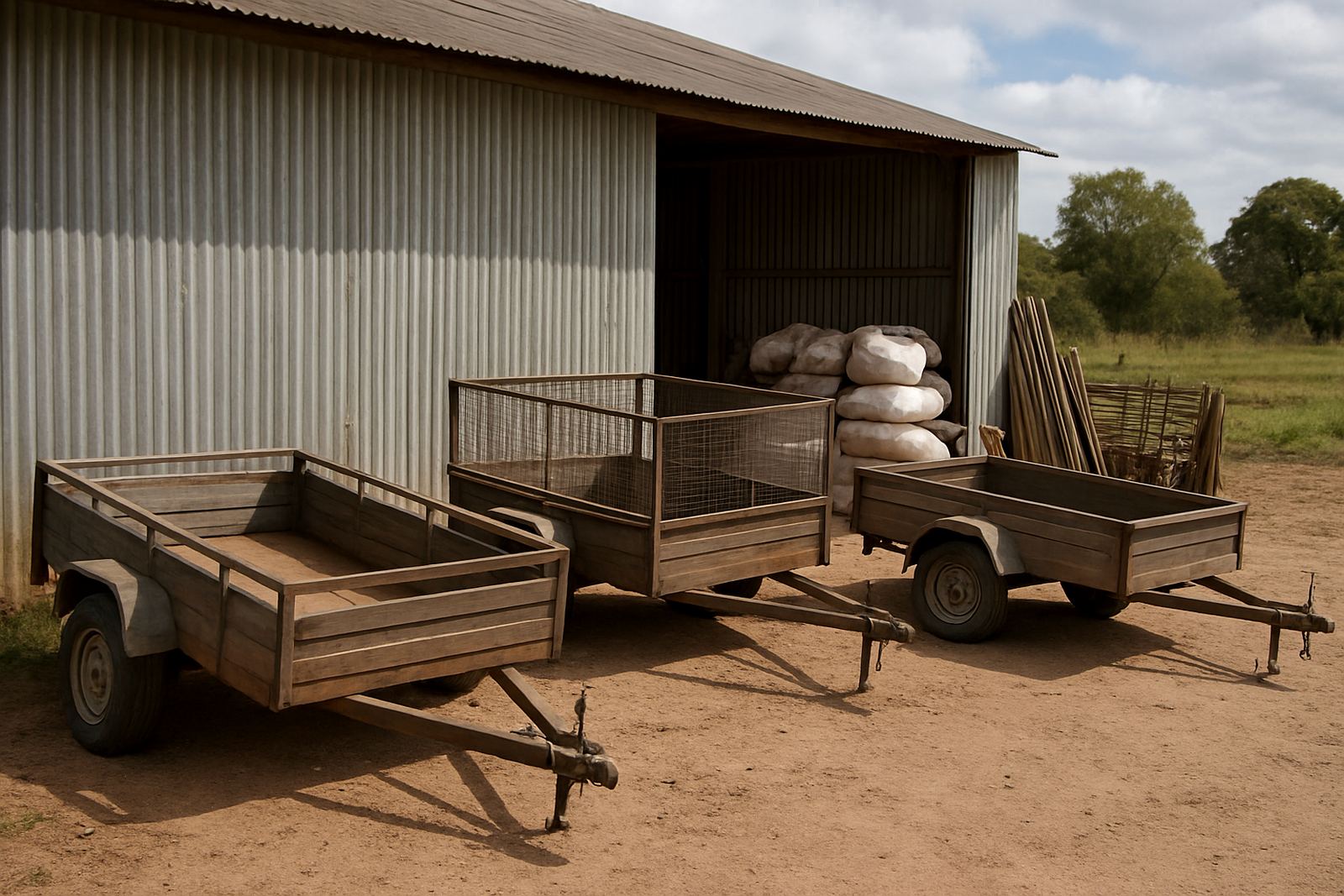
On a small farm, one trailer usually has to do many jobs. It might carry feed one day, fence posts the next and crates of produce on a Saturday. Before you choose a trailer, write down the four or five tasks it will do most often. That makes it easier to decide between a flatdeck, livestock trailer, tipper style or enclosed unit.
For light-duty farm work around Kempton Park, Centurion or the East Rand, a simple flatdeck often gives the best value. It is easy to load with bags, drums, seed, boxes and general tools. If the farm has uneven ground or muddy access roads, stronger axles and a practical ground clearance matter just as much as the deck size.
- Feed and fertiliser sacks
- Fence poles, wire and tools
- Produce crates and harvest bins
- Water tanks or drums
- Small machinery and spare parts
Flatdeck Trailers For General Farm Work
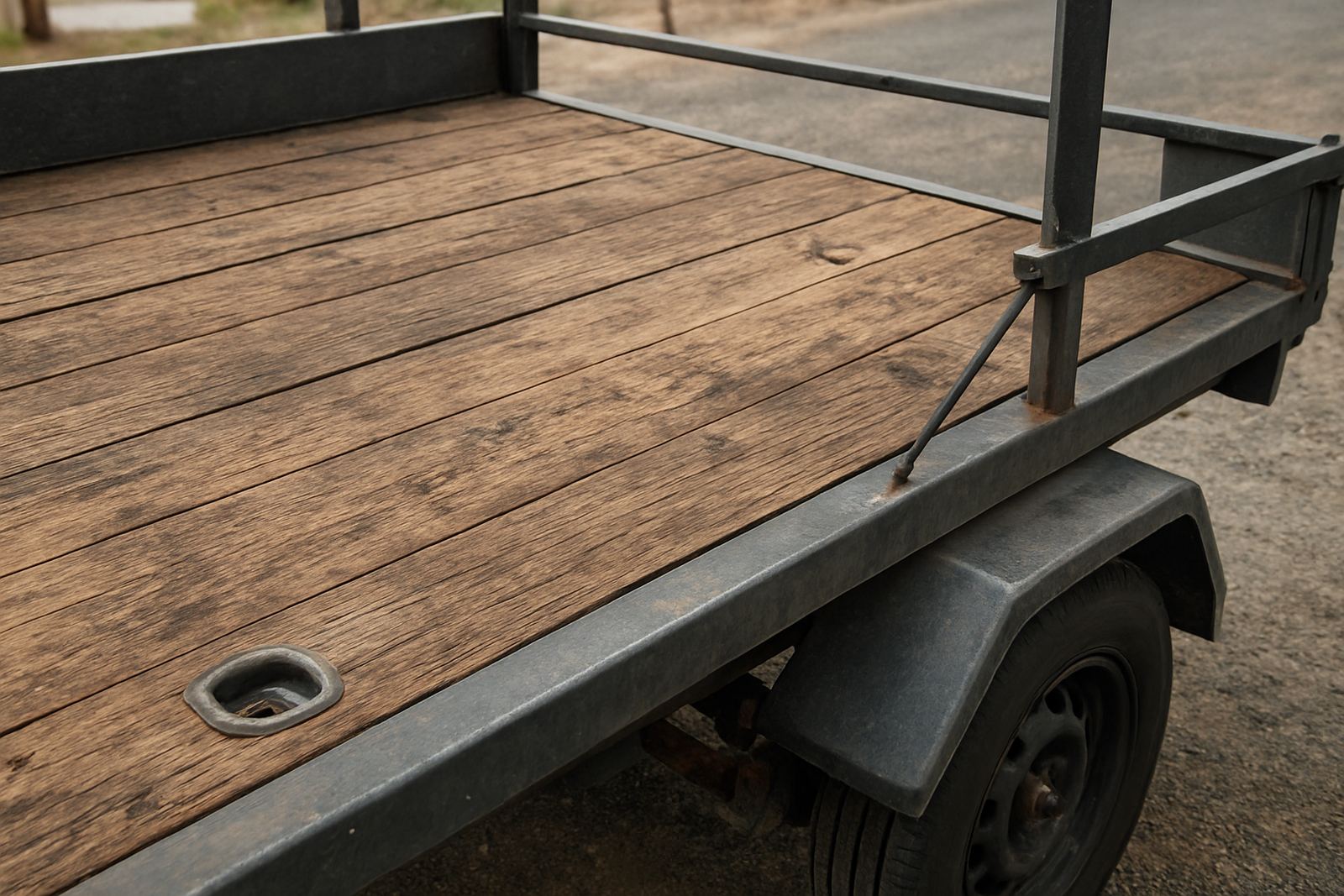
Flatdeck trailers suit farms that need a simple all-rounder. They are easy to strap down and simple to clean after hauling soil, compost or feed. For many buyers, this is the first trailer to consider because it can move awkward loads without too much fuss. If the trailer will be parked outdoors, look for a finish that can handle sun and rain, especially in coastal areas like Durban where humidity can work on metal over time.
A flatdeck works well when you need flexibility. You can add removable sides for loose items, or use tie-down points for machinery and barrels. It also makes loading easier if you have a small tractor, forklift or even a manual ramp. Just make sure the deck length matches the longest item you carry, otherwise you end up leaving gates half open and that is never ideal on a busy farm morning.
- Best for mixed loads and general use
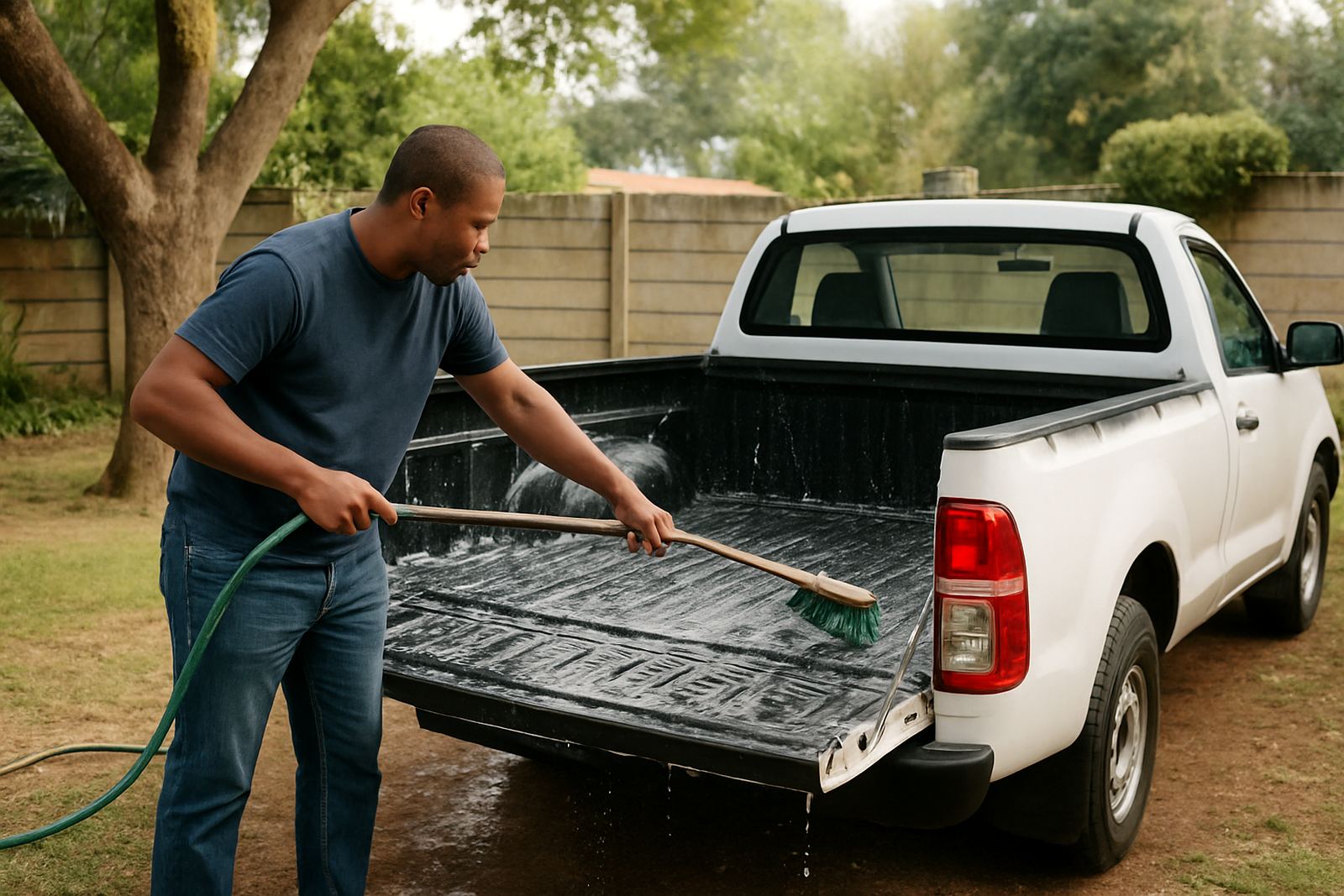
- Easy to wash down after dirty jobs
- Works with straps, nets and removable sides
- Good option for farmers who need one trailer to do many tasks
Livestock Trailers Need Secure Ventilation And Calm Loading
If you move goats, sheep or calves, a livestock trailer is worth serious consideration. The main priorities are safe loading, good ventilation and secure sides that reduce stress on the animals. A sloped ramp, non-slip floor and proper latches make daily use easier and safer. In hot inland conditions around Bloemfontein or Polokwane, airflow is not a luxury, it is part of the job.
Some farms use a small livestock trailer only for short trips between grazing camps or to a nearby auction. Others need a larger unit for vet visits and market runs. Think about the height of the animals, the width of the loading gate and whether you need partitions inside. A trailer that is too small becomes risky fast, while one that is too large can be awkward to tow on tight farm roads.
- Choose a floor that is strong and easy to inspect
- Check that gates open and close without strain
- Allow space for calm movement, not crowding
- Use secure catch points for regular loading and unloading
Tipper And Dump Trailers Suit Soil, Manure And Heavy Clearing
When the work involves sand, manure, stones or green waste, a tipper trailer can save many hours of hand unloading. For small farms, this style makes sense where there is regular clearing or maintenance work. It helps with drainage clean-outs, compost movement and carrying soil to patch up washed-out areas after heavy rain.
The tipping mechanism should be simple enough to use without wasting time. If the trailer will operate during power cuts or on farms with limited power, a manual or hydraulic setup that matches your equipment is important. Also check the weight rating carefully. A trailer that is overloaded on rough ground wears out quickly and can damage tow vehicles too. That creates extra costs nobody needs.
- Useful for soil, rubble and manure
- Handy for clearing cut branches and plant waste
- Good on farms with regular maintenance work
- Check tipping angle and stability before buying
Smaller Utility Trailers Help With Tools, Water And Daily Runs
Not every farm trailer needs to be large. A compact utility trailer can handle daily chores that would otherwise eat into the day. Think water drums, tool boxes, irrigation parts, seedlings and fuel cans. For smallholdings near Pretoria, Centurion and the northern parts of Johannesburg, these trailers are often the most used item on the property.
Because they are smaller, they are easier to park, easier to tow and simpler to use on narrow access roads. They also suit farm owners who work across more than one site and need something quick to hitch and go. If the trailer has good lights, secure mudguards and a reliable coupling, it can become the one piece of equipment you use almost every week.
- Light enough for frequent short trips
- Easy to store in tight spaces
- Useful for spare parts and workshop runs
- Ideal for mixed errands between the farm and town
What To Check Before You Buy A Used Farm Trailer
Used trailers can offer real value, but only if they are checked properly. Look closely at the frame, drawbar, floor, welds, tyres and bearings. Rust around joints, bent sections and uneven tyre wear usually point to hard use or poor maintenance. Ask how the trailer was stored, whether it sat outside all year, and if it was used on farms, building sites or road trips. Those uses put very different stress on a trailer.
It also helps to inspect the paperwork and make sure the trailer suits your towing vehicle and licence requirements. If the trailer is going to be used across Gauteng, the Free State or KwaZulu-Natal, factor in long-distance towing and changing road conditions. A trailer that looks fine in a yard may still shake badly on corrugated farm roads, so a proper inspection matters more than shiny paint.
- Check tyres for cracking, not just tread depth
- Inspect the chassis for bends and rust
- Test lights, coupler and safety chains
- Confirm the load rating matches your actual work
Private sellers and dealers across South Africa use Buy Those for listings, inspections, buyer matching and delivery arrangements. From Spartan in Kempton Park to Johannesburg, Pretoria, Polokwane, Bloemfontein and Durban, our team can help match the right trailer to the right job so farmers do not waste time on the wrong size or type.