Start With The Parts Buyers Notice First
When a buyer walks up to a used work bakkie, they notice the cab, load bin, tyres, glass and the way the doors shut. Those details tell a story before the engine is even started. If the bakkie is full of dust from sites around Kempton Park or has been parked through winter in Centurion, a basic clean can make a real difference.
Begin with the obvious areas. Remove loose rubbish, empty the door pockets, and clear out old receipts, bottles and cable offcuts. Then wipe the steering wheel, gear lever, dashboard and door trims with a damp cloth and mild cleaner. A clean cab makes the vehicle feel better cared for, even if it has hard working mileage.
For sellers who are listing through our team in Spartan, this is often the quickest win. A buyer comparing two similar bakkies will usually choose the one that looks sorted, not the one that smells dusty and has mud on the floor mats.
Wash The Outside Without Hiding Real Condition
Good cleanup is not about covering defects. It is about showing the bakkie honestly, just in better light. Wash the bodywork, wheels, mirrors and bumpers, then dry the paint properly so water marks do not spoil the finish. A clean exterior helps buyers see the true colour and shape of the vehicle, especially in bright Gauteng sun.
Pay attention to the grille, wheel arches, side steps and the rear of the cab where road grime tends to build up. If the bakkie has been running between sites in Johannesburg and Pretoria, there will often be tar spots, brake dust and patches of red dust that need extra effort. Use a gentle method so you do not scratch the paint or mark the plastic trim.
- Wash from top to bottom so dirt does not run over clean panels.
- Rinse wheel arches and underbody areas where mud collects.
- Dry mirrors and window rubbers so there are no streaks in photos.
- Do not polish over dents, chips or rust, buyers will spot them anyway.
Make The Load Bin Look Useful, Not Neglected
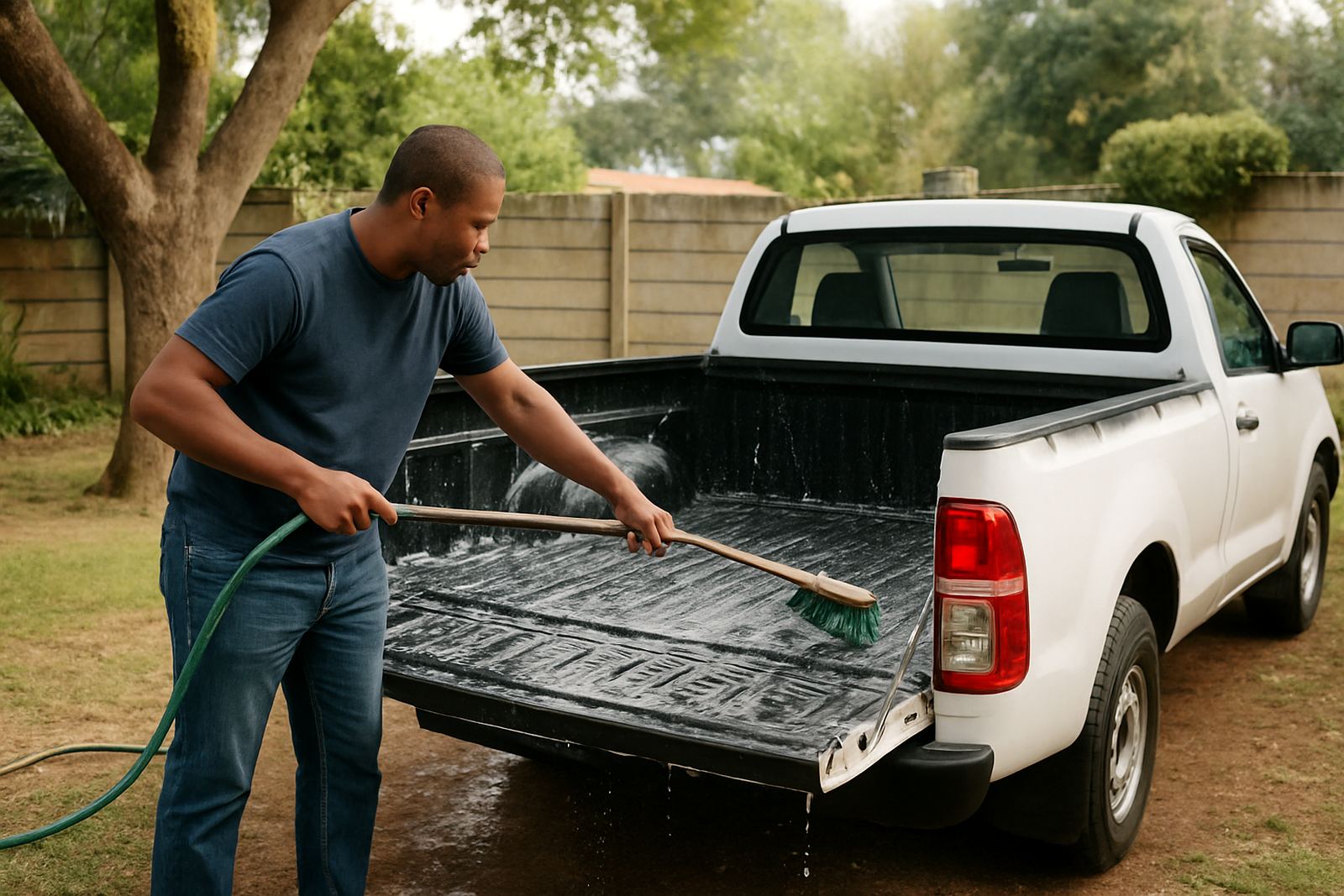
The load bin matters more on a work bakkie than on most passenger vehicles. Buyers want to see whether it has been used properly or abused. A quick sweep out of stones, sand, sawdust and old straps helps the bin look usable. If there is a rubber mat, lift it out and wash underneath. If there is a canopy, clean the windows and hinges so it opens without a fight.
Minor scratches in the bin are normal on a working vehicle. Deep dents, cracked liners or bent tailgates should not be hidden. Rather clean the area well and let the condition speak for itself. A tidy bin tells the buyer they are looking at a vehicle that has done work, not one that was left to rot between jobs.
For trailers and bakkies moving goods around Durban, coastal moisture can leave surface rust on fasteners and corners. Wipe those areas dry after washing. It is a small step, but it helps prevent that damp smell and keeps the vehicle looking more respected.
Take Care Of Small Mechanical Signs Before Viewing
You do not need a full mechanical recondition for a basic cleanup, but small signs of neglect can put buyers off quickly. Check oil drips under the engine, top up washer fluid, and make sure all lights work. If a dashboard warning light is on, be honest about it and explain what is known. A clean vehicle with obvious warning lights still feels unfinished.
Tyres should be inflated correctly and have even wear where possible. If a spare wheel is present, make sure it is usable and not buried under tools and scrap. Buyers in places like Bloemfontein often look closely at tyres because they know road trips, gravel roads and carrying loads will test them. A neat engine bay also helps, but only if it is cleaned lightly and not sprayed with oily shine products that mask leaks.
- Check tyre tread and sidewalls for cuts or bulges.
- Top up fluids and confirm the battery is secure.
- Test indicators, brake lights and reverse lights before any viewing.
- Wipe dust from the engine bay, but do not pressure-wash sensitive parts.
Photo Ready Means Clean Edges And Honest Angles
If you are sending photos for a listing, cleanup should be aimed at what the camera will catch. Park the bakkie where the light is even, then clean the windows inside and out so reflections do not distract from the vehicle. Straighten mats, fold seats properly and remove any personal items. A cluttered cab looks smaller and less cared for.
Take a closer look at the details buyers zoom in on. Door seals, seat fabric, roof lining and the rear window all show whether the bakkie has been cleaned recently. A quick vacuum is usually not enough if the vehicle has been used for site visits or farm runs. A proper wipe down and a careful sweep can change how the whole vehicle presents in photos.
One simple trick is to photograph the bakkie after cleaning but before the next job starts. If the vehicle goes straight back to hauling materials, mud and dust will undo the effort by the afternoon.
A Local Example From Kempton Park
We often see this with bakkies coming out of the East Rand. A small contractor in Kempton Park may have a solid vehicle that works hard every day, but the first viewing can still go better if the cab is cleared, the bin is swept out and the tyres are washed. Buyers are less concerned with a bit of honest wear than with dirt that suggests poor care.
In one common situation, a bakkie used for deliveries between Pretoria and Johannesburg arrives with dust on the dash, old straps in the bin and dried mud on the tailgate. After a basic cleanup, the same vehicle looks far more presentable. The buyer can then focus on the service history, condition report and asking price instead of being distracted by grime. It is a simple step, but it often helps the sale move faster.
That is why sellers across Centurion, Polokwane and Durban are often advised to do the basics first. A clean vehicle is easier to inspect, easier to photograph and easier to price properly.
Keep The Cleanup Practical, Not Overdone
The aim is to present the work bakkie well, not to make it look false. Avoid heavy perfumes, glossy sprays on the dash, or thick tyre dressings that look overdone. These products can make a buyer wonder what is being hidden. A practical cleanup should feel natural, neat and believable.
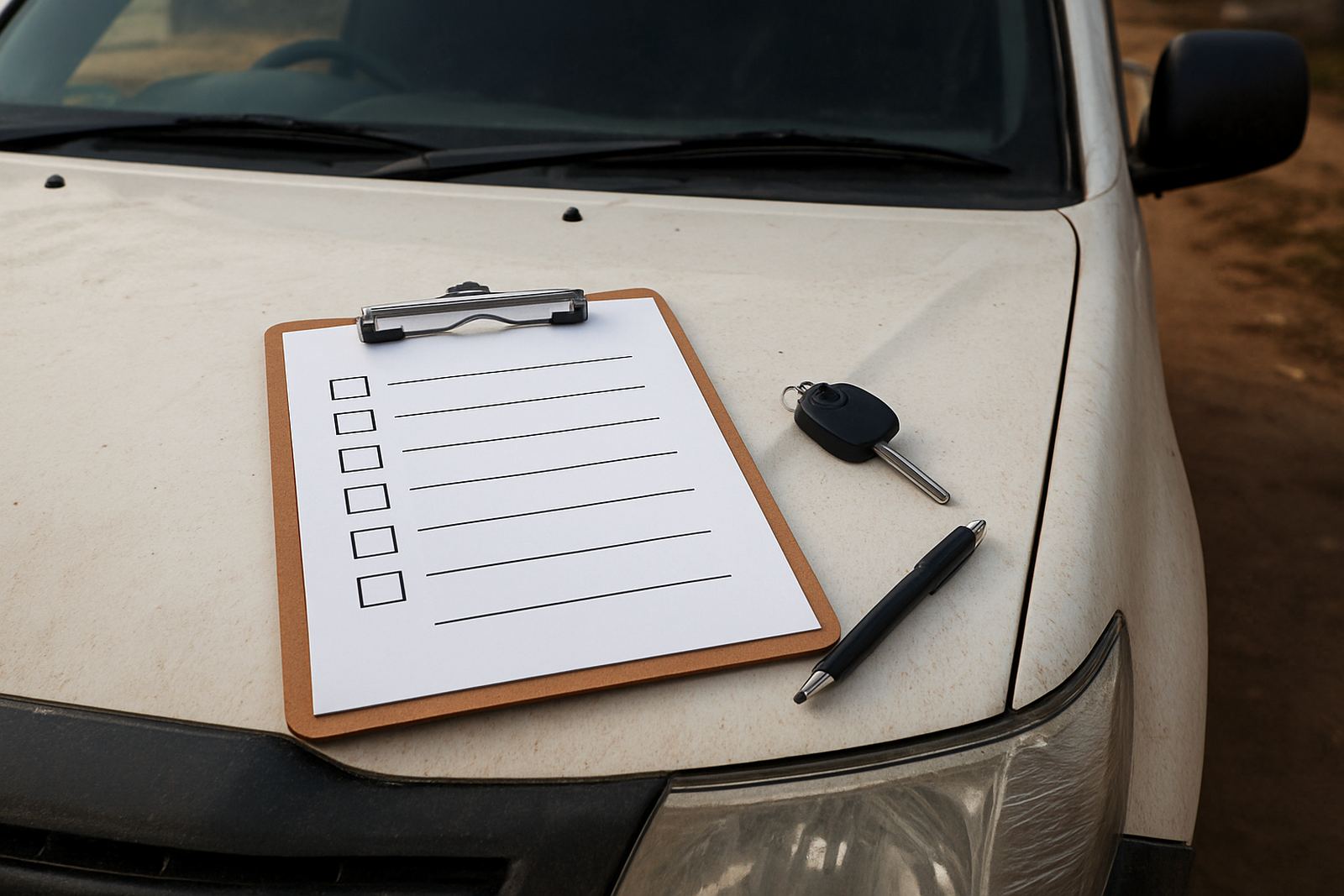
If you are preparing a bakkie for listing, keep the process simple: wash, sweep, wipe, check and photograph. That is enough for most used vehicles. The goal is to help the buyer see the vehicle clearly, with its strengths and its wear points visible. When the presentation is honest, the conversation about value becomes much easier.
For private sellers and dealers, that kind of preparation can save time at viewing and reduce the back-and-forth later on. It also helps our team give better price guidance, because the condition is easier to assess properly.