Arrive Prepared and On Time
When a viewing is booked, treat it like an appointment, not a quick drop-in. Arrive on time, bring your licence or ID if requested, and have a clear idea of what you need the bakkie or trailer for. A seller can only answer properly if the buyer knows whether they need a workhorse for deliveries, a farm trailer, or something lighter for weekend use.
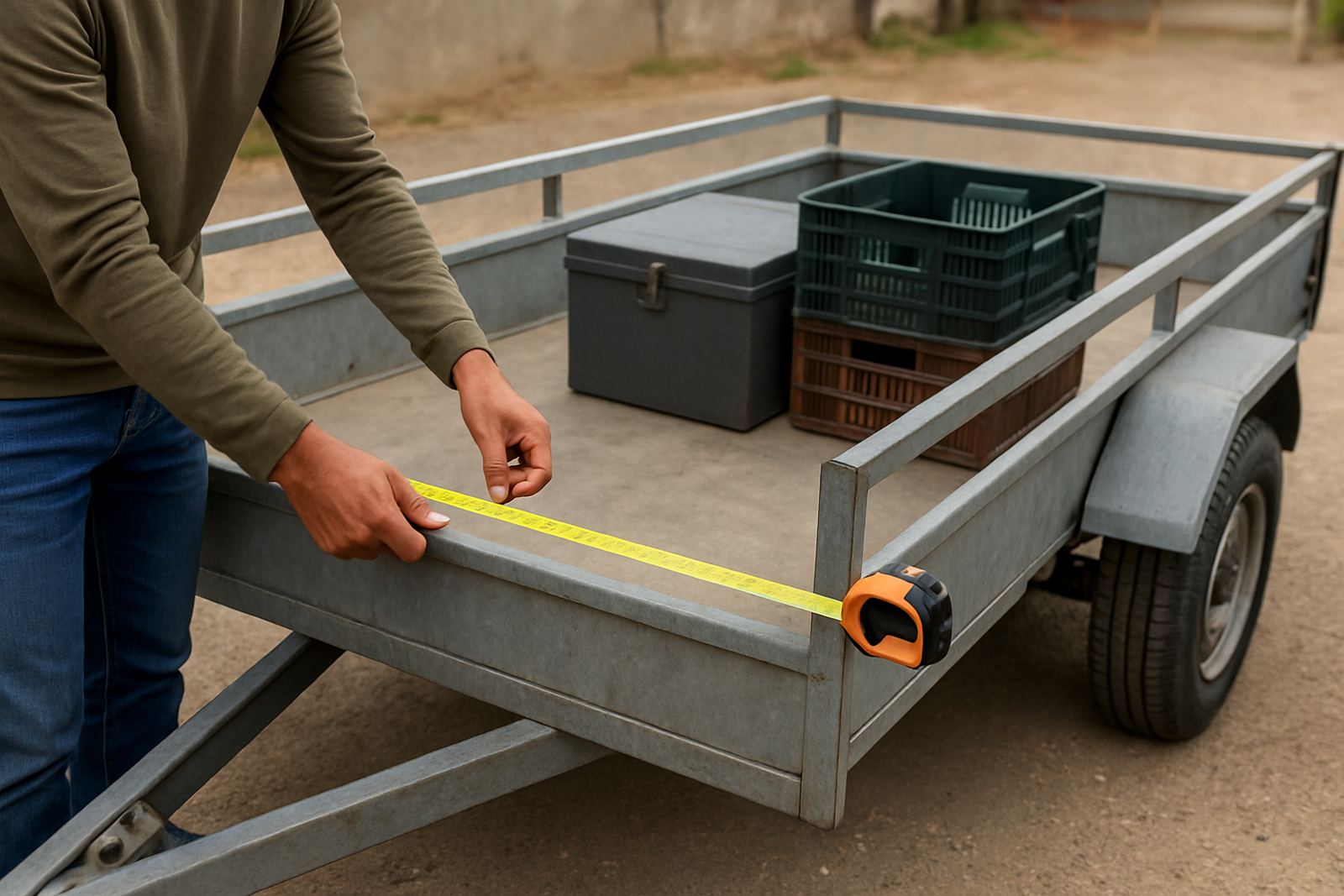
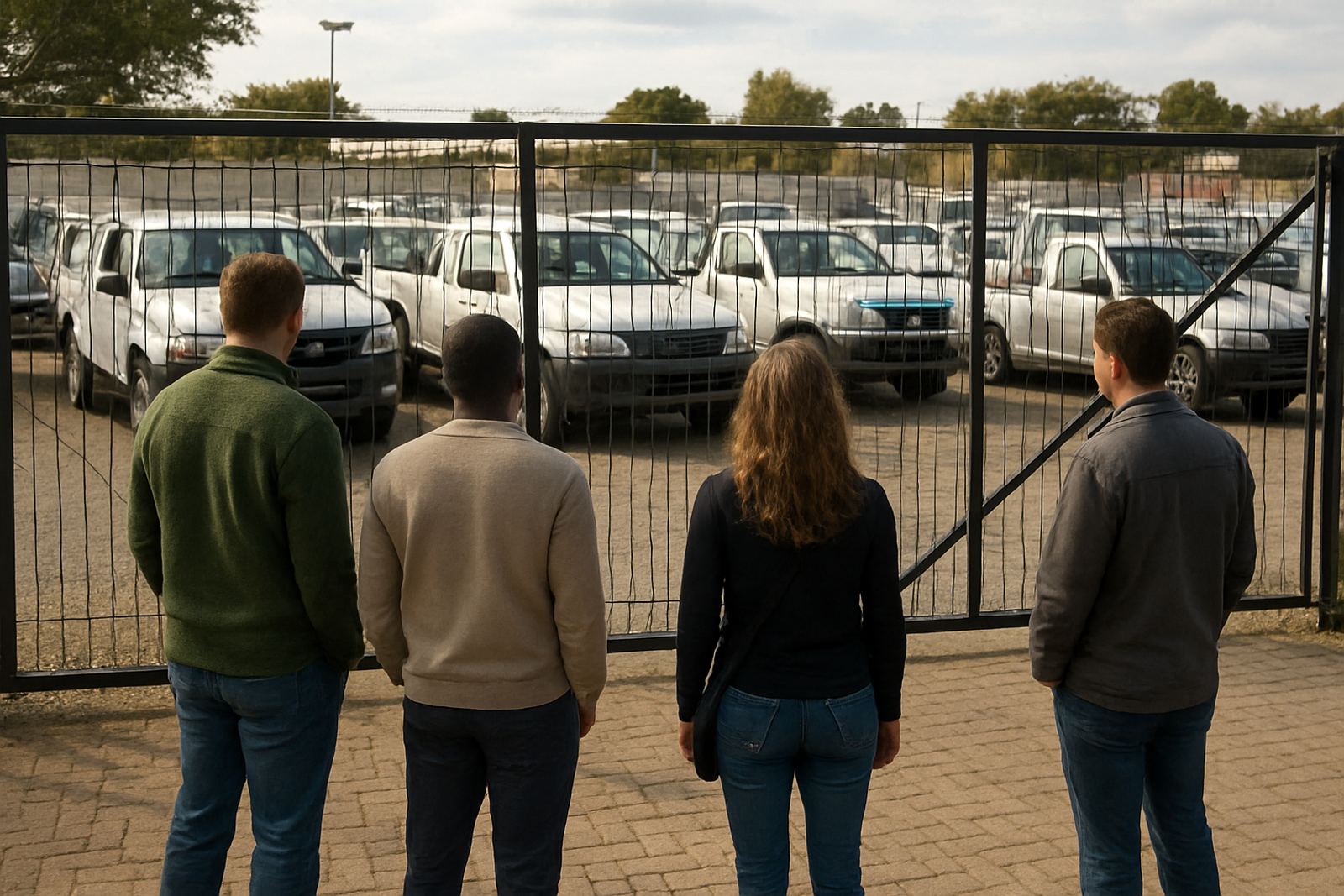
If you are comparing a few vehicles, note the year, mileage, load size and service history before you arrive. That makes the visit quicker and stops confusion once you are standing next to the vehicle. It also helps when two or three buyers are viewing at the same time, which can happen in Johannesburg, Pretoria or Durban where demand is often high.
Basic preparation matters too. Bring a torch, gloves if you want to check underbody areas, and a phone or camera for notes. If you plan to bring a mechanic, tell the seller or listing coordinator before hand so there is time to set that up.
Respect the Yard, the Vehicle and Other People
A viewing yard is a working space, not a playground. Keep to the areas shown to you, and do not climb into a vehicle before the seller or inspector says it is fine. Open doors gently, close tailgates properly, and avoid leaning on panels or dropping tools onto the floor. Even a small scrape can become a costly dispute.
Be aware of other buyers and staff. If someone else is viewing a trailer or bakkie beside you, keep your questions brief while they are doing their own inspection. Loud phone calls and long side chats slow the process down. A respectful approach helps the team move from one viewing to the next without confusion or delays.
- Do not smoke in or around the vehicle unless the seller has said it is allowed.
- Keep children supervised at all times.
- Ask before starting the engine or connecting a trailer to a tow vehicle.
- Return keys, documents and accessories to the person handling the viewing.
Inspect with a Clear Eye, Not a Hurry
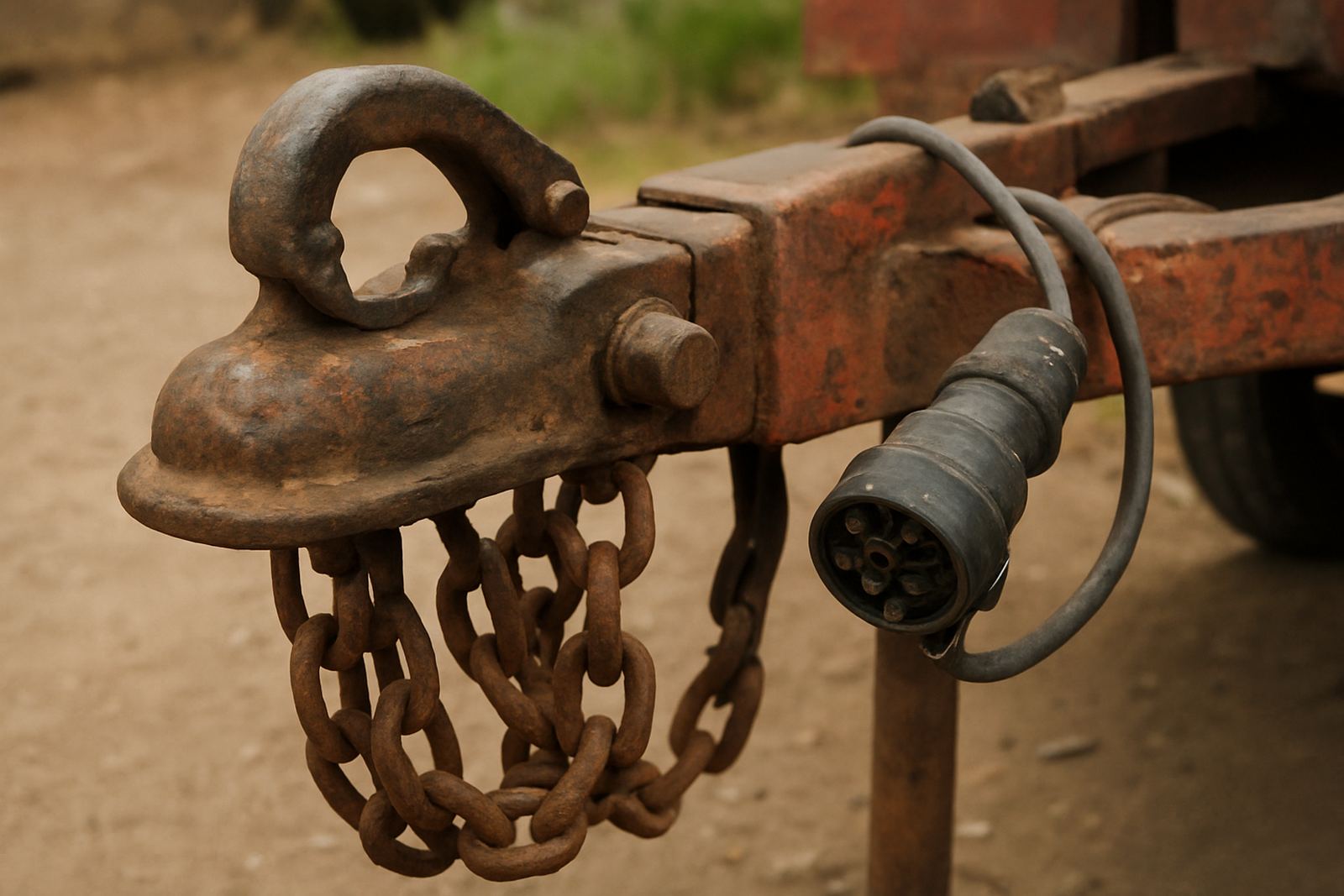
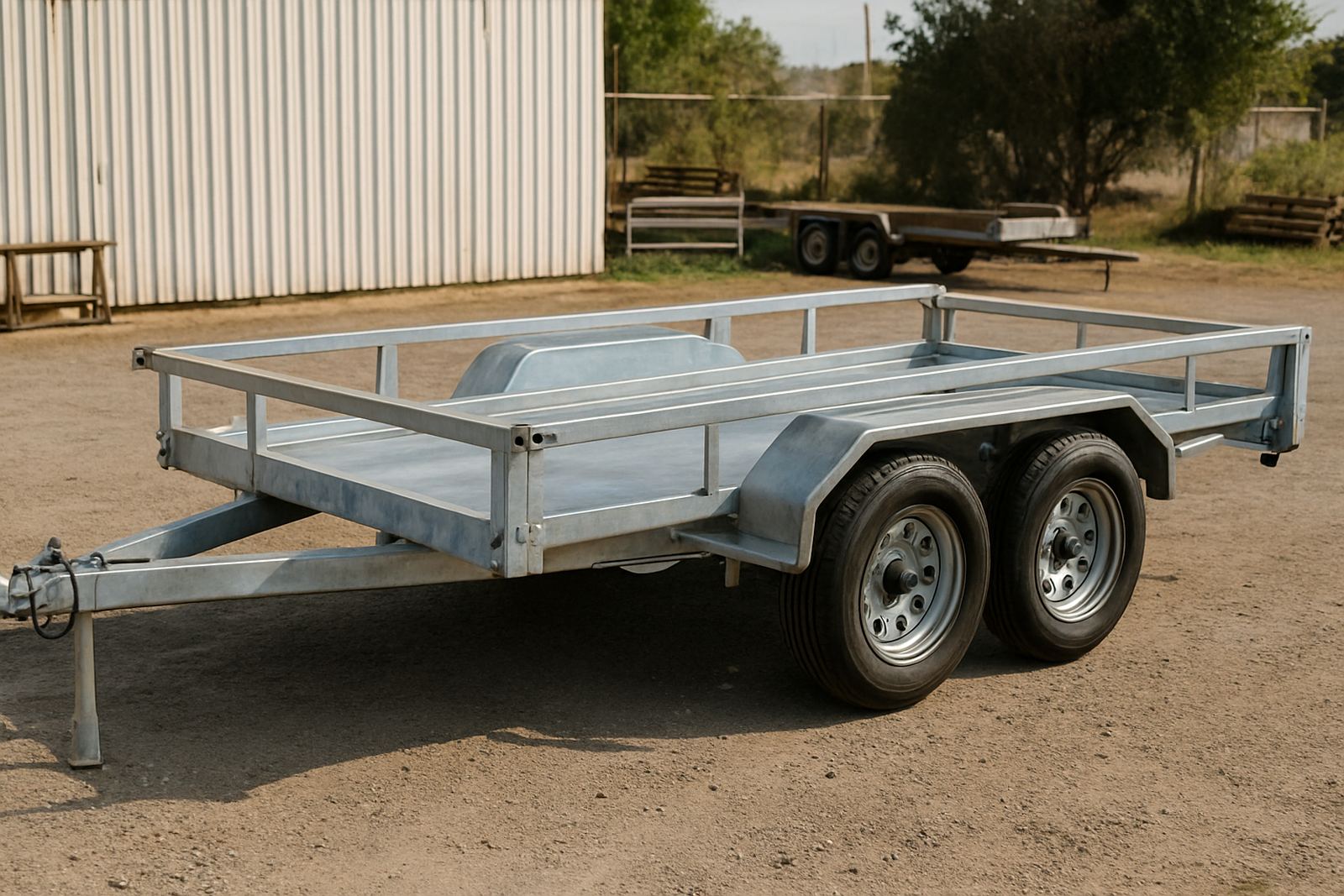
Take your time but stay focused. A proper viewing should cover the body, tyres, load area, tow bar, electrics and signs of previous repairs. On a used bakkie, check the cab floor, door seals, seat wear and any warning lights on the dash. On a trailer, look at the frame, axle, floorboards, coupler, lights and registration details where applicable.
Do not expect a used vehicle to look new. What matters is whether the wear matches the price and the intended use. A work bakkie used for construction around Centurion will show different wear from one used for light personal trips in Polokwane. Ask practical questions about mileage, service intervals, accident history and current condition, but keep the tone respectful.
It helps to use a simple checklist rather than relying on memory alone. Make notes on tyre tread, panel alignment, rust, smoke on start-up, suspension noise and electrical faults. If the vehicle is parked in a yard with limited space, ask for a second look outside the tight row so you can see it properly in daylight. On overcast days or during winter afternoons the light can be poor, so a second pass often catches something missed first time round.
Ask Direct Questions and Listen Carefully
Good questions save time and reduce misunderstandings. Ask what has been repaired, what still needs attention, and whether the price reflects the condition. If the seller has already listed faults, check that they match what you see on site. Honest answers build trust and make negotiation easier.
A viewing is also the best time to clarify how the vehicle will be handed over. Ask whether the price includes spare keys, spare wheels, tarpaulins, ramps or safety chains if those items exist. If the vehicle is missing paperwork or has a detail that needs confirming, make a note and follow up through the proper channel after the viewing. That keeps the process neat and avoids pressure on the spot.
- Ask if the bakkie starts from cold, not only when it is already warm.
- Confirm whether the trailer lights and brakes have been tested.
- Check if the licence and paperwork status is ready for transfer.
- Ask about recent replacements such as tyres, batteries or suspension parts.
Keep Negotiation Fair and Professional
Price discussion should stay calm and factual. If you see a fault, explain it clearly and give the seller time to respond. Aggressive haggling rarely helps and often wastes a good opportunity. A fair offer takes the condition, market demand and any repair costs into account.
If you are a seller, be honest about what the vehicle can and cannot do. A trailer with a tired floor or a bakkie with a noisy gearbox should be priced accordingly. Buyers appreciate straight talk, especially when they are trying to keep to a budget and still need something dependable for work. The right attitude can close a deal quicker than pushing too hard on either side.
For buyers, it is also worth remembering that a lower price should not be the only goal. A slightly more expensive vehicle that is cleaner, better maintained and ready for work can save money over time. That is particularly true for businesses that rely on daily transport and cannot afford long downtime during power cuts or after a breakdown.
Use the Inspection to Plan the Next Step
A successful viewing should leave you with a clear next step. If the vehicle is suitable, confirm whether you want a second viewing, a mechanic inspection, or a collection and delivery arrangement. If it is not the right fit, say so politely and move on. That keeps the process efficient for everyone and avoids keeping the yard tied up longer than needed.
At our base in Spartan, Kempton Park, viewings often involve buyers from East Rand, Johannesburg and Pretoria, with sellers also coming in from Durban, Bloemfontein and Polokwane. A good example is a small contractor from Midrand who arrives with a checklist, inspects one bakkie, asks four direct questions and leaves within 20 minutes with a clear decision. Compare that with a buyer who arrives late, brings no notes, and wants to test every vehicle in the yard. The first visit is productive, the second usually wastes the day.
Keep the tone practical and the paperwork in order. If you are ready to proceed, use the enquiry form on our contact page so the team can coordinate the next step without confusion. Clear communication helps both private sellers and dealers move from viewing to sale with less back and forth.
A Simple Viewing Courtesy Checklist
Before you leave, make sure nothing has been overlooked. A few small courtesies can make a big difference to the next person who arrives and to the staff who manage the yard each day. When everyone does their part, the whole process runs smoother.
- Confirm the vehicle or trailer details before arriving.
- Be punctual and keep the viewing window tight.
- Handle doors, gates and trailer fittings with care.
- Ask questions clearly and keep your notes handy.
- Leave the area as you found it and return any items borrowed for the inspection.
A respectful viewing is not about formality for its own sake. It is about saving time, reducing mistakes and making sure both sides can decide with confidence.