


Start With the Job You Need the Vehicle To Do
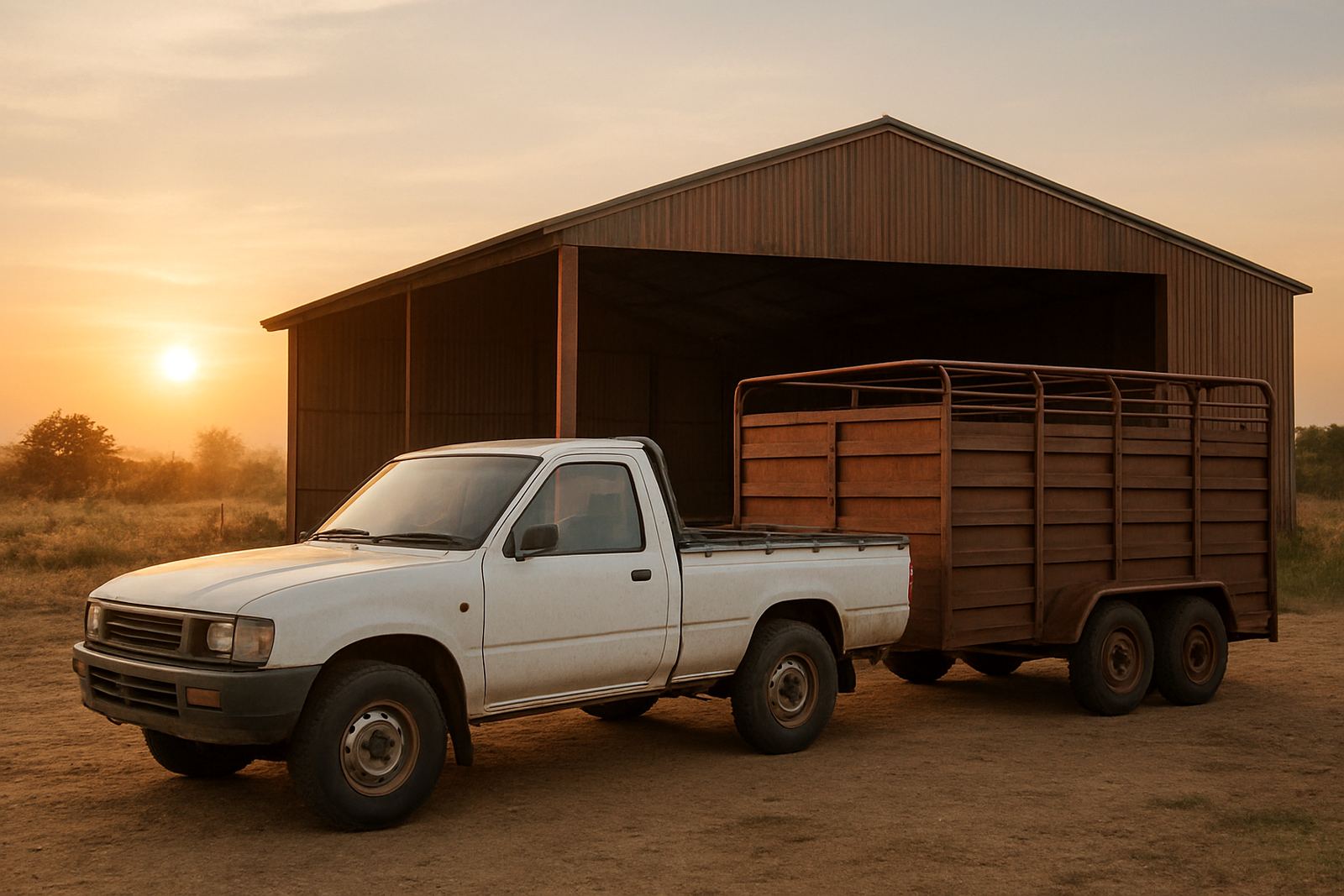
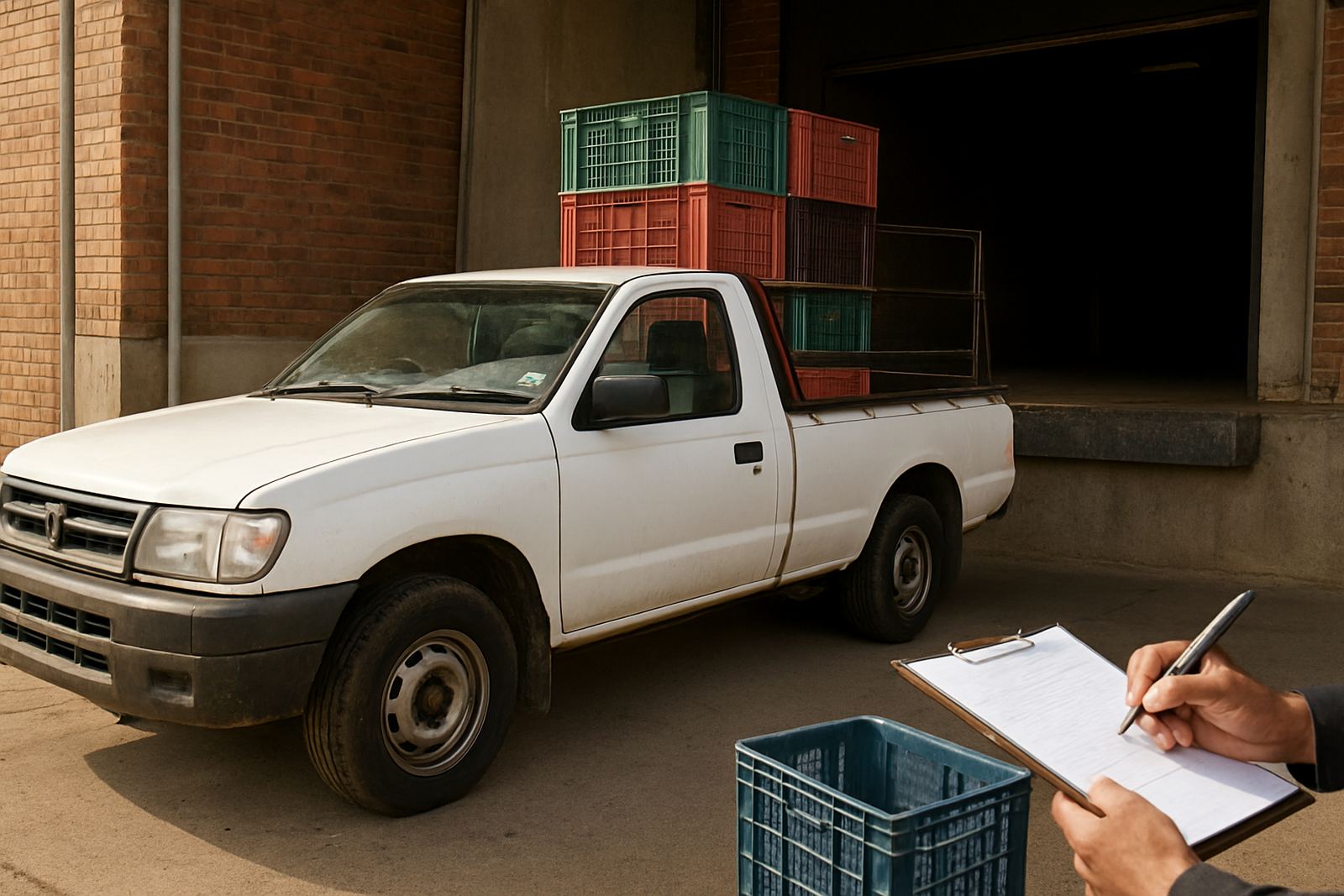
Before you compare prices, decide what the vehicle must carry, tow or cover each week. A bakkie for site work in Johannesburg will face different demands to one used for farm runs outside Polokwane, while a trailer for weekend use in Durban may need better corrosion resistance because of coastal humidity.
Think about load size, road conditions, parking space and how often the vehicle will stand idle. If you are buying for a business, factor in fuel use, service intervals and how easy it is to get parts and maintenance in your area.
How To Judge a Used Bakkie Properly
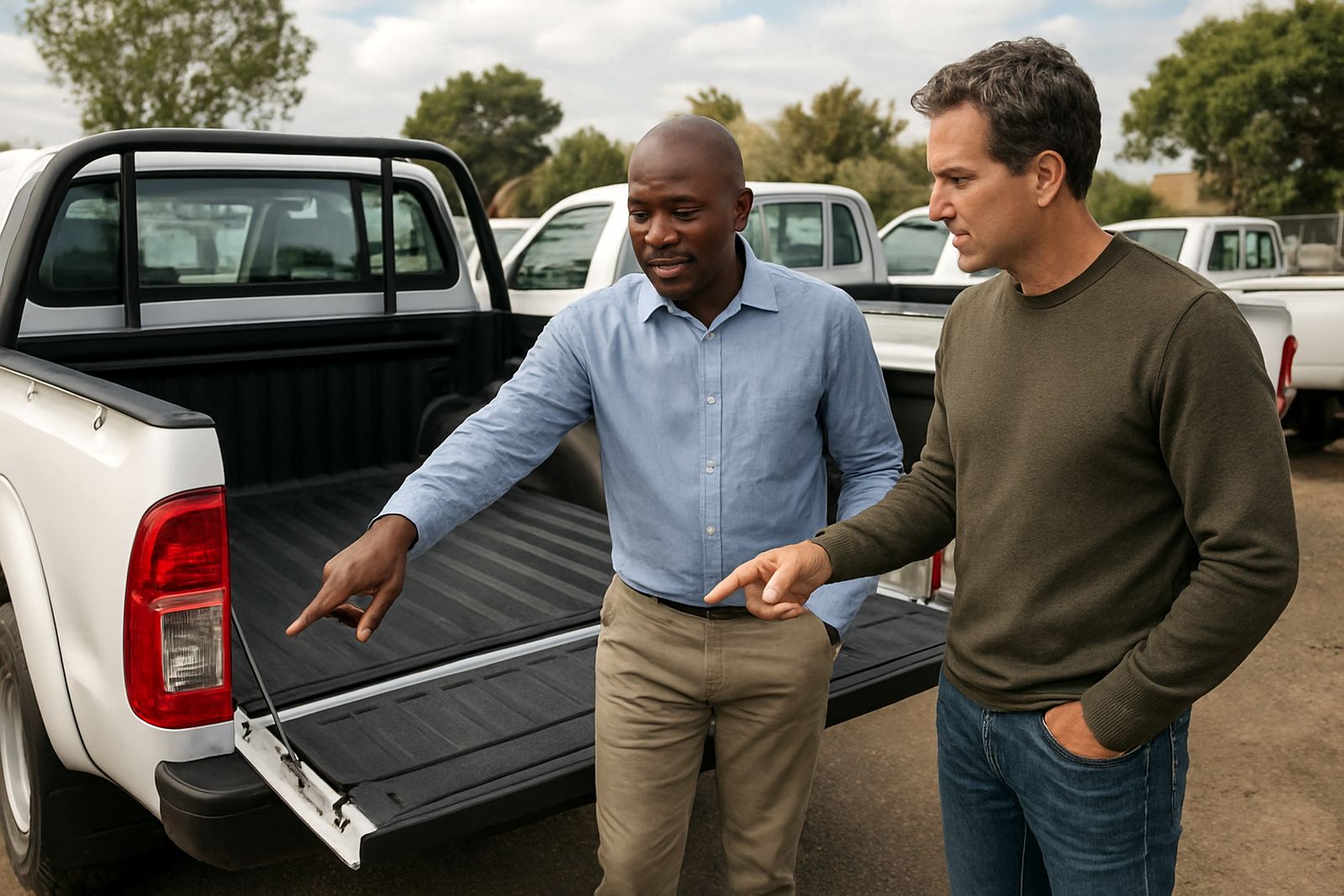
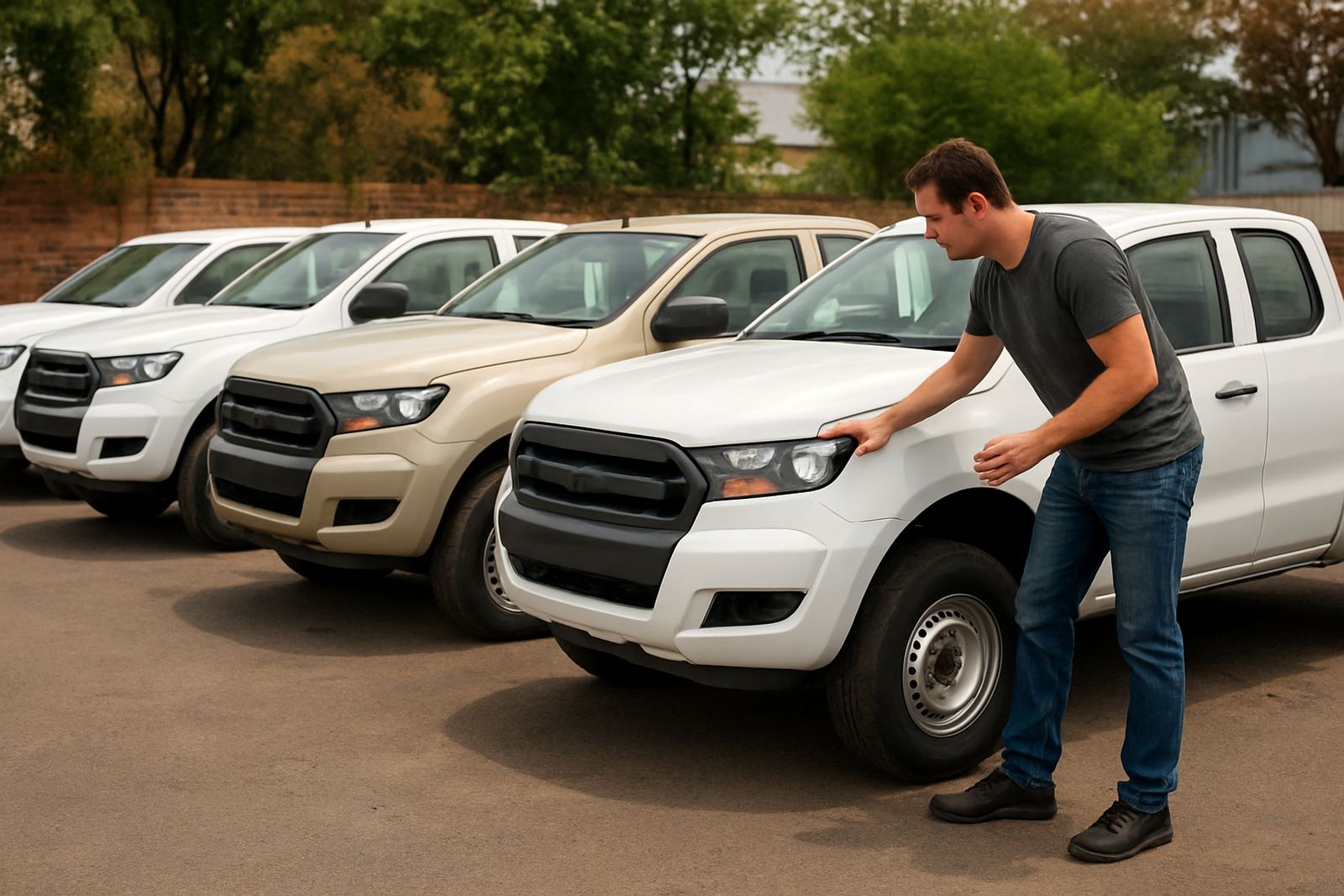
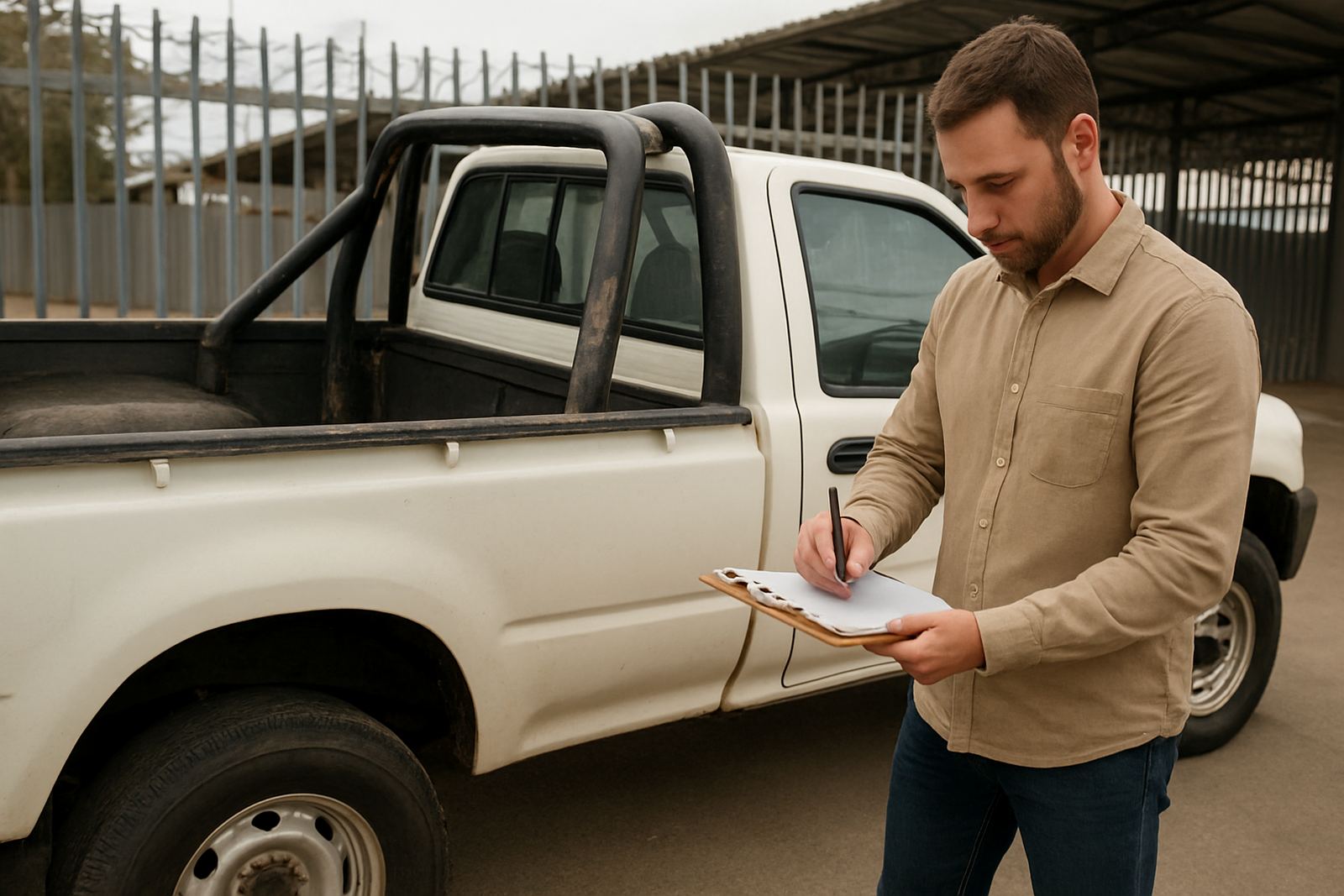
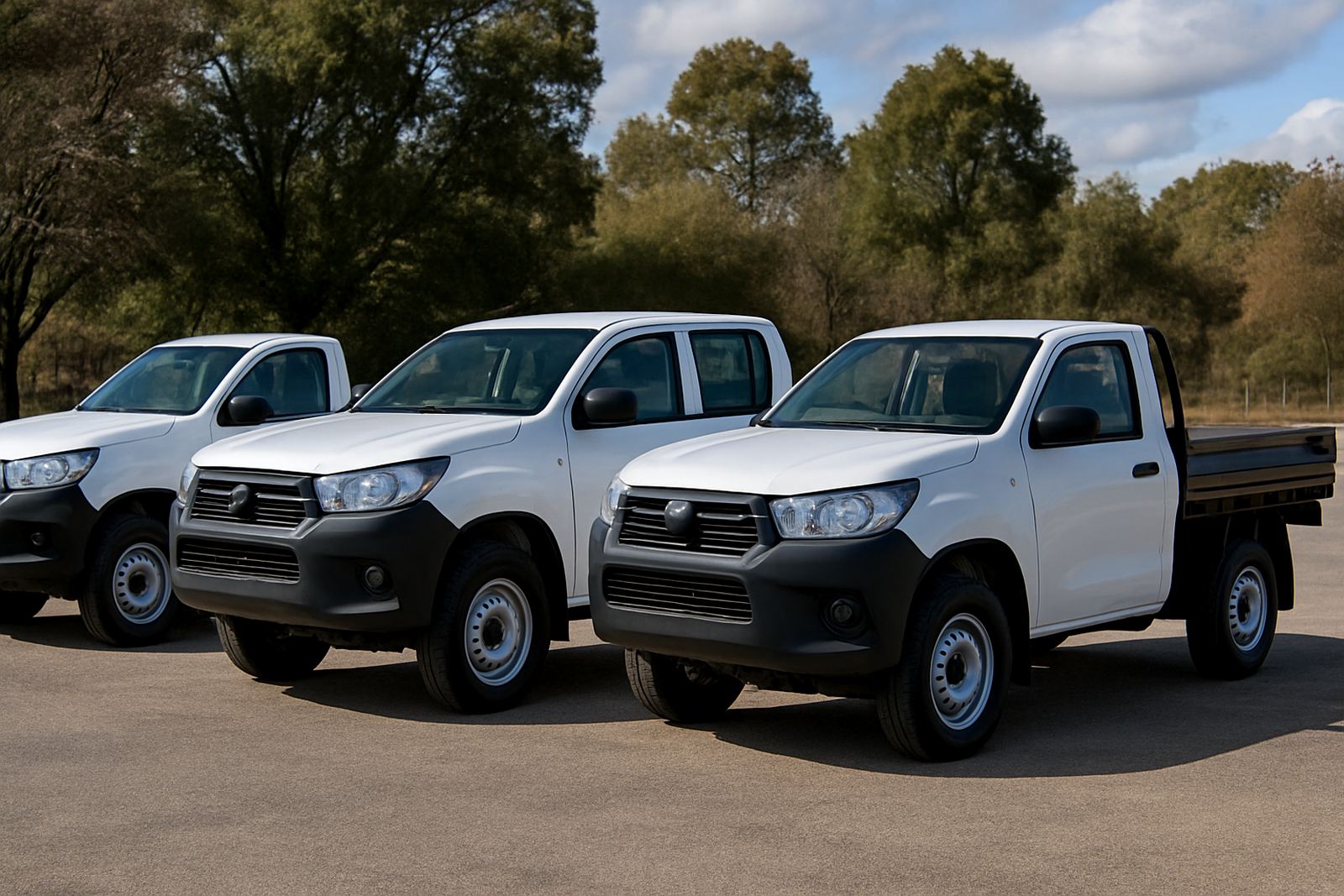
A used bakkie should be checked as a working tool, not just by mileage on the clock. Look at the service history, accident repairs, tyre wear, clutch feel, suspension noise and whether the cab and load bin show signs of hard use. A vehicle that has done honest work can still be a good buy, but you want to know what it has already been through.
- Check for oil leaks under the engine and gearbox
- Look for uneven panel gaps and paint mismatch
- Test the brakes on a safe road at low and medium speed
- Open and close doors, tailgate and canopy fittings if fitted
- Ask when the last major service was done
If the seller cannot explain why the bakkie is being sold, take that seriously. A clear reason and supporting paperwork usually makes the decision easier.
Trailer Sizes, Payloads and Towing Rules
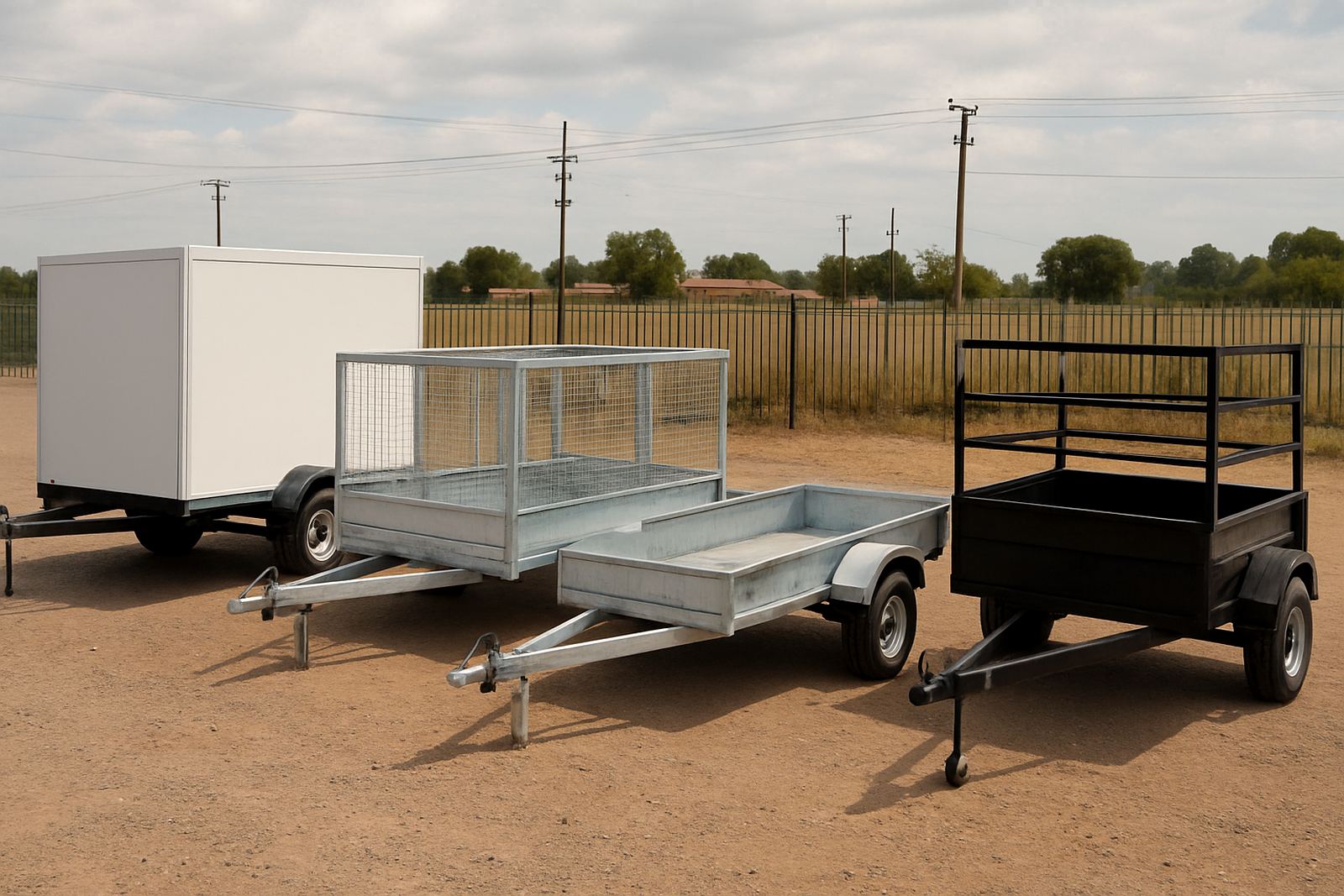
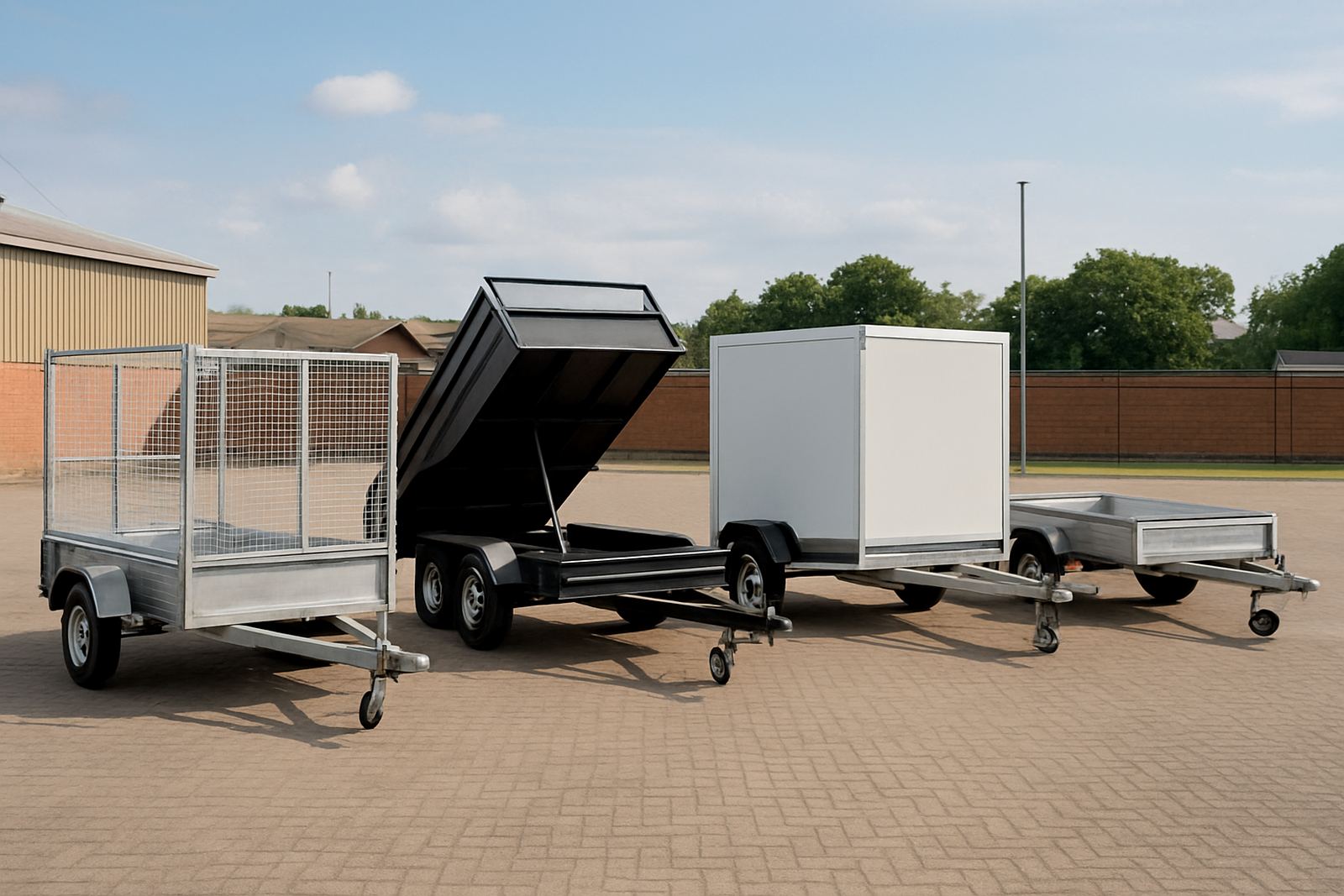
Trailers come in many sizes, and the right one depends on what you move most often. A small utility trailer may suit light household use, while a larger enclosed or flatbed trailer may be better for tools, stock or regular deliveries across Gauteng or between provinces.
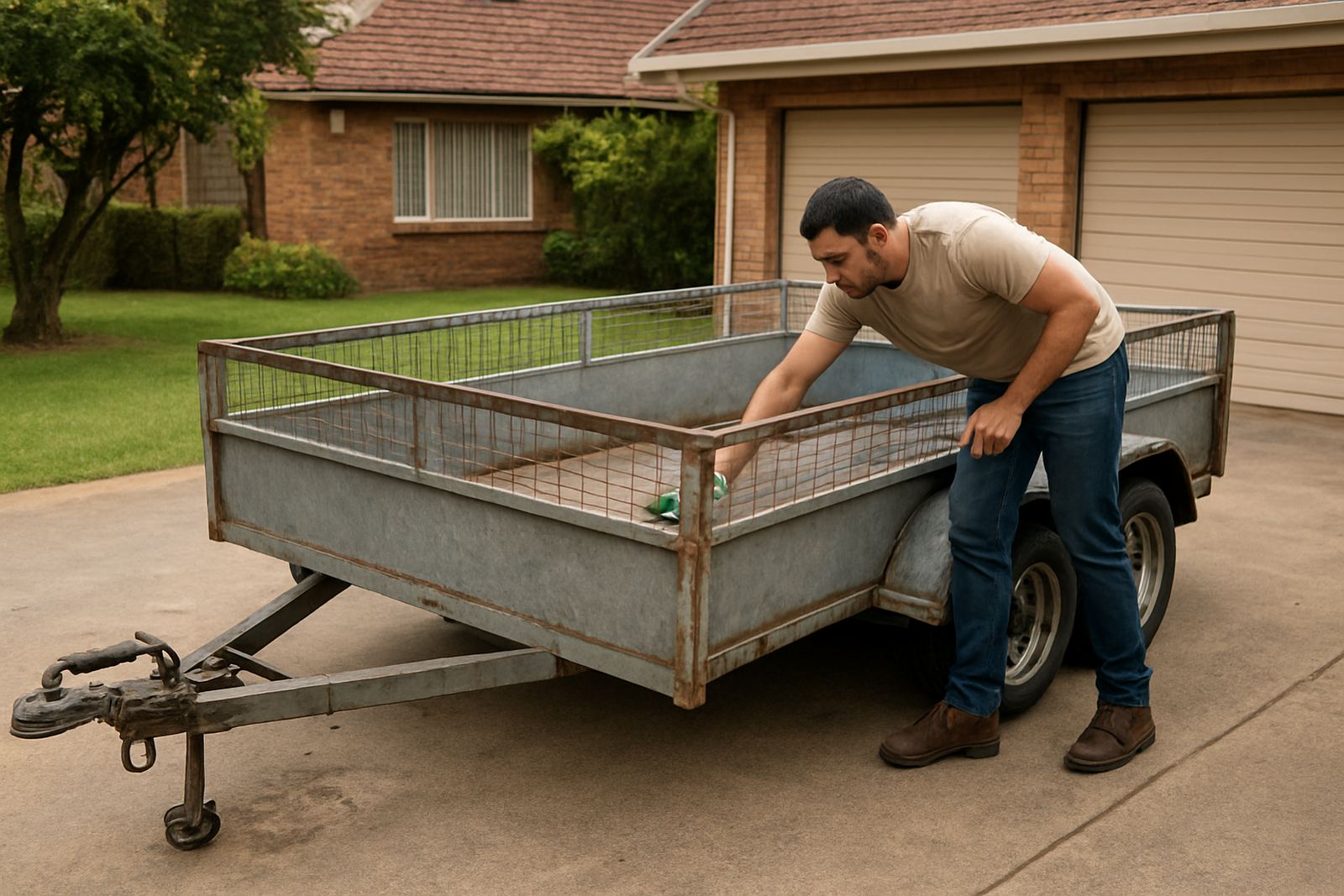
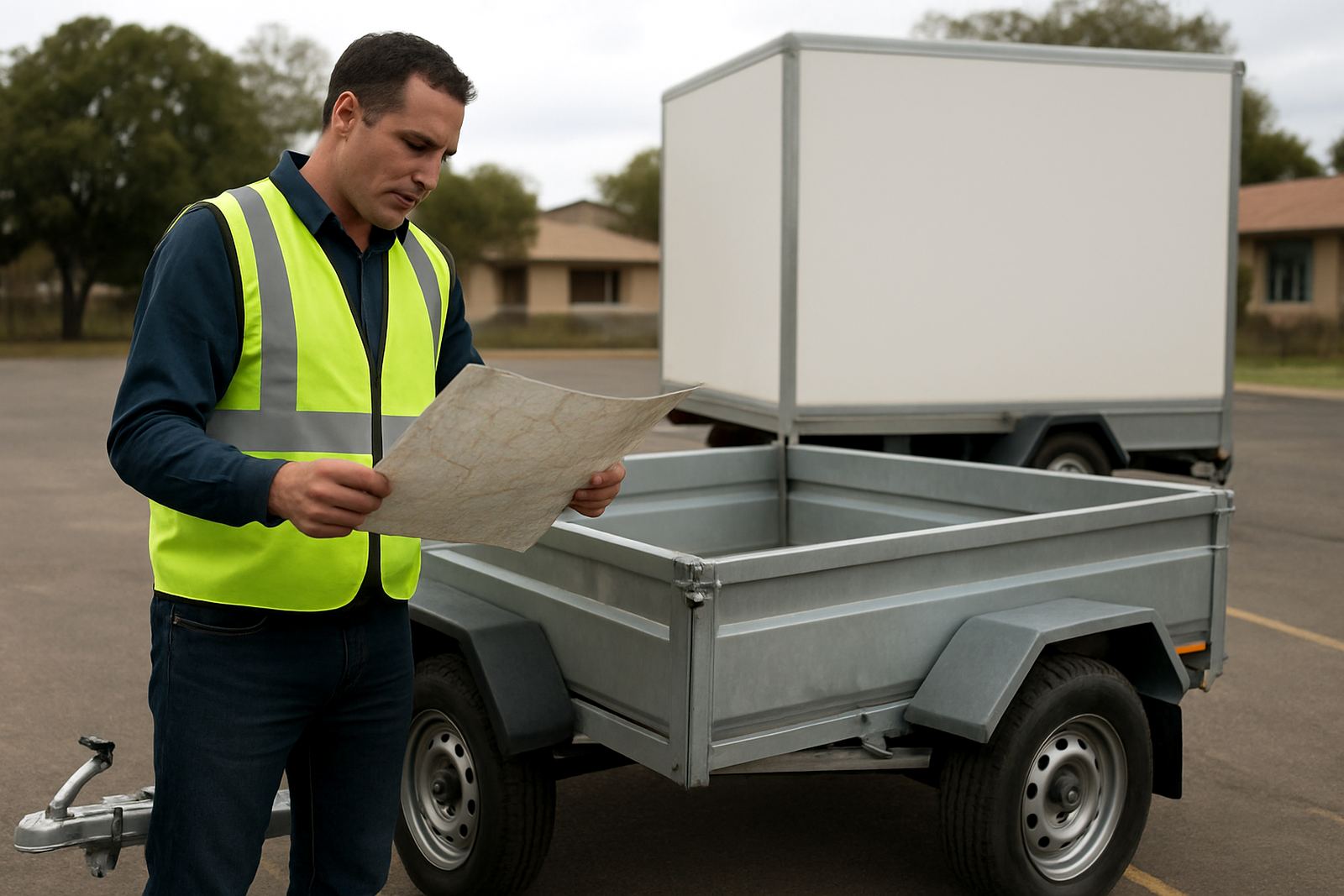
Always match the trailer to the towing vehicle and check the legal loading limit, braking setup and coupling condition. If the trailer will be used on rough roads or long-distance routes, inspect the axle, floor, welds and lights carefully. In some areas a trailer that looks tidy can still fail if the wiring is brittle or the floor has started to sag.
- Confirm gross vehicle mass and payload before you buy
- Check for rust on chassis members and crossbars
- Inspect tyres for cracks, flat spots and mismatched sizes
- Make sure the lights, plugs and safety chain are in working order
- Ask whether the trailer needs registration or paperwork updates
What Inspection Reports Should Tell You
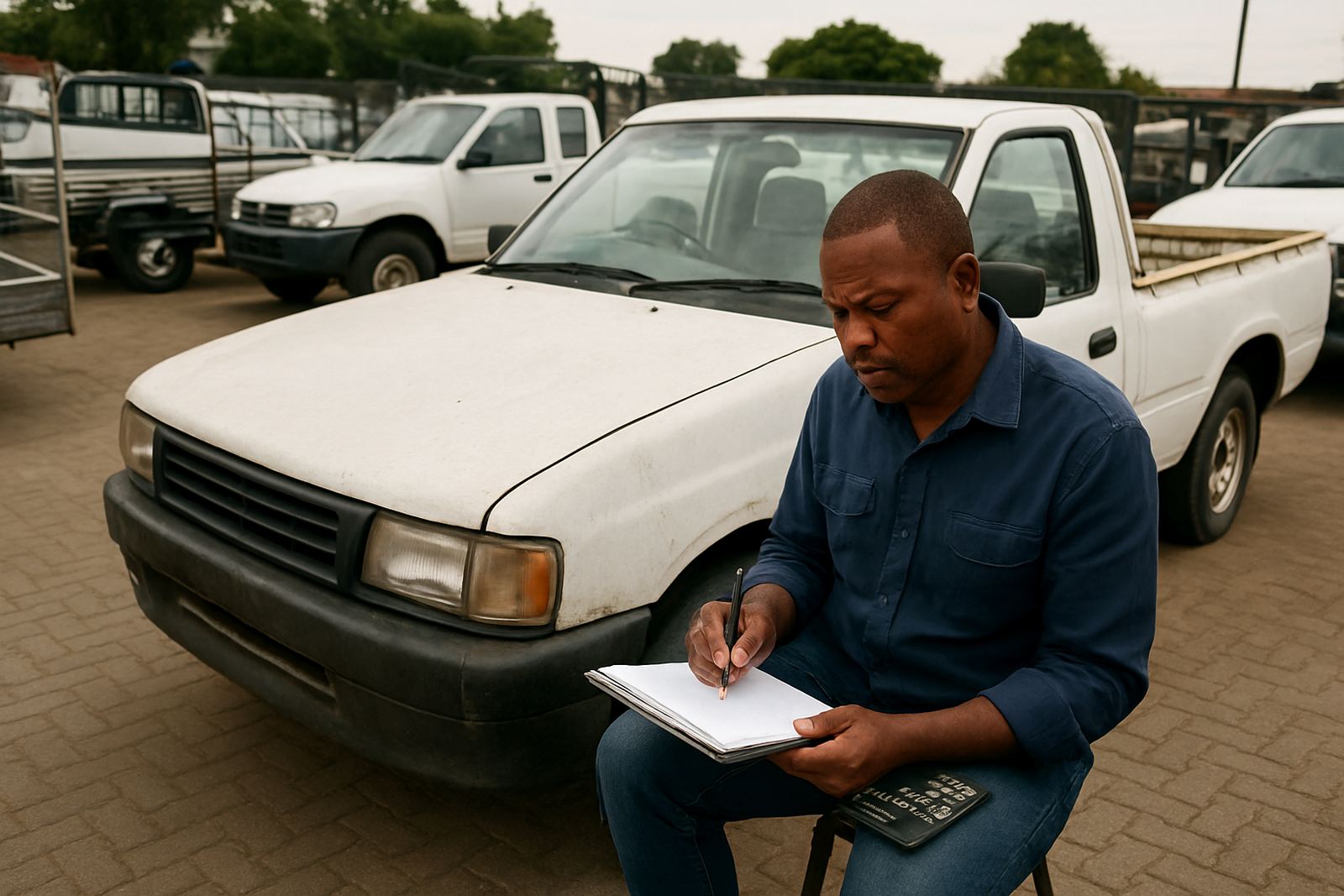
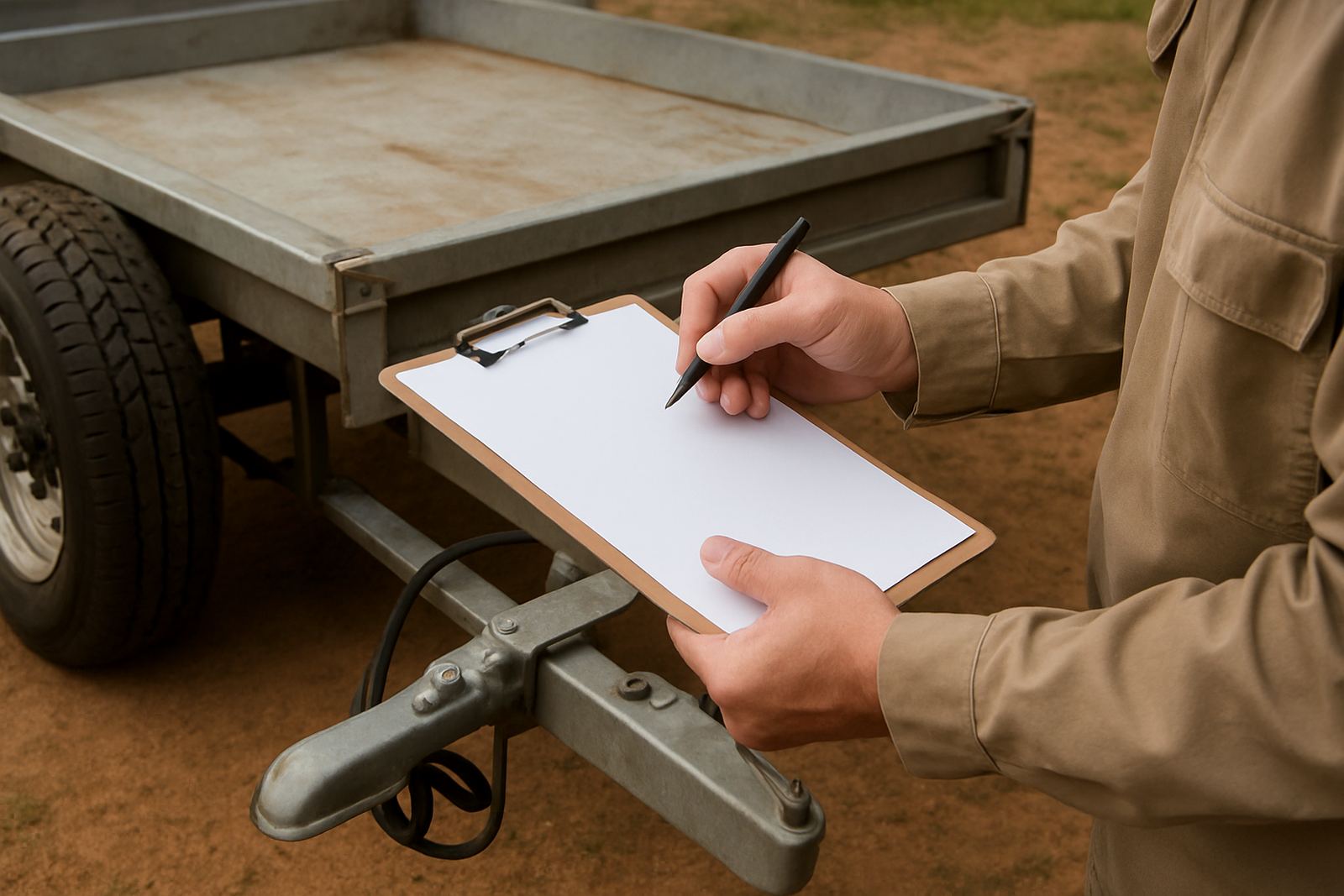
A proper pre-sale inspection should make the next step easier, not create more questions. Good condition reporting gives you a clear view of the bodywork, mechanical parts, tyres, brakes and any signs of previous damage. It should also flag items that may need attention soon, such as battery condition, worn bushes or repaired mounts.
If you are buying from another town, an inspection can save time and travel costs. For sellers in Kempton Park, Pretoria, Bloemfontein, Durban and other areas, this helps serious buyers decide quickly and keeps the process practical.
Pricing Clues That Help You Avoid Overpaying
Price is not only about age and mileage. Condition, service records, accessories, tyre life and whether the vehicle has been used for heavy work all affect value. A clean bakkie with a tidy bin and full records may be worth more than a cheaper one that needs immediate repairs.
Compare similar vehicles in the same region if you can, and watch for too-good-to-be-true asking prices. A low price can hide accident history, neglect or missing paperwork. Ask for enough detail to make a fair comparison, then decide what the vehicle is really worth to you.
Collection, Delivery and Viewing Arrangements Across South Africa
Once you have short-listed a vehicle, the next step is often the practical one: when can you view it, who will meet you and how will it get to you if you buy. Buyers in Johannesburg, Centurion and the East Rand often want quick viewing slots, while long-distance buyers may need delivery arranged after payment and paperwork are in order.
Use the enquiry form on our contact page to ask about listings, inspections, viewing times and delivery support. That keeps everything in one place and makes it easier to move from first interest to final decision.