What City Delivery Work Really Puts on a Bakkie
Urban delivery operators need a bakkie that can cope with frequent stops, quick turnarounds and uneven roads around industrial areas, townhouse complexes and shop fronts. A vehicle that looks clean on a standing yard may still be tired underneath if it has spent years carrying parcels, building supplies, food stock or tools through busy routes in Johannesburg, Pretoria or Durban.
When buying used, think beyond the odometer. City use creates wear on clutch systems, brakes, suspension bushes and steering components because the bakkie is constantly pulling away, slowing down and turning into tight spaces. In coastal areas like Durban, humidity can also speed up corrosion on underbody parts and electrical connectors, so rust checks matter as much as service history.
Payload, Load Bin Size and Daily Route Reality
The first question is simple: what must the bakkie carry on a normal day, not on the biggest day. A courier run with parcels is very different from transporting cement, bottled stock or spares. If the vehicle is overloaded even once or twice a week, tyres, suspension and brakes will wear out faster and fuel use will climb.
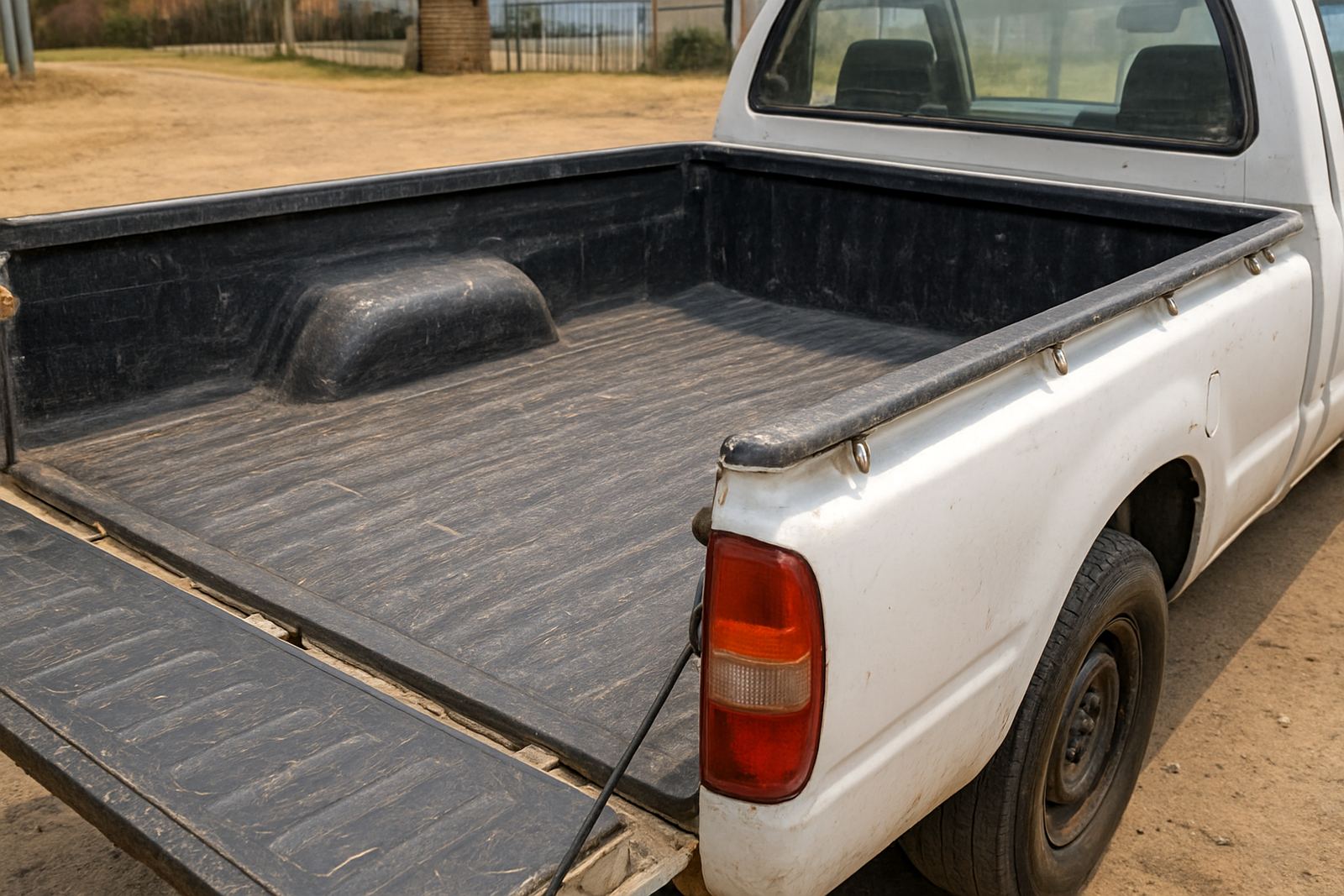
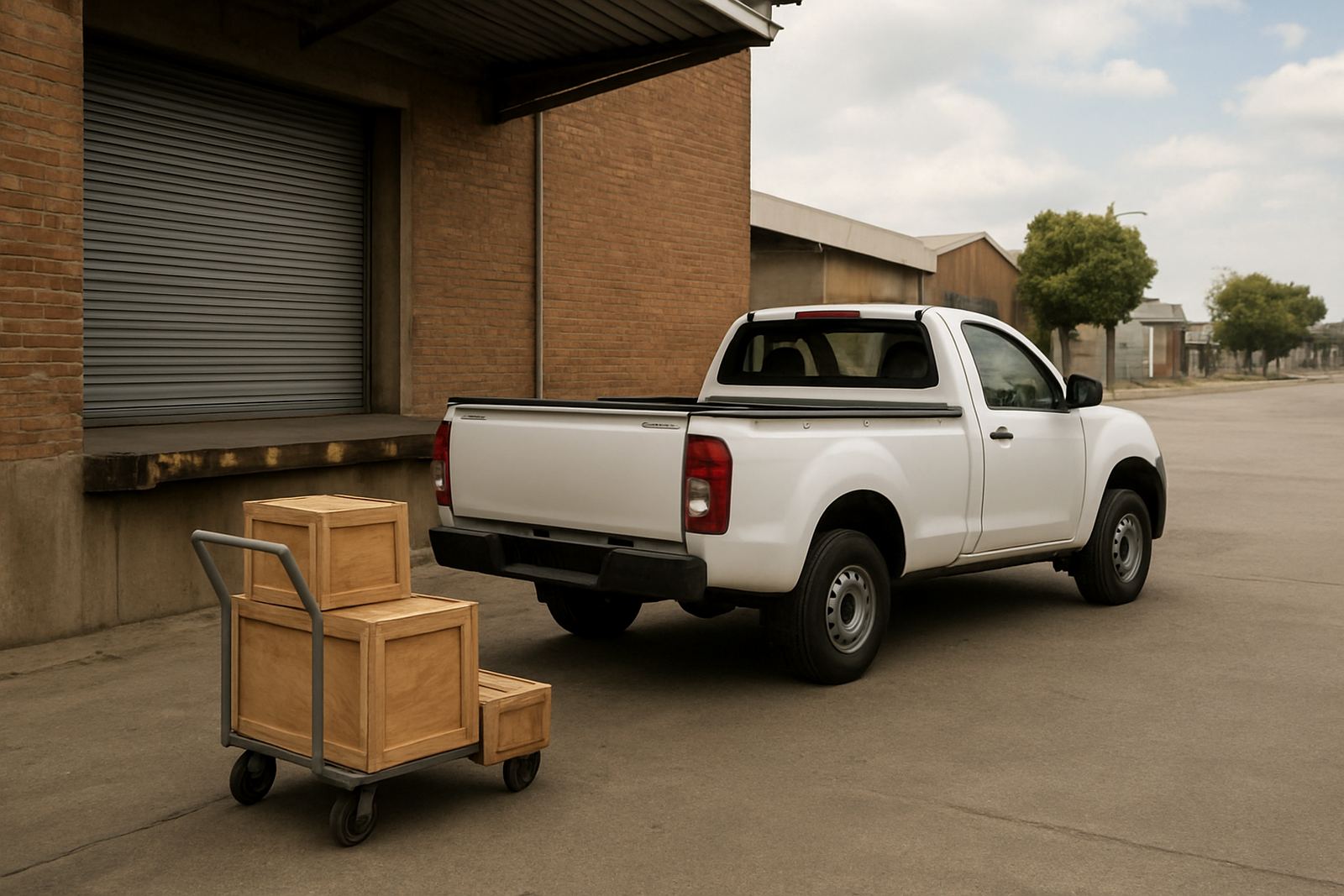
Look at the bin size, load height and how easy it is to secure cargo. A delivery operator in Kempton Park may need quick access for multiple drops between warehouses and offices, while a florist in Pretoria may need a covered load space to protect goods from heat and dust.
- Check the payload rating against your actual load, not guesswork
- Measure the bin for crates, cages or toolboxes before you buy
- Make sure the tailgate and side steps suit frequent loading
- Ask whether a canopy, liner or load bars are included
Fuel Use, Gear Ratios and Traffic-Friendly Driving
For city delivery, fuel use is not only about engine size. A bakkie that sits comfortably in traffic and keeps its revs sensible at low speeds can save money over many months. Short trips, idling and repeated cold starts are part of the job, so buyers should look for an engine and gearbox combination that suits stop-start work rather than open-road hauling.
Manual bakkies can be cost-effective, but the clutch condition must be checked carefully if the vehicle has done heavy city mileage. Automatic models can reduce driver fatigue on routes through Pretoria East, Centurion and central Johannesburg, though service records become even more important. If the bakkie is intended for multiple drivers, smoother gear changes and easy steering can also reduce wear from hard use and rough driving habits.
Inspection Points That Save Money Later
A proper pre-sale inspection should focus on the parts that city driving punishes most. Small faults become expensive when a vehicle is expected to earn every day. Listen for suspension knocks over uneven roads, watch for brake vibration and check for uneven tyre wear, because both can point to alignment or steering issues.
Electrical systems matter too. Delivery operators often use phone chargers, tracking units, cabin lights and sometimes refrigeration or power inverters. If the battery is weak, the alternator is tired or wiring has been altered badly, the bakkie can become unreliable fast. In power cut conditions, operators may also depend more on timed loading and early starts so a dependable electrical system is not optional.
- Inspect chassis rails, wheel arches and load-bin mounts for rust or damage
- Test brakes under normal and heavy braking conditions
- Check tyres for age as well as tread depth
- Review service stamps, invoices and any repair history
- Look for oil leaks, coolant stains and signs of overheating
The Best Bakkie is the One That Matches the Route
Not every delivery business needs the same kind of bakkie. A company moving documents between Sandton, Rosebank and Midrand has different needs from a contractor servicing estates in Polokwane or a parts runner doing industrial drops in Bloemfontein. The right choice depends on route length, parking space, road surface and how many loads the vehicle must complete in a shift.
For inner-city work, compact dimensions and good visibility can matter more than outright power. For mixed urban and peri-urban routes, a stronger suspension setup and better ground clearance may be worth the trade-off. Owners should also think about theft risk, because a vehicle parked at multiple stops through the day needs practical security features, proper locks and a tidy cab with no obvious loose fittings.
A Kempton Park Example: Buying for Multi-Stop Delivery
A small delivery operator based near Spartan in Kempton Park recently needed a used bakkie for medical stock collections, airport-area drop offs and afternoon runs into the East Rand. The brief was clear: reliable starts, low running costs and enough load space for cages and sealed boxes. The team compared a few options and focused on service records, tyre condition and the state of the load bin rather than just asking for the newest-looking vehicle.
The winning choice was not the flashiest unit on the list, but it had a clean inspection report, sensible fuel use and a body that matched the route. That matters in city work. A bakkie that is slightly older but properly maintained can perform better than a newer one with hidden wear, especially when the business depends on daily deliveries and cannot afford downtime.
What Sellers and Buyers Should Ask Before the Deal
Good buying decisions come from direct questions. Sellers should be ready to explain how the vehicle was used, whether it carried heavy loads and if there were any accident repairs. Buyers should ask for clear photographs, condition notes and a chance to view the bakkie in daylight where panel damage and paint mismatch are easier to spot.
For operators comparing used bakkies across Johannesburg, Pretoria, Durban or smaller hubs like Bloemfontein and Polokwane, collection and delivery planning also matters. If the vehicle must be moved between towns, confirm the timing, who is responsible for handover and whether the paperwork is complete before the unit is collected. A small delay can hold up an entire delivery schedule, so it pays to be precise.
- Confirm the vehicle matches the advertised condition
- Ask whether roadworthy or compliance items still need attention
- Check that the licence and ownership documents are in order
- Agree on collection or delivery timing before payment is finalised
Used bakkies are matched with the right buyers through our inspections, condition reporting, viewing arrangements and delivery coordination across South Africa. For city delivery operators, that support can make the difference between buying a bakkie that merely works and one that can handle the daily grind properly.