What a clean cab really tells you
When buyers look at a used bakkie, the cab often gives the first proper clue about how the vehicle lived. A tidy interior does not automatically mean low mileage, but it usually shows that the owner cared about the vehicle and fixed small issues before they became bigger ones. Dust in the vents, worn seat fabric, cracked dash plastics and sticky switches can all add up to a picture of hard work, poor storage or limited maintenance.
In South Africa, that matters even more because many bakkies work in mixed conditions. A vehicle that runs between Johannesburg and Pretoria every day may show different wear from one that spends long hours on gravel around Polokwane or near the coast in Durban, where humidity can lift trim and rust can start sooner. A clean cab does not need to be spotless, but it should look honest and well kept.
For private sellers, a good interior can support the asking price. For buyers, it helps you judge whether the vehicle was used carefully or simply cleaned quickly for photos.
High-wear areas buyers check first
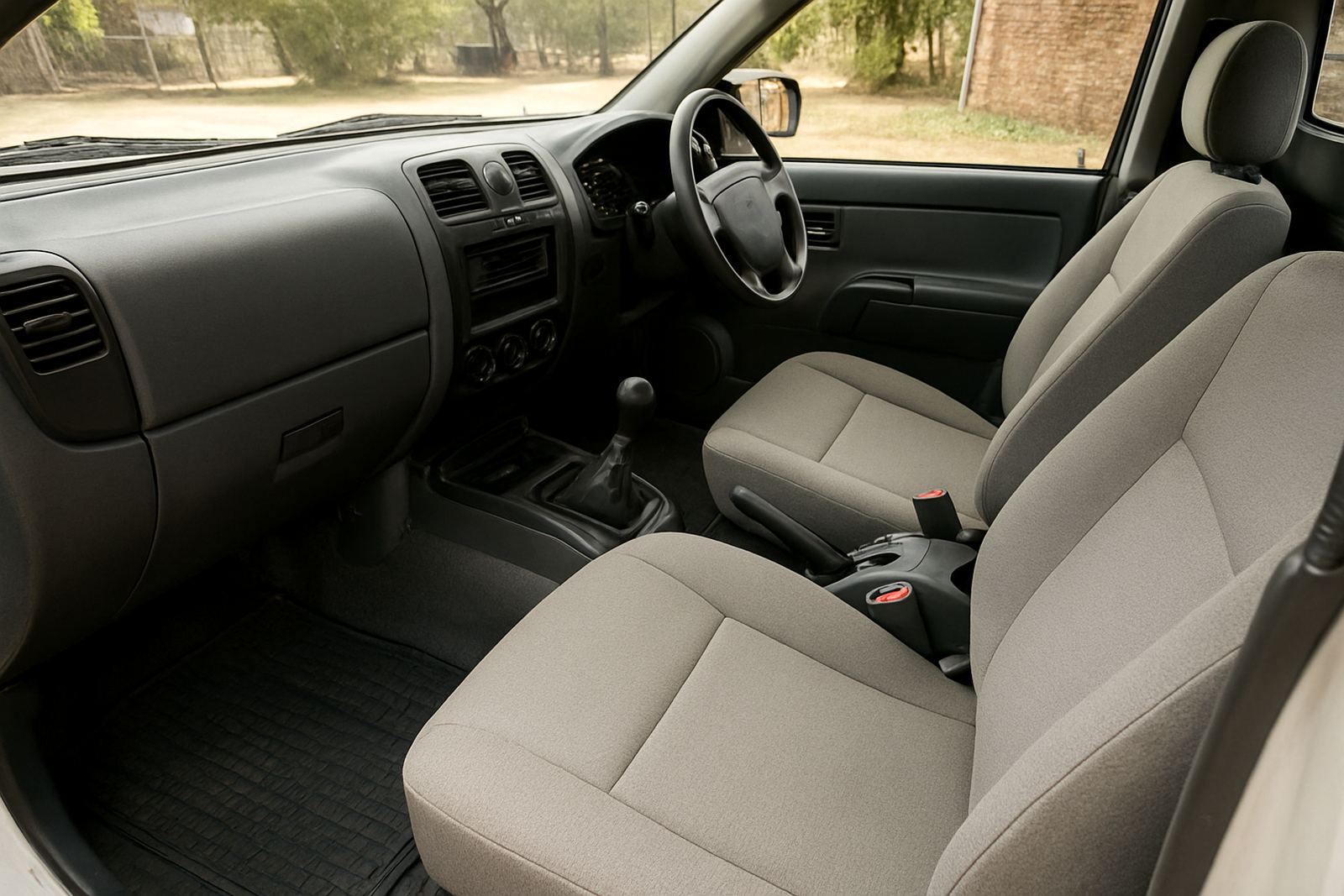
The easiest way to assess a clean cab is to focus on the spots that show daily use. These areas are usually the same whether the bakkie is single cab, extended cab or double cab.
- Driver seat for collapsed cushioning, split stitching and side bolster wear
- Steering wheel for shiny patches, tears or peeling material
- Gear lever and handbrake for heavy polishing from constant use
- Floor mats and carpet for mud, oil marks and damp smell
- Door trims and handles for scratches, loose pockets and broken clips
- Roof lining for sagging, stains or signs of water leaks
If those areas are clean but not overdone, the vehicle often feels well cared for. If they are covered up with sprays, seat covers and a strong air freshener, take your time and look underneath. A quick detail can hide a lot, and sometimes the real condition shows up only after a few minutes of proper inspection.
Cleaning that supports value, not just appearance
A proper interior clean should remove dirt without creating the idea of a fresh vehicle that is actually tired underneath. Buyers respond well to a cab that looks ready for work, not one that has been overpolished. The goal is simple: remove dust, odours and loose grime, then leave the surfaces natural and dry.
In our experience, the best results come from practical steps rather than fancy products. Vacuum the seats, cab floor and storage areas. Wipe the dashboard, steering wheel, window switches and handles with a damp cloth. Clean the vents and inspect under the seats for coins, fast-food wrappers, service records and loose wiring. If the vehicle has cloth seats, treat stains carefully so the fabric does not look patched or discoloured.
- Remove floor mats and check for rust or damp under them
- Lift seat bases where possible to inspect hidden dirt and damage
- Check for water entry after heavy rain or a car wash
- Test all interior lights, aircon controls and electric windows
- Make sure the cabin smells neutral, not perfumed over the top
On a used bakkie, a neutral cabin is usually more trustworthy than one that smells heavily treated. Buyers know that smell can be used to mask cigarette smoke, mould or fuel fumes, and that is never a good sign.
How interior condition affects resale appeal
Resale appeal is not only about paint and service history. Interior condition can shift a buyer's view by thousands of Rand, especially when two similar bakkies are standing side by side. A clean cab often suggests lower stress on the vehicle, fewer careless drivers and better storage habits. Even if the odometer is not low, a well-kept interior can make the vehicle easier to sell and easier to finance in the eyes of many buyers.
Buyers often assume that a clean cab means the owner was organised with maintenance too. That is not always true, but the assumption helps. If the cabin looks neglected, people start wondering what else was ignored, from tyres and brakes to clutch wear and service intervals. A polished dashboard cannot fix a poor service record, but it can support the overall impression when the paperwork is in order.
For dealers and private sellers, this matters at viewing stage. A neat interior helps the vehicle stand out in a crowded market, whether it is heading to a site in Centurion, a farm outside Bloemfontein or a family buyer in East Rand.
Local conditions that change what clean looks like
South African conditions shape how an interior ages. In dusty inland areas, a vehicle can look neglected simply because it works in construction, agriculture or delivery routes. In coastal towns, moisture can cause mildew on carpets, fogged glass and early wear on trim. In hot parked conditions, dashboards crack faster and seat material can harden, especially if the vehicle sits outside all day.
Power cuts add another small factor too. Some owners leave windows slightly open for airflow or use portable fans, and that can pull dust into the cab. If a bakkie has spent a lot of time parked with valuables inside, you may also see marks from repeated access or quick cleanouts before market photos were taken. These things do not always mean bad ownership, but they should guide your questions.
A buyer in Durban may prioritise mould-free carpets and working aircon. A buyer in Polokwane may care more about dust control, seat wear and whether the windows and locks still work smoothly. Clean means different things in different places, and that is worth remembering.
What to ask before you make an offer
When you are serious about a used bakkie, ask a few plain questions about the interior and how it was maintained. The answers often tell you more than the photos do.
- Has the vehicle been smoked in or used for transport of animals, tools or chemicals?
- Were seat covers fitted from new, or added only before the sale?
- Has any water entered the cab through doors, windscreen seals or roof lining?
- Are there any warning lights, electrical faults or aircon issues inside the cab?
- Has the vehicle been used for city deliveries, long-distance travel or site work?
If the seller can answer clearly and show you matching condition reporting or inspection notes, that usually helps. If the answers are vague, the cab may be cleaner than the story behind it. At Buy Those, we know that a clean interior should support the facts, not replace them.
A simple inspection routine that saves money
A short inspection routine can save you from costly surprises later. Start with the doors open, windows down and all surfaces in natural light. Then look, touch and smell. Check whether the plastics match in colour and age, whether the upholstery has been repaired, and whether any carpet feels damp. Press the seat bases, test the belts and inspect the under-seat area for rust or old leaks.
If the cab feels fresh, dry and consistent, you are already ahead. If it smells musty or the clean areas do not match the worn areas, take a step back and ask for more information. A good used bakkie should look ready for work, but it should also feel straight and honest inside. That balance is what gives a clean cab its real value.
For sellers, a proper cab clean before listing can make the vehicle easier to place. For buyers, it helps you avoid paying top Rand for a vehicle that only looks good from the outside.