What trailer tyre wear is really telling you
Tyre wear is one of the clearest clues on a trailer, because the tyres carry every bump, corner and stop the trailer takes. If the wear pattern looks uneven, the cause is usually not the tyre alone. It may be the axle, the load, the inflation pressure or the way the trailer is being used around town and on the highway.
For buyers in Kempton Park, Johannesburg or Pretoria, this matters on trailers that spend their lives doing short trips, stop start traffic and frequent loading. A trailer that has sat outside in Spartan, East Rand or coastal areas like Durban can also show ageing before the tread is fully gone. Sun, standing water and under inflation all leave their mark.
The main thing to remember is that wear tells a story. Once you know what to look for, you can ask better questions and judge whether the trailer has been cared for properly or simply patched up for sale.
Side wear, centre wear and feathering on trailer tyres
Different wear patterns point to different problems. If the middle of the tread is worn faster than the edges, the tyre may have been running overinflated. If both shoulders are wearing more than the centre, the tyre may have been underinflated or overloaded. On a trailer, that can also happen when cargo is unevenly placed, so one side carries more weight than the other.
Feathering is another useful sign. Run your hand lightly across the tread and if it feels smooth one way and rough the other, that can point to misalignment or a bent component. On a single axle trailer, that may mean the axle is sitting out of line. On a multi axle unit, it can also suggest that one wheel is dragging or not tracking correctly.
- Centre wear often links to too much pressure
- Shoulder wear often points to underinflation or overload
- Feathered tread can suggest alignment trouble
- One tyre wearing faster than the other may mean uneven loading
Cracks, bulges and flat spots that should not be ignored
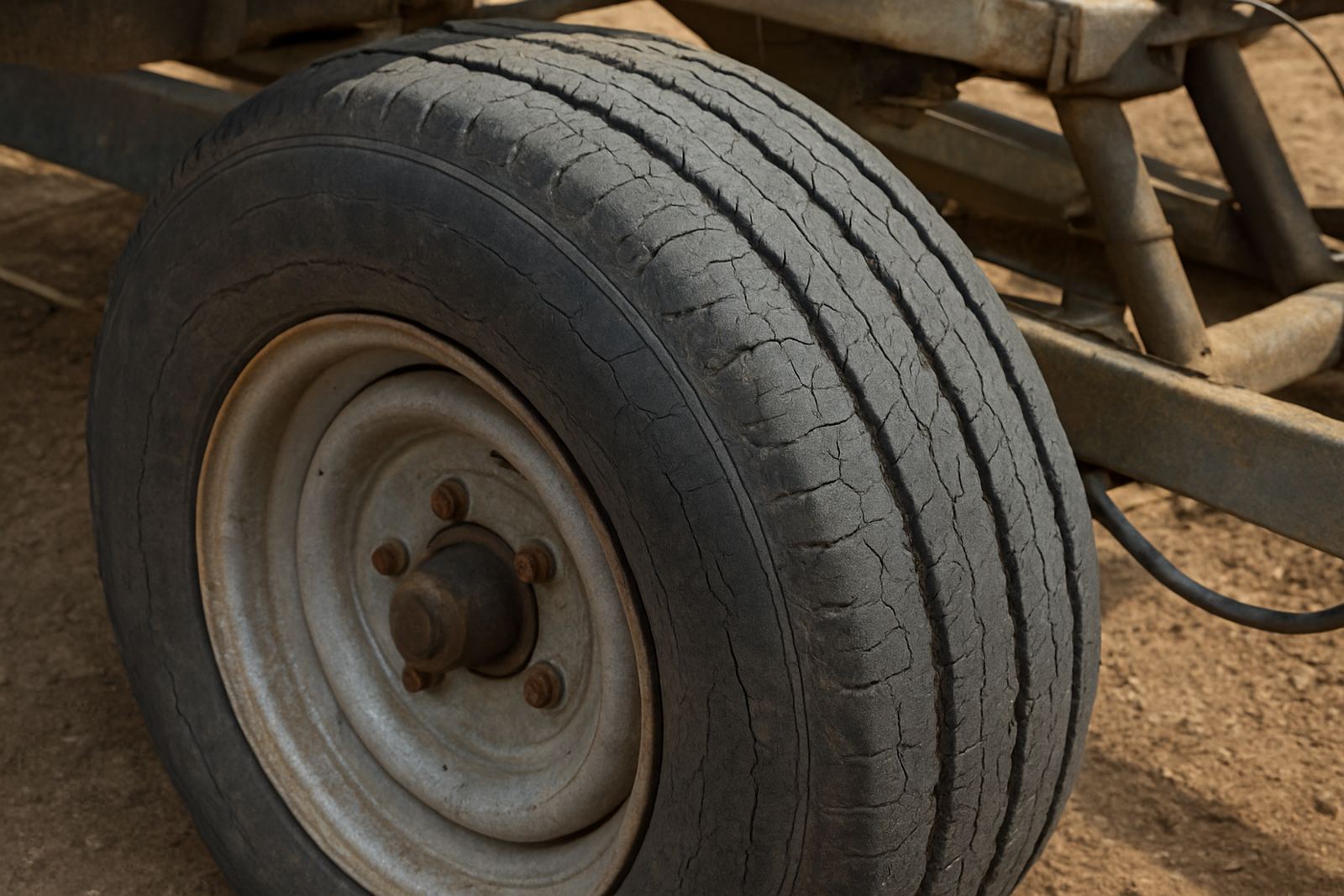
Not every warning sign is about tread depth. Cracks in the sidewall, small bulges or cuts near the bead can mean the tyre is weakening from age, impact damage or repeated overload. If a trailer has been stored outdoors for years, especially in strong sun, the rubber may harden and crack even if the tread still looks decent.
Flat spots are also common on trailers that stand for long periods. A trailer parked for months on the same patch can develop vibration when it is next used. In some cases the owner may say the trailer just needs a balance, but the real issue is that the tyre has sat under load too long and may now be unevenly shaped. That is worth checking before you tow far.
Look carefully at the valve stems too. If they are split, loose or perished, air loss can start there. A slow leak is easy to miss until the tyre runs hot on a longer trip, and by then the damage may be done.
What wear patterns say about load and towing habits
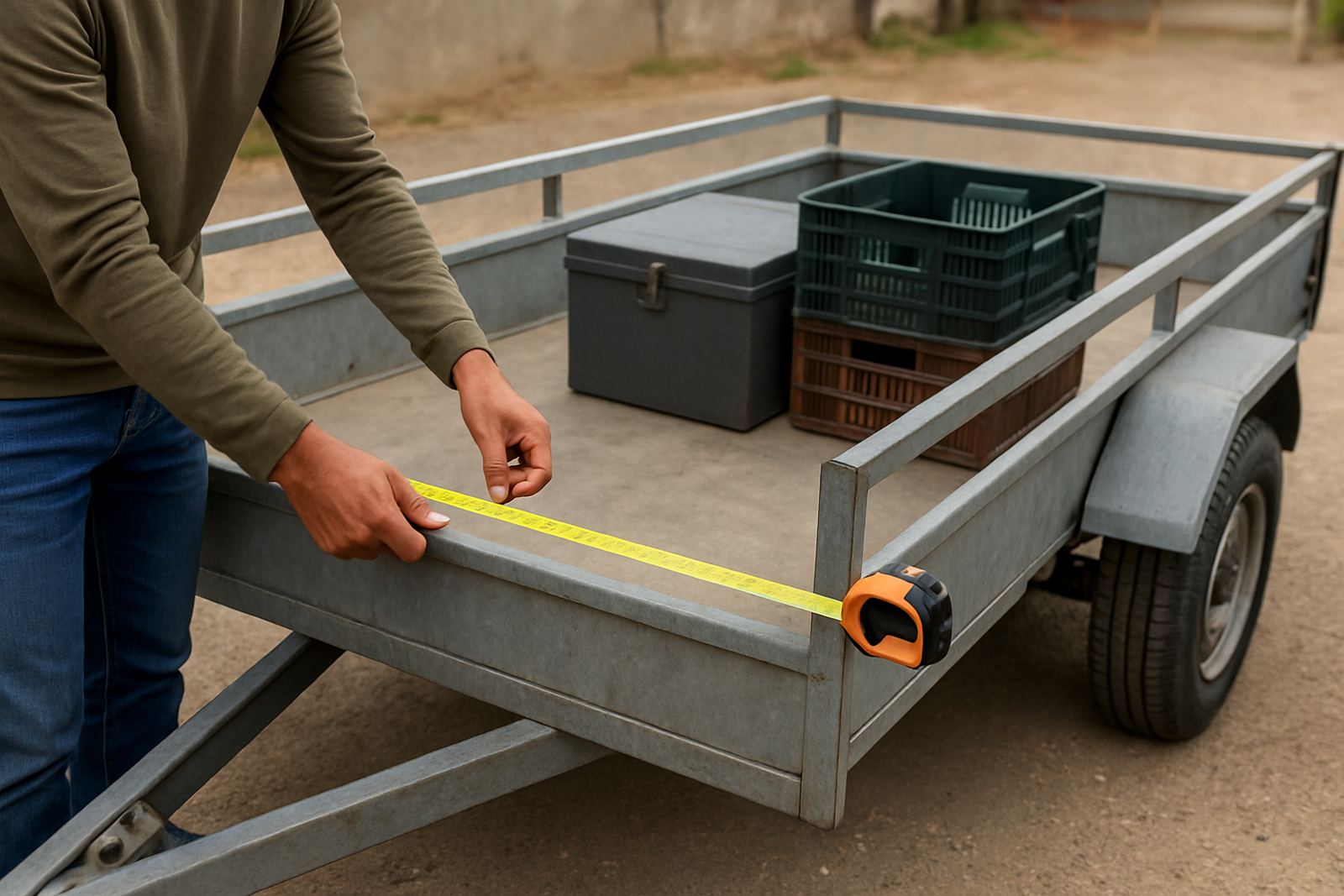
Trailers are often judged by the bodywork, but tyre wear gives a truer picture of how it has been used. A trailer that is always loaded right to the limit will usually show faster wear, especially if the cargo is not spread evenly across the floor. Small utility trailers, bike trailers and enclosed units can all suffer if the load sits too far to the rear or too far forward.
Ask how the trailer is used. Has it carried building material, garden waste, furniture or stock? Was it towed on rough roads, gravel or long highway runs between Gauteng and places like Bloemfontein or Polokwane? Heavy use is not a problem by itself, but the tyres should show wear that matches the story. If the tread is badly chopped up on a lightly used trailer, something is off.
- Heavy centre load can increase rear tyre wear
- Too much tongue weight can stress the front of the trailer
- Loose cargo can cause scrubbing and patchy wear
- Regular overloading shortens tyre life and affects braking
Age matters even when the tread looks fine
Tyres have a shelf life as well as a tread life. A trailer with plenty of tread can still be unsafe if the rubber has aged, gone hard or started to split. This is common on older trailers that were used only now and then or kept outside with no cover. The tyre may pass a quick glance, but the rubber can no longer flex properly.
Check the sidewall for the date code and compare it with the general condition. If the tyres are older than you would expect for the use shown, factor replacement into your buying decision. That cost can change the real price of the trailer quite a lot, especially if both tyres need replacing plus the spare. It is better to know before you load up and head out.
For sellers, honest tyre condition helps the sale. A trailer that has been washed, checked and set up with sound tyres gives buyers confidence, and the inspection is often the first thing they notice after the lights.
A real local check before you buy in Gauteng or KwaZulu-Natal
We often see the same pattern on trailers coming through the Kempton Park area. A buyer sees a neat trailer with decent paint and working lights, but the tyres tell a different story. One side is wearing faster, the spare is cracked, and the inner shoulder has taken a knock from repeated curbing. That trailer may still be usable, but it needs proper attention before it can be trusted for regular delivery work.
A practical walk around in daylight can save a lot of trouble. Check the wear across both tyres, look underneath for bent suspension parts and make sure the wheel nuts are secure. On a damp morning, also look for rust near the rims and axle mounts, because moisture and coastal air can speed up corrosion. If the trailer has been kept in Durban or moved there often, this check becomes even more important.
If you are buying for business, build tyre condition into your decision with the same care you give to brakes, lights and load capacity. A cheaper trailer can become expensive fast if the tyres are near the end of their life.
How buyers and sellers can use tyre signs properly
Tyre signs are best used as part of a full inspection, not as the only test. They should guide the questions you ask and the price you are prepared to pay. If the wear is even, the sidewalls are sound and the age is sensible, that is a good sign. If the tyres show mixed wear, cracking or heat damage, you need to look deeper before agreeing to anything.
For sellers, being upfront about tyre condition avoids wasted viewings and helps the right buyer come through. For buyers, it helps you compare trailers fairly across Johannesburg, Pretoria, Centurion, Polokwane, Bloemfontein and Durban. A trailer with honest wear and a fair price is usually better value than one with shiny paint and hidden tyre problems.
In short, tyres do not lie for long. They show how the trailer has been loaded, where it has travelled and whether it has been looked after properly.