Start With The Paperwork Before You Walk Around The Bakkie
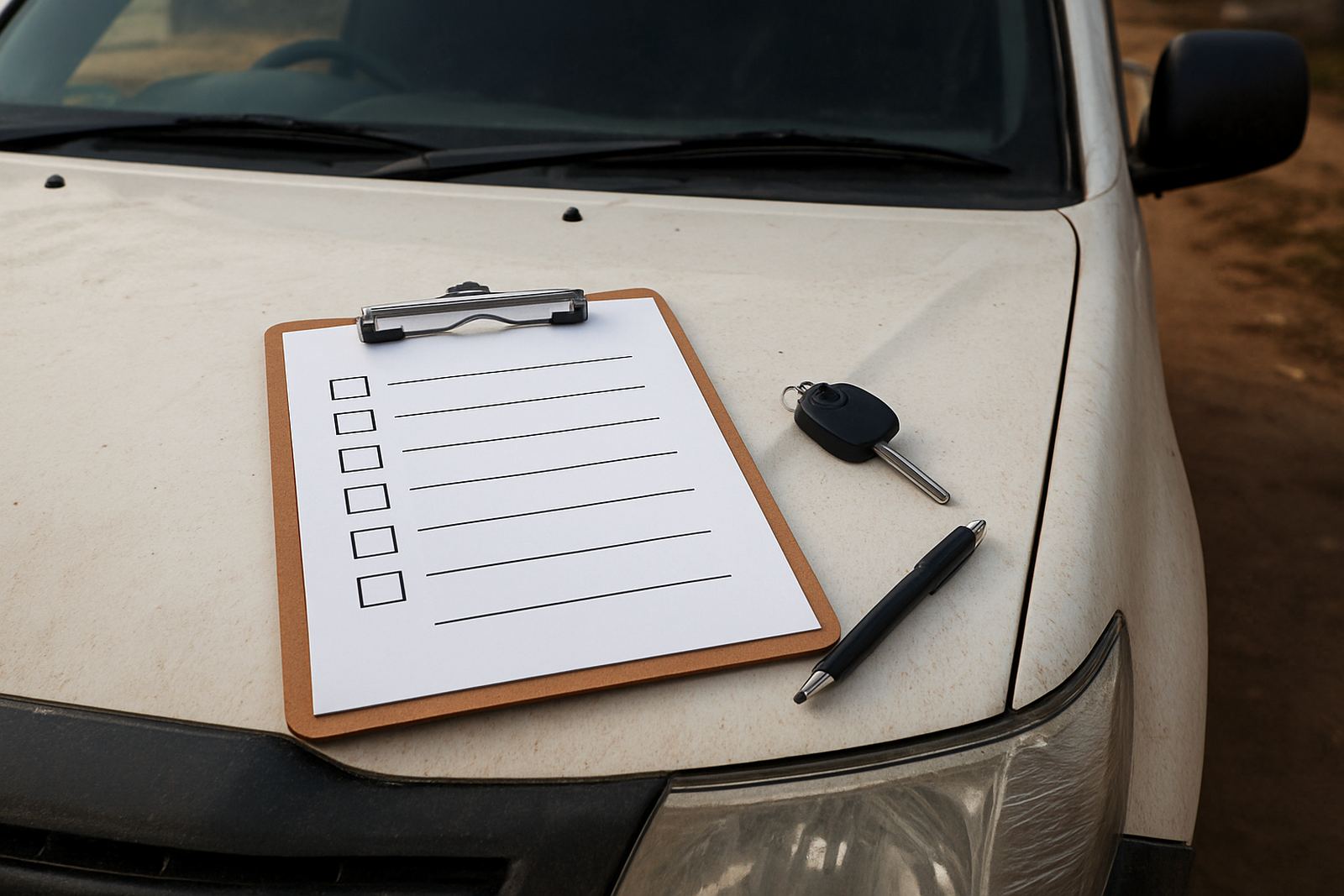
Before you even open the bonnet, check that the papers match the vehicle in front of you. Look for the VIN, engine number and registration details, then compare them with the licence disc and the seller’s documents. If something does not line up, stop there and ask questions. It is also worth checking whether the bakkie has been financed before and whether there are any written conditions on the sale.
In South Africa, paper issues can become expensive very quickly, especially when a vehicle is moved between provinces or sold by a private seller. A proper paper trail gives you more protection and helps avoid delays when you want to licence, insure, or register the vehicle in your name. Bring a notepad and keep a clear record of the details you see.
Walk Around The Body And Look For Accident Repairs
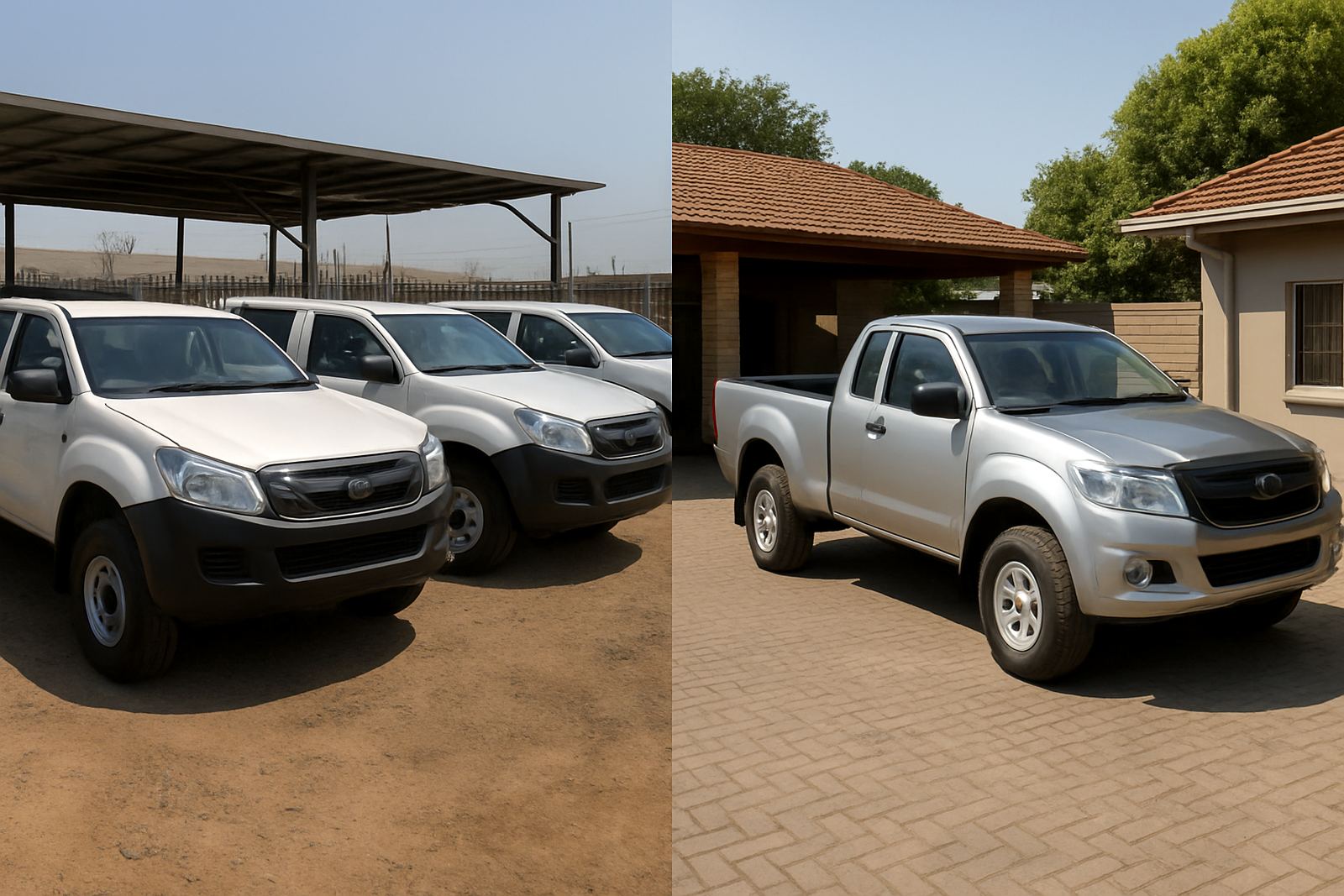
Take your time and stand back from the bakkie first. Check that the gaps between panels look even, the doors close properly, and the paint finish is consistent from one panel to the next. Mismatched colour, overspray on rubbers, fresh sealant or uneven panel lines can point to repair work after an impact. A few stone chips are normal, but bent mounts, ripples in the metal or new paint on only one side should make you ask more questions.
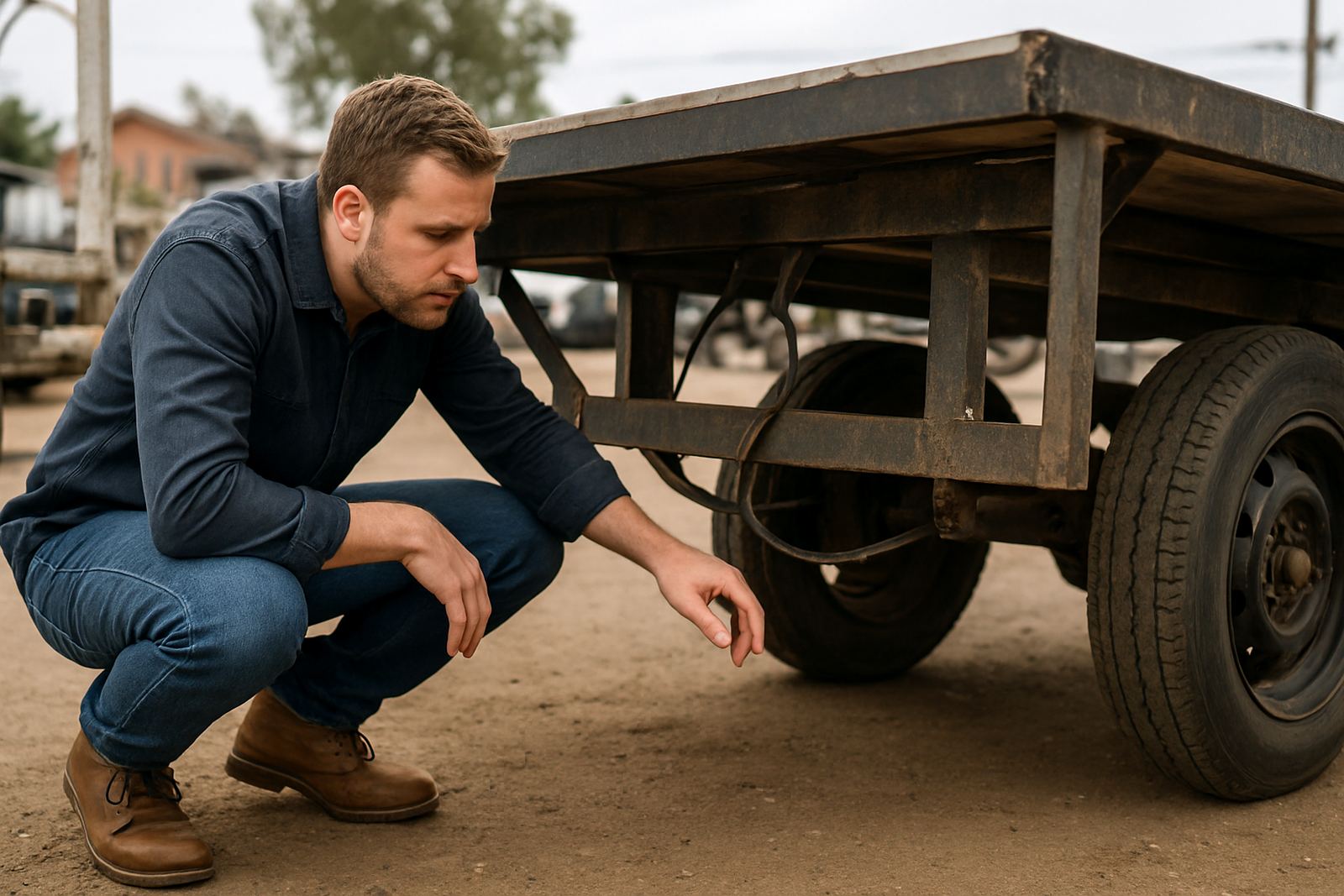
Pay special attention to the load bin, tailgate and rear corners because bakkies often carry heavy loads and get bumped during daily use. Rust can also appear under wheel arches, on chassis points, and around the tailgate hinges. Coastal towns such as Durban can be harder on metal due to humidity, so rust checks matter even more there. One small patch of surface rust may be manageable, but deep corrosion needs proper assessment.
- Check door edges, bonnet lips and the underside of the load bin.
- Look for colour differences in sunlight and under shade.
- Open and close every door, the bonnet and the tailgate.
- Inspect tow bar mounts, bumper ends and recovery points for bending.
Inspect The Engine Bay And Cold Start Behaviour
A clean engine bay is not always a good sign, and a dirty one is not always bad. What matters is whether there are leaks, loose wiring, cracked hoses or missing caps. Look underneath for oil drips, coolant stains and wet patches around the gearbox and transfer case. Check the oil colour on the dipstick and confirm that coolant sits at the correct level. If the bakkie is diesel, listen for rough idle, knocking or excessive smoke on start-up.
Ask to start the vehicle from cold rather than after it has been warmed up. A cold start shows you more about battery strength, glow plug performance and general wear. In places where power cuts affect daily routines, battery condition matters more than people think. A weak battery can leave you stranded in the morning, and poor charging can point to alternator trouble.
Test The Suspension, Steering And Brakes On Real Roads
A used bakkie may look fine in the yard but feel very different on the road. During the test drive, pay attention to steering pull, clunks over bumps, brake feel and body roll. If the vehicle wanders at speed or the steering wheel sits off-centre, it may need alignment or deeper suspension work. Listen for knocking from the front end, rear leaf springs, or worn bushes.
Brakes should stop the bakkie in a straight line without vibration through the pedal or steering wheel. Test on a normal road if possible, not just a short loop around the block. A proper test should include stop-start traffic, a few potholes, and at least one stretch where you can hear wind noise, gearbox changes and suspension movement. If the seller rushes you, that is usually not a good sign.
- Release the steering wheel briefly on a straight road and see if the vehicle drifts.
- Listen for squeaks or knocks when turning slowly into a parking bay.
- Brake firmly once at safe speed to check for shudder or pulling.
- Drive over a rough surface to expose hidden suspension noise.
Check Tyres, Load Area And Work-Use Wear
Tyres tell you a lot about how a bakkie has been used. Look at the tread depth, sidewall cracks and even wear across all four tyres. Uneven wear can point to bad alignment, suspension wear or overloading. Also check the spare wheel, because plenty of buyers forget it until they need it. If the tyres are mixed brands or sizes, ask why that is.
The load area should suit the job you want the bakkie to do. For a work vehicle, inspect the bin floor, canopy fit if fitted, tie-down points and tailgate hinges. If it has been used for building materials or deliveries, you may see scratches, dents and weld marks. That is not always a deal breaker, but it should affect the price. A bakkie that carried heavy loads may have hidden strain on the rear suspension and chassis, so check carefully.
Use The Interior To Judge Daily Life And Care
The cabin can show you how the vehicle was treated every day. Worn pedals, loose seat trim, broken handles and dirty switches are signs of heavy use. Check that the windows, aircon, lights, wipers and central locking all work. Open the glove box, test the seat adjustment and make sure the instrument cluster lights up properly. If warning lights stay on after start-up, ask for a clear explanation before you go any further.
Inside the cab, smell matters too. Damp smells can suggest water leaks, and strong chemical smells may be hiding mould or smoke damage. In a practical sense, a neat interior often tells you the owner paid attention to the rest of the vehicle as well. It is not proof, but it helps. Also check for missing tools, loose trim and any signs that the dash has been removed and refitted.
Finish With A Local Buying Example And Final Questions
Say you are looking at a single-cab bakkie in Kempton Park for deliveries between Johannesburg and Pretoria. The papers match, the body is straight, the engine starts clean, but the rear tyres are worn on the inside and the steering sits slightly left. That tells you the vehicle may need alignment and tyre work before it goes into service, so the asking price should reflect that. Small fixes are normal, but you need to know the real total before you commit.
Before you say yes, ask yourself three final questions: can I prove ownership details are correct, can I afford the immediate repairs, and does the vehicle suit my work or family use? If the answer is uncertain on any of those points, take another look or bring in someone who knows used bakkies well. A careful check now saves money later, and it helps you buy with confidence rather than hope.