Arrive with a clear job in mind
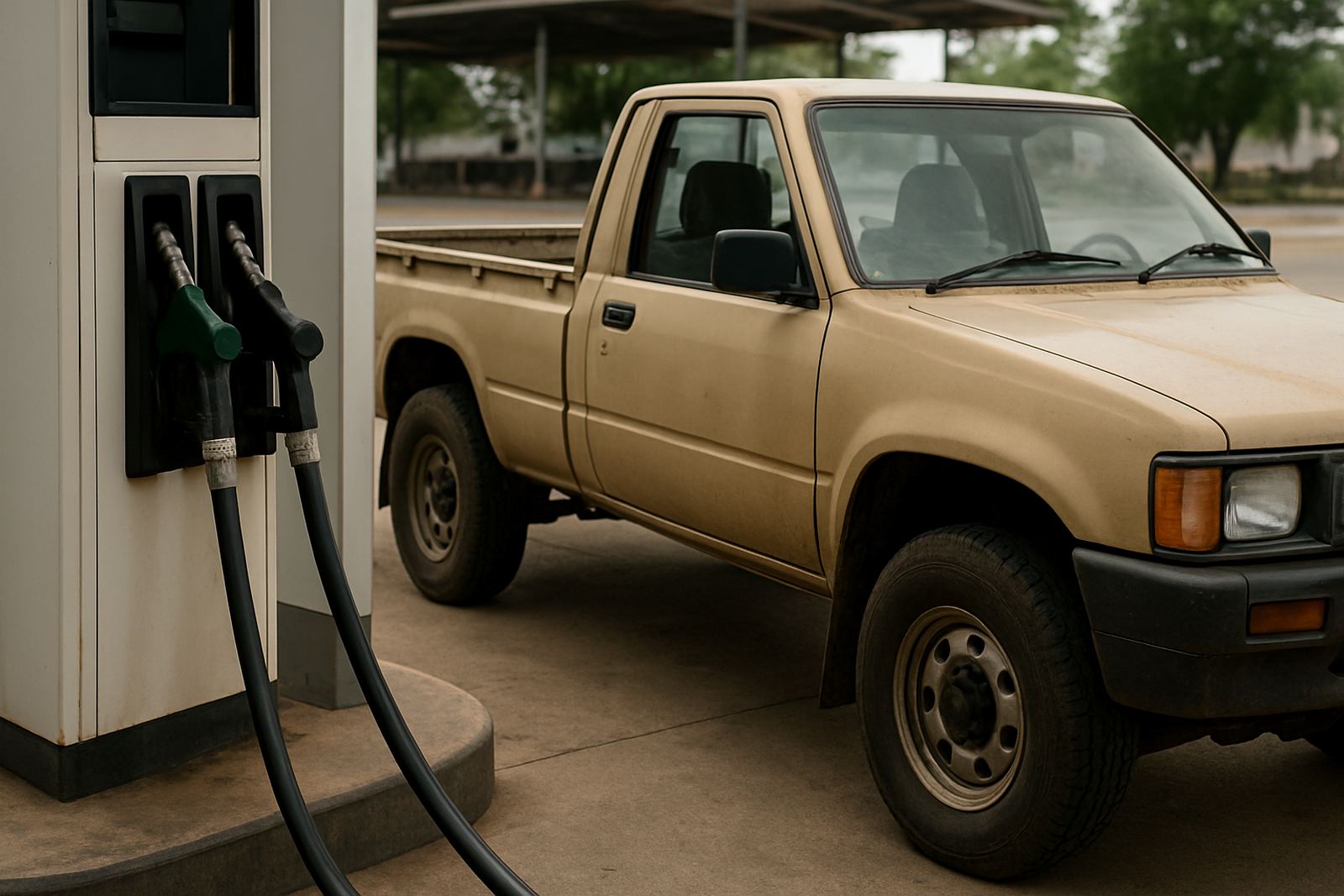
Before you travel, decide what the vehicle must do for you. A single cab bakkie for tools and site runs has different needs from a double cab for family use, and a trailer for garden waste is not the same as one for moving stock across town. If you know your load, your roads, and how often you will use it, you can judge the vehicle on the right points instead of being distracted by shiny extras.
Think about where the vehicle will work. In Kempton Park or the East Rand, stop start traffic and short trips matter. For Pretoria or Polokwane, longer runs and hot weather can reveal cooling issues. In Durban, coastal humidity can show rust sooner. That context matters more than a polished paint finish, and it can save you money down the line.
Bring the right basics with you
A good viewing is not just looking and hoping. Bring a torch, a tyre gauge, a cloth for checking oil or damp patches, and if you can, a trusted mechanic or someone who knows bakkies and trailers. You do not need a full workshop, just enough tools to check the parts that owners often overlook. If the vehicle is being viewed late in the day, make sure there is still enough light to inspect panels, under the bonnet and under the chassis.
- Take a notebook or use your phone to record mileage, tyre size, service notes and any repairs needed.
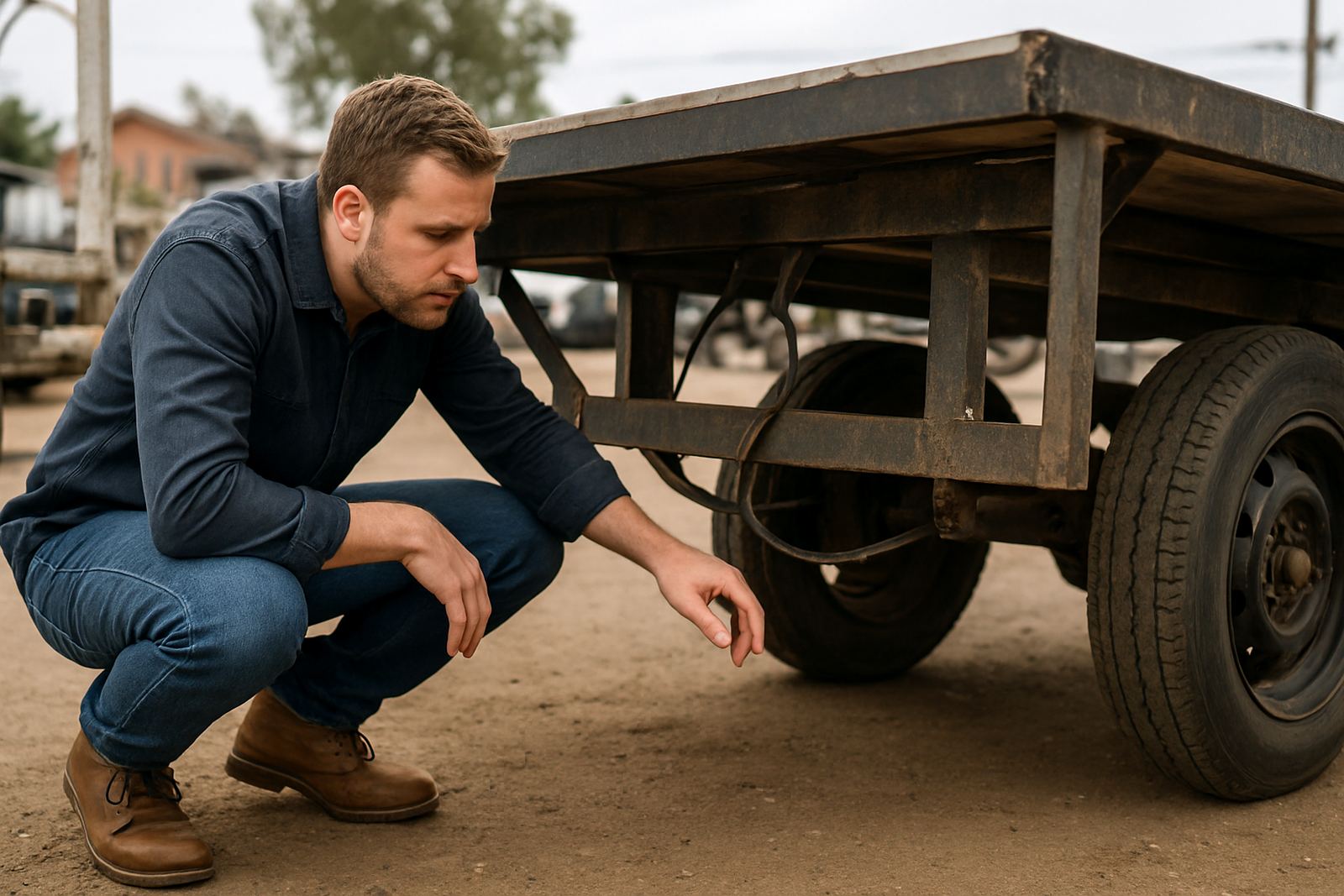
- Wear shoes that allow you to crouch and check underneath the vehicle comfortably.
- Carry cash only for minor holding deposits if you have agreed that in advance, not as a way to rush yourself.
- Set aside time to compare more than one option if possible, even if the first one looks good.
A rushed viewing often leads to missed dents, worn suspension bushes, poor brake feel or a trailer with a bent coupling. A few extra minutes can make a real difference.
Inspect the body and load areas carefully
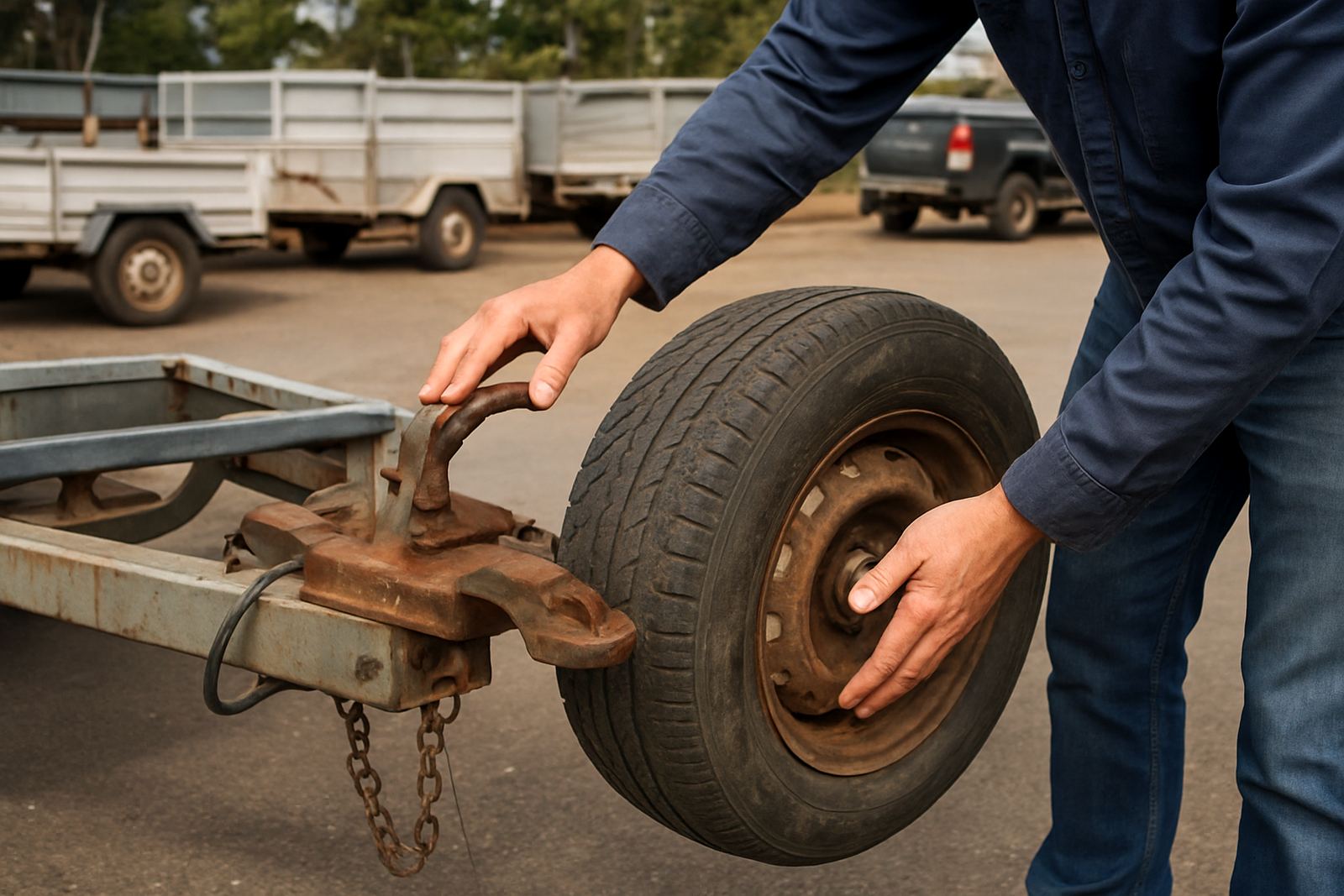
Start with the outside, then move to the working parts. On a bakkie, check the cab corners, door bottoms, wheel arches, load bin, tow bar and canopy if fitted. On a trailer, inspect the drawbar, floor, side rails, tailgate hinges and the mounting points. Look for uneven panel gaps, fresh paint on one area only, or signs that repairs were done after a knock. Small dents are normal on used work vehicles, but mismatched panels or waviness can point to bigger damage.
Open and close every door, tailgate or ramp. Listen for loose hinges, sticking locks and weak gas struts. In South African conditions, especially near the coast, rust can start around bolts and seams long before the rest of the body looks tired. If you spot corrosion, ask whether it is surface rust or structural. That answer should guide your offer.
- Check under wheel arches for corrosion, cracking and old underseal hiding repairs.
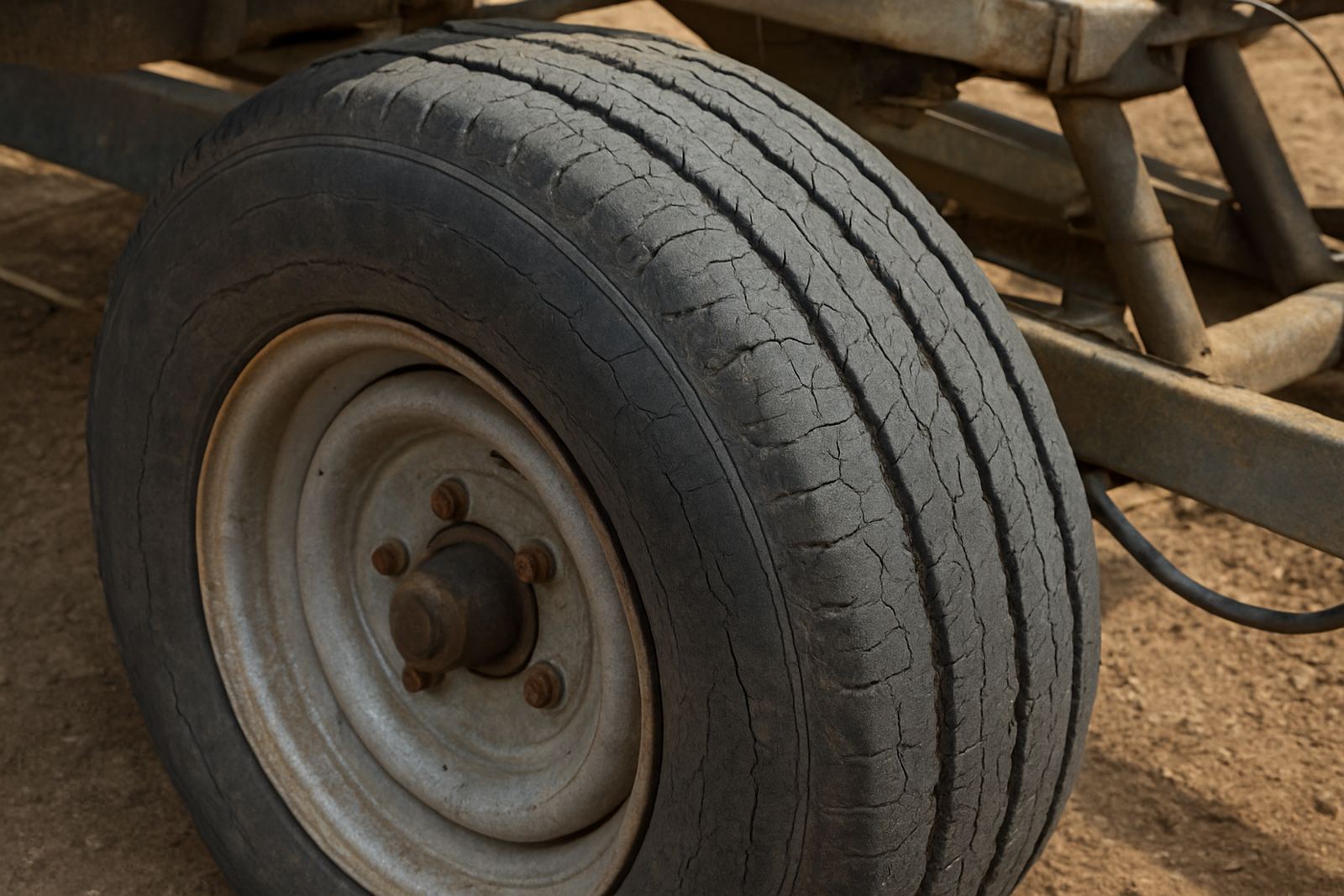
- Look for flat spots on tyres and uneven wear on one side.
- Make sure trailer lights, reflectors and number plate mounts are present and secure.
- On a bakkie, inspect the rear suspension for sagging when the load bin is empty.
Use the test drive to read the vehicle properly
Never treat a test drive as a formality. Start the vehicle cold if you can, because a cold start can reveal smoke, noisy tappets, weak batteries or hard starting. Drive on a mix of roads if possible. You want bumps, stop streets, a stretch of open road and a chance to reverse or turn tight corners. A vehicle can feel fine for two minutes and still hide clutch slip, steering play or brake vibration.
Listen with the radio off and the windows up, then down. Notice how the gearbox selects gears, whether the clutch bites too high or too low, and whether the steering pulls. For trailers, hitch it properly and check how it tows when empty. A trailer that sways or sits nose-up can create problems once loaded. If the owner says the vehicle is fine but the brakes feel soft or the engine temperature climbs, trust what you feel.
When power cuts or local power cuts affect the area, some sellers may not be able to show a vehicle under lights or at full convenience. That is fine, but do not skip the essentials. Good viewing is about checking condition, not making excuses.
Ask questions that affect the final price
A fair offer depends on the real condition and the real running costs. Ask straightforward questions and write down the answers. If a seller cannot answer clearly, that tells you something too. You are not being difficult, you are protecting your budget.
- When was the last service and what was done?
- Has the vehicle been in an accident or had panel repairs?
- Are the tyres, brakes, battery and suspension due soon?
- For trailers, is the paperwork in order and are the lights working properly?
- Are there any warning lights, oil leaks or overdue repairs?
If the answer to one item is vague, budget for it. That is where viewing day can give you real value. A bakkie that looks cheaper up front may need tyres, a battery and brake work, which changes the picture completely. One missing detail can add a few thousand Rand very quickly.
Make the offer with facts, not pressure
After the viewing, take a short break before you commit. Compare the vehicle with others you have seen, then weigh condition against price. If the tyres are near the legal limit, the suspension is tired or the body needs attention, use those points when making an offer. Keep it practical and specific. A seller is more likely to respond to a clear reason than to a vague lower number.
In Johannesburg, a used bakkie may have spent plenty of time in traffic and on building sites, so wear on the clutch and brakes can be more important than the odometer alone. In Bloemfontein, dry roads may hide paint issues but not mechanical ones. In Durban, rust and electrical wear can matter more because of moisture and salt air. Local conditions shape value, and that is why a viewing should always lead to a better informed offer, not a rushed one.
If you are buying through a listing arranged for private sellers or dealers, keep your notes. They help with comparison, they help with negotiation and they help when you need to remember what was said on the day.
End the appointment with next steps you can act on
Before you leave, confirm the next step. That might be a second viewing, a mechanic check, paperwork review or collection planning. If delivery is needed, ask about timing, access and any restrictions at your address or business premises. In some municipal areas, parking space, entrance width or loading hours can matter more than people expect, especially for larger trailers or work bakkies.
Keep the appointment practical. Good buying is not about finding a perfect used vehicle. It is about finding one that matches your work, your route and your budget with no surprises you could have spotted on viewing day. That approach saves time and it usually saves money too.