Start With The Sides, Floor And Tailgate
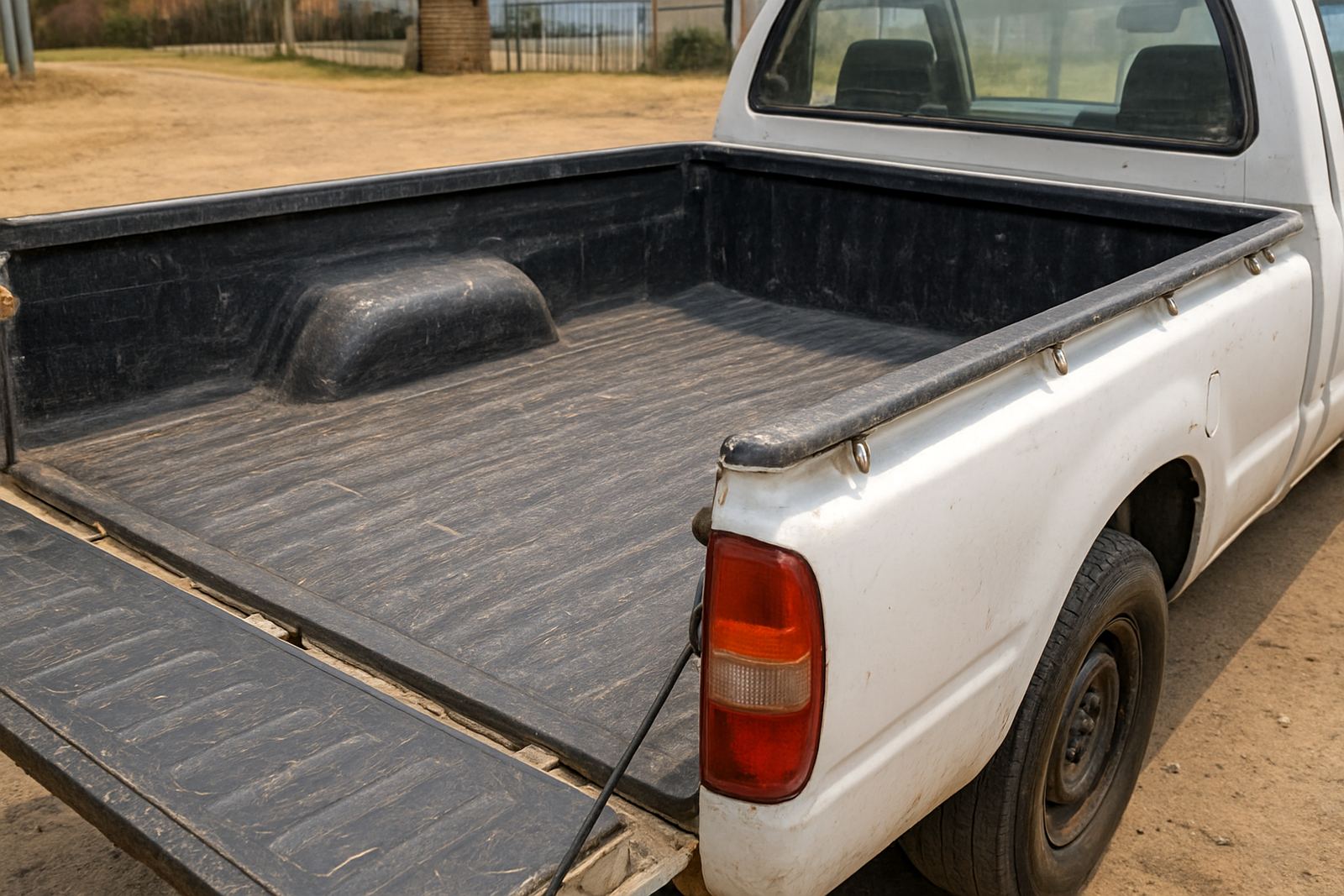
When you inspect a used bakkie, the load bin is one of the clearest signs of past use. A clean bin is nice, but the real value is in what the metal is telling you. Look at the side panels, floor seams, tailgate edges and tie-down points for marks that point to heavy loads, repeated scraping or poor repairs.
Dents in the floor often come from stone, tools or loose cargo bouncing around under load. Small dings are normal on a working vehicle, but deep creases, wavy panels or bent corners can mean the bakkie carried more than it should. If the tailgate hangs unevenly or does not close neatly, that may mean the bin took a knock or the hinges are worn.
- Check for uneven gaps between panels and the cab
- Look for bent tie-down hooks or torn weld points
- Lift the tailgate and test for sagging on one side
Rust Shows More Than Age
Rust is not only about age, it often points to where and how the bakkie was used. Coastal moisture, rain and standing dirt inside the bin speed up corrosion. In places like Durban, even a vehicle that looks tidy from a distance can hide rust under a liner or along the lower seams.
Surface rust on a scratch is one thing. Bubbling paint, flaking metal or rust around bolt holes is another matter. Once rust starts on a load bin edge or under the lip of the floor, it can spread where water collects after washing or rain. A bakkie used for construction, gardening or deliveries may show this faster than one used mostly for school runs or light private use.
- Inspect the underside lip of the bin for brown staining
- Feel around the seam where the floor meets the side walls
- Check the tailgate bottom edge for pitting and corrosion
What A Liner Can Hide Or Reveal
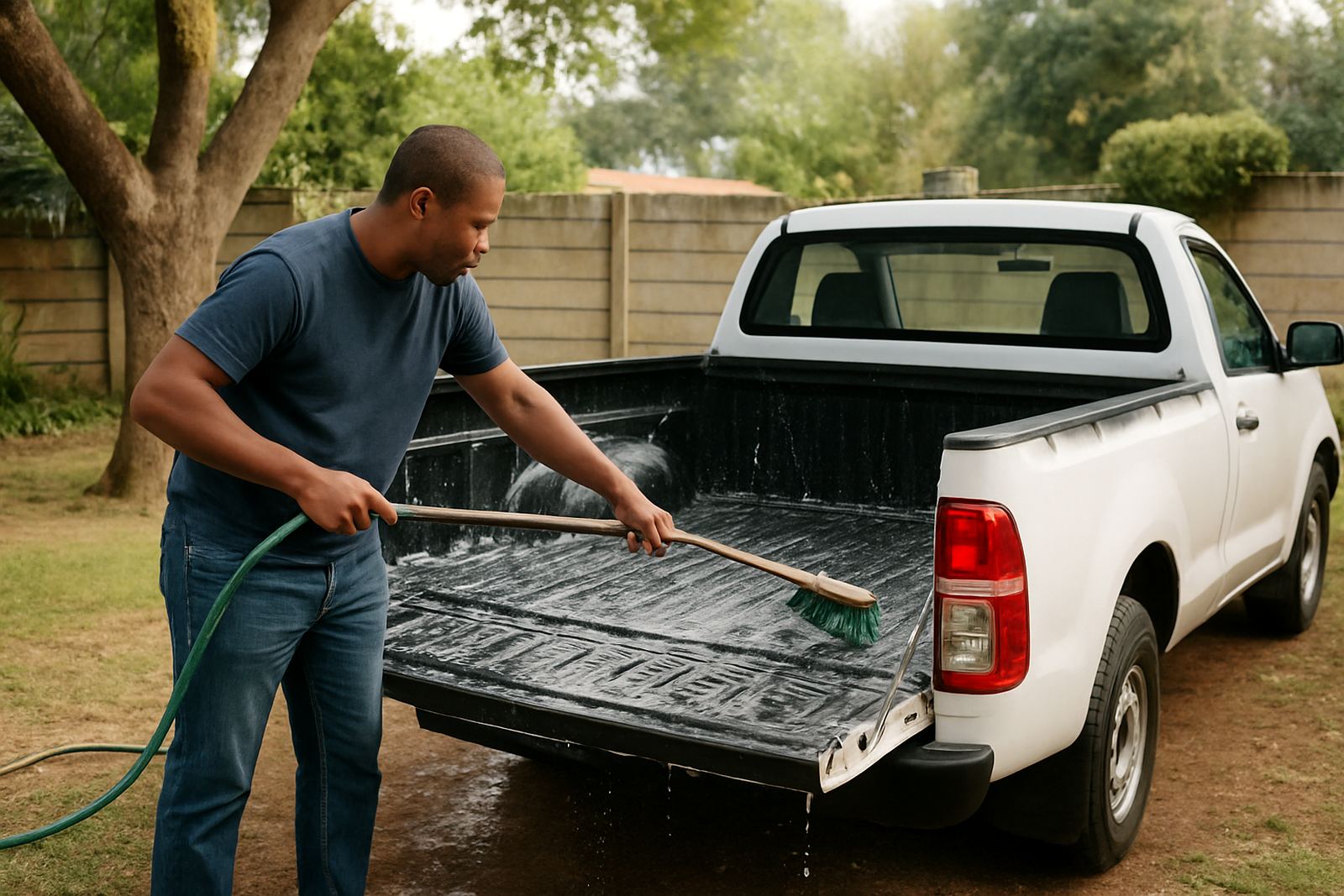
A bin liner can protect the load bed, but it can also hide damage if it has not been fitted and checked properly. A well-kept liner should sit flat and not trap grit, water or mud underneath. If you see swelling, loose clips or cracks in the plastic, there may be rust building underneath. That is where a close look matters, not just a quick glance.
Rubber mats and spray-on coatings tell different stories too. A sprayed coating can be neat and practical, but if the finish is patchy or lifting at the edges, ask why. Loose liners can rub against the metal and hold moisture after a wash or after a load in wet weather. On a bakkie used around Kempton Park or Johannesburg, that kind of wear often comes from daily loading and fast turnarounds.
- Check if the liner moves when you press at the corners
- Look for trapped sand, grit or damp patches underneath
- Ask when the liner was fitted and whether it was lifted for inspection
Signs Of Hard Work Versus Neglect
There is a difference between a bakkie that has worked and one that has been abused. Honest wear usually shows in a few scrapes, scuffed edges and some fading where the sun has hit the paint. Neglect shows up as broken mounts, cracked welds, badly matched touch ups and rust left to spread. That is where the story changes from normal use to possible repair costs.
If the bin has deep grooves, missing plugs or damaged trim, ask what was carried. Building material, scrap, tools and loose equipment all leave different marks. A vehicle used for towing and site work may still be sound, but you want proof that it was serviced and not simply patched after each knock. That matters when you are buying for work, because downtime costs money. A bakkie that looks cheap but needs panel work can end up far more expensive than one with a cleaner bin.
- Scrapes are common, but sharp folds can mean impact damage
- Fresh paint in one section may hide old repairs
- Broken drain holes can trap water and speed up rust
Why The Load Bin Matters For Price
The condition of the load bin should affect the price. A bakkie with a solid, straight bin and light wear can justify a stronger asking price than one with rust, dents and liner damage. If the seller cannot explain the marks, or if the bin suggests heavy commercial use, that is a point for price guidance. It is not only about appearance, it is about future cost.
For private buyers in Pretoria or Polokwane, a tidy bin may mean the vehicle was mostly used for family and light weekend jobs. For dealers, the bin condition helps decide how much prep is needed before resale. A quick re-spray, liner replacement or tailgate repair can add up fast, especially if parts need to be sourced and the vehicle has to stand while repairs are done. A buyer should always factor in that extra spend before making an offer.
A Kempton Park Example That Brought The Warning Signs Together
A recent inspection in Kempton Park showed how a load bin can give away the full picture. The bakkie looked presentable from the front, but the bin floor had ripple marks, the tailgate sat slightly low and there was rust around two tie-down points. Under the liner, damp sand had settled along the seam and one corner had started to blister. The seller said it was only used for light deliveries, yet the signs told a different story.
That is why buyers should always inspect the bin in good light and not rush the process. If possible, open the tailgate, lift the liner edge and run your hand along the seams. A few small blemishes are fine, but a pattern of rust, dents and wear usually points to repeated heavy use. When that happens, the vehicle can still be a good buy, only if the price matches the condition and you know what repairs are coming.