Start with the story behind the vehicle
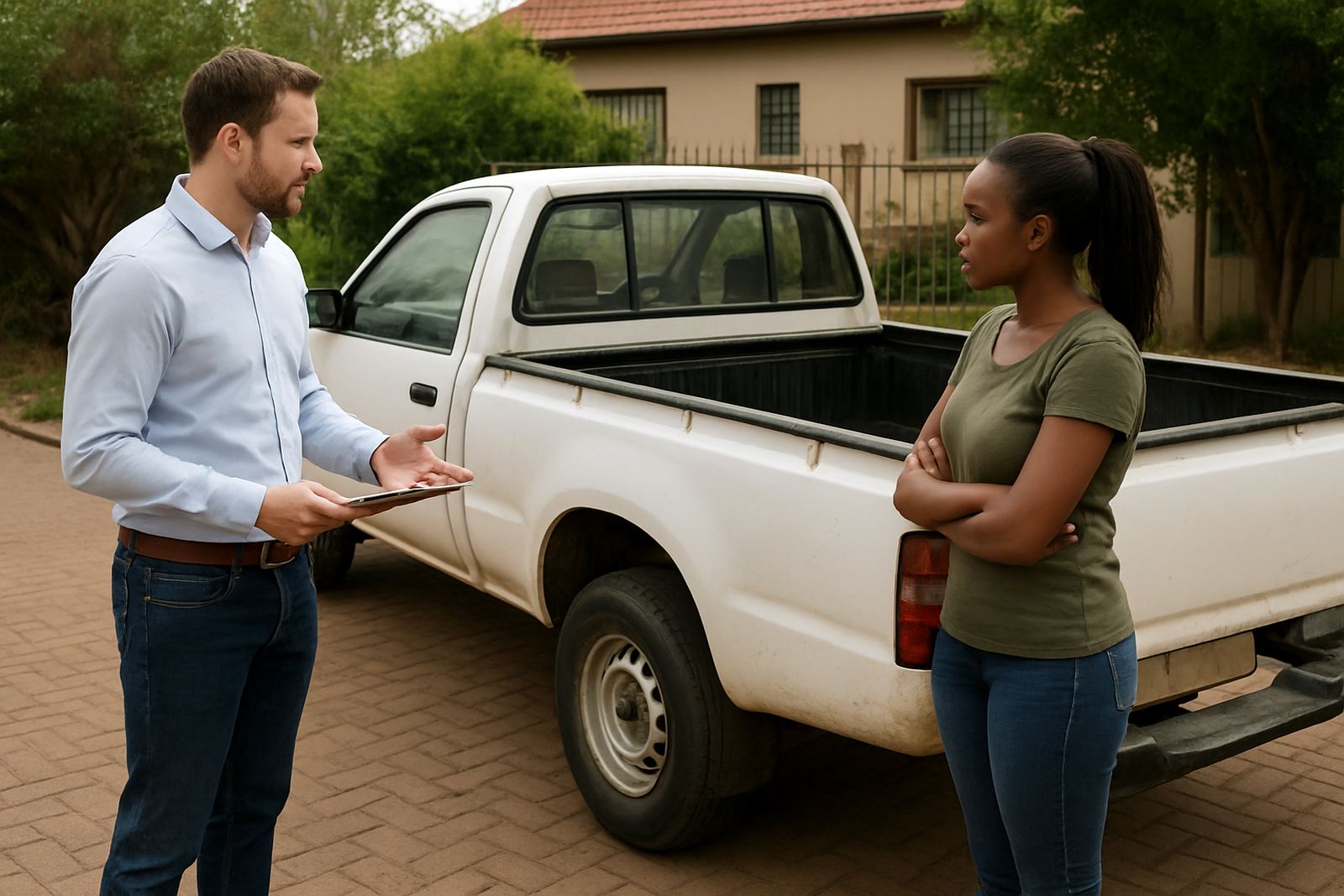
Begin with the simple question: why is it being sold? A private owner, a contractor, and a dealer will all have different answers, and the reason often gives context for the rest of the conversation. If the seller says they are upgrading, that is normal. If the answer keeps changing, or sounds vague, ask more.
Then ask how long they have owned it, what it was used for, and whether it worked in town, on farms, or on long-distance routes. A bakkie used for light family duties is very different from one that pulled a loaded trailer through Gauteng traffic every day. Small details matter here, and they can save you from buying someone elses problem.
- Why are you selling?
- How long have you owned it?
- What was it used for most of the time?
- Has it been used for towing, off-road work, or heavy loads?
Ask about service history and regular care
A used vehicle can look tidy and still have poor upkeep. Ask where it was serviced, when the last service was done, and whether the seller has receipts for oil changes, brake work, suspension repairs, tyre replacements, and electrical repairs. If the vehicle is diesel, ask about injector work, fuel filter changes, and any turbo repairs. If it is a trailer, ask about wheel bearings, coupling parts, lights, and the condition of the floor boards.
Look for answers that are specific. A seller who knows the date of the last service and what was replaced is easier to trust than someone who only says it was looked after. If they say the service book is missing, ask what proof they do have. A missing book is not always a deal breaker, but it does mean you need more checking.
- When was the last service?
- Are there invoices or receipts?
- Which parts were replaced recently?
- Has the vehicle missed any services?
Find out about accidents, repairs, and bodywork
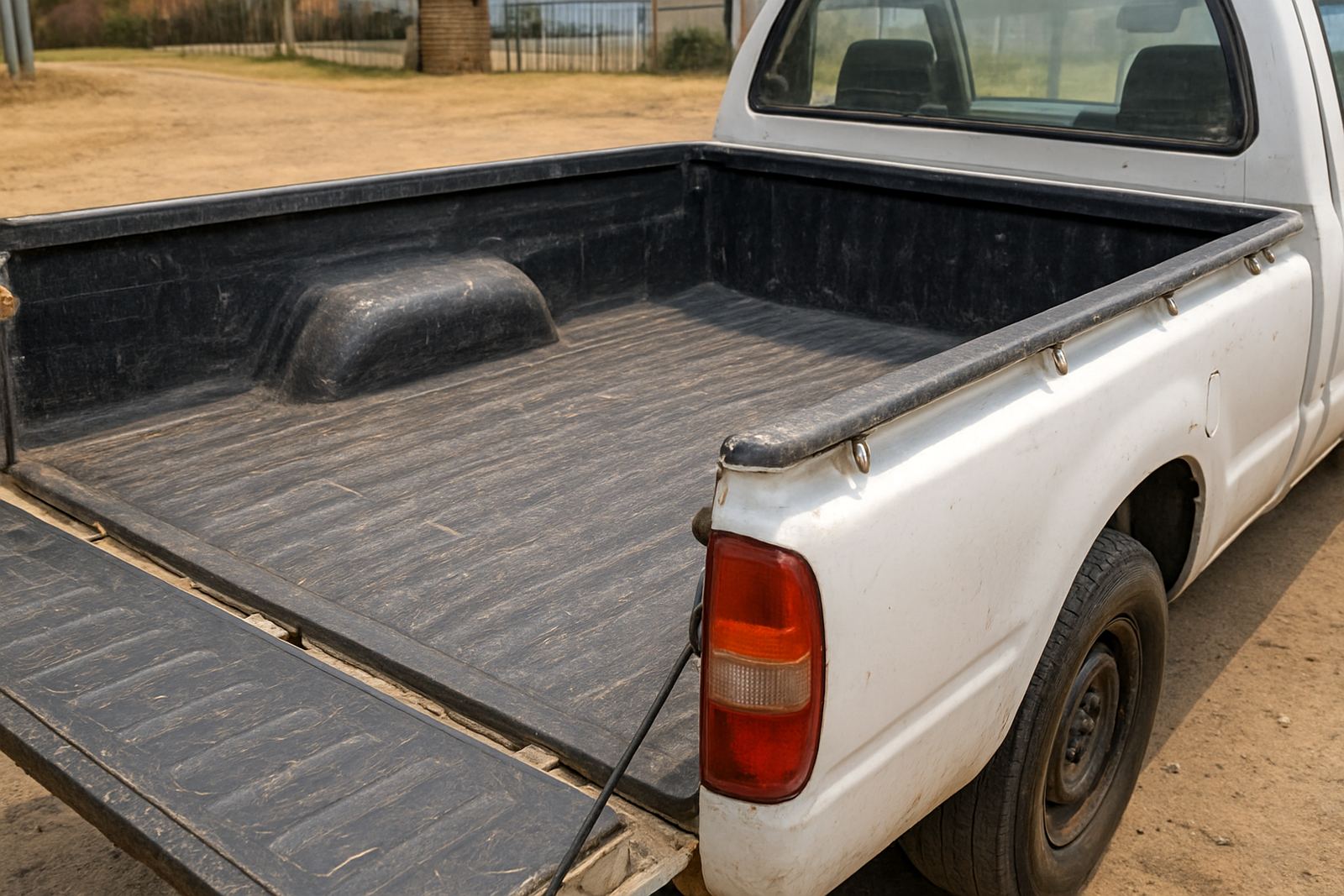
Accident history is one of the most important topics to cover. Ask whether the bakkie or trailer has ever been in a crash, rolled over, or had structural repairs. A vehicle can be repaired properly, but you need to know what was done and why. On a bakkie, check whether doors close properly, panels line up, and the load bin floor looks straight. On a trailer, inspect the chassis, drawbar, welds, and axle area for signs of repair or bent metal.
It also helps to ask whether any panels were sprayed, replaced, or filled after hail damage. In areas like Kempton Park and the East Rand, used vehicles can show wear from busy roads, parking damage, and long hours of work. That does not always mean a bad purchase, but it should be priced accordingly. Ask the seller to point out every repair, even the small ones.
- Has the vehicle ever been in an accident?
- Were any panels replaced or sprayed?
- Has the chassis or frame had repairs?
- Are there any signs of rust, dents, or filler work?
Check tyres, mileage, and wear against the answer
Ask for the current mileage and compare it with the condition you can see. A low reading is not useful on its own if the pedals, seat, steering wheel, and gear lever are badly worn. Ask whether the mileage is original and whether the cluster has ever been repaired or changed. If the seller cannot explain the wear clearly, take that as a warning sign.
Tyres tell their own story too. Ask when they were last replaced, whether all four are the same size and type, and if the spare is usable. Uneven wear can point to alignment problems, suspension issues, or heavy loading. On trailers, check tread depth on all tyres and ask if the wheel bearings have been greased regularly. Coastal humidity in places like Durban can also speed up rust, so ask whether the vehicle has ever lived near the coast.
- What is the mileage, and is it original?
- When were the tyres last replaced?
- Has the vehicle had wheel alignment or suspension work?
- Has it spent time near the coast or in wet conditions?
Make the paperwork part of the conversation
Do not leave paperwork until the end. Ask early whether the licence papers are in order, whether the vehicle is registered correctly, and whether there are any outstanding fines, finance ties, or ownership issues. If the paperwork is not ready, pause and get clarity before you travel. It saves time and avoids unnecessary back and forth.
For trailers, this step is especially important because buyers often assume all small trailers are easy to transfer. That is not always true. Ask whether the trailer has the correct paperwork for road use, and whether the seller has proof of ownership. If you are buying from a dealer or private seller in Pretoria, Polokwane, Bloemfontein, or Durban, the same rule applies: no clear papers, no clean handover. Simple as that.
- Are the licence papers current?
- Is there any finance still attached?
- Can you provide proof of ownership?
- Are there unpaid fines or registration issues?
Use the answers to judge the deal, not just the price
Price matters, but the answers you get should guide the final decision. A cheaper vehicle with uncertain history can cost more in repairs, downtime, and frustration than a slightly pricier one with proper records. Ask if the seller is open to an inspection, a test drive, or a closer look at the trailer floor, tow hitch, and wiring. If they avoid that, there is usually a reason.
For buyers in and around Johannesburg or Centurion, traffic use and stop-start driving can hide issues with clutches, brakes, and cooling systems. In a practical example, a buyer might find two bakkies at similar prices. One has full receipts, a clear reason for sale, and honest answers about a rear-end repair. The other has a vague story, no paperwork, and fresh paint on the back quarter. The first one is usually the better buy, even if it costs a bit more. Good questions make the difference.
Ask the seller like you are planning to keep the vehicle for work, not just for the day you collect it. That change in approach gets better answers and helps you avoid rushed decisions. It also makes the seller take you seriously.