Start With The Crew Count And Trip Pattern
The first question is simple: how many people must travel together, and how often? A small site crew doing short trips around Kempton Park has different needs from a landscaping team running between Pretoria, Centurion and Midrand all week. A bakkie that carries five people for school runs or office errands may be fine for light use, but for daily team transport you need to think about space, comfort and wear over time.
Look at the real job rather than the hoped for one. If the crew loads tools, takes lunch boxes and travels in traffic for an hour each way, cramped rear seating becomes a problem quickly. If the bakkie will only do short local trips, a simpler cab may be enough and keep the purchase price down.
Cab Style, Seating And Everyday Comfort
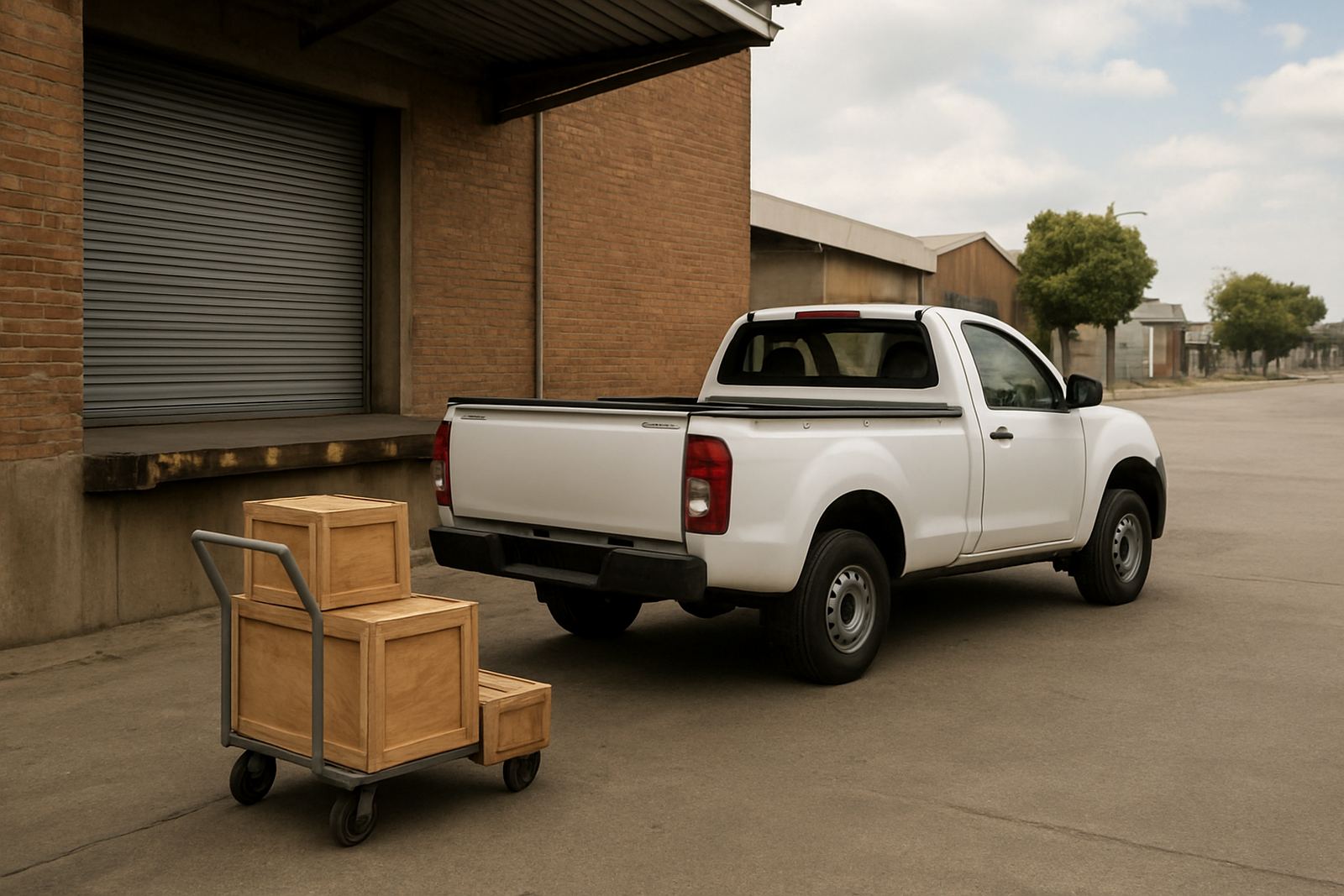
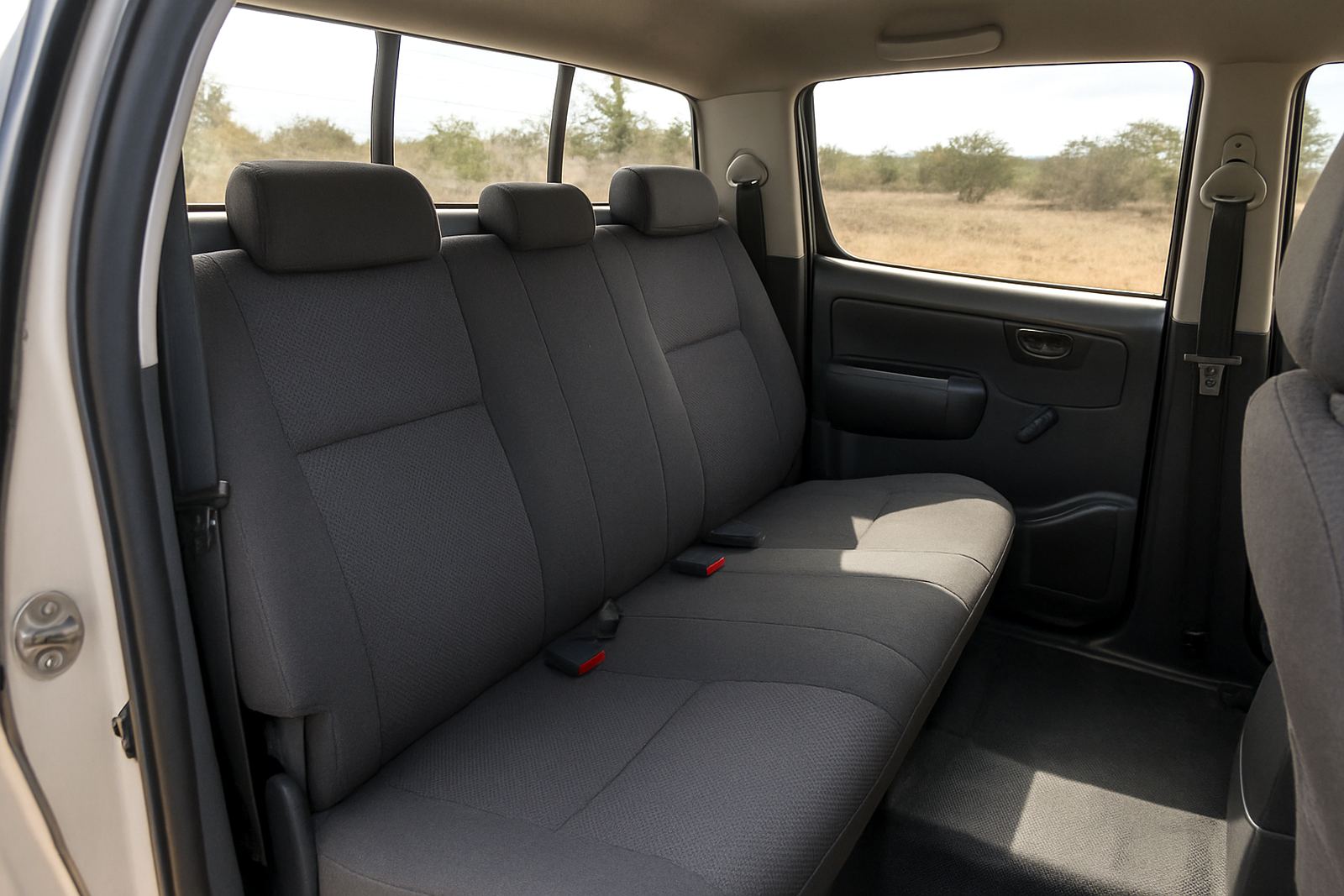
Cab style matters because it changes how people sit, move and store their gear. A single cab gives load space but no proper crew seating, so it is only suitable when passengers are rare. A club cab can work for two or three people, but rear space is tighter and access is less convenient. A double cab is usually the better choice when you need to carry a full team regularly.
Check the actual seat condition, not just the trim level. Torn upholstery, sagging seat foam and broken seat adjusters make a long day worse. Also inspect seat belts for smooth operation and make sure every belt clicks in properly. In a used bakkie, these small items often show how well the vehicle has been looked after.
- Make sure the rear doors open and close cleanly
- Check that the cab floor is dry, clean and free of rust
- Test all seat belts and head restraints
- Look for signs of water leaks around the door rubbers and window seals
Payload And Suspension Must Match The Job
Many buyers focus on seating and forget payload. That is a costly mistake. A bakkie carrying people, tools, coolers and materials must stay within its legal load limit. Overloading affects braking, steering and tyre wear, and it can cause problems if there is an accident or roadside inspection.
Ask how the vehicle was used before. A bakkie that spent its life hauling bricks or tow equipment may have a tired suspension, even if it looks decent from the outside. Listen for knocks over bumps and check for uneven tyre wear. If the rear sits lower than expected, or the ride feels harsh and bouncy, budget for suspension work. It’s better to fix that before the vehicle goes into regular crew duty.
For crews moving around industrial areas such as Spartan, Isando and the East Rand, roads can be rough and stop-start use is common. A healthy suspension and tyres with enough sidewall strength help keep the vehicle stable when loaded.
Safety Features That Matter In Real Use
When a bakkie is carrying people, safety features are not extras. Check that the brakes pull straight, the steering has no excessive play, and the lights work as they should. If the vehicle has airbags, warning lights should be off and the system should not show faults on startup.
Also inspect the condition of the windscreen, mirrors and wipers. These sound basic, but they matter when the vehicle is used before sunrise, during rain, or in dusty conditions on routes between Johannesburg and Polokwane. Good visibility helps reduce stress for the driver and the team in the cab.
- ABS or traction control is worth having if the bakkie will run in wet conditions
- Reverse sensors or a reversing camera can help in tight yards and loading bays
- Central locking and working window switches reduce daily frustration
- Air conditioning is important for passenger comfort in summer, especially inland
Fuel Use, Maintenance And Power Cut Reality
A crew carrier must be affordable to run, not only affordable to buy. If the bakkie will cover many kilometres each month, fuel use becomes a major part of the budget. A cleaner running diesel or petrol engine with full service records may cost a bit more upfront but can save money over time. Check for oil leaks, smoke on cold start, and any signs of overheating.
In South Africa, power cuts and changing work hours often mean earlier starts, later finishes and more idling while waiting for gates, instructions or collection times. That puts extra strain on batteries and alternators. Ask whether the battery has been replaced recently and whether the charging system is healthy. If the vehicle will spend time parked at sites or depots, a weak battery can cause unnecessary delays.
Paperwork, Compliance And Who May Drive It
Before you commit, check that the registration papers match the vehicle, the VIN is clear and the licence disc is current. If the bakkie has been modified for crew use, make sure the changes are legal and properly recorded where needed. A clean paper trail is especially important when buying from a private seller or moving a vehicle between provinces.
Think about who will drive it too. A company vehicle with several regular drivers needs simple controls, clear service history and enough reliability for shift work. If the bakkie will be used by staff in Durban one week and Bloemfontein the next, plan for different roads, weather and maintenance intervals. Coastal humidity can affect trim and electrics, while inland heat can punish tyres and cooling systems.
For a practical local example, a Kempton Park contractor with a four person crew may choose a double cab with aircon, good tyres and a full service history instead of a cheaper older unit that needs suspension work immediately. The lower asking price can disappear fast once repairs, licensing and downtime are added in.
Buy For The Route, Not Just The Price
The best used bakkie for crew transport is the one that fits the actual route, load and working style. A bargain with poor seating, tired brakes and patchy paperwork is not really a bargain. The smarter choice is often the vehicle that is a little more expensive but already suits the team and the distances involved.
When you inspect a used bakkie for crew carrying, take the time to sit in the back, test every latch, and look at the service record as closely as the body condition. If something feels off, it usually is. A careful check now can save a lot of time later.