Start With Proof Of Ownership And The Seller's Right To Sell
The first document to ask for is proof that the person selling the bakkie or trailer has the legal right to do so. That sounds obvious, but it is where many bad deals start. The seller should be able to show the original registration documents, and the name on the papers must match the person or business dealing with you. If there is a discrepancy, ask why before anything else.
For dealers and private sellers alike, this check matters just as much on a 1 tonne bakkie as it does on a utility trailer used for deliveries, garden services or building work. If you are in Kempton Park or Johannesburg and collecting stock from a yard, do not rely on a verbal explanation. Ask to see the paper trail and compare names, addresses and ID details carefully.
- Original registration certificate
- Seller's ID or company registration details
- Proof that the person signing may sell the vehicle
- Any transfer authority forms already completed
Check Finance Status And Look For Any Outstanding Settlements
If the vehicle was financed, there should be clear proof that the finance account is settled or that the bank has authorised release. A bakkie can look ready for delivery and still be tied to a lender, which means the transaction can unravel fast. For buyers, this is not the place to take chances. For sellers, it is just as important to clear the account properly and keep the settlement letter on file.
Ask for a settlement letter that confirms the account balance is zero or that the release conditions have been met. If the seller cannot produce one, stop and verify before paying any deposit. This is especially important on fleet units and well kept work vehicles, where the paperwork can move through more than one office and one person may not know what another has done.
- Settlement letter from the finance provider
- Confirmation that the account is fully paid or released
- Receipt for any final instalment or balloon payment
- Written confirmation if there is no finance on the vehicle
Roadworthy Certificates, Weighbridge Papers And Trailer Compliance
A used bakkie or trailer should not only look good, it must be able to pass the right checks for registration and use. A roadworthy certificate is often needed for transfer, and on trailers there may be extra compliance points depending on size, braking setup and loading capacity. Do not assume that a clean coat of paint means the paperwork is sorted. Rust, brake wear and tyre condition all affect whether the vehicle can be licensed properly.
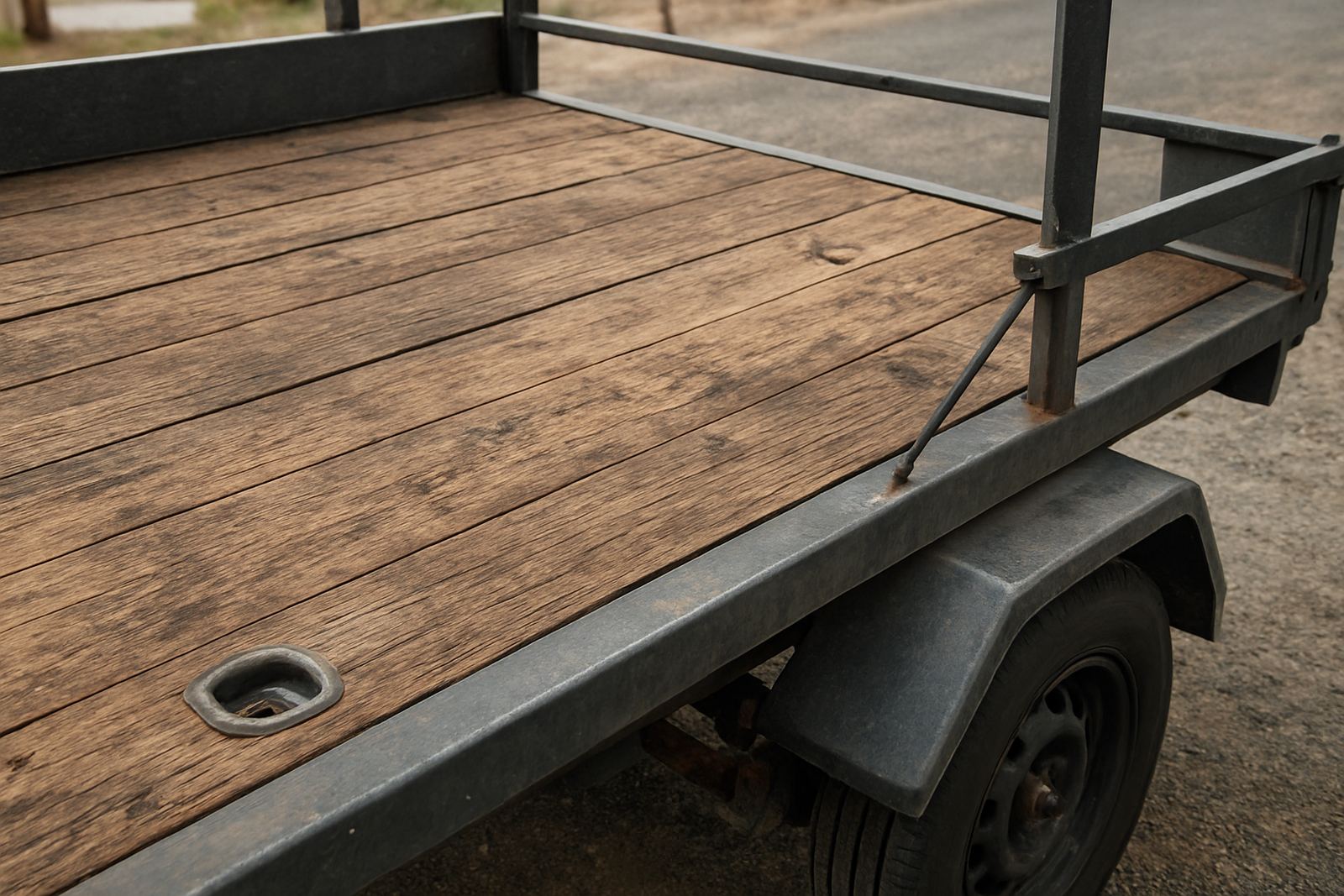
For trailers used near coastal areas like Durban, corrosion can show up in the chassis, drawbar and wiring sooner than expected. In inland areas such as Pretoria or Polokwane, dust and heat can still hide cracks or worn components. If the trailer is for business use, check that the weight rating and intended load match the papers. That small detail can become a big issue if the trailer is pulled over or insured incorrectly.
- Valid roadworthy certificate where required
- Trailer mass and tare information
- Brake and axle details, where listed
- Any modification approval documents
Match The Vehicle Details On Paper With What You See On Site
Paperwork must agree with the actual vehicle in front of you. Check the VIN or chassis number, engine number where applicable, colour, body type and registration numbers. A mismatch can point to a clerical mistake, an unreported change or something more serious. It only takes a few minutes to compare, and those few minutes can save a lot of trouble later on.
We recommend checking these details in daylight, not after closing time when you are rushed. In a busy yard in Spartan or on a delivery stop in Centurion, it is easy to miss a digit or copy down the wrong number. Take photos of the plates and paperwork together so the details are on record before you pay.
- VIN or chassis number on the vehicle and on the papers
- Engine number, if shown on the documents
- Registration number and body type
- Tyre size, axle count and trailer capacity where relevant
Ask For Service Records, Accident Notes And Odometer Proof
Used stock can still be good value when it has been maintained properly, but you need proof, not just a story. Service records show whether oil changes, brake work and suspension repairs were done on time. Accident notes, insurance claims and repair invoices can help you understand whether the vehicle has had a hard life. On bakkies used for deliveries, you will often see heavy wear on suspension, clutches and load bodies even when the outside looks tidy.
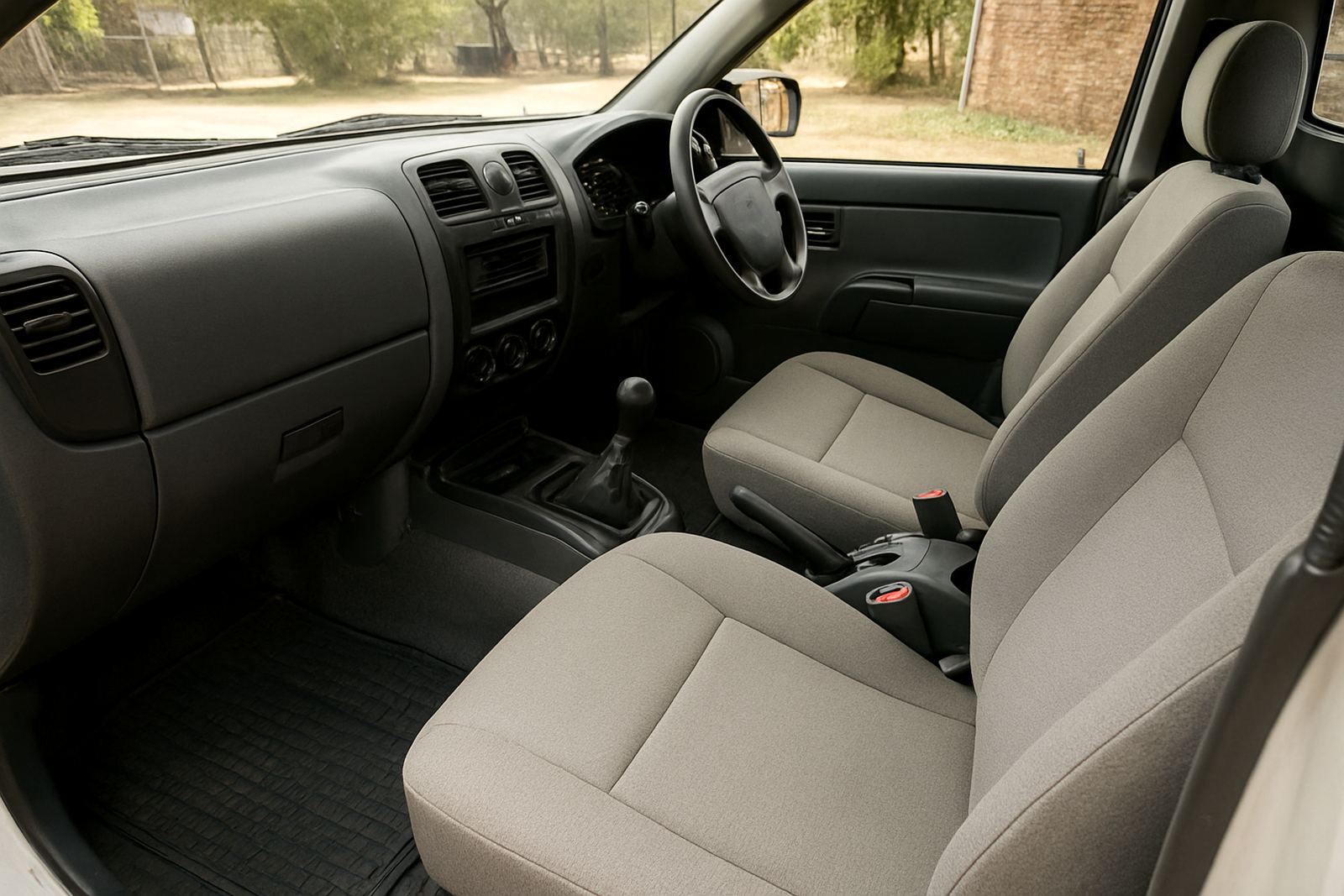
Odometer readings should also make sense. If a bakkie shows low mileage but has worn pedals, loose seat bolsters or a tired steering wheel, ask questions. That is not proof of wrongdoing on its own, but it is enough to dig deeper. A trailer can hide similar issues in the wiring, hitch point and floorboards, so ask for any repair history available.
- Service book or maintenance invoices
- Accident repair records
- Odometer reading at the time of sale
- Any written disclosure about previous damage
Transfer Forms, Delivery Papers And The Final Hand-Over Pack
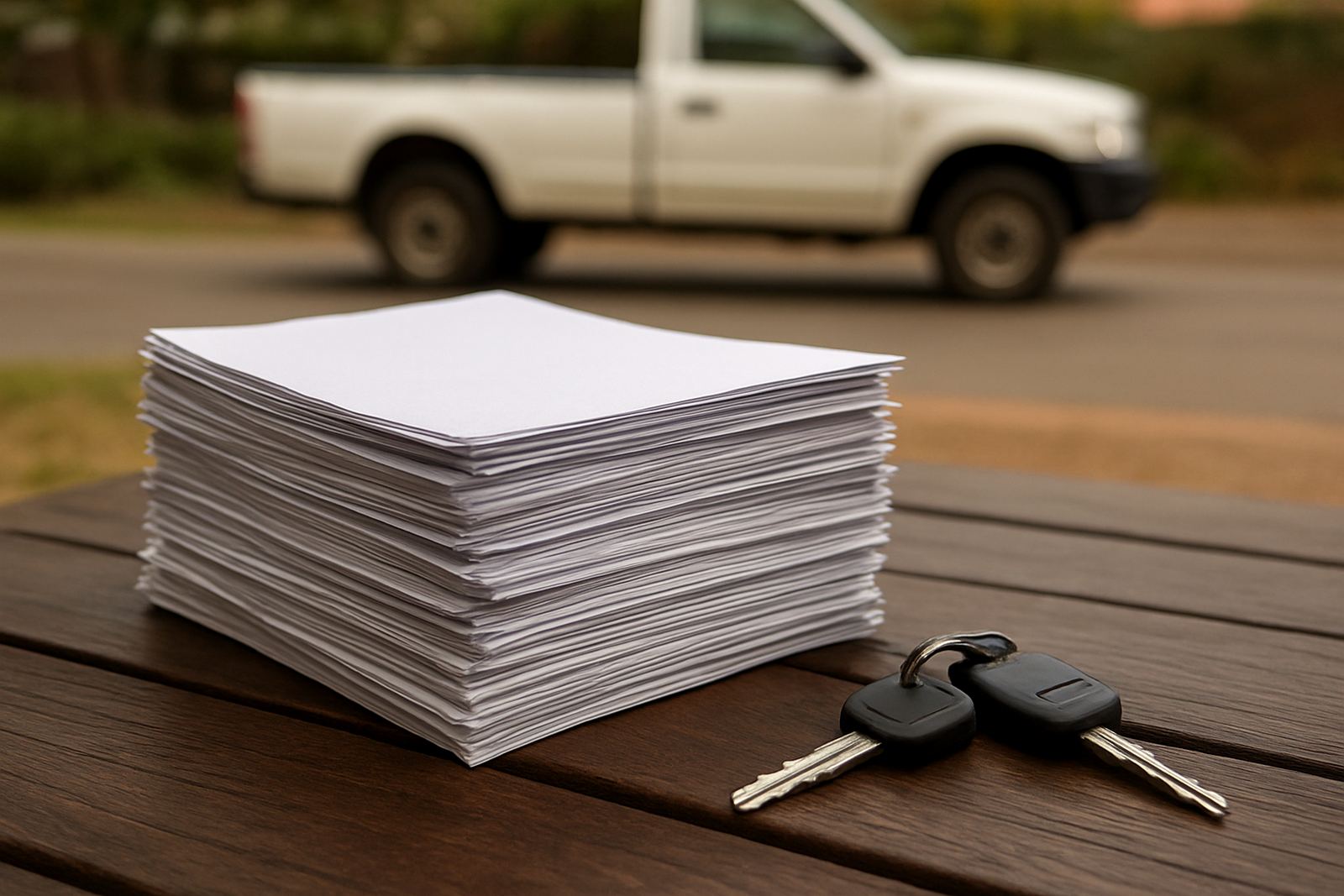
Once the deal is agreed, the transfer paperwork should be complete and tidy. That means signed sale agreements, completed transfer forms, and any hand-over notes for keys, spare wheels, trailer plugs or load accessories. If the vehicle is being collected in Johannesburg and delivered to Bloemfontein or Durban, make sure the person handling collection has written authority and the correct documents to hand over at the destination.
Keep copies of everything for your records. Sellers should keep proof of hand-over, and buyers should keep a file with the sale agreement, payment proof and all transfer documents. In South Africa, licensing offices can ask for complete paperwork, and missing one form can delay the process for days. It is better to spend ten minutes checking now than spend a week chasing signatures later.
- Signed sale agreement or offer to purchase
- Completed transfer documents
- Proof of payment or deposit receipt
- Collection or delivery hand-over record