Start With the Right Trailer or Bakkie Setup
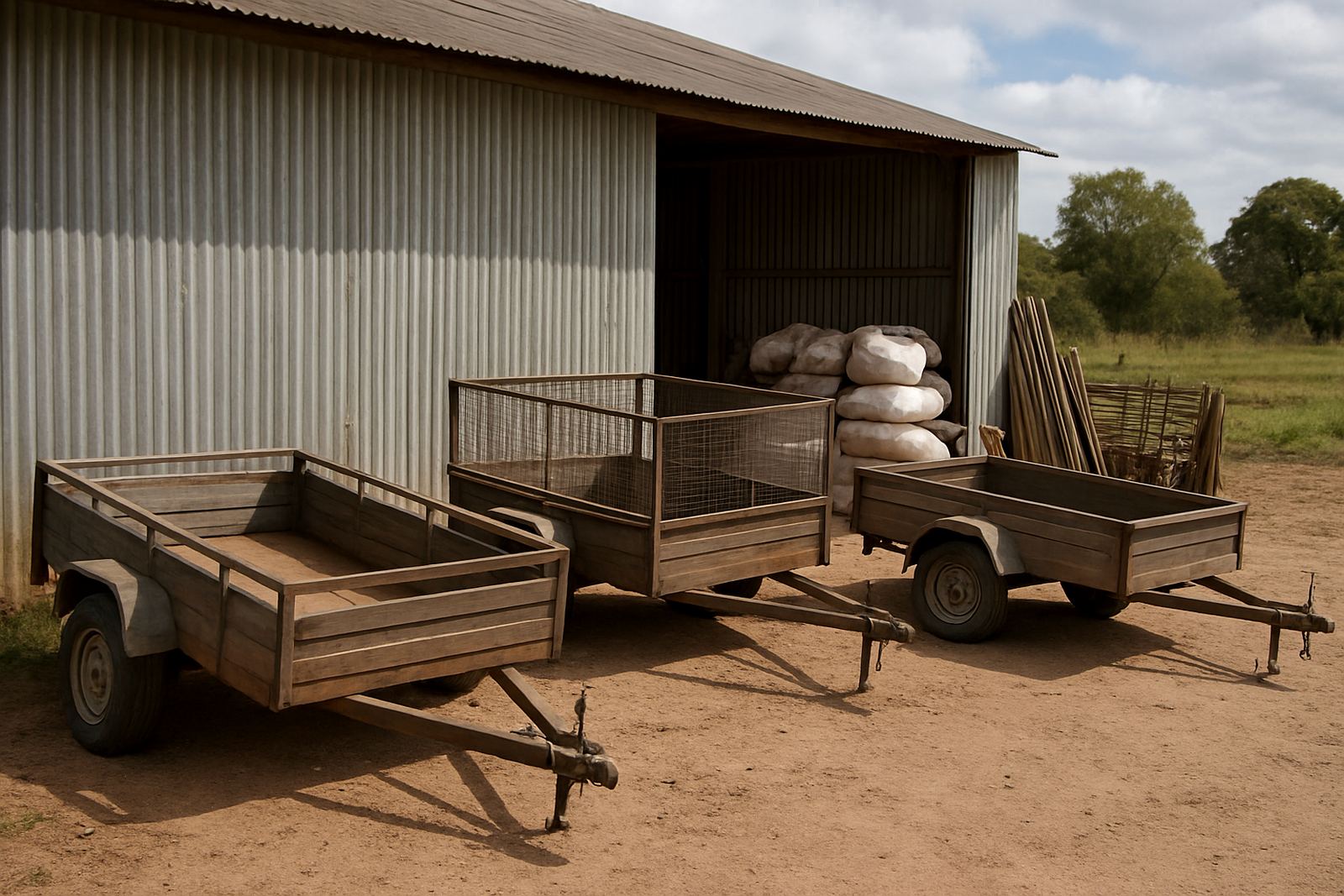
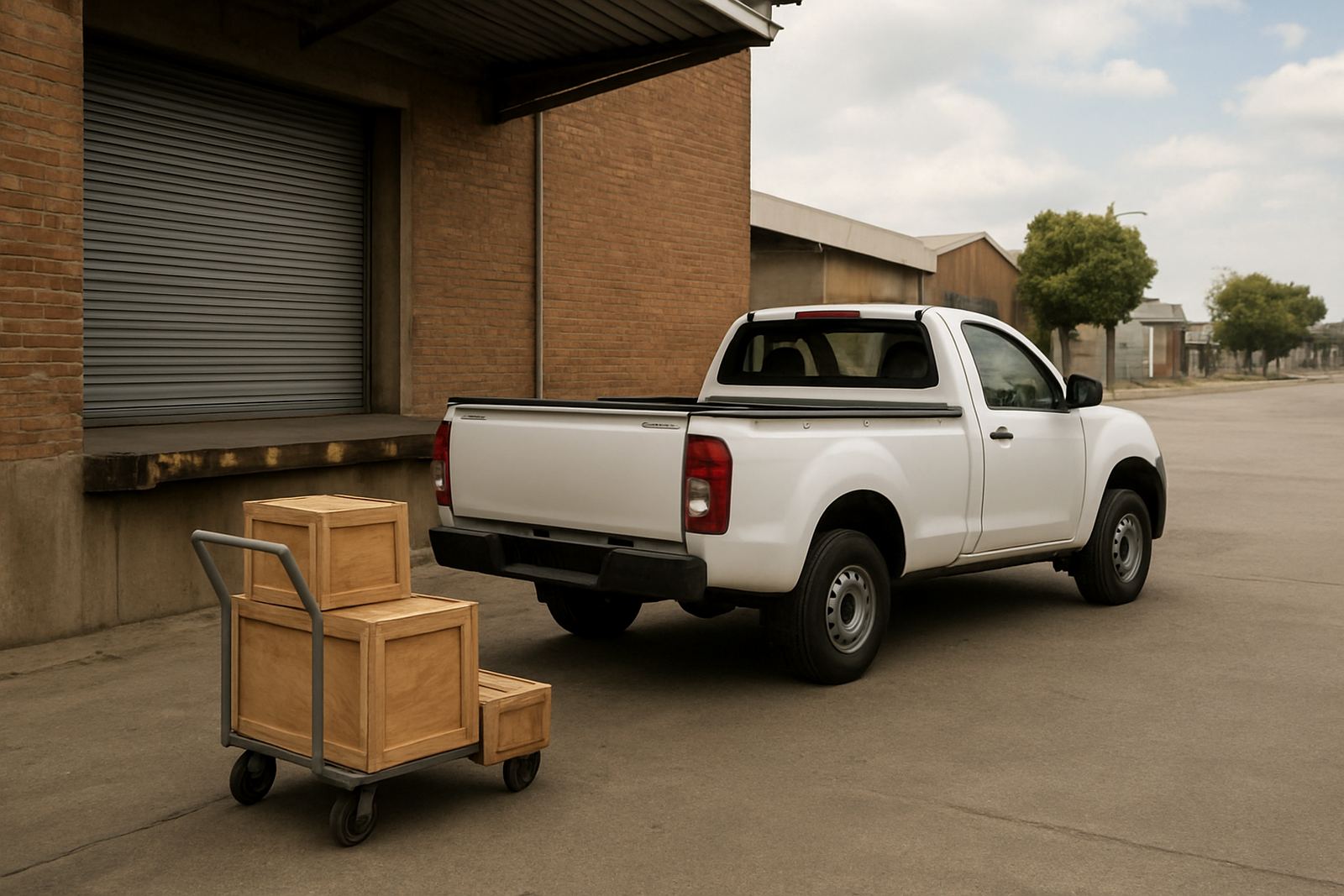
Before you throw anything on the back, check that the vehicle or trailer is suited to the job. A half-ton bakkie with a light trailer is fine for small loads, but once the weight climbs, balance matters more than effort. Too much weight at the rear can make steering light and braking longer, especially on wet roads around Johannesburg or on windy stretches near Durban.
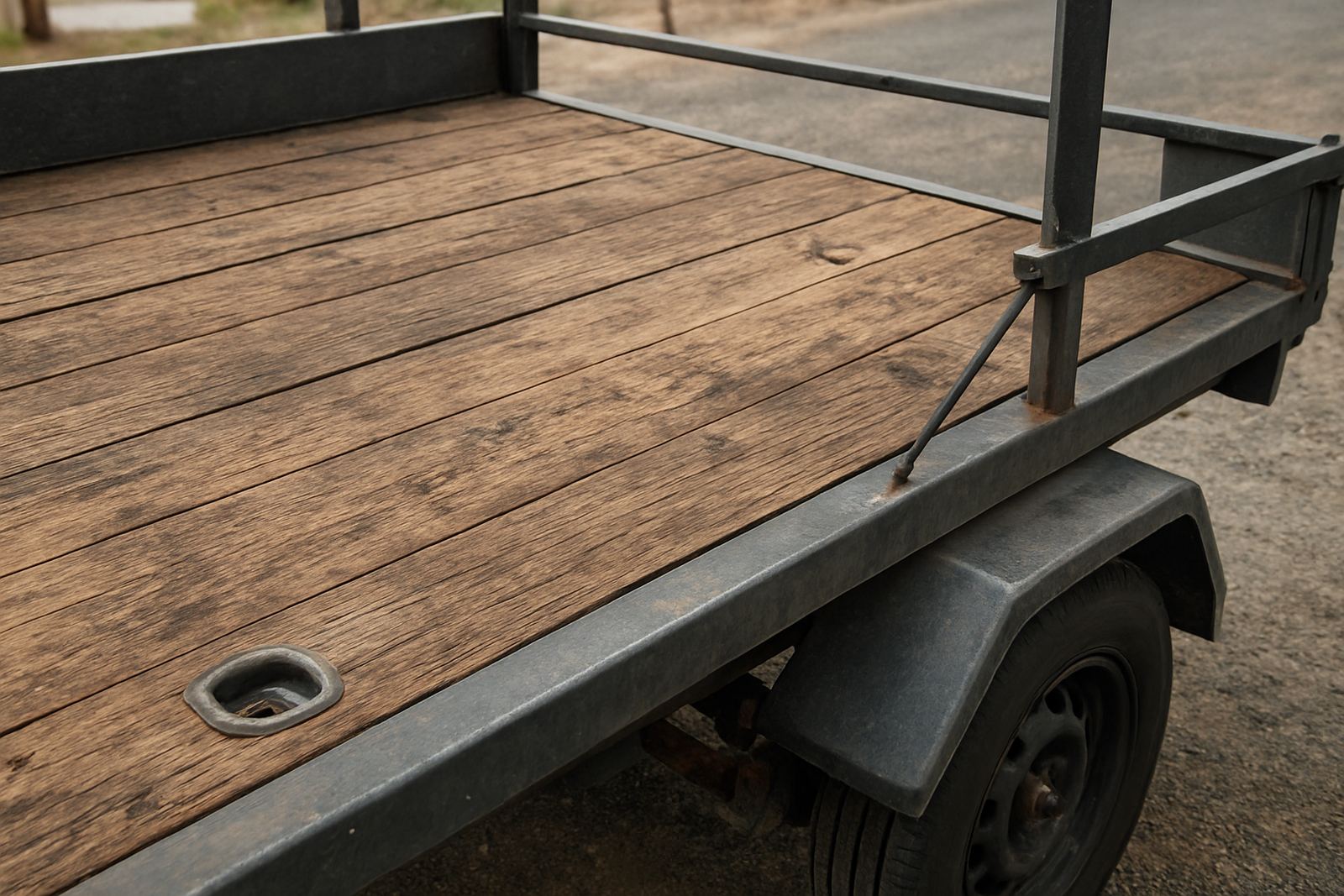
Make sure the load bed or trailer deck is clean and dry. Sand, loose stones, oil and old rope all reduce grip and can let cargo move once you pull away. If you are working in Kempton Park or Centurion, where quick collections are common, it helps to take two minutes for a proper check before every trip.
Keep the Weight Low and Even
The safest loads sit low and are spread evenly from left to right. Heavy items should be close to the axle line on a trailer or against the cab on a bakkie, not stacked high at the back. If the load leans to one side, the vehicle can pull unevenly and tyres wear faster too.
- Place the heaviest items first, then build around them.
- Keep loose items from stacking higher than the side walls unless they are fully tied down.
- Use mats, old blankets or rubber sheet under items that slide easily.
- Check that the trailer jockey wheel, spare wheel and tools are also secured.
When the load is balanced properly, braking feels more predictable and cornering is easier, especially in stop-start traffic near Pretoria or Bloemfontein.
Straps, Ropes and Nets Must Do Real Work
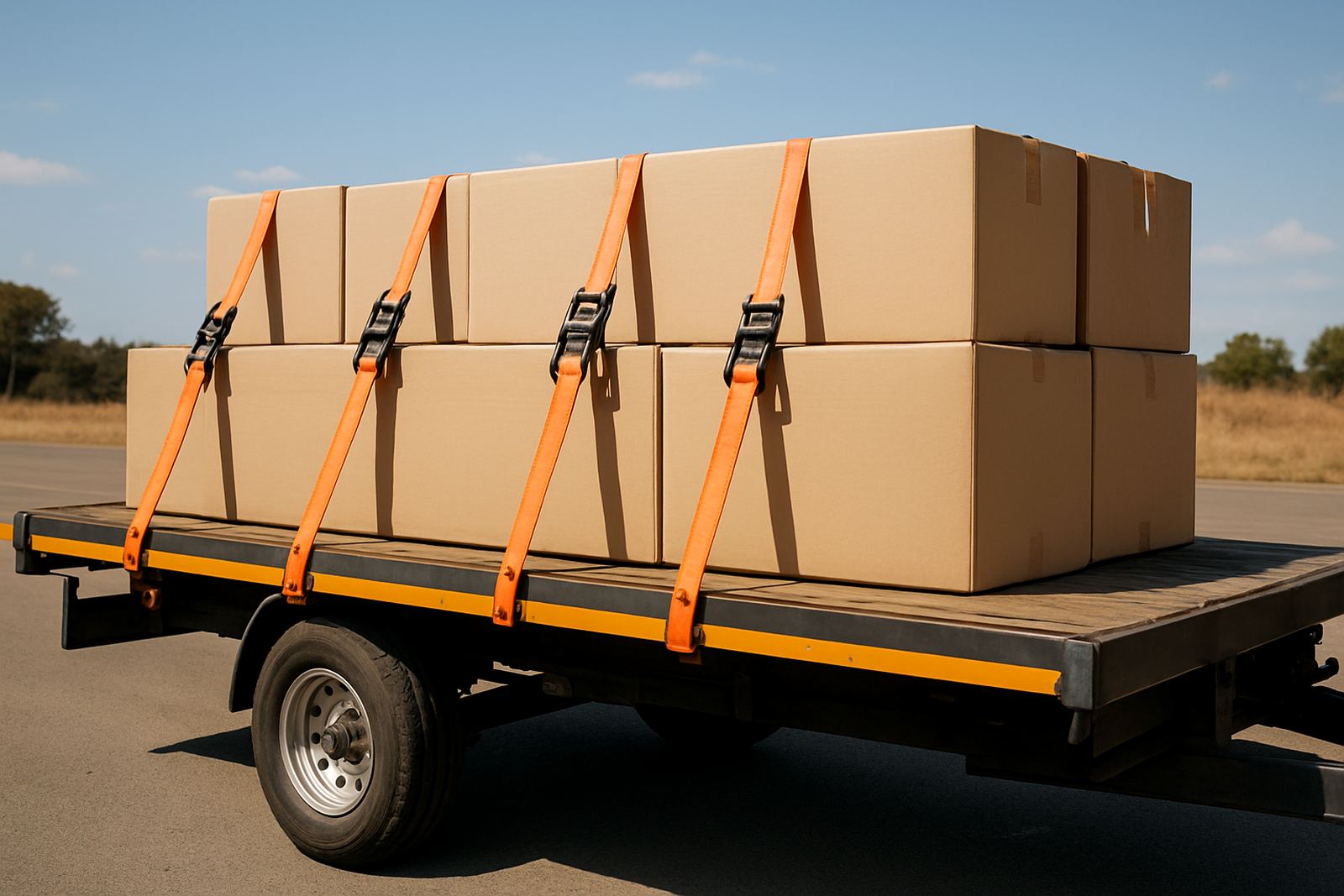
One loose strap is not enough. Use proper tie-down points and secure the load from more than one direction so it cannot lift, slide or bounce. For long items like timber, ladders or steel bars, use at least two fixing points and add padding where the straps cross sharp edges. Frayed rope, rusty hooks and bent ratchets should be replaced, not reused.
Check tension after the first few kilometres because cargo settles. A trailer leaving Spartan in the morning may seem tight at collection, but once you hit bumps, the straps can loosen. That is normal, so stop and recheck before the next leg of the trip.
- Use ratchet straps for heavier items.
- Cover sharp corners with cardboard or cut hose pipe to prevent strap damage.
- Do not knot straps where a proper buckle or hook should be used.
- Keep loose ends tied down so they do not flap into tyres or lights.
Cover the Load for Weather and Road Debris
A tarpaulin or cargo net helps keep small pieces from blowing off on the way. This matters on the N3, on coastal routes, and on open roads where wind can lift light materials fast. In Durban, humidity can also affect cardboard, timber and packaging so a proper cover helps protect the load from damp as well as dust.
If you are carrying rubble, garden refuse or small hardware, make sure the cover is tied tight enough to stop spillages. A flapping tarp is not safe and can pull on the load while driving. It also makes it hard for other drivers to see your indicators or brake lights.
Check Lights, Number Plate and Tyres Before You Leave
It is easy to focus on the cargo and forget the vehicle itself. Yet a trailer with poor tyre pressure, working lights, or a hidden number plate can cause trouble at the roadside. Tyres that look fine when empty may run hot once loaded, especially in summer or during long deliveries between towns.
- Test brake lights and indicators before pulling out.
- Make sure the number plate is visible and clean.
- Check tyre pressure on the bakkie and trailer.
- Look for cracks, bulges or uneven wear on tyres.
- Confirm that the tow hitch, safety chain and coupling are locked properly.
These checks take only a few minutes, and they are worth it because a roadside delay can cost more than the fuel for the whole trip. Even a small typo on a delivery note is easier to fix than a missing light or a blown tyre.
Know the Common Mistakes That Cause Trouble
Most load incidents come down to the same few errors. The cargo was too high, the straps were too few, or the driver assumed a short trip meant no need to secure properly. Short distances are often where people become careless, and that is when loads shift over potholes, speed humps and sudden braking.
- Do not overload the trailer beyond its rated capacity.
- Do not stack loose bricks, tiles or tools without restraint.
- Do not leave gaps that let the load slide forward under braking.
- Do not rely on one strap to hold a mixed load in place.
If you are collecting from a seller in East Rand and heading to Polokwane the next day, it is worth tightening everything again before sunrise. A load that felt fine yesterday can move after a night in the open, especially if there was wind or rain.
A Simple Local Rule: Stop, Check, Tighten
A practical habit for any driver is to stop after the first 10 to 15 kilometres and check the load again. That quick stop catches settling, broken ties and items that have shifted against the side wall. It also gives you a chance to look at the tyres and feel whether the trailer is tracking straight.
For businesses moving stock around Johannesburg, Pretoria, Durban or Bloemfontein, this small routine can prevent wasted time and damaged goods. If you are carrying equipment for a customer, that extra check shows care and it avoids awkward calls later. Good load securing is not complicated, it is just consistent.
A careful inspection can make a major difference before a vehicle changes hands. A bakkie or trailer that is used properly, and loaded properly, gives better value over time and fewer surprises on the road.