Start with the full set, not the first shiny angle
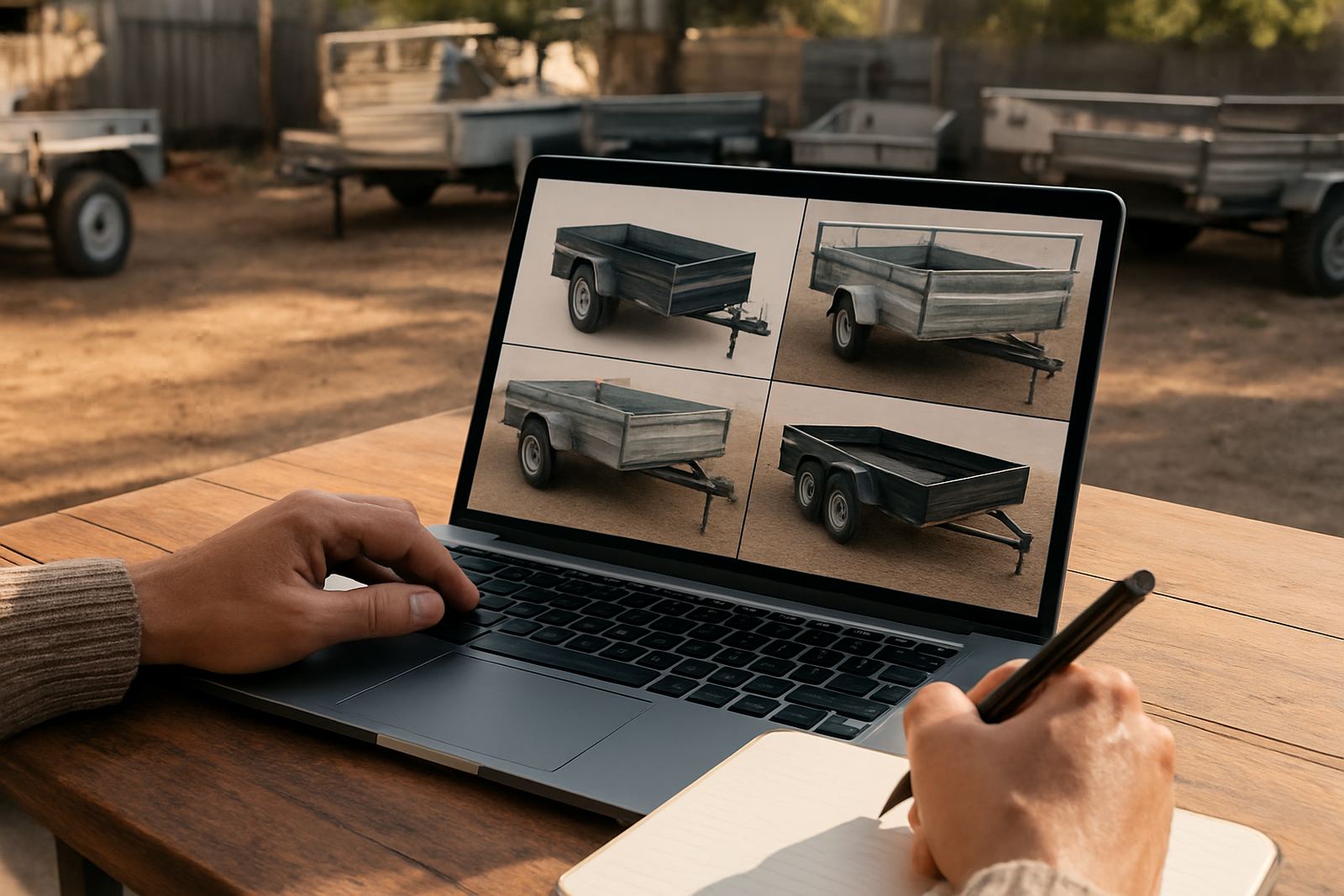
When you compare listing photos, do not stop at the front three-quarter shot. A proper listing should show the vehicle or trailer from several angles, so you can check shape, stance and whether the pictures match the description. A single glossy image can hide a lot, especially on used stock where wear, repairs and missing items matter.
Look for a complete set that includes the front, rear, both sides, cab or load body, tyres, tow point and the inside of the tray or deck. If the seller only shows close-ups, ask yourself what is missing. A fair listing gives you enough to make a first judgement before you spend time arranging a viewing in Kempton Park, Johannesburg or further out in Pretoria or Polokwane.
- Front, rear and both side views
- Odometer or VIN plate if it is visible in the listing
- Tyres, rims and underbody areas where possible
- Load area, canopy, tow hitch or trailer coupling
Check for wear where a seller cannot hide it
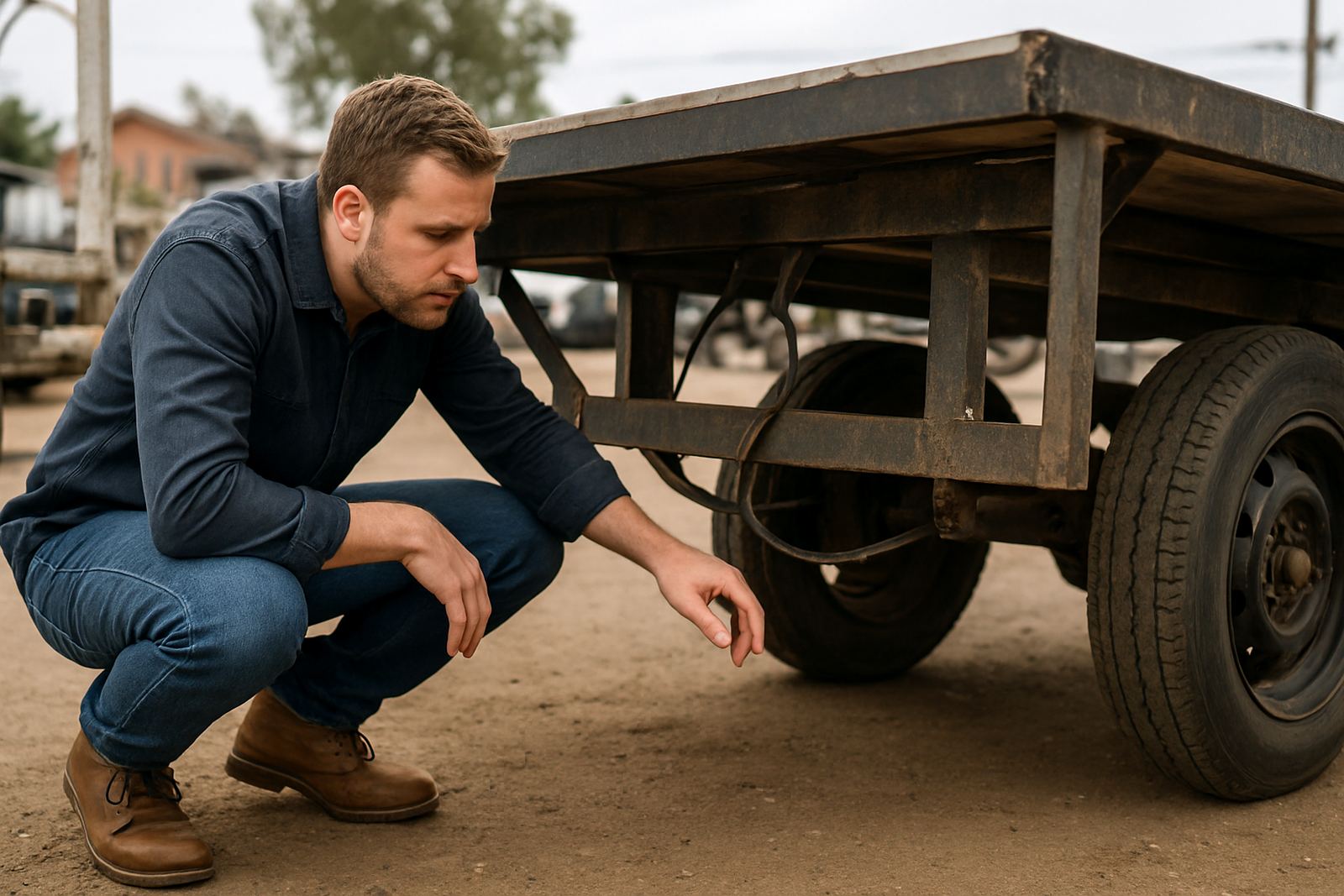
Good listing photos should show the places that take the most strain. On bakkies, that means the seat bolsters, steering wheel, door rubbers, load bed, wheel arches and tailgate. On trailers, inspect the floor, side walls, lights, coupling and the tow frame. These are the areas where hard work, coastal humidity and uneven roads usually leave marks.
In South Africa, a used work vehicle often has seen long days in heat, rain and power-cut-related delivery runs. If the photos show fresh paint in one area and heavy fading in another, that does not always mean a problem but it does mean you should ask why. A quick polish can make a vehicle look better than it is, while worn pedals or sagging suspension can tell a different story.
- Uneven paint shade between panels
- Cracks, dents, rust spots or filler marks
- Worn tyres that do not match side to side
- Seat wear, broken trims or loose fittings
Read the photo angles for signs of accidents or repairs
The angle of the photos matters. Straight, level shots make it easier to spot panel gaps, crooked badges and doors that do not sit properly. If the vehicle is photographed only from a distance, or always with one side hidden, there may be something the seller would rather not show. A careful buyer should notice these things early.
Look closely at the bonnet line, bumper fitment, tailgate alignment and the way the wheels sit in the arches. If one side sits lower, that may point to suspension wear or a load issue. On trailers, check whether the frame looks square and whether the drawbar points straight. A trailer that looks a touch off can cost money later, especially if you need it for regular work between East Rand depots and outlying towns.
- Panel gaps that change from one side to the other
- Headlights or taillights that sit unevenly
- Wheels not centred in the arches
- Visible overspray on rubbers, glass or trim
Use interior photos to judge how the vehicle was used
The inside usually tells the truth. Even if the exterior looks tidy, the cabin can show hard use very quickly. A good listing should include the driver’s seat, dashboard, floor area, controls and any warning lights visible on the cluster. If the cabin is spotless but the outside is dirty and the load bay is rough, the listing may not be giving the full picture.
For bakkies used in plumbing, deliveries, farming or contractor work, wear is normal. What matters is whether the wear is sensible for the age and mileage. On trailers, check the floor, tie-down points and gate hinges. If a seller has added covers, mats or liners, that can be useful, but it should not hide damaged trim or loose wiring.
- Driver seat wear compared with the odometer reading
- Dashboard cracks, missing knobs or warning lights
- Clean pedals and floor mats versus heavy grime
- Any signs of water ingress or mould
Compare tyres, load areas and towing parts carefully
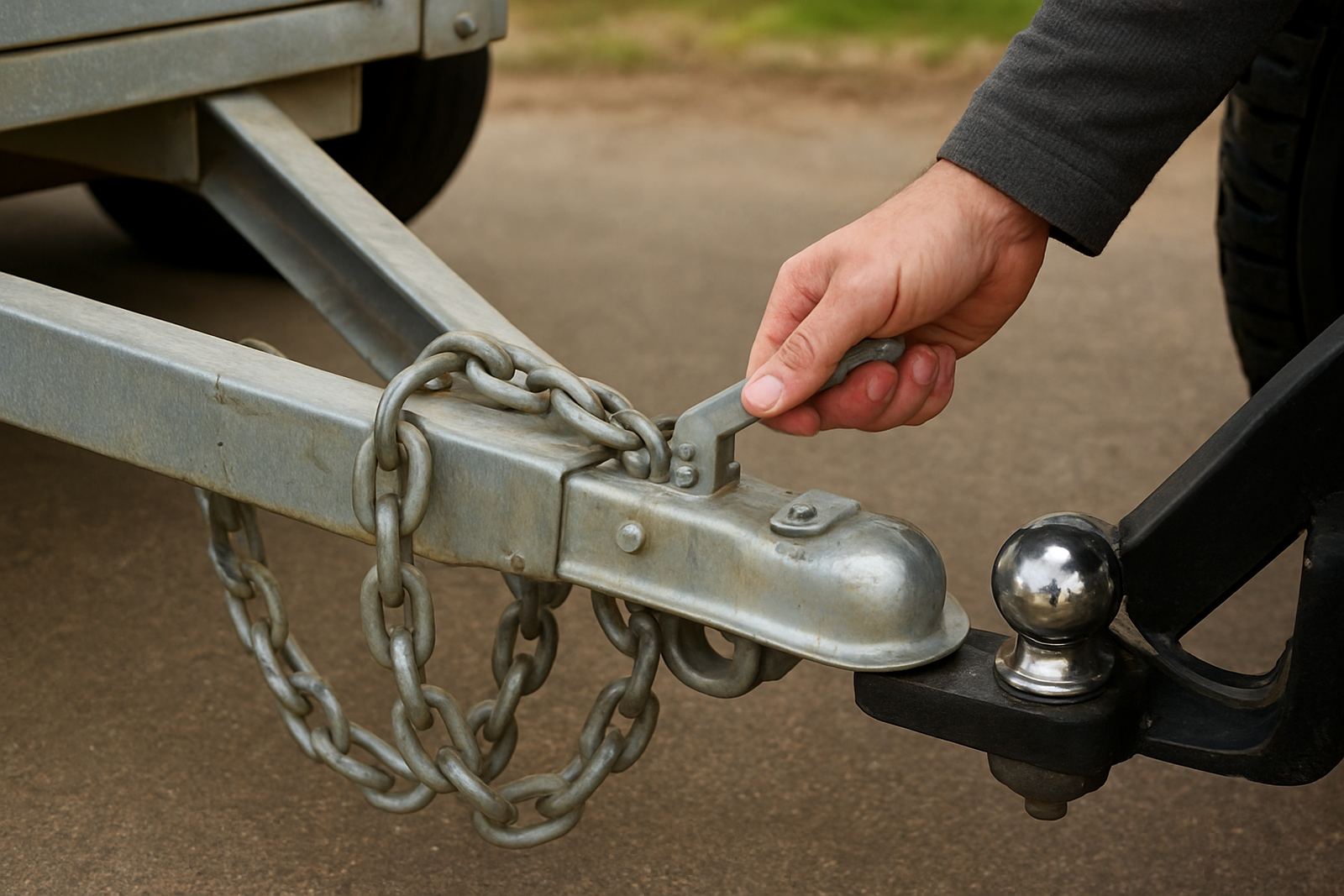
Tyres and working parts are some of the most useful clues in listing photos because they tell you about spending patterns. Fresh tyres may be a good sign, but if the tread is uneven that could mean alignment issues. On a trailer, the coupling, jockey wheel and electrical plug should all be visible if possible. If the load area is shown from only one side, ask for more detail before you travel.
For buyers around Durban or other coastal areas, rust can show up faster on metal parts than inland. In Pretoria or Bloemfontein, sun damage may be more common on plastic trim and paint. This is why local conditions matter when you compare photos. A bakkie that spent time near the sea will age differently from one used mostly inland, and the pictures should help you see that.
- Tread depth and tyre brand matching
- Cracks in sidewalls or bulges on the tyres
- Rust on tow bars, hinges and trailer frames
- Damage to load beds, tailgates or trailer floors
A practical Kempton Park example of smart comparison
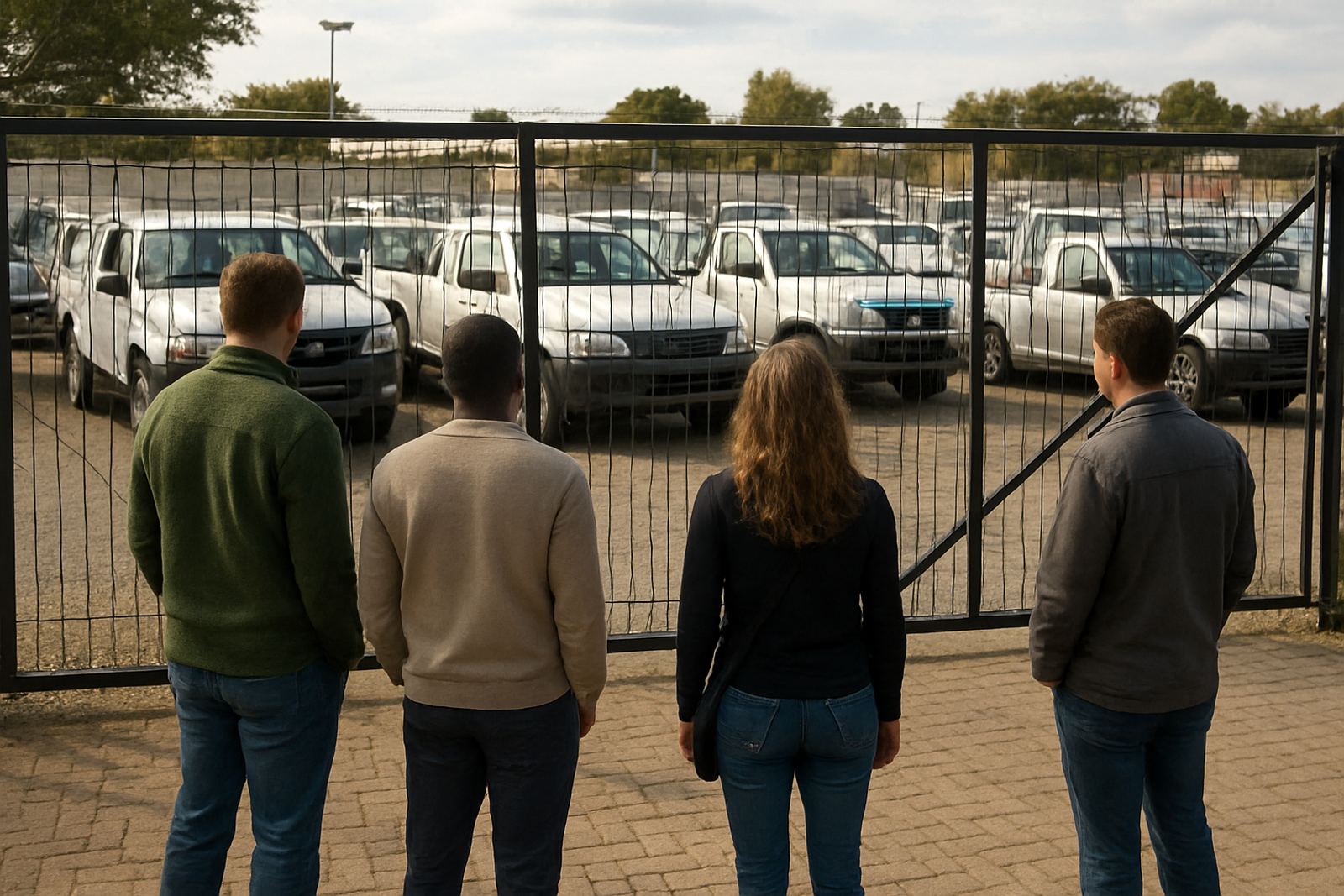
Say two used bakkies come up for sale in Kempton Park. One listing has 24 clear photos, including close shots of the tyres, the load bed, the cabin and the service markings. The other has six pictures, all taken from the same side in low light. Even before a viewing, the first listing gives you a better basis for comparison.
That does not mean the cleaner listing is always the better buy, but it does mean the seller has given you more to work with. You can compare the wear on the seats, check for panel damage, and see whether the trailer or bakkie looks ready for use. It saves time for private buyers and dealers alike, especially when stock is moving between Johannesburg, Centurion and Pretoria. If the photos are honest and detailed, the next step is usually a proper inspection and then a viewing arrangement.
- More photos usually mean less guesswork
- Better lighting helps you spot defects early
- Clear angles make it easier to compare two similar units
- Local collection and delivery planning starts with accurate condition photos