Single cab or double cab: what the extra cab really changes
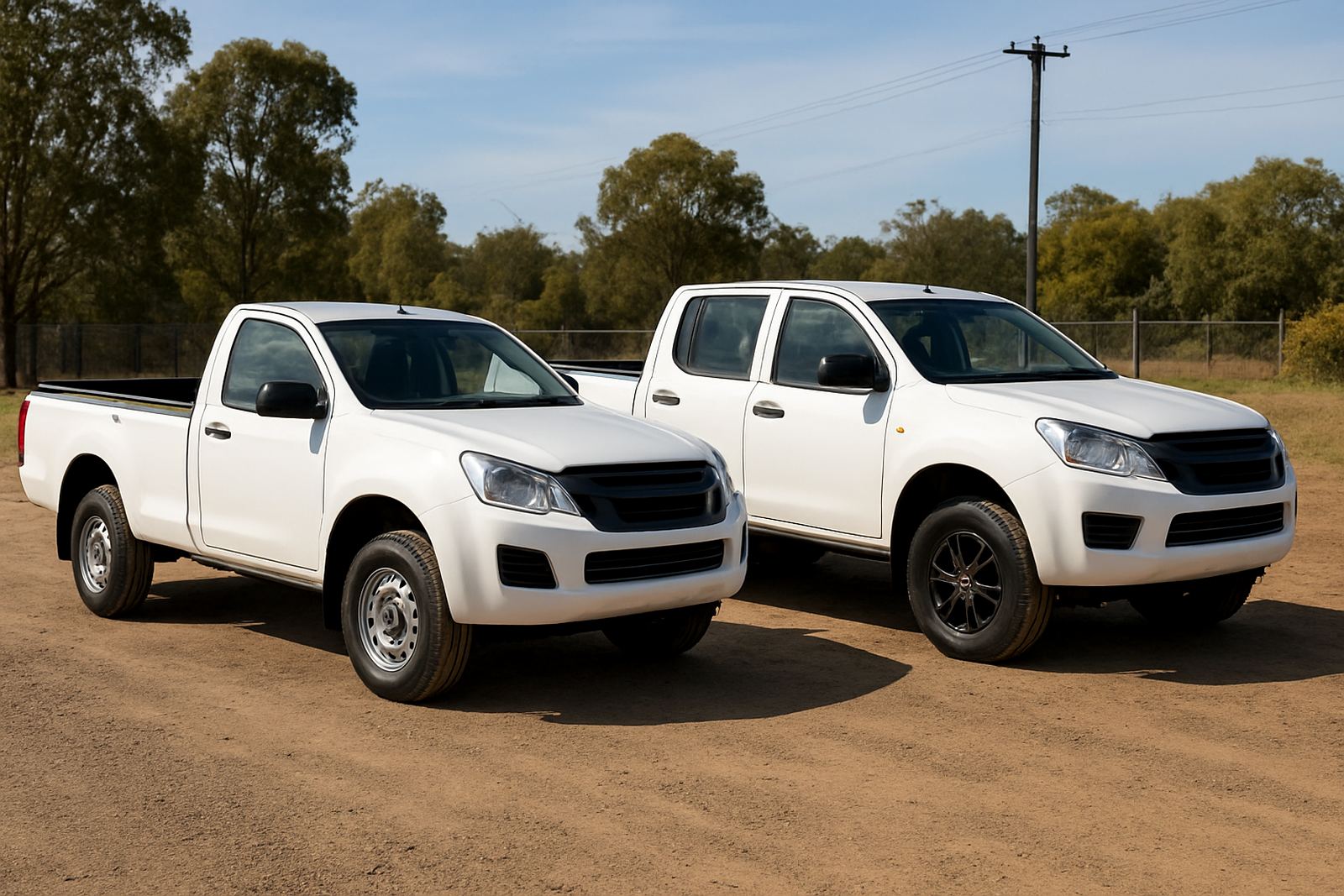
A single cab gives you a larger load bin and a simpler layout, which is why it stays popular with builders, farmers, delivery operators and anyone moving tools on a regular basis. A double cab adds a second row of seats, more safety belts and a more family-friendly cabin, but the load bin is shorter and you usually pay more for the same age and mileage.
In practice, the choice is not only about seating. It also affects how the bakkie behaves on highways, in traffic and on site. A single cab often feels lighter at the back and can be easier to park at hardware yards, municipal depots and tight industrial gates. A double cab is better when the bakkie must work as both a tool and a passenger vehicle, which is common around Kempton Park, Pretoria and Durban where one vehicle may need to handle the week and the weekend.
When a single cab makes better business sense
If your main job is hauling goods, fittings, waste bags or equipment, a single cab usually gives better value. You get more usable tray length for steel, timber, ladders or boxed stock, and that can save you from fitting a trailer for every bigger load. For many small businesses, that means less fuel, fewer moving parts and simpler maintenance.
Single cabs are also a practical choice where roads, parking and turnaround space are limited. A courier in Johannesburg industrial areas, a contractor in Centurion or a farmer outside Polokwane may prefer the tighter footprint and extra tray space over rear seats that sit empty most days.
- More load-bin space for long items and bulk deliveries
- Usually lower purchase price on the used market
- Less weight and often slightly better fuel use
- Fewer rear-seat components to wear out over time
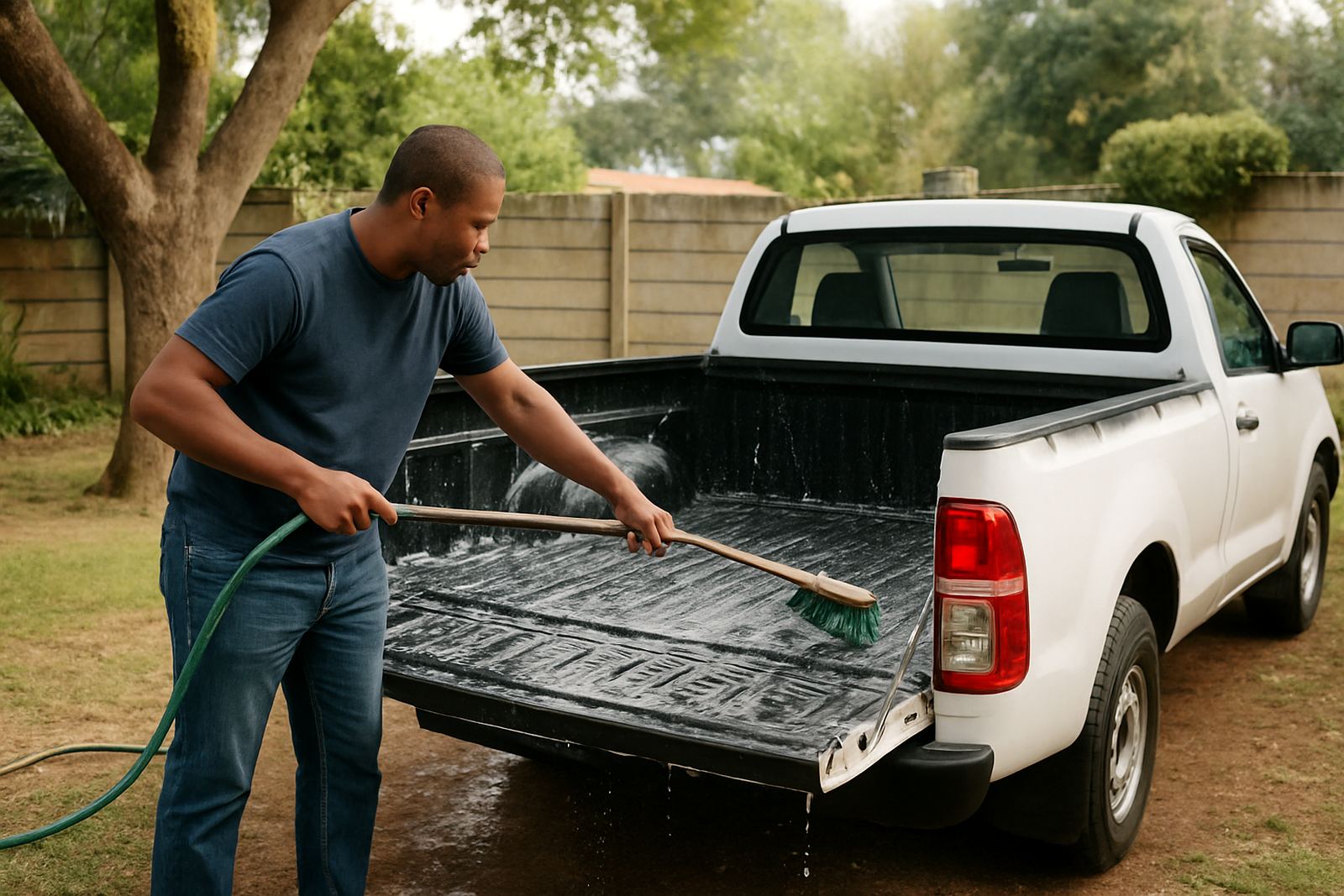
If your work involves frequent loading and unloading in hot weather or dusty conditions, a simple cabin setup can also be easier to keep clean. That matters when a vehicle is used every day and parked outside through rain, sun and power-cut-affected security routines.
Why double cab buyers pay extra, and when it is worth it
A double cab makes sense when the bakkie has to carry people as well as cargo. It is the better option for site managers, sales reps, family users and anyone who needs to transport staff, children or clients without borrowing a second vehicle. You still get a proper load bin, just not the same length as a single cab.
Used double cabs often cost more because demand stays strong. They are easier to sell later too, especially in towns where one vehicle must serve multiple roles. A business owner in Durban, for example, may want a bakkie that can move stock during the week and take the family out on the weekend. That flexibility has value, even if the bin is shorter.
- Seats for five, which helps with staff or family use
- Better suited to mixed business and personal driving
- Higher resale demand in many South African areas
- More comfortable for longer trips between towns
The trade-off is that a double cab can encourage overpacking the cabin and boot space, so buyers should think carefully about what is carried most often. If the tray will be full every day, the extra seats may not earn their keep.
The load bin question: what size do you actually need
This is where many buyers get it wrong. They compare cab styles before they measure their loads. A single cab usually suits planks, pipes, drums, toolboxes and longer crates better because the tray is more generous. A double cab is still useful for smaller pallets, sealed boxes and mixed cargo, but you need to know the length of your regular load before making the choice.
Here is a simple way to judge it. If your longest regular item already fits inside a shorter tray with the tailgate closed, a double cab may be enough. If you often carry items that overhang or need strapping down carefully, a single cab can make life easier and safer. For private sellers and dealers we work with, this one question often clears up the decision fast.
- Measure your longest item first, not your average one
- Think about tie-down points and how often you use them
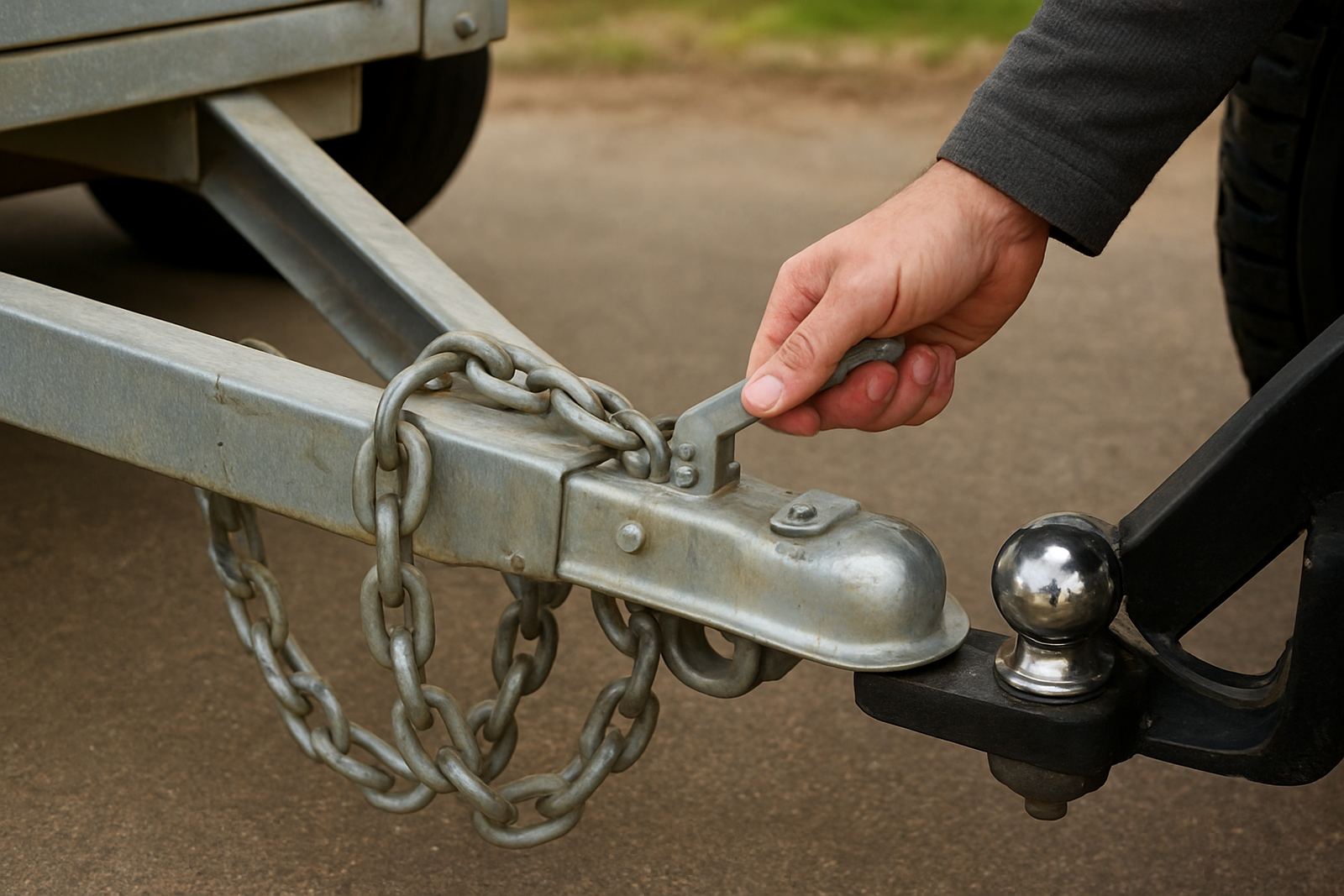
- Check whether a trailer is part of the job or not
- Remember that a shorter tray can mean more trips
Municipal rules can also play a role. In some areas, especially around town centres and industrial parks, repeated extra trips may cost more time than buying the right body style from the start.
Local conditions in South Africa that should influence your choice
South African buying decisions are shaped by more than spec sheets. Roads, weather and security conditions matter. In Johannesburg and Pretoria, stop-start traffic and parking pressure make a double cab attractive for mixed use, while contractors in Bloemfontein may prefer the simplicity of a single cab for site work and open roads. Around Durban, coastal humidity can be hard on neglected interiors and metal fittings, so condition reports and body checks matter either way.
Power cuts also change how people work. Many buyers now want one vehicle that can handle small business deliveries, family duties and after-hours runs when other transport options are limited. That is where a double cab often wins. But if you are running a trade and every litre and every loading minute counts, the single cab can still be the better tool.
At Buy Those in Spartan, Kempton Park, we see both types moving through the market every week. The best match is usually the one that fits the route, the cargo and the people who will use it most often, not just the badge or model year.
How to inspect a used bakkie before you choose body style
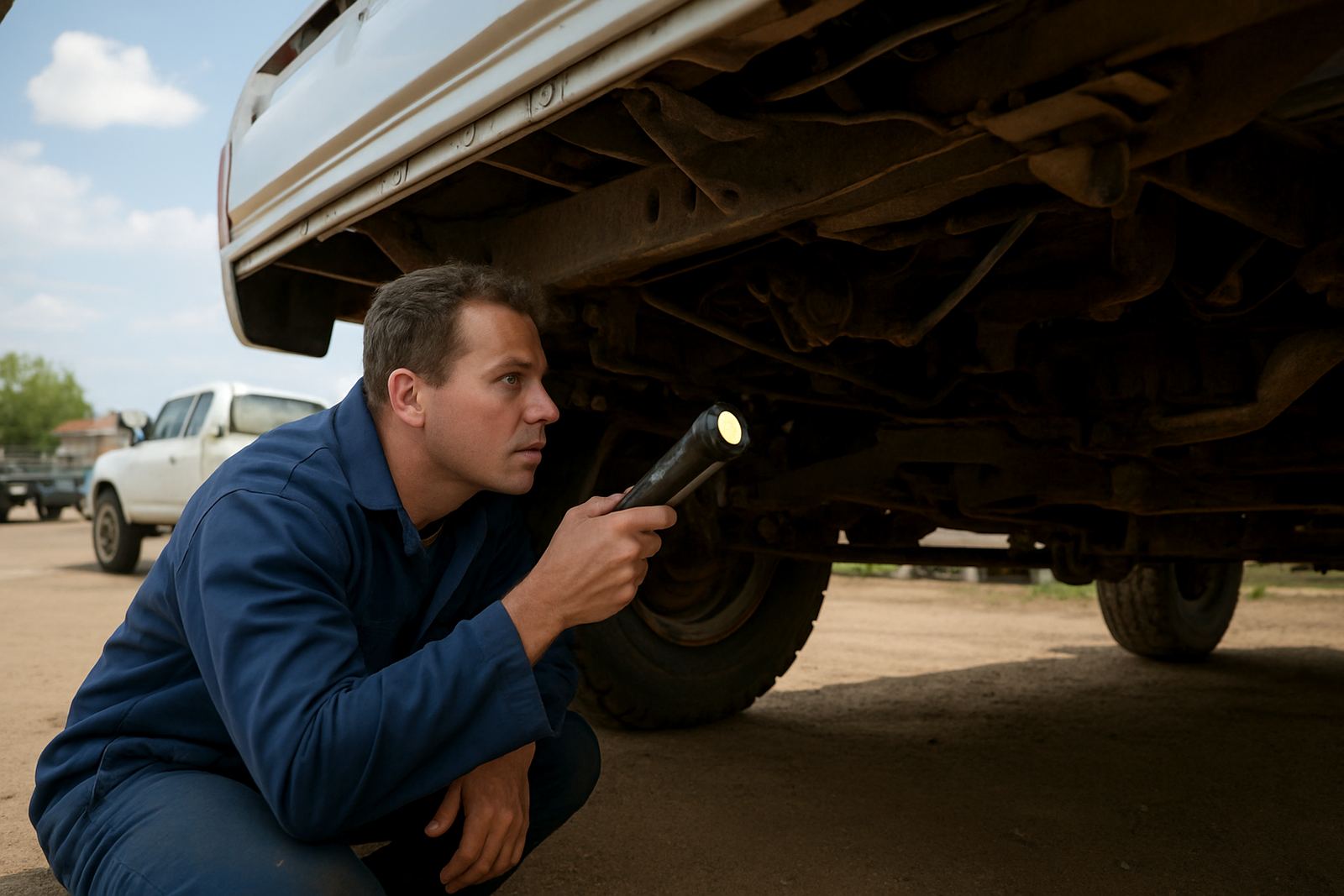
Whether you choose single or double cab, the condition of the vehicle matters more than the shape of the cab. A well-kept older single cab can be better value than a tired double cab with more seats and a rough service history. Buyers should look at the chassis, suspension, tyres, cab mounts, tray floor and signs of accident repair.
It also helps to consider how the cab has been used. A double cab that spent years carrying family passengers may have cleaner seating but more wear on doors, switches and seat belts. A single cab that worked on site may show stone chips, tray dents and heavy-duty wear, yet still be mechanically sound. That is why pre-sale inspections and condition reporting are worth doing before money changes hands.
- Check the tray for rust, bends and poor repairs
- Look under the vehicle for leaks and damaged suspension parts
- Test all doors, windows and locks on double cabs
- Confirm service records and accident history where available
A proper inspection saves time and helps avoid buying a bakkie that looks right in photos but needs expensive work after collection.
A practical rule for choosing the right used bakkie
If the bakkie earns its money by moving goods, tools or materials, start with a single cab. If it must carry people as often as it carries cargo, start with a double cab. That simple rule works for many buyers, but the final choice should still be based on the load size, the route and the budget.
For one local example, a plumbing business in the East Rand may use a single cab for pipe, fittings and tool storage, then add a trailer for larger jobs. A family-run service business in Centurion may choose a double cab because staff, children and stock all travel in the same vehicle. Both choices are sensible, just for different reasons.
Buyers and sellers in Kempton Park, Johannesburg, Pretoria, Polokwane, Bloemfontein and Durban can compare options with listings, inspections and delivery arrangements built for real-world use. The right bakkie is the one that can keep working for you without wasting space, money or time.