Start With the Route and the End Point
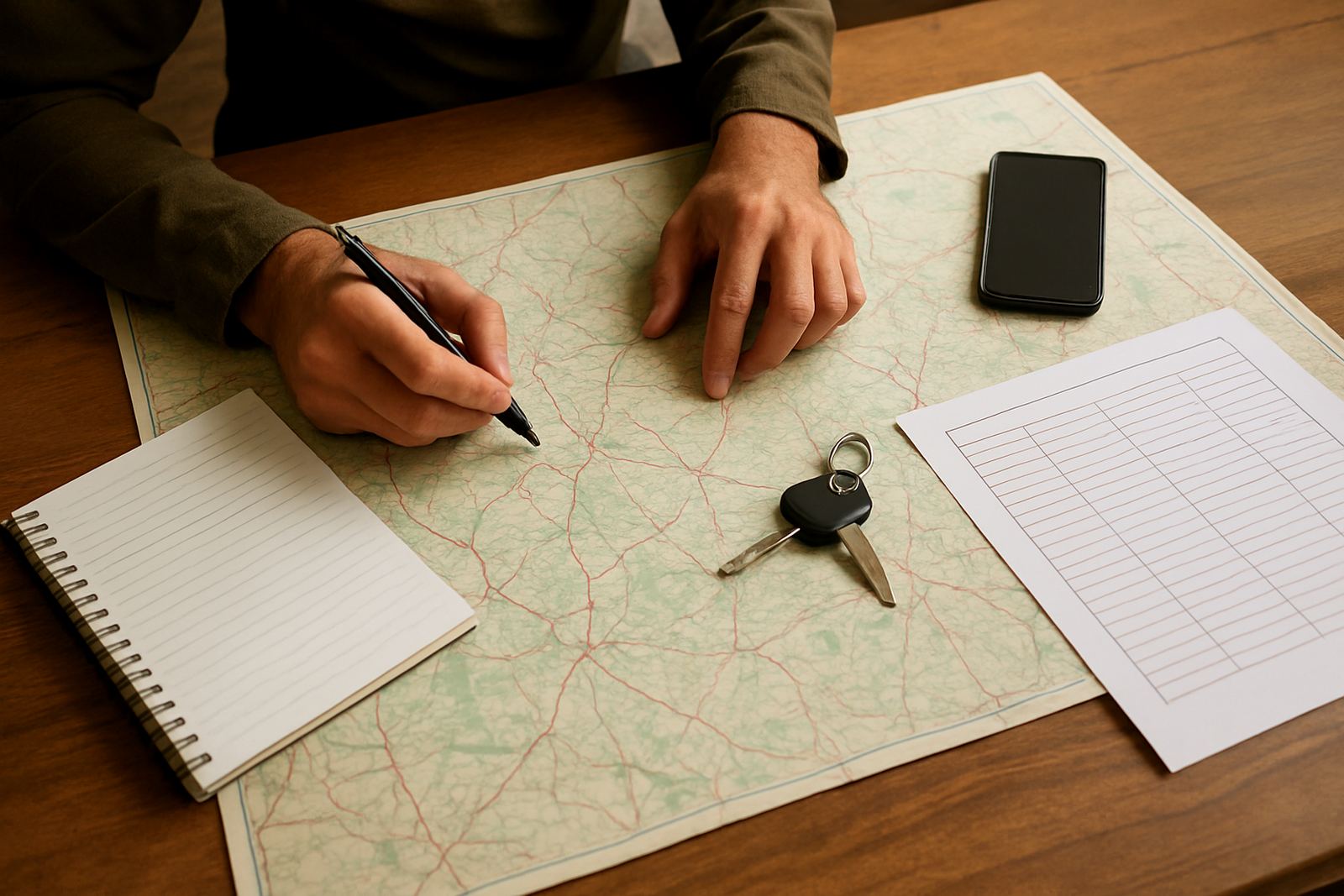
The first step is to work out exactly where the unit is going and how it will get there. A delivery from Spartan in Kempton Park to central Johannesburg is a very different job from a run to Polokwane or Durban, so the route, fuel stops and timing need to match the distance.
For bakkies, think about whether the vehicle is fit to drive or better moved on a transporter. For trailers, check if they can be towed safely, especially if the tyres are old or the lights are not working properly. It also helps to know if the drop off point has space for unloading, because tight streets, security gates and busy industrial yards can slow things down.
- Confirm the pickup address and exact drop off address.
- Check the easiest route for height limits, toll roads and busy traffic sections.
- Decide if the unit will be driven, towed or loaded for transport.
- Allow extra time for weather, roadworks and peak traffic in big cities.
Check the Unit Before It Leaves
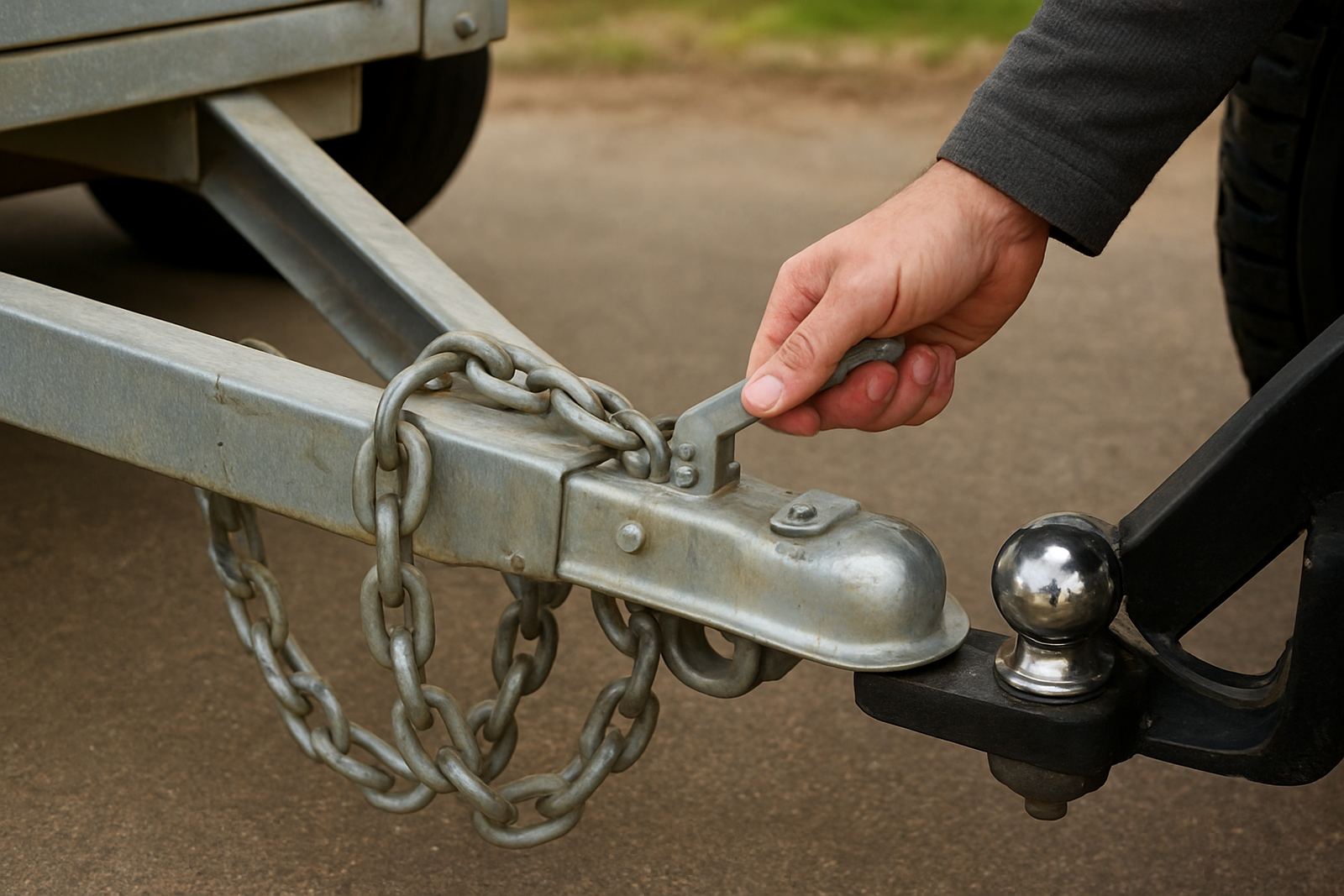
A proper pre-delivery check prevents arguments later. Before a bakkie or trailer leaves the seller, confirm the tyres, brakes, lights, tow hitch, mirrors and load space. If the unit is a bakkie, make sure the battery is charged and that it can handle the trip, especially if it has been standing for a while. A quick check now can save a costly recovery later, simple as that.
For trailers, look at wheel bearings, safety chains, reflectors and the condition of the floor or deck. In coastal areas like Durban, rust can spread fast if fittings have been left exposed to humidity. In Gauteng, dust and standing time can still cause trouble with brakes and couplers. A short inspection before collection is worth the effort.
- Photograph the unit from all sides before loading or departure.
- Record tyre condition, mileage and any visible marks.
- Test lights, brakes and indicators if the unit will be on the road.
- Make sure spare keys and loose accessories are handed over with the unit.
Have the Right Papers Ready
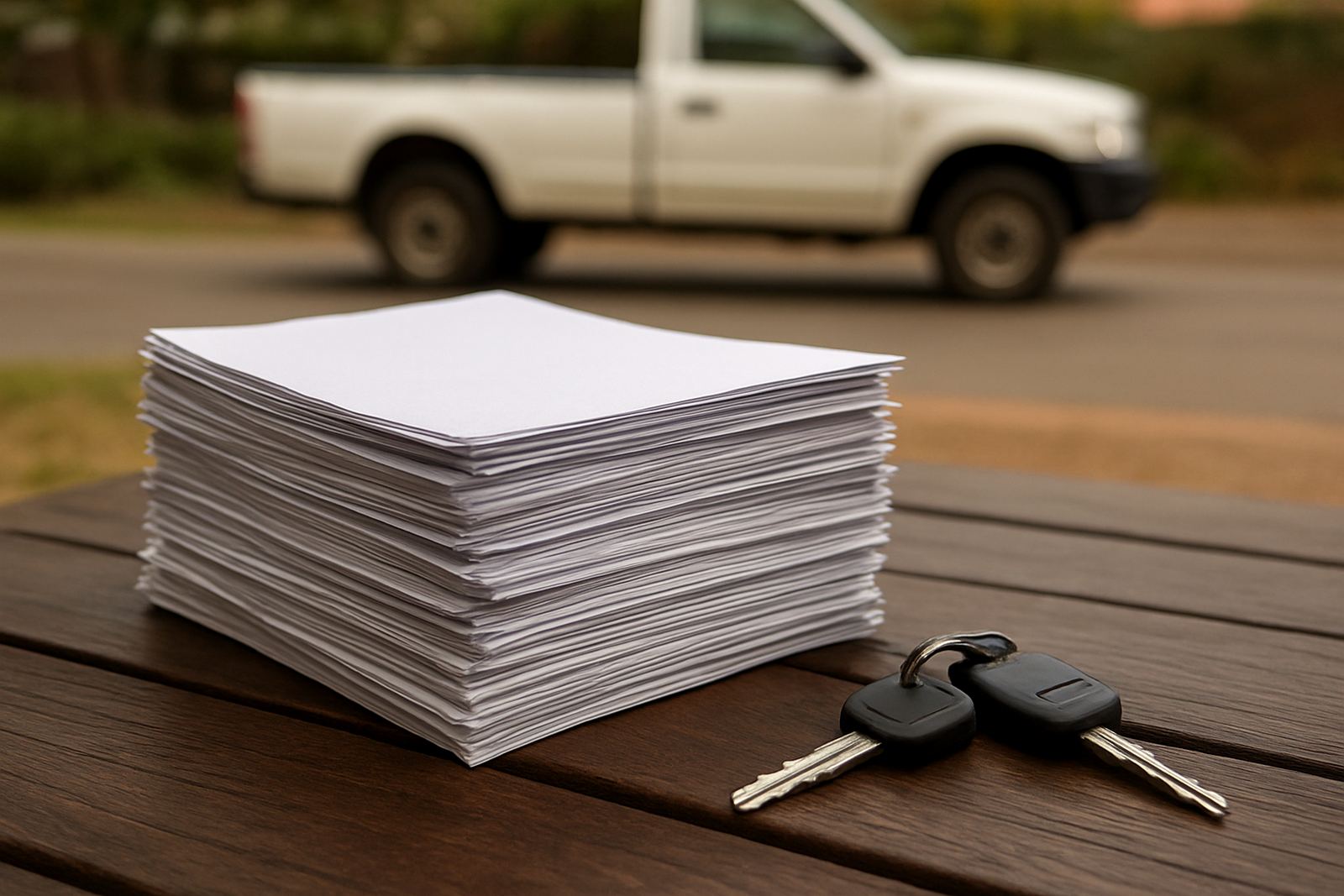
Delivery planning is not only about transport, it is also about paperwork. A buyer should make sure the sale is confirmed, the parties know who is collecting, and the necessary documents are ready before the vehicle moves. Without the right paperwork, a driver can be delayed at a checkpoint or turned back from a delivery point.
For private buyers and dealers alike, it helps to keep copies of the sale agreement, identification details and any handover notes together in one place. If the unit is going across provincial lines, the paperwork should reflect the correct buyer, seller and destination. This keeps things clean and avoids a long back-and-forth later on.
- Keep the sale agreement and handover record in the same file.
- Confirm who is authorised to release and receive the unit.
- Note any agreed faults, missing items or repair points in writing.
- If the unit will be driven, make sure licensing and roadworthy matters are sorted first.
Match the Transport to the Distance
Not every delivery needs the same setup. A short local move may only need a licensed driver and a quick check, while a longer trip from Kempton Park to Bloemfontein or Polokwane may be better handled on a carrier. The aim is to match the method to the value, condition and urgency of the unit, not just the cheapest option.
If the bakkie is roadworthy and the buyer wants it quickly, driving it can work well. But if the unit has uncertain tyres, a noisy gearbox or a worn suspension, transport may be the safer choice. Trailers need a similar decision. A small utility trailer can often be collected and towed, but a heavier or older trailer may need to be loaded instead. It saves stress and often works out better in the end.
- Short local moves: often suitable for direct collection and handover.
- Medium city to city trips: consider towing or a single vehicle transporter.
- Long distance trips: plan for rest stops, fuel and a possible overnight delay.
- Special condition units: use a method that reduces wear and damage.
Plan Around Time, Traffic and Power Cuts
Good timing is one of the easiest ways to avoid problems. Early morning collection can help in Johannesburg and Pretoria when traffic is lighter, while Durban routes may need more room for road congestion near the port and main access roads. If the unit is being collected from a dealer or yard, agree a clear time window so nobody is waiting around.
Power cuts can also affect delivery planning. A gate motor, workshop light or security system may not work as expected when the power is out, so collection arrangements should take that into account. If the handover depends on a hoist, test equipment or lighting, it is smart to confirm the schedule the day before. A little planning avoids standing around in the dark, which is never ideal.
- Choose a pickup time that avoids peak traffic where possible.
- Confirm access for security gates, guards and loading areas.
- Allow for delays caused by power cuts or weather.
- Keep one contact person available for last minute changes.
Use a Clear Handover Check at Delivery
When the unit reaches the destination, the final handover should be simple and orderly. The buyer or receiving party should check the condition against the notes taken before loading. If there are marks, missing items or new issues, they should be recorded straight away. That way everyone knows what happened during transit and there is no guesswork after the fact.
For a local example, a bakkie leaving Spartan for a dealer in Centurion may arrive within the same day, but it should still be checked for fuel level, tyre pressure and any movement of loose parts. A trailer going to Bloemfontein might take longer, so the receiving party should inspect the lights, hitch and wheel condition before signing off. A quick inspection now helps keep the process clean and fair.
- Compare the vehicle or trailer with the original photos.
- Check keys, spare wheel, coupling parts and loose accessories.
- Note any new damage before the driver leaves.
- Sign off only once both sides are happy with the handover.
A Simple Local Example From Kempton Park
Say a buyer in Pretoria has secured a used double cab in Kempton Park. The seller confirms the unit is roadworthy, the paperwork is ready and the buyer wants delivery before the weekend. The simplest plan is to confirm the route, prepare the handover notes, check the tyres and battery, then arrange a collection time that misses the worst traffic. If the vehicle is in good shape, it can be driven. If not, transport is the safer option.
Now compare that with a trailer going to Durban. Because of the longer distance and coastal humidity, the trailer should be checked carefully for bearings, lights and rust before it leaves. The receiving side should be told exactly when to expect it, and the final inspection should happen as soon as it arrives. Good planning turns what could be a stressful move into a straightforward job, with less risk and less waiting around.