Start With the Work the Bakkie Must Do
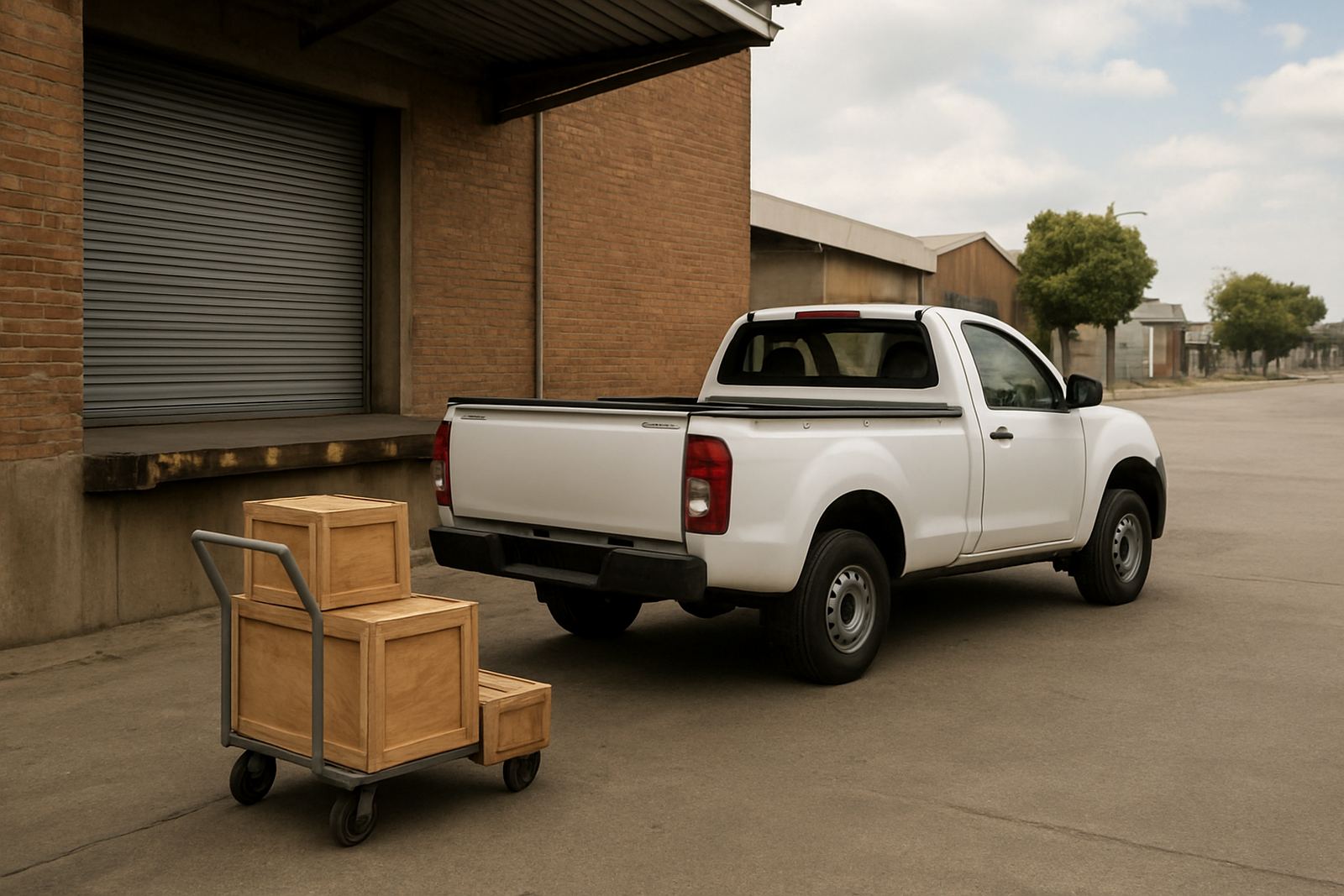
The first question is not which engine is better in general, but what the vehicle will actually do day to day. A bakkie that spends most of its life in town, with light loads and short trips, has different needs to one that tows a trailer up and down the N3 or carries tools, stock and ladders across the East Rand.
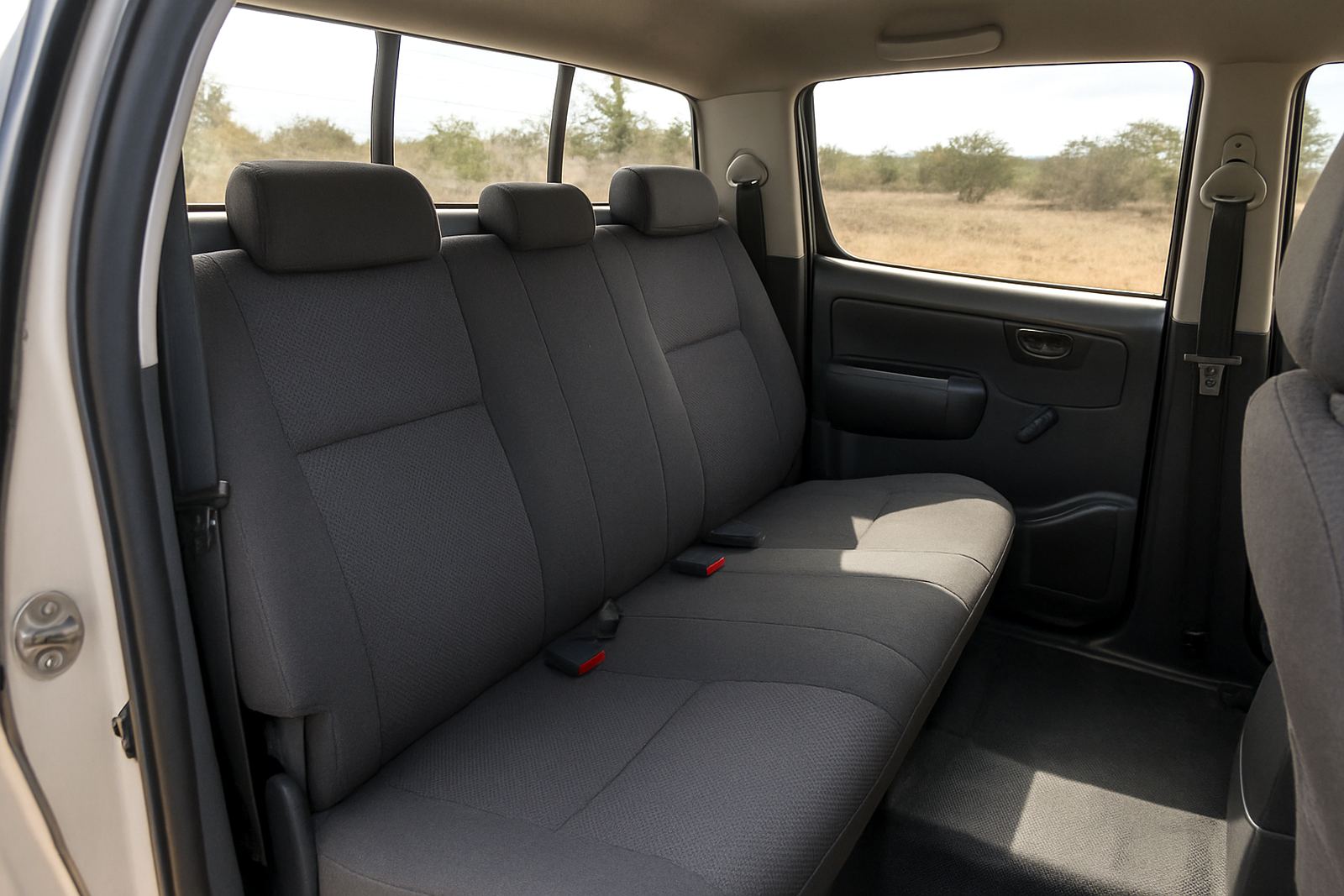
Diesel usually makes sense when the vehicle works harder. It suits steady motorway driving, frequent towing and heavier payloads. Petrol often suits lighter use, lower annual mileage and stop start driving where the trips are short and the load is modest. In real terms, that means a plumbing contractor in Pretoria East may lean diesel, while a private buyer using a bakkie for weekend runs and school transport may be happier with petrol.
Think about the route, the weight and the number of kilometres. If you are buying used, the service history matters just as much as the badge on the tailgate.
Why Diesel Appeals to Load Carriers and Towing Jobs
Diesel engines are valued for pulling power and fuel economy under load. When you are towing a trailer with building material, garden waste or a small machine, the low-end torque makes the drive feel calmer and less strained. That matters on long provincial routes, especially when you are carrying a full load in hot weather or dealing with hills outside towns like Polokwane or around the Free State.
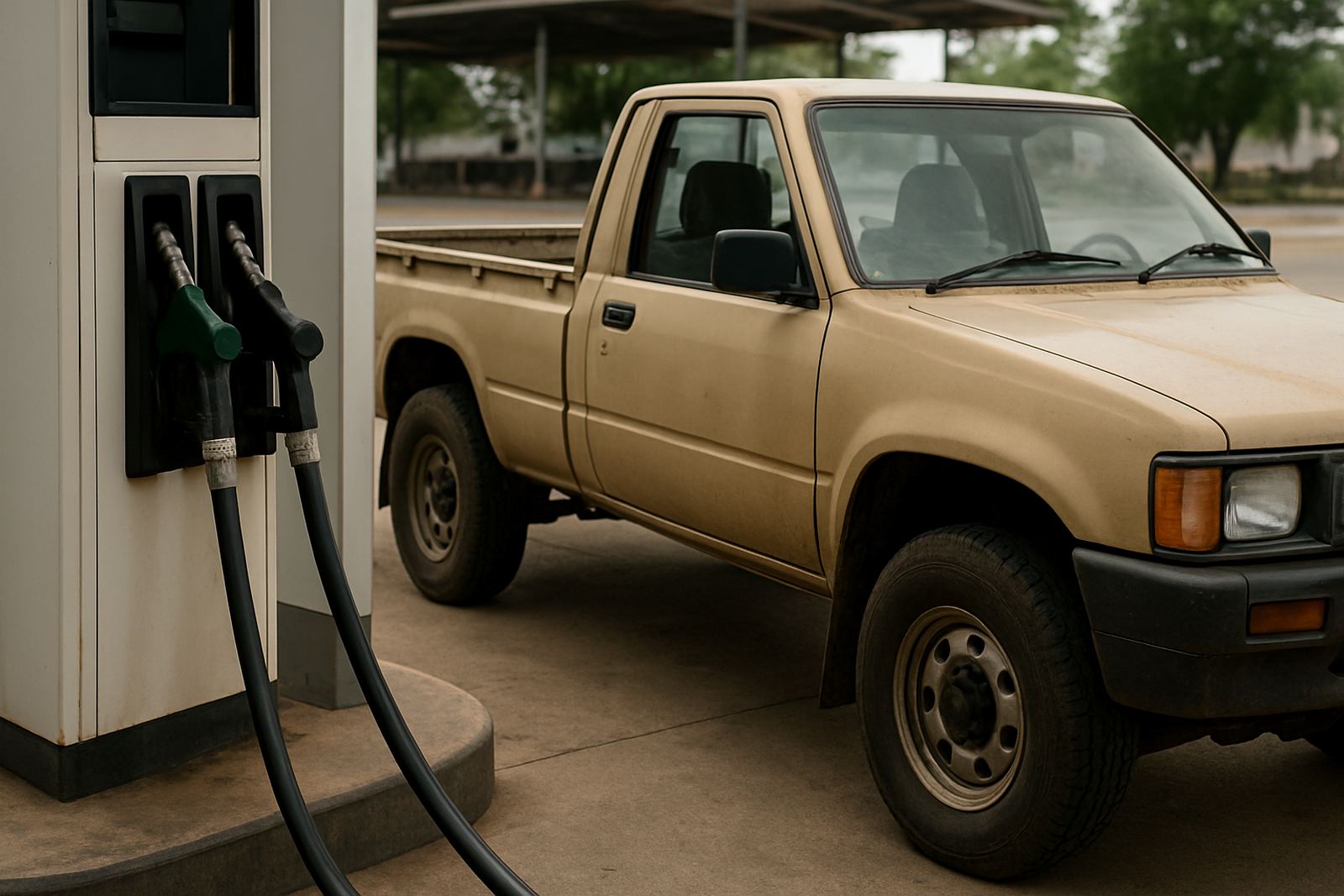
For owners who spend hours on the road, diesel can also stretch each tank further. That can reduce fuel stops on delivery days and cut the stress of running low in places where stations are far apart. It is not only about litres per hundred kilometres though. Diesel engines can come with higher service and repair costs if they are neglected, so a cheap purchase can become expensive very quickly.
- Better suited to frequent towing and heavier payloads
- Often more efficient on long-distance trips
- Can be a stronger choice for business use with high mileage
- Needs proper servicing and clean fuel to stay reliable
Where Petrol Still Makes Good Sense
Petrol bakkies are often a better fit for lighter, more flexible use. If your driving is mostly short hops around Kempton Park, Midrand, Centurion or central Durban, petrol can be easier to live with. These engines usually warm up faster, which suits frequent stop start driving and school runs. They can also be simpler to buy and maintain, especially where the vehicle is not working under constant strain.
For buyers who use a trailer only now and then, petrol can be perfectly practical. You may give up some fuel economy under heavy load, but if the bakkie spends most of its life unladen then the overall running cost can still work out well. Petrol can also be a strong option for private sellers wanting broad appeal, because it suits a wider range of casual buyers and is often easier to explain at viewing time.
In the used market, condition counts more than the fuel type. A well kept petrol bakkie can outlast a tired diesel, and that is where a proper inspection becomes worth every Rand.
What to Check Before You Buy Used
No matter which fuel you choose, a used bakkie or trailer needs a careful look before money changes hands. Start with cold start behaviour, smoke, idle quality and the way it pulls under load. A smooth test drive on urban roads is useful, but it is not enough. You want to know how the vehicle behaves once it is warm and carrying weight.
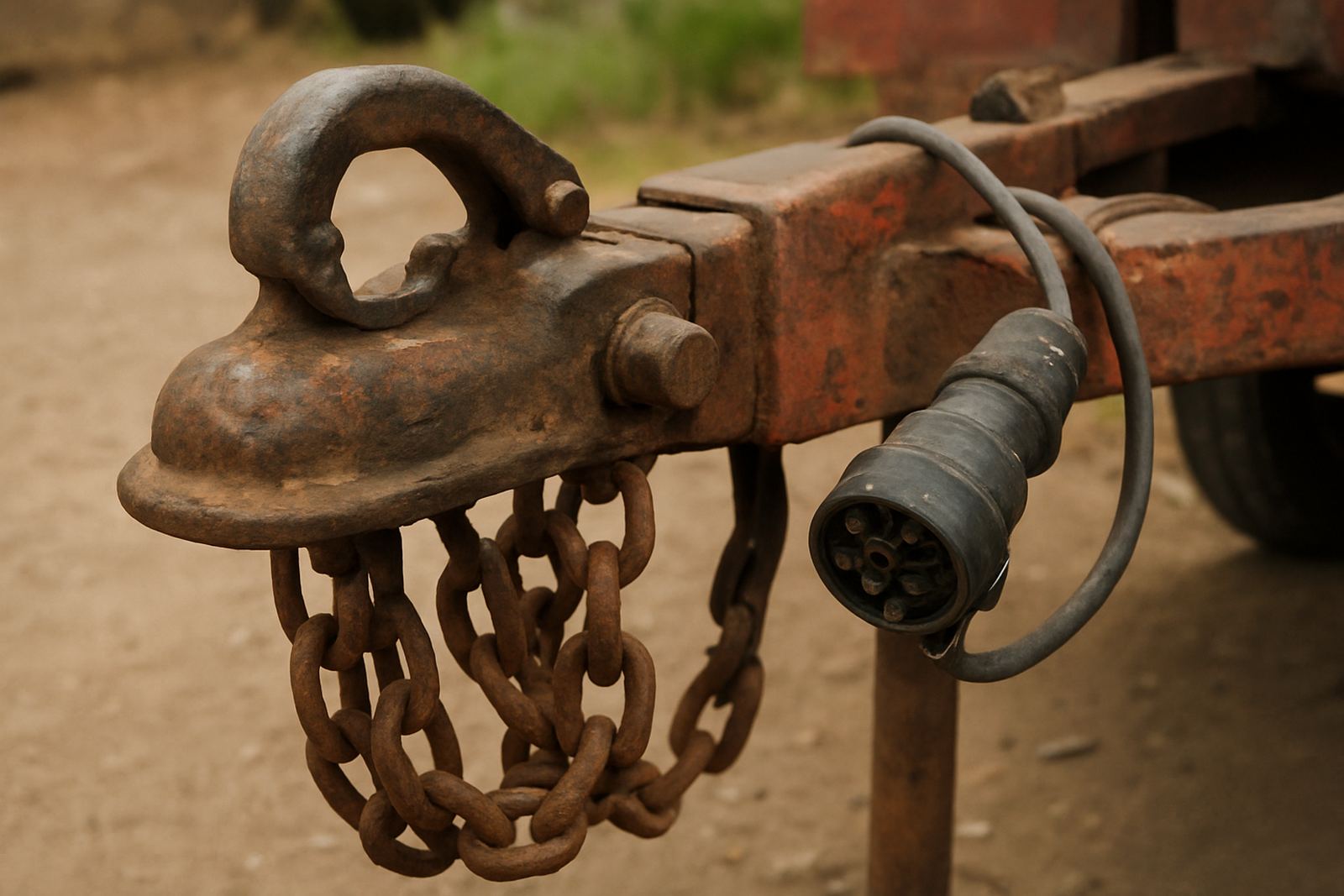
For diesel, listen for injector noise, uneven idling and hard starting. For petrol, check for rough running, poor fuel consumption and hesitation when accelerating. On both, look at service records, tyre wear, brakes, suspension and signs of overloading. If the bakkie will tow, inspect the tow bar, electrical connections and rear suspension carefully.
- Check service history and mileage consistency
- Inspect for oil leaks, smoke and warning lights
- Test the clutch, gearbox and brakes under load
- Look for rust, especially on trailers and coastal vehicles
- Confirm the paperwork matches the vehicle and the seller
A Local Example From Kempton Park to Durban
Take a small business in Spartan, Kempton Park. The owner buys stock from Johannesburg, delivers across the East Rand and sometimes sends a trailer load to Durban. That kind of work often points toward diesel because the vehicle is on the road for long stretches and has to pull weight on the highway. The fuel savings over a year can be meaningful, especially when fuel prices move and the mileage climbs.
Now look at a private buyer in Centurion who needs a bakkie mainly for family use, the odd hardware run and a trailer for weekend projects. For that buyer, petrol may be the better fit. The vehicle will do shorter journeys, sit in traffic, and probably not see heavy towing every week. In that case, paying for diesel capability that is seldom used may not make financial sense.
There is no single right answer. The right fuel is the one that matches the job, the budget and the way you actually drive.
Match Fuel Type to Total Ownership Cost
It helps to think beyond the purchase price. The cheaper vehicle up front is not always the cheaper one to own. Look at fuel use, servicing intervals, tyre wear, insurance, and the likely repair bill if something fails. A diesel that has been maintained properly can be excellent value. A petrol bakkie with lower kilometres and a clean history can also be a smart buy, especially for lighter use.
Buyers should also consider resale value. In South Africa, diesel bakkies often draw strong interest from working buyers, while petrol models can move well with private owners and lighter users. If you are planning to sell again in two or three years, choose the fuel type that will suit the next owner too.
When in doubt, inspect the vehicle with the same question in mind: will this engine still make sense after six months of your real driving, not the kind of driving you imagine you might do.
Choosing between the two works better when the inspection, condition report and viewing details are handled properly. The best vehicle is the one that does the work without wasting fuel, time or money.