Why Used Vehicle Demand Moves With the Calendar
Used bakkies and trailers do not sell at the same pace every month. Buyers react to work cycles, holiday travel, farming activity, weather and even municipal deadlines. A trailer that sits for weeks in winter may attract strong interest in spring when people start moving goods, clearing property or preparing for year-end jobs.
In the trade, we see a clear pattern: practical units move faster when people are under pressure to get work done. Small builders, gardeners, movers, installers and farmers all plan around busy periods. Private sellers often notice this too, though they may not link it to the season straight away. The right timing can make a real difference to enquiry levels and final pricing, especially when a vehicle is presented well and priced close to market.
Summer Jobs, Holiday Travel and the Year-End Rush
From late spring into summer, demand often lifts for bakkies and trailers that can handle extra work. People are moving equipment, carrying stock, collecting furniture and getting ready for December travel. In coastal areas, buyers also look at corrosion more closely because humidity and sea air can affect wear on steel trays, tow bars and trailer frames. A clean, dry unit with straight panels and working lights gets attention faster.
Year-end is also a strong period for private buyers who want a second vehicle before holidays. Businesses may upgrade before the new year starts, while individuals often look for a practical unit before school fees and other January expenses kick in. That makes November and early December a useful window for sellers who want to secure interest before the market slows over the festive break.
- List early if the unit will be useful for holiday transport or year-end work.
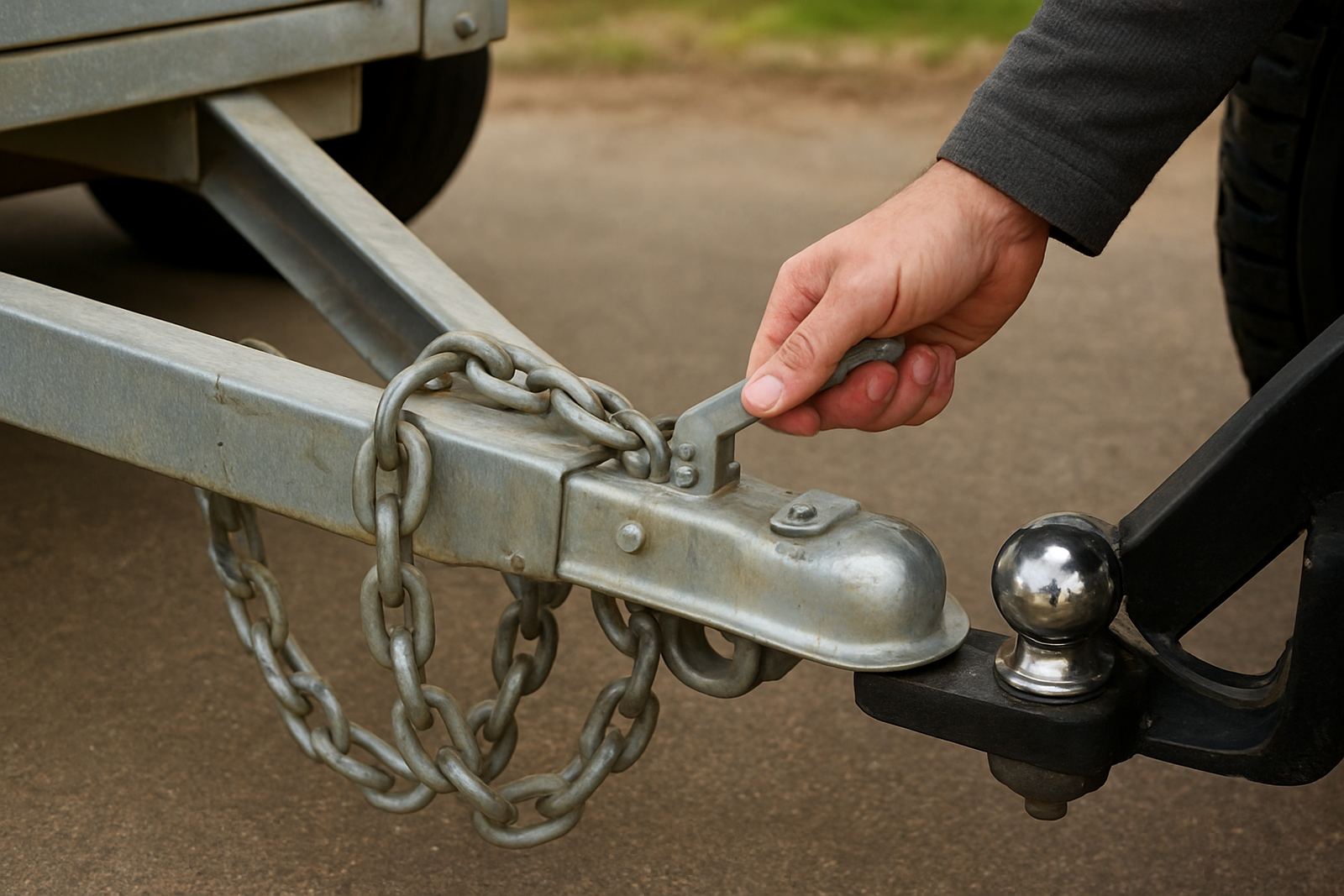
- Include clear photos of tyres, loading area, tow hitch and any repairs.
- Be upfront about service history, rust spots and licence status.
- Expect more calls for practical, ready-to-work units than hobby purchases.
Autumn and Winter: When Practicality Wins
As temperatures drop, buyers tend to focus on value, durability and fuel use. A bakkie with a sound engine, decent tyres and a tidy cab becomes more attractive than a flashy model with higher running costs. Trailers used for removals, spaza stock runs, building materials and equipment storage still move, but buyers usually want proof that brakes, lights and wheel bearings are in order.
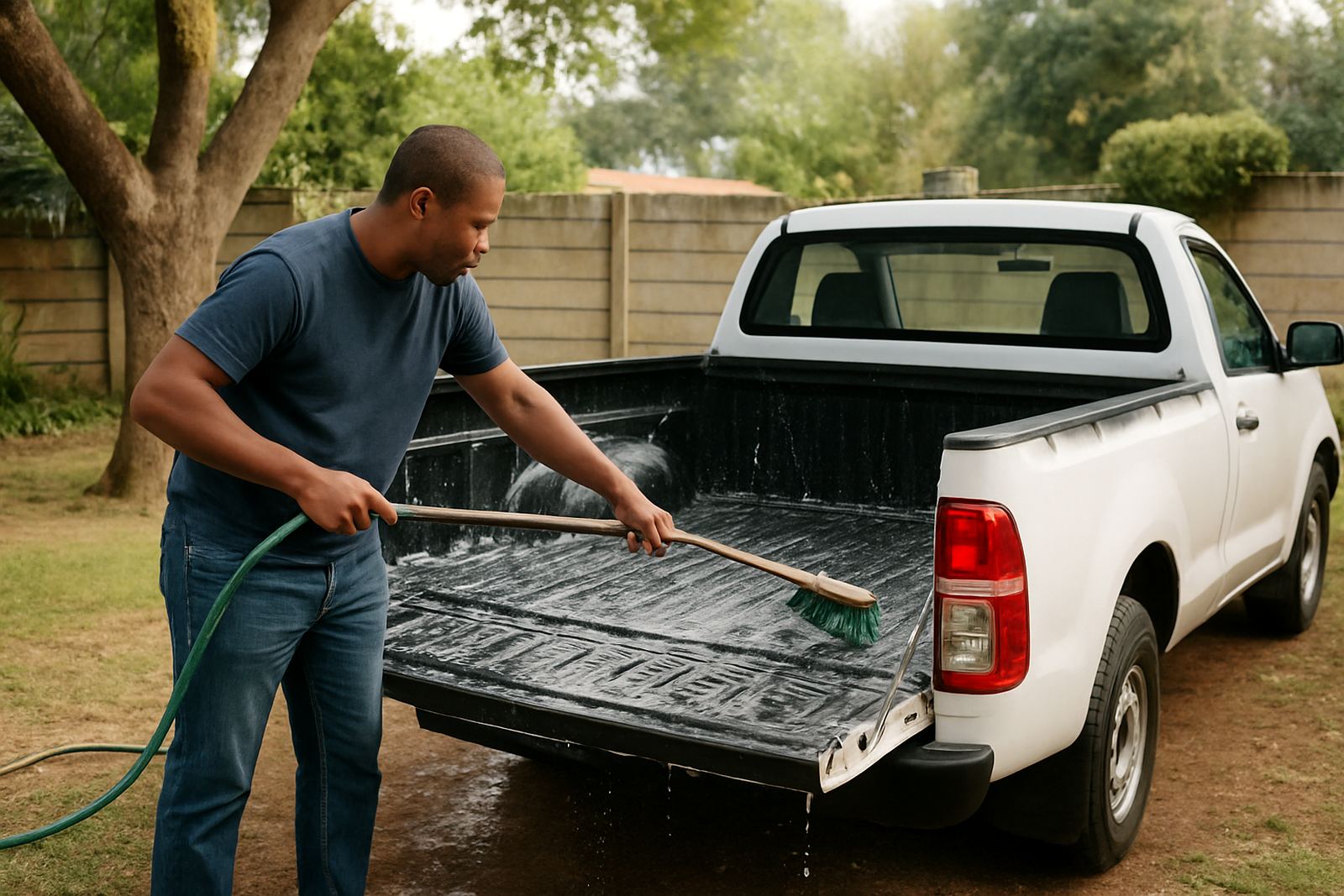
Winter can be a slower season for some sellers, yet it is often a good time for serious buyers to negotiate. There are fewer tyre-kickers and more people shopping with a purpose. That means sellers who prepare proper condition reports and give honest details about load capacity, accident history and tow weight can still do well. If a unit has been standing, it helps to check battery condition, tyre pressure and any signs of damp or mildew inside enclosed trailers.
- Cold mornings can expose starting issues and weak batteries.
- Wet roads make tyres, brakes and lights more important to buyers.
- Trailers stored outside should be checked for rust and water damage.
- Winter is a good time to sort paperwork so the sale can move quickly.
Regional Patterns Across Gauteng, the Free State and the Coast
Demand shifts differently from town to town. In Kempton Park and the East Rand, commercial buyers often want bakkies for deliveries, site visits and collection runs. In Pretoria and Centurion, there is steady interest from tradesmen and small businesses needing a dependable unit with enough space for tools. Polokwane buyers often look for value and durability for longer rural runs, while Bloemfontein buyers may favour practical trailers and bakkies that can cope with open roads and farm access. Durban and other coastal areas add another layer because salt air can affect underbodies and wiring.
This is why a local example matters. A single cab bakkie with a plain steel load bin may draw more enquiries in winter from contractors in Johannesburg than from a leisure buyer in Durban. The same unit might get stronger traction in summer if it is priced for work use and described clearly. Seasonal demand is not the same everywhere, so matching the unit to the region matters just as much as the month.
What Sellers Should Prepare Before Peak Buying Periods
Selling into the right season helps, but preparation still does the heavy lifting. Buyers want straight answers, clean photos and enough detail to make a decision without wasting time. A unit that looks ready for use will almost always get better response than one with missing information. Even small issues like a faulty trailer plug or worn seat covers can slow things down if they are not addressed or explained.
Before the busy period starts, sort out the basics and make the listing easy to trust. That includes the paperwork, the condition report and any known faults. If the vehicle has had recent work done, keep the invoices together. If it has been standing, have the brakes, bearings and tyres checked before a buyer arrives. Simple admin can save days of back and forth.
- Gather registration papers and proof of ownership early.
- Take photos in daylight, including the underside where possible.
- List the exact body style, load size and towing details.
- Note any repairs, even if they are small, so the buyer knows what to expect.
How Buyers Can Use Seasonal Timing to Their Advantage
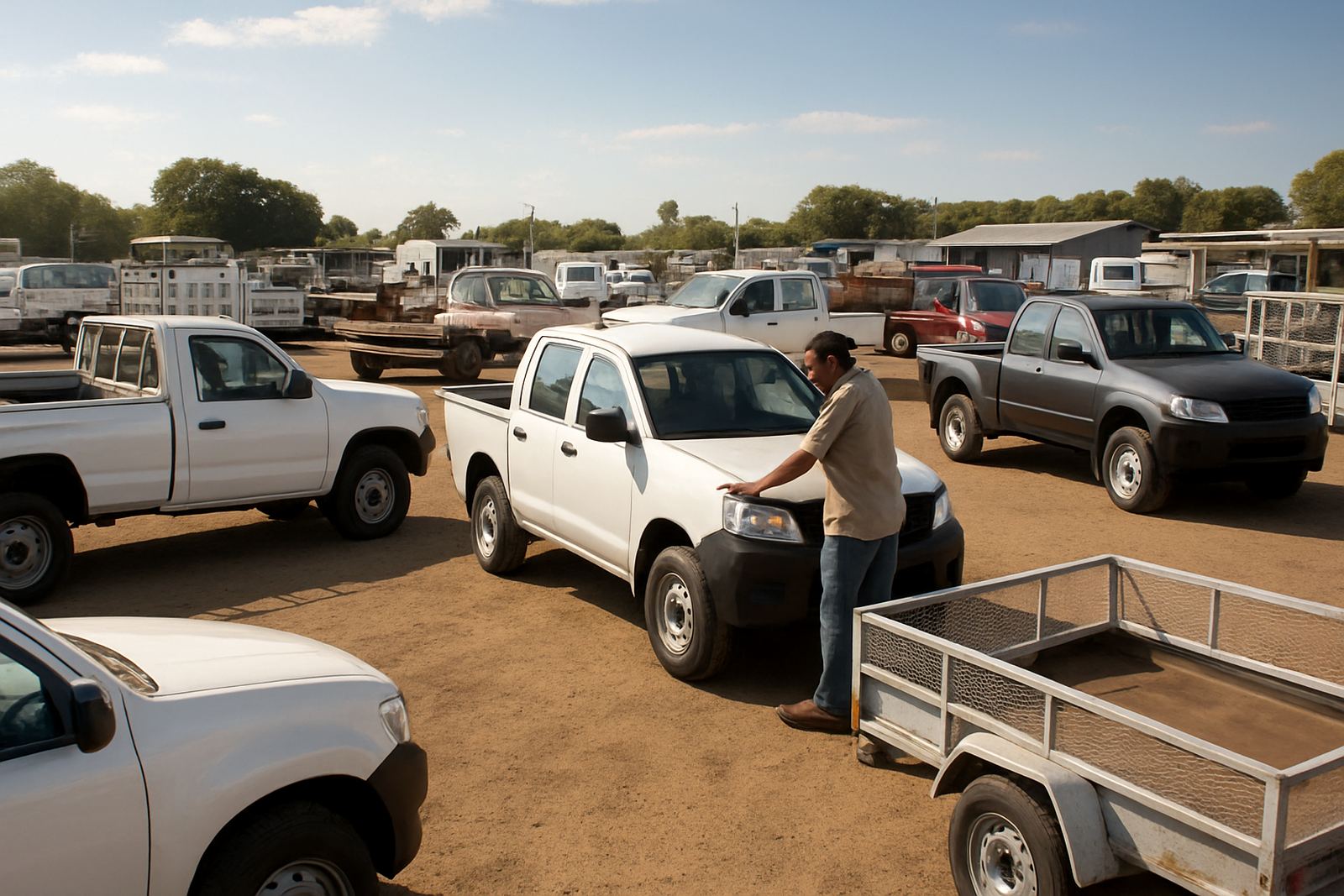
Buyers can use timing to their advantage too. During quieter months, there may be more room to ask questions, compare units and arrange inspections without pressure. If you are not in a rush, winter can be useful for checking whether a bakkie starts cleanly on cold mornings or whether a trailer has hidden wear. In busier months, acting quickly matters because the better-priced units do not sit long.
A practical buyer should look at more than just the asking price. Ask how the unit was used, whether it stood outside, when it was last serviced and whether the tyres and lights are roadworthy. If delivery is needed to another province, factor in timing around holidays and public transport delays. A good deal can turn expensive if the unit is rushed, poorly inspected or not suited to the season and job at hand. That is why patience and timing are part of the purchase, not just the price tag.
Seasonal movement in Johannesburg, Pretoria, Polokwane, Bloemfontein, Durban and Kempton Park shows up in our work all the time. Sellers who plan ahead and buyers who understand timing usually get a better outcome, and less stress too.