Start With the Job, Not the Badge
Budget buying works best when the vehicle has one clear purpose. If you need a bakkie for site runs in Kempton Park, deliveries into Johannesburg, or weekend jobs around Centurion, write down the load size, towing needs, and the kind of roads it will face. A vehicle that is a bit older but suited to the work often gives better value than something newer that is too heavy on fuel or too small in the back.
Be realistic about what the vehicle will carry. A tradesman moving tools and fittings does not need the same setup as a buyer hauling garden waste, building material, or a small trailer every day. Once the job is clear, it becomes easier to compare price, payload, service history, and tyres without getting distracted by colour, trim or extras you wont use.
- Measure the load space before you start searching.
- Check whether towing will be daily or only occasional.
- Work out fuel use based on your actual route, not the seller’s estimate.
- Keep one or two backup options in case the first choice goes too fast.
Know Where the Real Costs Hide
The asking price is only the first number. A used work vehicle can still stay within budget if you account for the parts that usually need attention soon after purchase. That includes tyres, brake pads, battery, suspension rubbers, tow bars, trailer lights, paperwork, and any overdue service items. In Gauteng, stop-start traffic and heavy load use can wear components faster than many buyers expect.
If you are comparing two vehicles at similar prices, the cheaper one is not always the better buy. A bakkie with fresh tyres, a healthy battery and a clean service record may save you more than a lower sticker price on one that needs immediate work. Buyers often forget transfer fees, roadworthy costs, and the cost of sorting small faults before first use. Those Rand add up quicky.
- Set aside a repair reserve of at least 10% to 15% of your budget.
- Ask when the battery, tyres and brakes were last replaced.
- Check whether the vehicle has been standing for months, especially in the winter dry season.
- Budget for towing or delivery if the vehicle is not in your area.
Inspect the Body, Chassis and Cab Properly
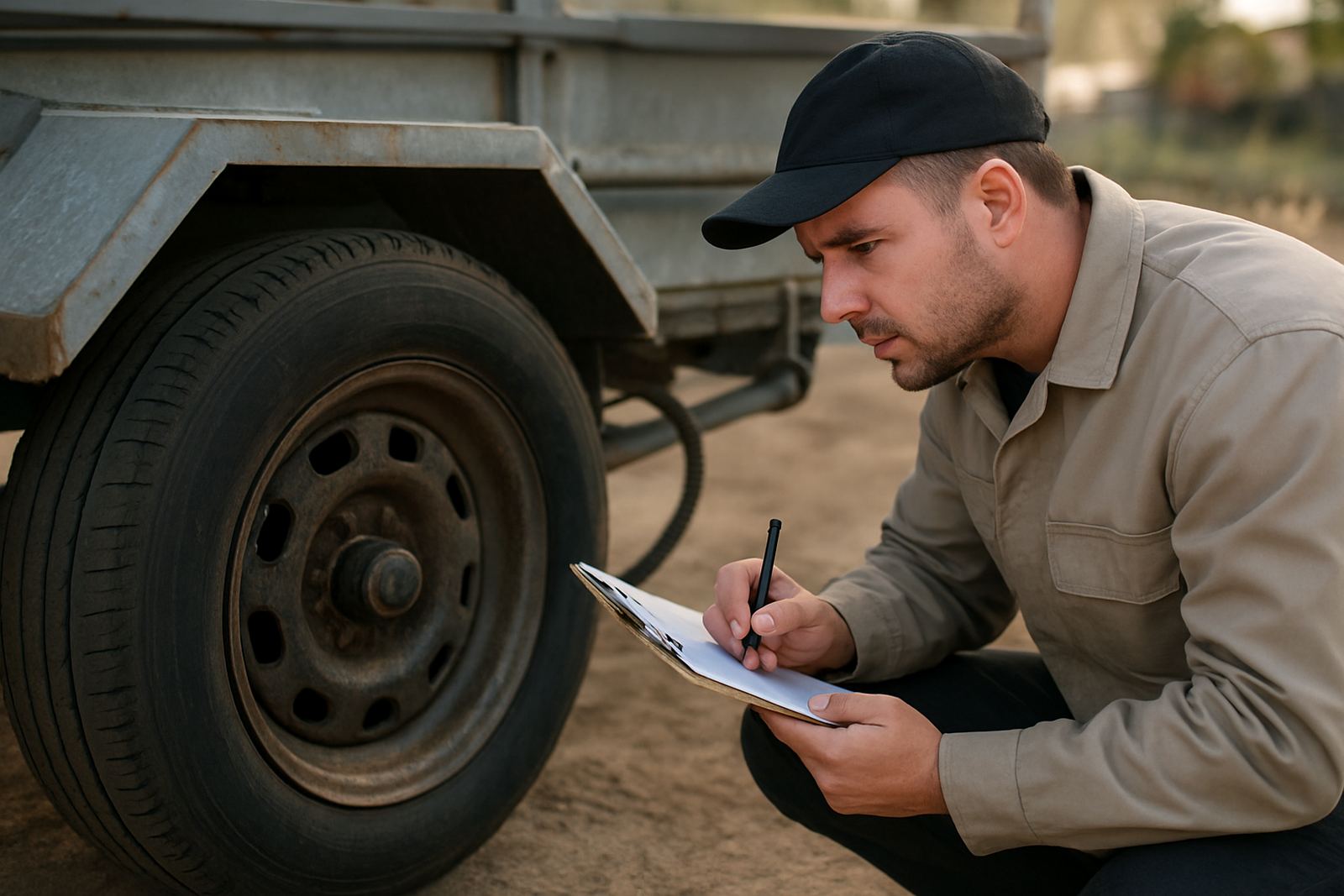
A good budget purchase starts with a proper inspection. Look for uneven panel gaps, fresh paint in isolated areas, bent mounting points, rust around the wheel arches and floor, and signs of accident repair. On trailers, pay close attention to the drawbar, coupling, floor boards, axle condition and welds. Around coastal routes such as Durban, humidity can speed up rust on exposed metal so any blistering paint should be treated seriously.
Inside the cab, check whether switches work, seats are solid, belts retract properly and the dashboard warning lights do what they should. Do not ignore small leaks under the carpet or around door seals, especially if the vehicle has been parked outdoors. A clean interior is nice, but mechanical condition matters more than shiny plastics. You want a workhorse, not a showpiece.
- Inspect under the vehicle in daylight if possible.
- Check the spare wheel and jack are there and usable.
- Look for uneven tyre wear, which can point to alignment or suspension issues.
- Confirm the VIN and engine numbers match the paperwork exactly.
Ask for Evidence, Not Stories
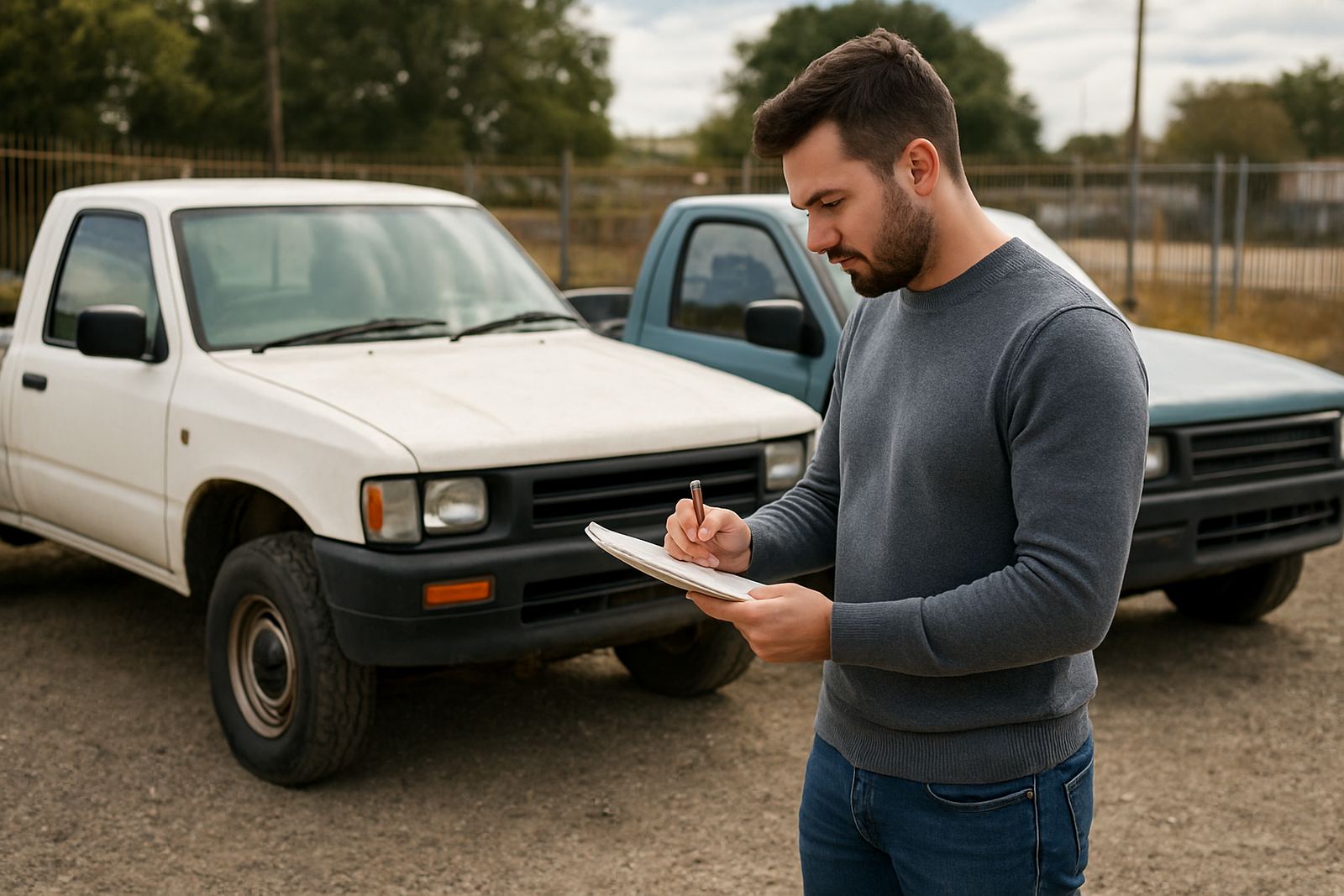
Seller confidence is useful, but proof matters more. Ask for service records, previous repair invoices, licence details and any recent inspection reports. If a vehicle is being sold as ready for work, there should be something to back that up. A short history of ownership, use and maintenance gives you a clearer picture than a long story about how reliable it has always been.
Condition reports are especially useful when you are buying from another province or cannot view the vehicle in person. They help you compare options fairly and spot the units that need a closer look. At Buy Those, pre-sale inspections and photo packages give buyers a practical view of what they are paying for before they arrange collection or delivery.
- Ask when the last service was done and what was replaced.
- Confirm whether the vehicle has outstanding finance or licence issues.
- Request recent photos of the engine bay, load area and tyres.
- Do not rely on one angle or one short video clip only.
Use Location to Your Advantage
Buying on budget does not mean you should only look around your own suburb. Pretoria buyers may find a better priced trailer in the East Rand, while a buyer in Polokwane may find a decent work bakkie listed in Johannesburg with enough margin left over for delivery. The key is to compare the total landed cost, not just the listing figure. Sometimes a vehicle in another city still works out better once you factor in condition and mileage.
Local knowledge helps with collection too. In busy areas like Spartan, Kempton Park, or near municipal routes with restricted parking, arranging viewing times and pickup carefully can save you wasted trips and extra fuel. If the seller has limited space or the vehicle needs to be loaded for transport, clear timing avoids delays and extra handling fees. A bit of planning can make a lower priced unit the smarter buy.
Choose a Vehicle That Holds Its Value in Use
The best budget purchase is not always the cheapest one today. It is the vehicle that keeps earning without draining your account every month. Think about parts availability, tyre size, service intervals, fuel use, and whether the body style suits your work for the next 2 to 3 years. A simple bakkie with a clean, honest history often beats a more complicated vehicle with expensive running costs.
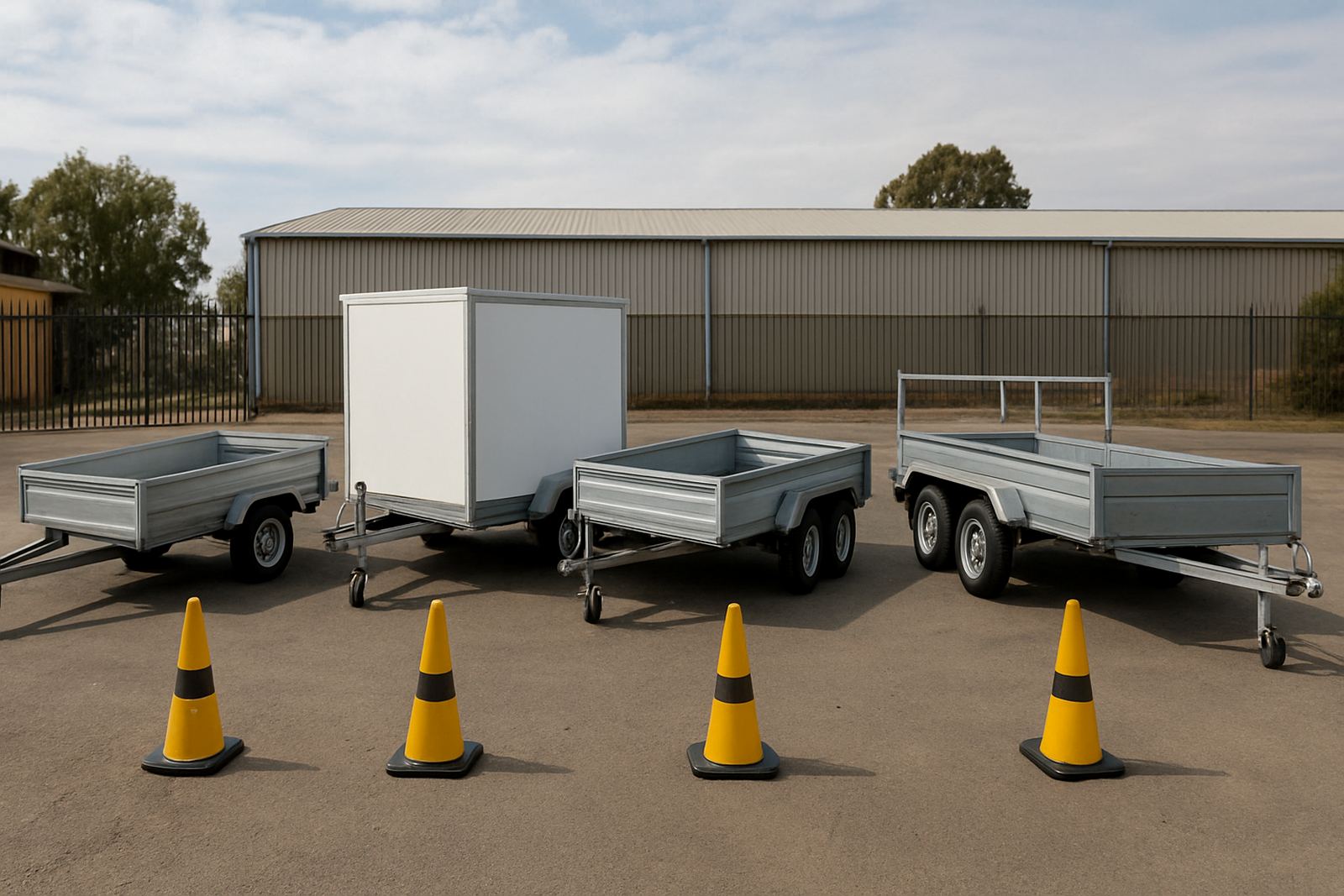
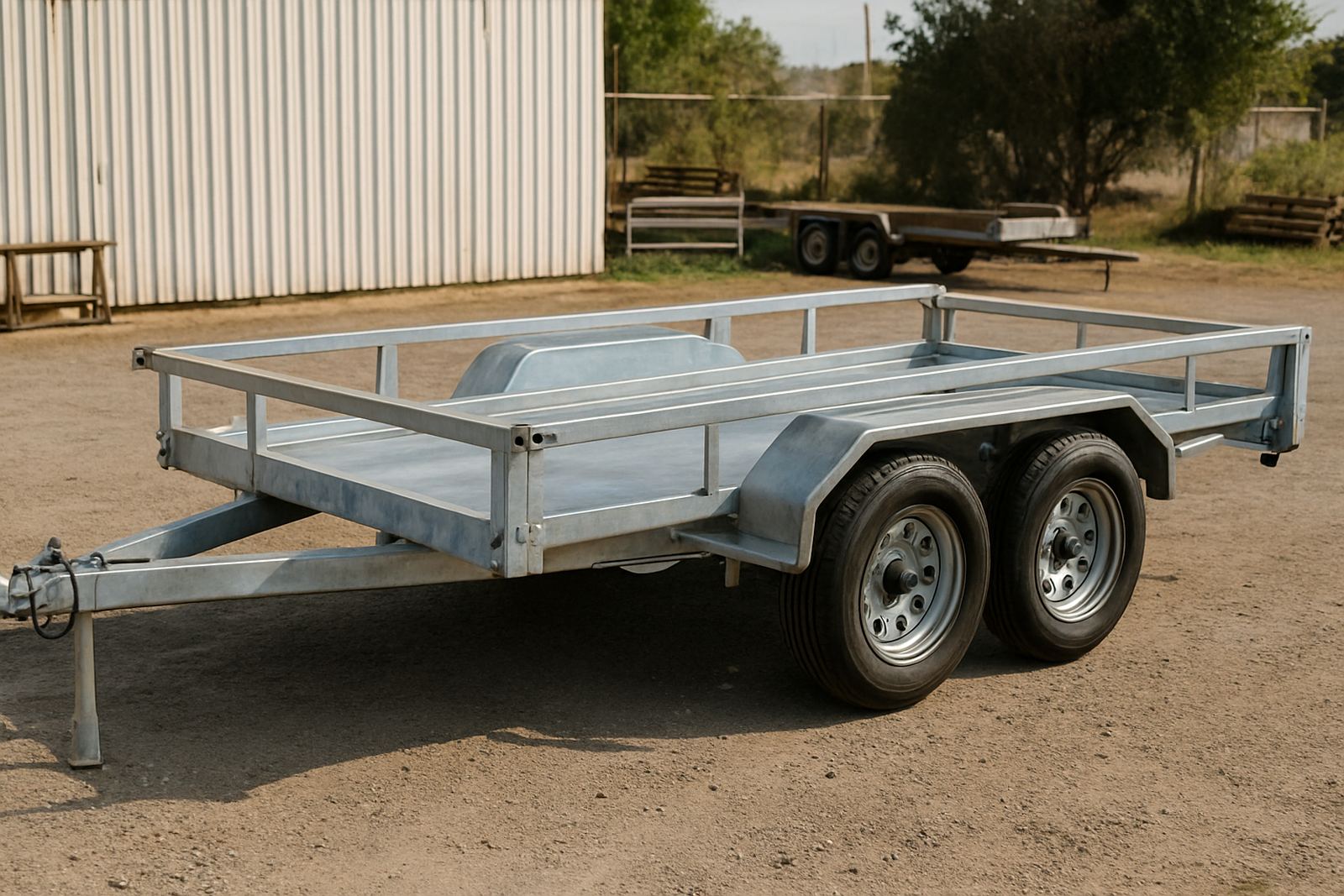
For trailers, the same logic applies. A well-built trailer with sound wiring, a solid floor and legal dimensions can save you many headaches if you use it for moves, tools, garden waste or light commercial work. Keep the paperwork straight, keep the load within limits, and check lights before every trip. That kind of discipline keeps a small budget from turning into a bigger problem later on.
In practical terms, budget buying is about avoiding the wrong costs, not just chasing the lowest price. If you stick to the job, inspect properly and compare the full cost of ownership, you can still land a dependable vehicle without overextending your Rand.