Why the floor tells the real story
Most buyers spend time checking the frame, tyres and lights, but the floor often carries the biggest clues. It takes the knocks from bricks, garden waste, building material, wet grass and sometimes overloading, so wear shows up there first. A floor that is weak or patched badly can turn an otherwise good trailer into a costly job after purchase.
In Kempton Park and the East Rand, where many trailers spend long hours outside in sun and summer rain, floor damage often starts with moisture getting in around bolt holes and edges. Once water sits under a board or between metal sections, rot and rust can spread faster than many buyers expect.
What to look for during a close viewing
Walk around the trailer slowly and look at the floor from above and underneath if the seller allows it. Press down with your foot in several places, especially near the centre line, the front edge and the corners. Soft movement, springy spots or a hollow feel often mean the structure below has weakened.
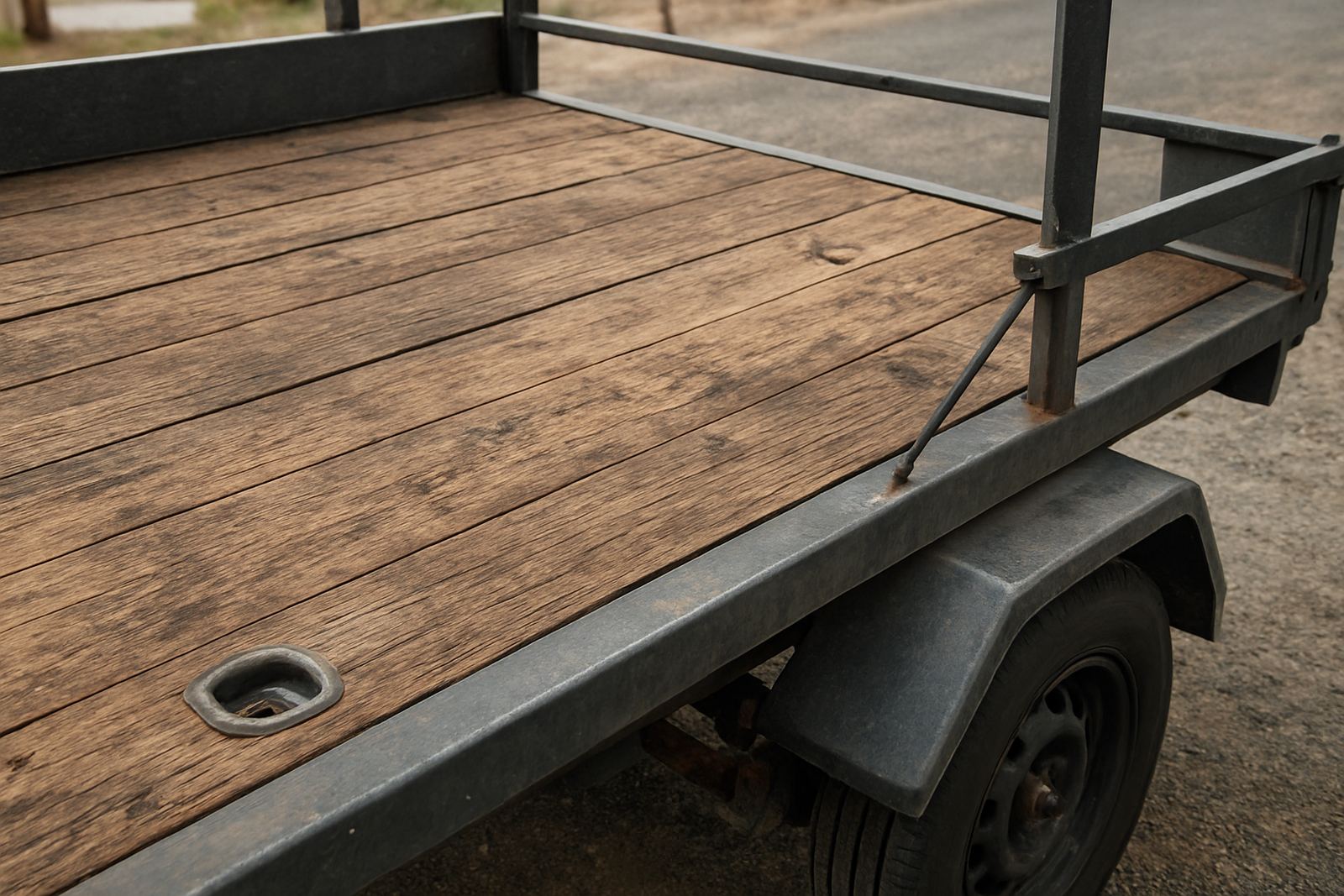
- Check for dark stains, swelling or split boards on timber floors.
- Look for rust bubbles, flaking paint and thin metal patches on steel floors.
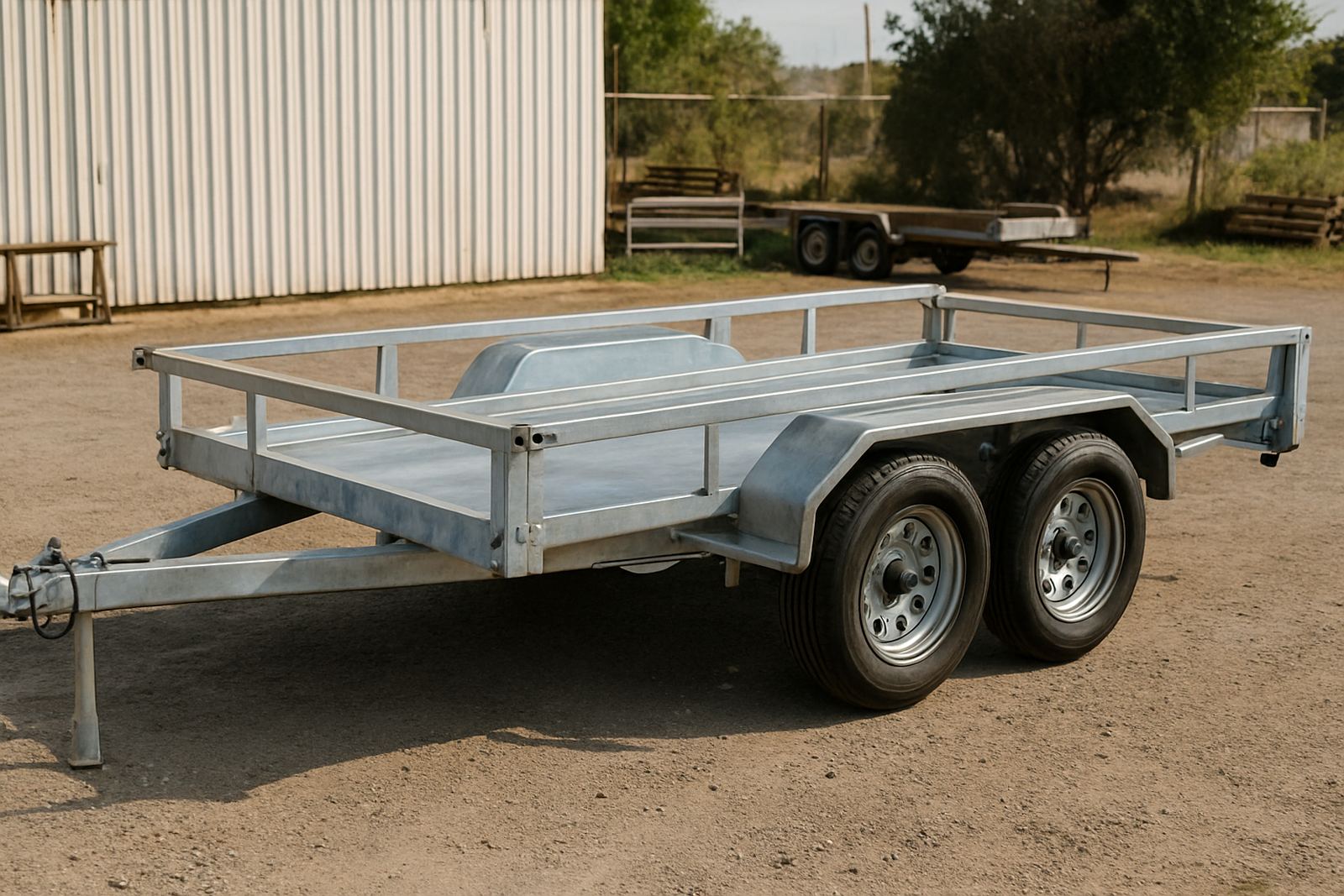
- Inspect the joins around tie-down points, corners and wheel arches.
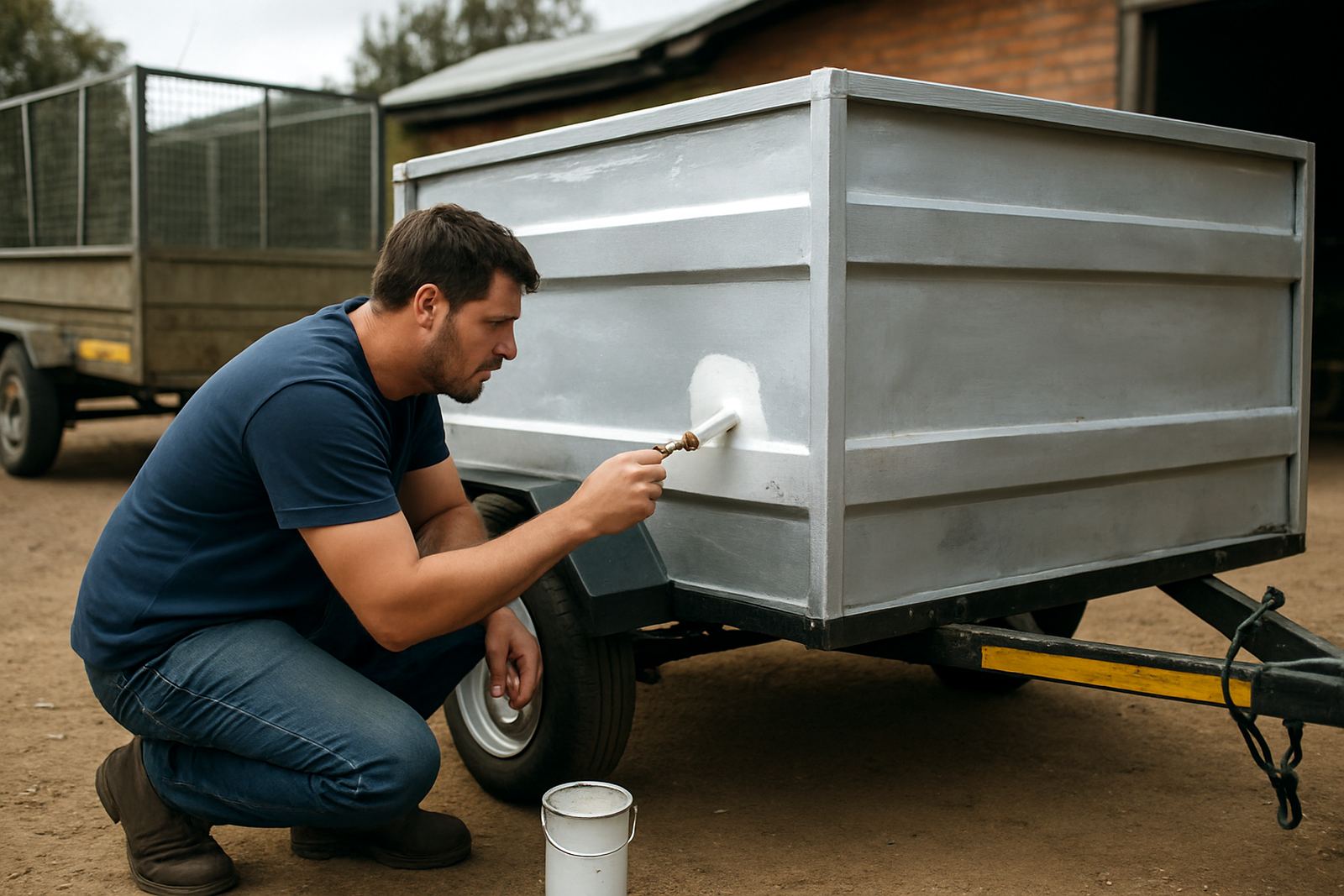
- Watch for fresh paint that may be hiding repairs or filled holes.
- Compare the floor level on both sides, as sagging can show hidden damage.
If the trailer has been stored outdoors near the coast, especially on routes through Durban or along humid areas, rust can appear from the underside long before the top surface looks bad. That is why a quick walkaround is not enough.
Signs of repair that are worth questioning
Some repairs are fine if they were done properly. Others are only meant to hide trouble long enough for a sale. Ask when the floor was last replaced or patched and who did the work. A seller should be able to explain what was changed and why.
Be cautious if you see uneven welds, rivets in odd places or boards that do not match the rest of the floor. A patch that sits high can catch loads and create new damage. A patch that sits low may mean the support under it was never sorted. Small cracks around bolt heads are another warning sign, because they often mean the floor has been flexing under heavy weight.
- Fresh sealant over old rust can hide the problem for a short time only.
- Mixed materials, such as timber over old steel plates, need a proper explanation.
- Loose screws, missing fasteners or lifting edges show poor finish.
- Any damp smell from timber floors usually means water has been trapped for some time.
How load type affects floor wear
Not every trailer floor wears out in the same way. A trailer used for bags of cement, paving blocks or scrap metal will take far more punishment than one used for lightweight household items. The same applies to garden trailers that often carry wet soil and green waste, because moisture sits in the floor after each trip.
Ask what the trailer was used for and where it was kept. A trailer that ran daily between Johannesburg and Pretoria may show a very different wear pattern from one used only on weekends in Bloemfontein. The point is not to judge by age alone, but to match the wear to the work. If the wear looks too heavy for the claimed use, something does not line up.
The floor, chassis and braking points must line up
A floor problem is rarely just a floor problem. If the structure underneath is bent, rusted or poorly repaired, the floor can move out of line as well. Look at how the floor sits on the frame and whether the trailer stands square on level ground. Uneven tyres, twisted corners or a door that no longer closes properly can all point to deeper issues.
For braked trailers, check the area around the running gear and drawbar too. When a trailer has been overloaded, the floor may crack first, but the strain often shows up in the chassis next. That is why a proper inspection should cover the whole base not just the top sheet.
If you are viewing in a dealer yard in Pretoria or collecting from a private seller in Centurion, take time to stand back and look at the trailer from both ends. A slight lean is easy to miss when you are close to it.
A local example from a busy viewing day
We recently checked a used trailer in Spartan, Kempton Park that looked tidy from the outside and had decent tyres. Once we lifted the front edge of the floor, the timber underneath felt soft near two bolt lines. The seller had kept it under cover for part of the year, but the rear had still picked up water from repeated loading of wet garden refuse. From above, it was easy to miss. Underneath, the problem was clear.
That trailer may still suit a buyer who wants a light-duty job after repair, but it would not be the right choice for someone planning regular work between Polokwane and Johannesburg. The cost of fixing the floor, checking the supports and replacing hardware can change the whole value of the deal. A good viewing should reveal that before money changes hands.
Practical checks before you make an offer
Before you decide, ask for enough time to inspect the trailer in daylight and on level ground. Bring a torch if you can, and do not be shy to crawl underneath or ask for the trailer to be jacked up safely. If the seller is unwilling to let you inspect the floor properly, that is a sign in itself.
- Test for soft spots with firm pressure in more than one place.
- Look underneath for rust, bends and old patch plates.
- Check whether the floor matches the trailer's age and claimed use.
- Ask about storage, past repairs and exposure to rain or salty air.
- Work out the likely repair cost before you agree on a price.
We tell buyers to check the floor carefully because it is easy to overlook and expensive to put right later. A careful viewing takes a few extra minutes, but it can save you a lot of Rand and a fair bit of hassle later on.