Start With the Job, Not the Vehicle
The best way to judge load space is to list the items you carry most often. A gardener moving lawn equipment every Monday needs a different setup from a contractor hauling cement, pipes and tools to sites in Kempton Park or Centurion. If you buy for the odd big job only, you may end up paying more for fuel and struggling to park or turn in busy streets.
Look at your regular load first. Count the number of bags, boxes, drums or loose items you shift in a normal week. Then check how often you carry people as well. If the vehicle must do both, the cab and load area need to work together, not compete for space.
- List your top 5 regular loads
- Write down the biggest single item by length, width and height
- Note how often you carry wet, dusty or awkward cargo
- Check whether loading happens by hand or with a ramp, forklift or two people
Measure in Metres and Kilograms, Not Guesswork
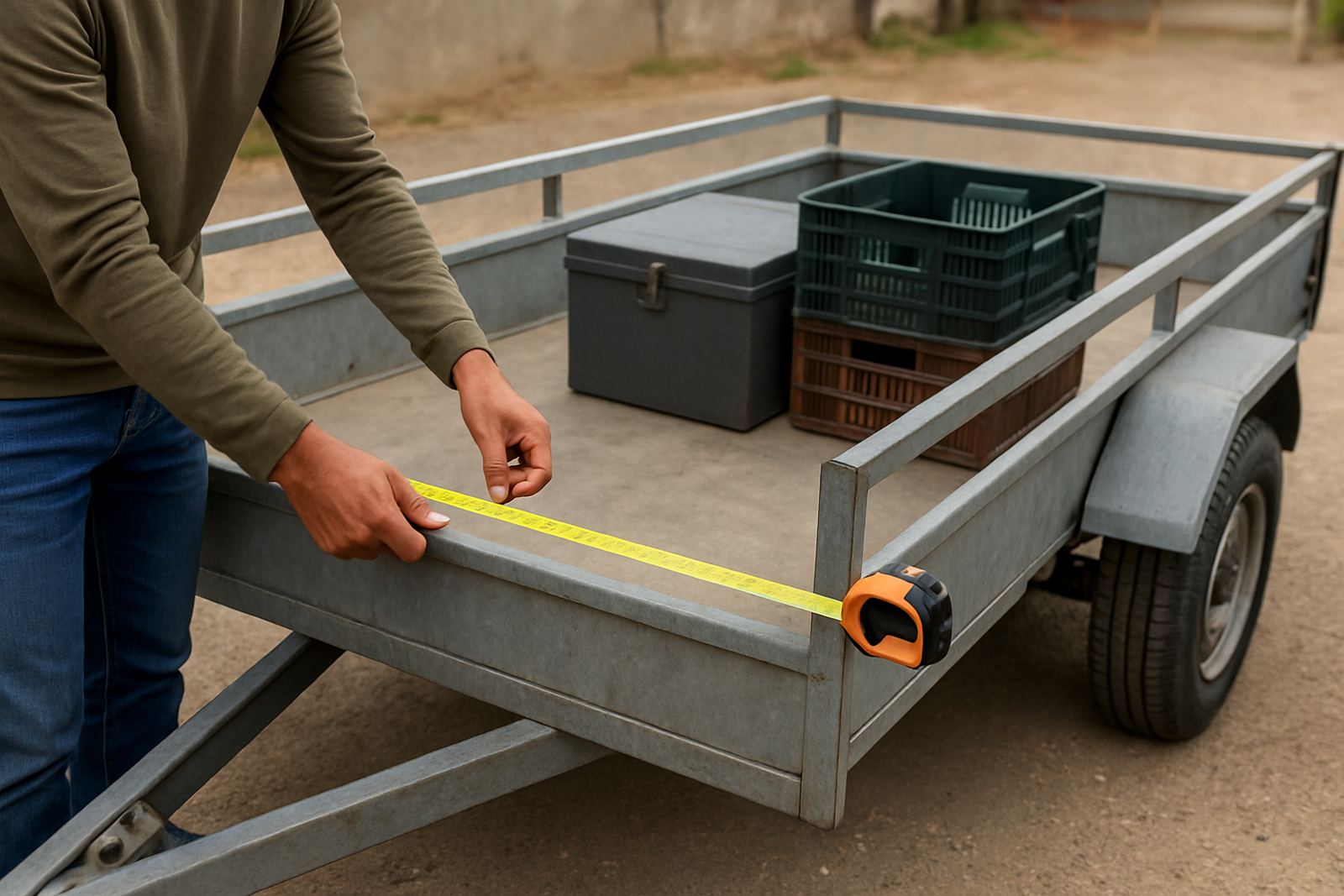
Many buyers estimate load space by eye, then find the wheel arches, tailgate height or side rails cut into usable area. Measure the items you carry in metres or millimetres, and weigh the heaviest routine load if you can. A trailer may look large enough, but once you include tie-down points and the shape of the body, usable space can be less than expected.
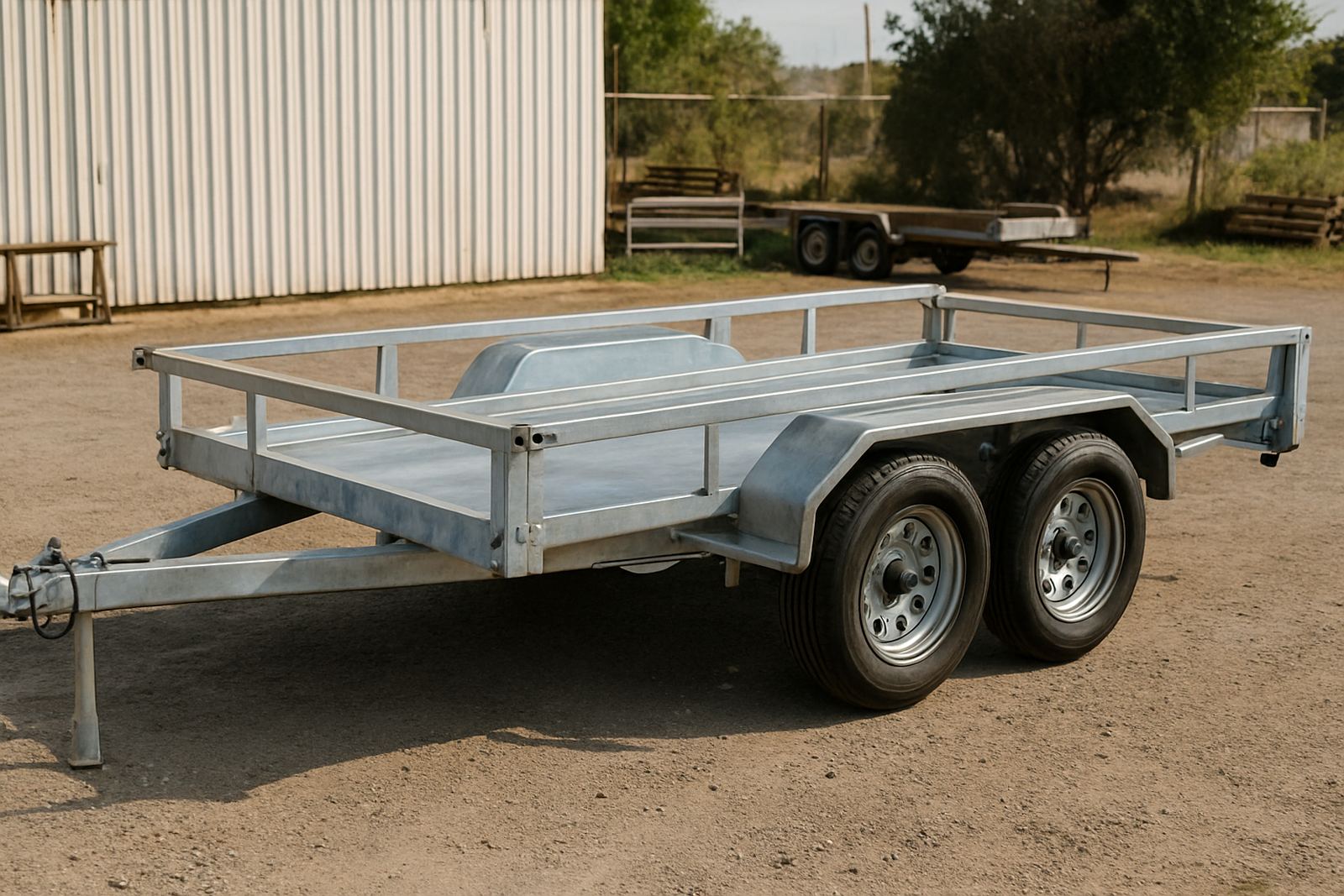
For bakkies, check the tray length, tray width between the wheel arches, and the height of any canopy or load bars. For trailers, check the internal floor size, side wall height and whether the load can be stacked safely without shifting. If you are transporting dense material such as bricks, aggregate or metal parts, payload matters as much as floor area.
- Measure long items flat, then again at an angle if needed
- Allow space for straps, pads and protective blankets
- Do not fill a tray so high that rear visibility becomes poor
- Keep within legal and manufacturer load limits, especially for highway use
Think About Loading Access and Daily Handling
A vehicle can have enough space on paper and still be a poor fit if loading is awkward. If the tailgate sits too high, workers spend more time lifting and bending. If the sides are too tall, you lose easy access to smaller items at the bottom. In busy depot work, that extra minute on each load adds up fast.
Consider how often you work in tight yards, apartment complexes or municipal sites where space is limited. In those places, a shorter trailer or a bakkie with easier side access can be more practical than a longer unit. In Durban, coastal humidity can also affect metal fittings and fasteners, so check that the body and lashing points are in decent condition, not just the floor space.
- Check tailgate height for repeated hand loading
- Look at whether side access will save time on site
- Make sure doors, ramps or gates open fully in tight spaces
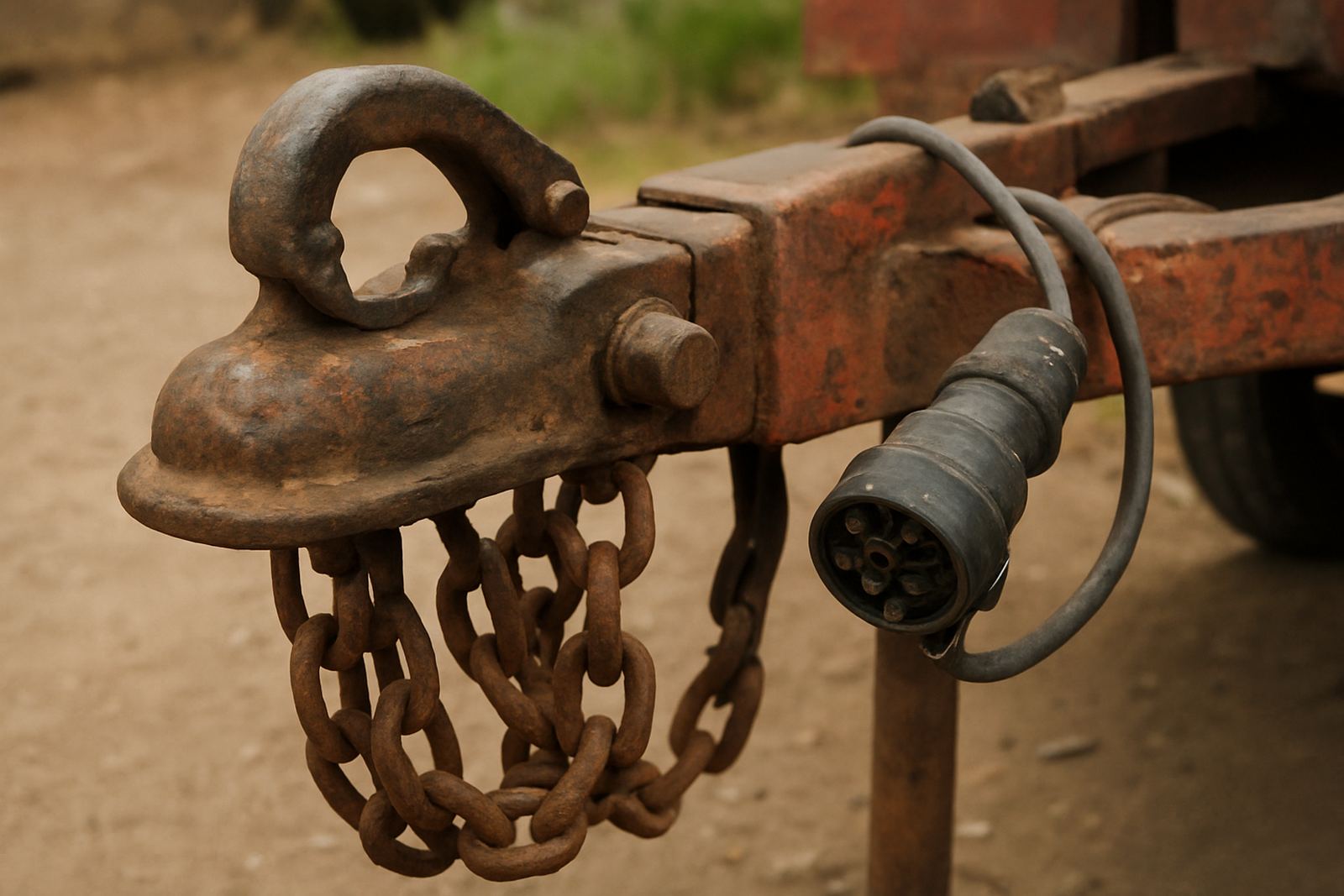
- Inspect hinges, latches and tie-down points for wear
Match Load Area to the Type of Work You Do
Different industries need different shapes of space. A florist moving buckets and crates has very different needs from a builder carrying bags of sand. A small business owner doing local deliveries in Johannesburg may want compact load space with easy parking, while a contractor serving Polokwane and surrounding areas may need more room for long tools and site materials.
For mixed use, a flexible setup often works best. Some buyers need a bakkie for daily jobs and a trailer for seasonal peaks. Others need a vehicle with enough tray space to carry tools, spares and stock without needing a second trip. The right choice is usually the one that matches 80 percent of your work, not the one that only suits the biggest once-off load.
- Local deliveries: focus on easy access and turning space
- Construction work: prioritise payload and tie-down strength
- Service work: allow room for tools, parts and secure storage
- Market or event work: think about stacking height and weather protection
Do the Maths Before You Pay
It helps to run a simple cost check before you commit. If a smaller unit means three trips instead of two, your fuel and labour costs climb quickly. On the other hand, buying too much vehicle for light work can leave you with higher running costs every month. Good planning means comparing what you haul, how far you travel and how often you need the load space.
Also think about load area versus payload. A large trailer can still be a poor choice if your tow vehicle is not suited to the weight. The same applies to bakkies with large trays but limited carrying capacity. Ask for condition details, and make sure the suspension, brakes and tyres are up to the job before the vehicle goes into daily use.
- Compare fuel use against the number of trips saved
- Check the tare and gross mass ratings
- Allow budget for tyres, service items and registration costs
- Factor in power-cut-related delays if your business depends on set delivery times
A Kempton Park Example: Choosing for Real Work
A small hardware reseller in Spartan may start with local runs to suppliers in the East Rand, then branch out to Pretoria and Johannesburg customers. Their loads often include mixed stock: paint, fittings, bags of adhesive and longer pieces of timber. In that case, a vehicle with enough tray length for standard stock and enough height for protected stacking is often a better fit than a tiny unit that looks cheaper upfront.
If the business also handles occasional bulk orders for sites in Bloemfontein or Durban, delivery planning becomes just as important as load space. One well-chosen unit can handle the day-to-day work, while a trailer can cover larger jobs without forcing the business to overspend on a vehicle that sits underused most of the month.
What to Check Before You Finalise a Purchase
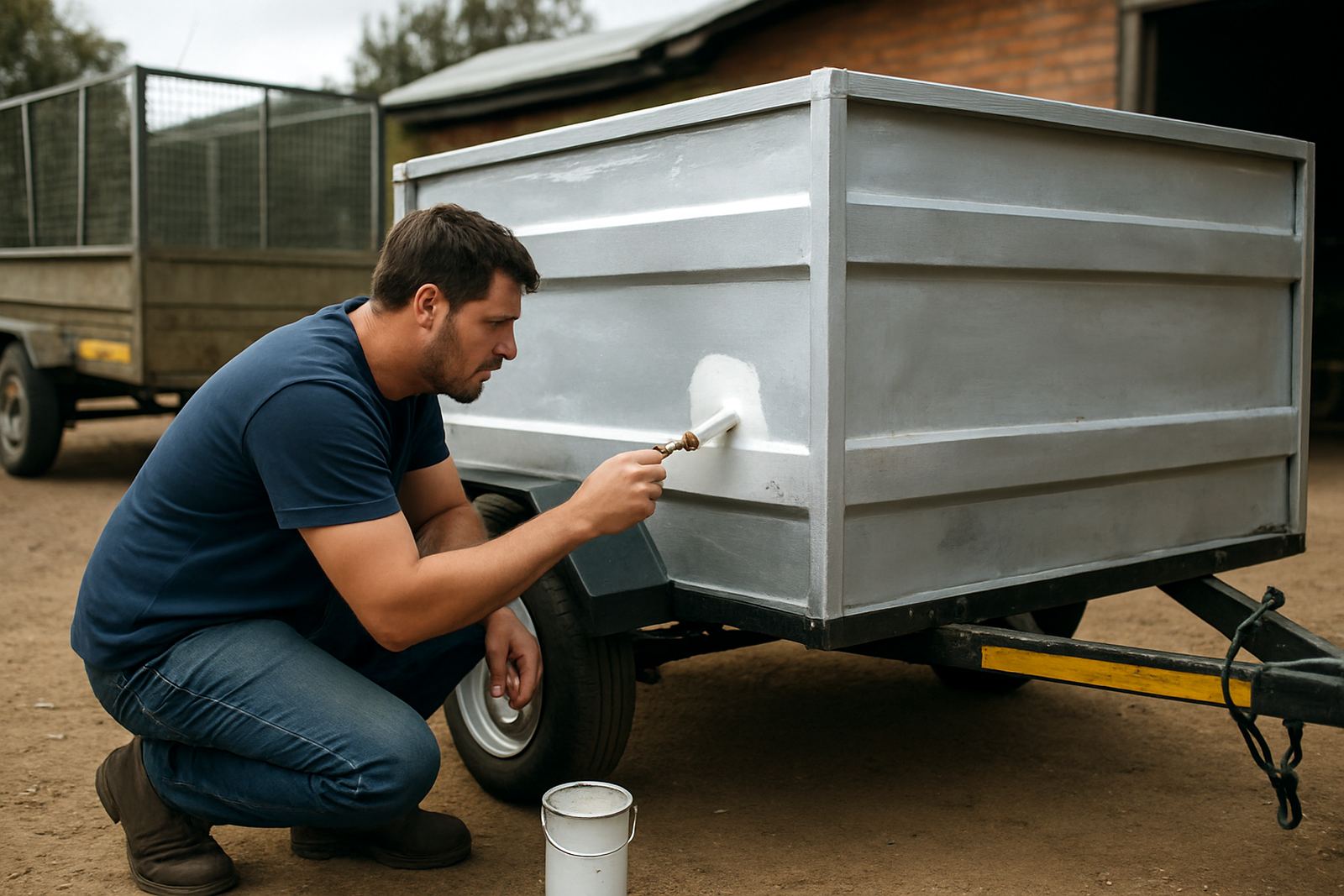
Before making a decision, inspect the actual load area and not just the outside condition. Scratches are normal on used work vehicles, but floor damage, cracked welds, bent rails or poor repairs can point to rough use. A clean-looking tray is not always the strongest one, so take a proper look underneath and around the load points.
For buyers comparing used bakkies and trailers, practical checks matter more than polished presentation. A pre-sale inspection and condition report can help you judge whether the space is still suitable for your regular work. That saves time, and it helps you avoid buying something that looks right but cannot handle your daily load pattern.
- Inspect the floor, sides and corners for damage
- Test doors, latches and tailgates
- Look for signs of past overloading
- Confirm the load area fits your longest regular item