What to confirm before you leave for collection
Before collection day, make sure the final details are clear: the agreed unit, the collection address, the time window and who will be handing over the keys and papers. If the bakkie or trailer is being collected from a private seller, it helps to confirm access to the property, gate codes and any security instructions in advance. In places like Kempton Park, Johannesburg and Pretoria, traffic can change quickly, so build in extra travel time and do not leave it to the last minute.
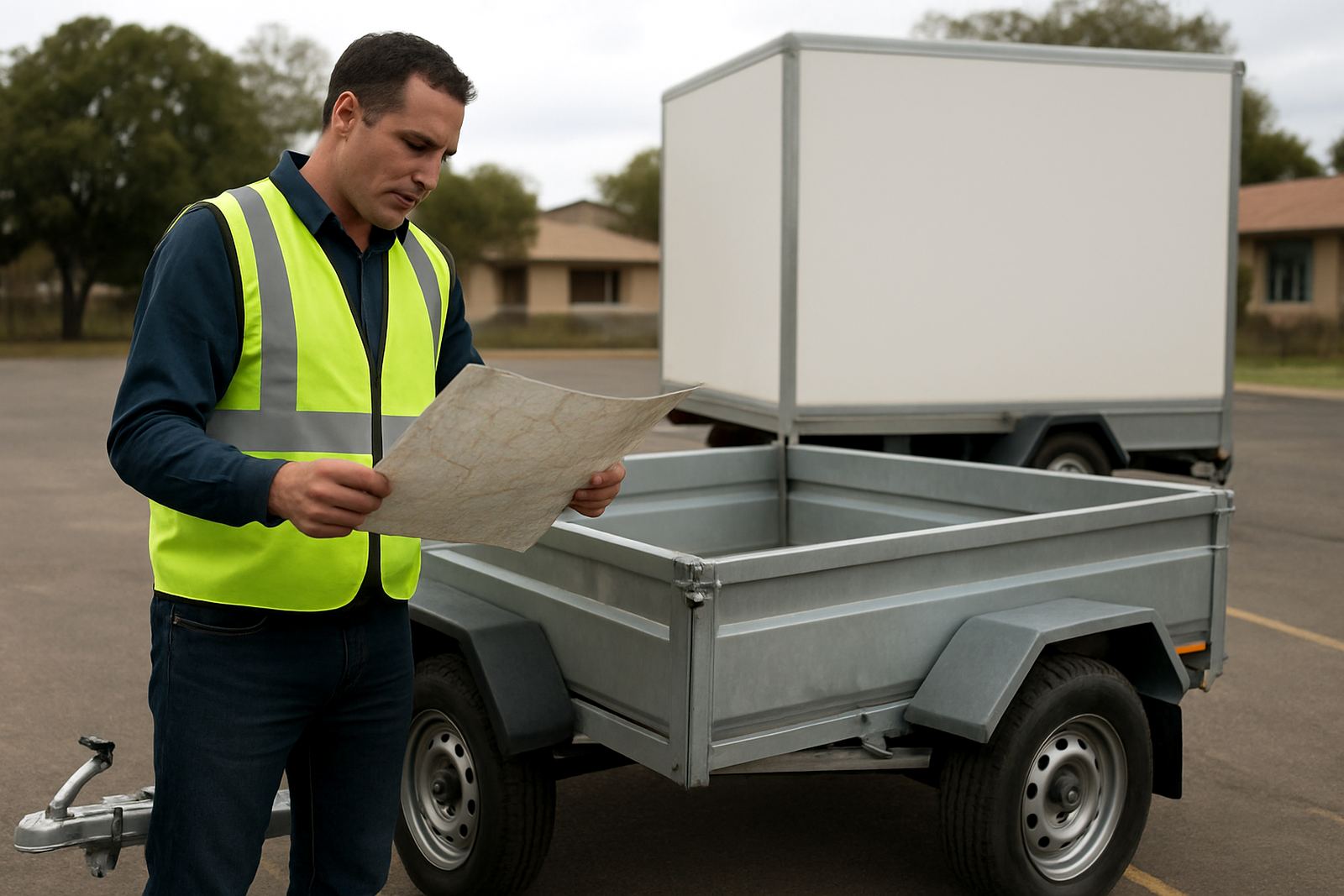
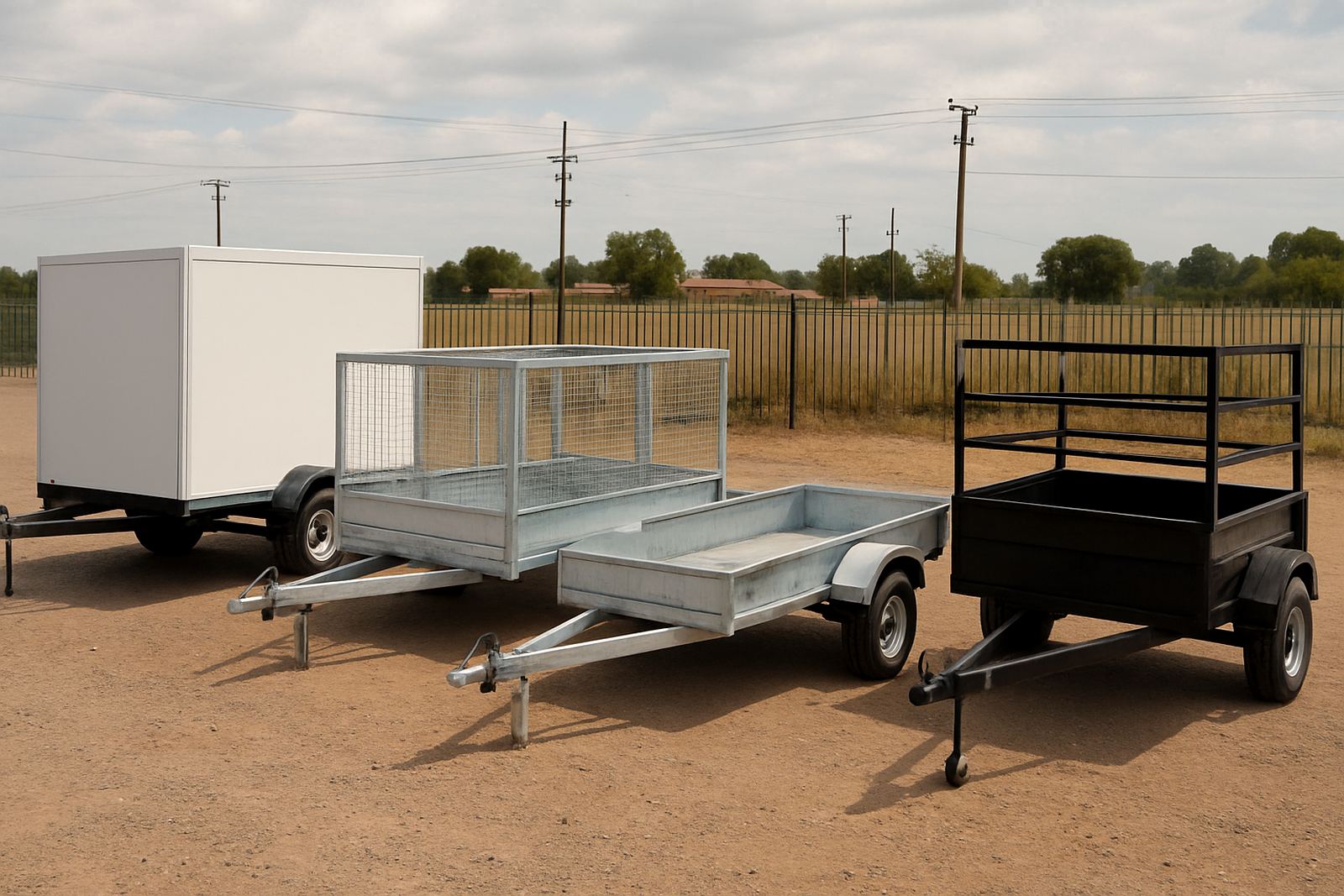
Check that the vehicle is ready for release. It should be parked where it can be inspected properly, with enough space to load and move around it. If it is a trailer, the tyres should be visible and the coupling area clear. If it is a bakkie, the load bin should be empty unless both sides agreed otherwise. Small details matter here, because sorting them later can cost time and cause friction.
Arriving on site and managing the handover
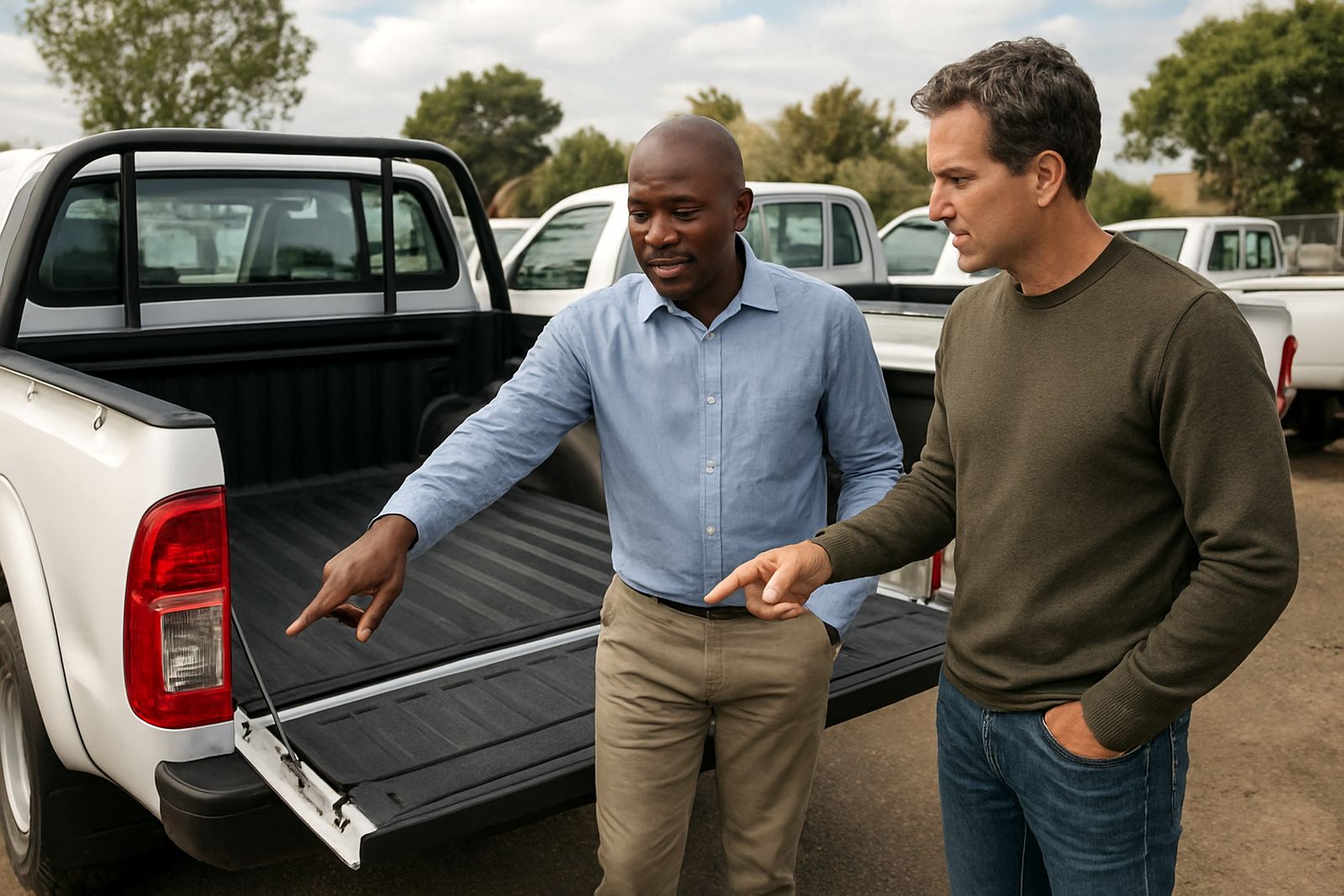
When you arrive, keep the handover focused. Start with a quick introduction, then move straight into the agreed checks. The person releasing the vehicle should have the keys, documents and any spare items ready. If the collection is at a business yard or a home in an area with controlled access, follow the site rules and be respectful of neighbours and staff. A smooth handover usually takes less than an hour if everyone is prepared.
Our team often helps buyers and sellers across East Rand, Centurion, Polokwane and Durban line up the final handover so that nobody is waiting around. If there is a problem, say so immediately. A loose number plate, missing spare wheel or damaged light fitting is easier to note at the start than after you have already driven off.
- Bring your ID and proof of payment, if required for the release.
- Carry a torch for shaded areas, early morning handovers or power cut interruptions.
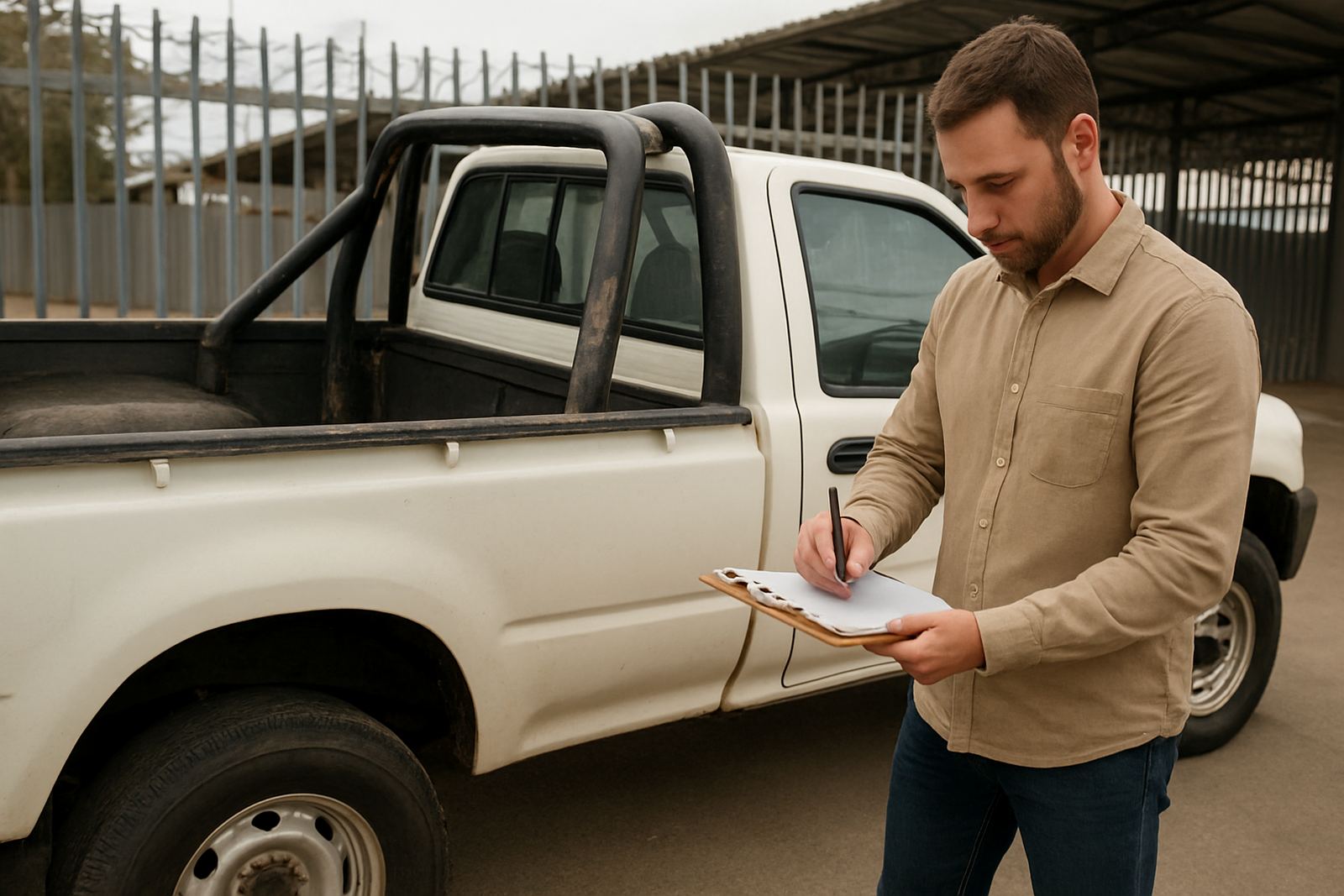
- Have a pen and paper ready for noting mileage, tyre condition and visible marks.
- Keep the keys, papers and accessories together in one bag or folder.
Final checks on the bakkie or trailer
The collection day check is not about taking the vehicle apart. It is about confirming that the item matches what was agreed and that there are no surprises. Walk around it slowly and look at the body, lights, glass, tyres, rims, tow points and suspension. If it is a trailer, check the floor, jockey wheel, coupling, safety chain and wiring. If it is a bakkie, check the cab, bin, mirrors, windows and dashboard warning lights. A few minutes here can save a long trip back later.
Write down the condition as you see it. If there are scratches, cracks, dents or signs of recent repair, make a note and take clear photographs. During the rainy season, moisture can hide some issues, so inspect carefully for rust near seams, hinge points and underbody areas. If the vehicle has been standing outside in coastal humidity, pay extra attention to electrical fittings and trailer plugs.
- Tyres: tread, sidewalls, cracks and matching pressure.
- Lights: indicators, brake lights, tail lights and number plate lights.
- Documentation: registration papers, service notes if available, and release forms.
- Accessories: spare key, wheel spanner, jack, spare wheel and trailer plugs.
Paperwork and release notes that should be on hand
Paperwork keeps the collection legal and tidy. Make sure the release note or sale confirmation reflects the correct vehicle description, registration details and the names of the buyer and seller. If a trailer is being collected for use across municipal areas, the registration status and plate details should be checked carefully. A mismatch can cause delays at roadblocks, weighbridges or when you later want to insure it.
Keep copies of everything in one place. That includes the agreement, proof of payment where relevant, and any written note about condition at handover. If the vehicle still has old accessories fitted or the seller has removed personal items, record that too. It is better to deal with these points on site than argue about them after collection. Our office in Spartan, Kempton Park handles this sort of coordination daily, and simple admin done properly saves a lot of back and forth.
Loading, towing and driving away safely
Once the checks are complete and the handover is final, move with care. If the vehicle is being driven away, confirm that the fuel level is enough for the first leg of the trip and that the tyres are safe for the road. If the unit is being towed or loaded onto a transporter, make sure the securing points are tight and that the trailer sits level. In windy conditions or on uneven ground, take your time and do not rush the job.
For longer routes to Bloemfontein, Durban or Polokwane, plan for rest stops, daylight travel where possible and a backup route if traffic or roadworks interfere. During power cuts, some yards lose lighting and gate access becomes slower, so it is wise to collect earlier in the day. If rain is expected, protect documents in a plastic sleeve and keep loose items dry. A careful start makes the rest of the trip far easier.
If something does not match on the day
Sometimes a handover uncovers a difference between what was expected and what is actually on site. It could be a missing spare wheel, a tyre that is more worn than described, a broken light or a paper that is not available yet. Stop and deal with it before anything moves. Do not sign off lightly if the issue affects use, safety or the agreed price.
When this happens, stay factual. Note the issue, take photographs and ask for the next step in writing. In most cases, a clear record is enough to sort the matter quickly. If the problem is minor, the parties can often agree on a practical fix. If it is bigger, the collection may need to wait until the matter is resolved. That is normal and it is better than making a rushed decision you may regret later.
Buy Those supports buyers and sellers through this process with practical communication, collection coordination and final checks that keep the day organised. From Johannesburg and Pretoria to Centurion, East Rand and Durban, the aim is the same: hand over the right vehicle, in the right condition, with no loose ends.