Start with the basics before you compare price
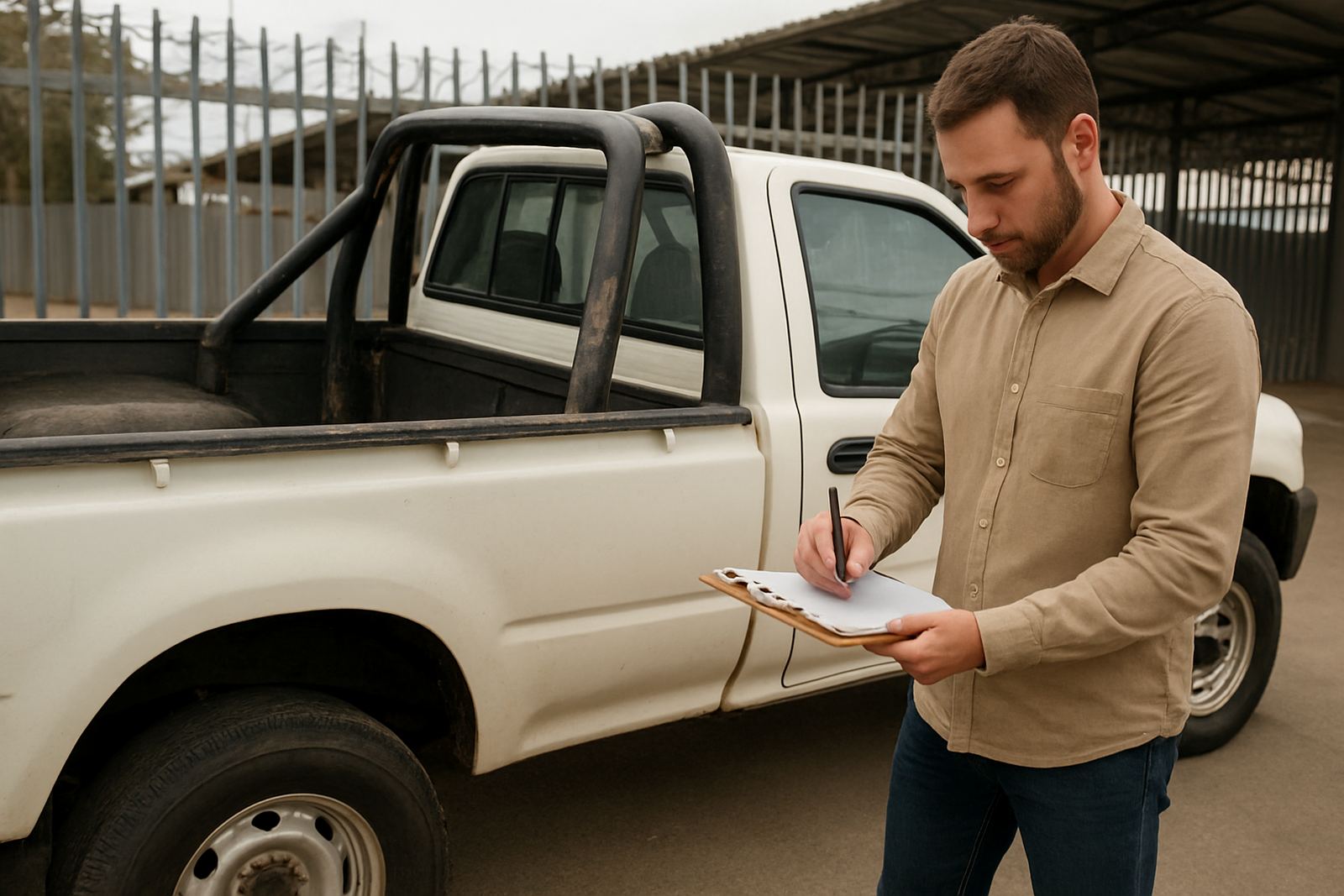
Before you look at paintwork or tyres, confirm the basics on the inspection. Check the make, model, year, fuel type, mileage, gearbox type and whether the vehicle is a bakkie or trailer set up for private use or business work. A used unit with higher kilometres may still be the better buy if it has been serviced well and the body, frame and running gear are in good order.
For buyers in Johannesburg, Pretoria, Centurion or the East Rand, a workhorse that has spent its life on short urban trips can show different wear to one that has done long-distance runs to Bloemfontein or Durban. Use the notes to match the vehicle to your actual job, towing needs and road conditions not just the asking price.
- Check the year, mileage and service history notes
- Confirm whether the vehicle is licensed and ready for transfer
- Match the size and load rating to your daily use
- Look for any missing documents or gaps in the record
Read the exterior signs with a practical eye
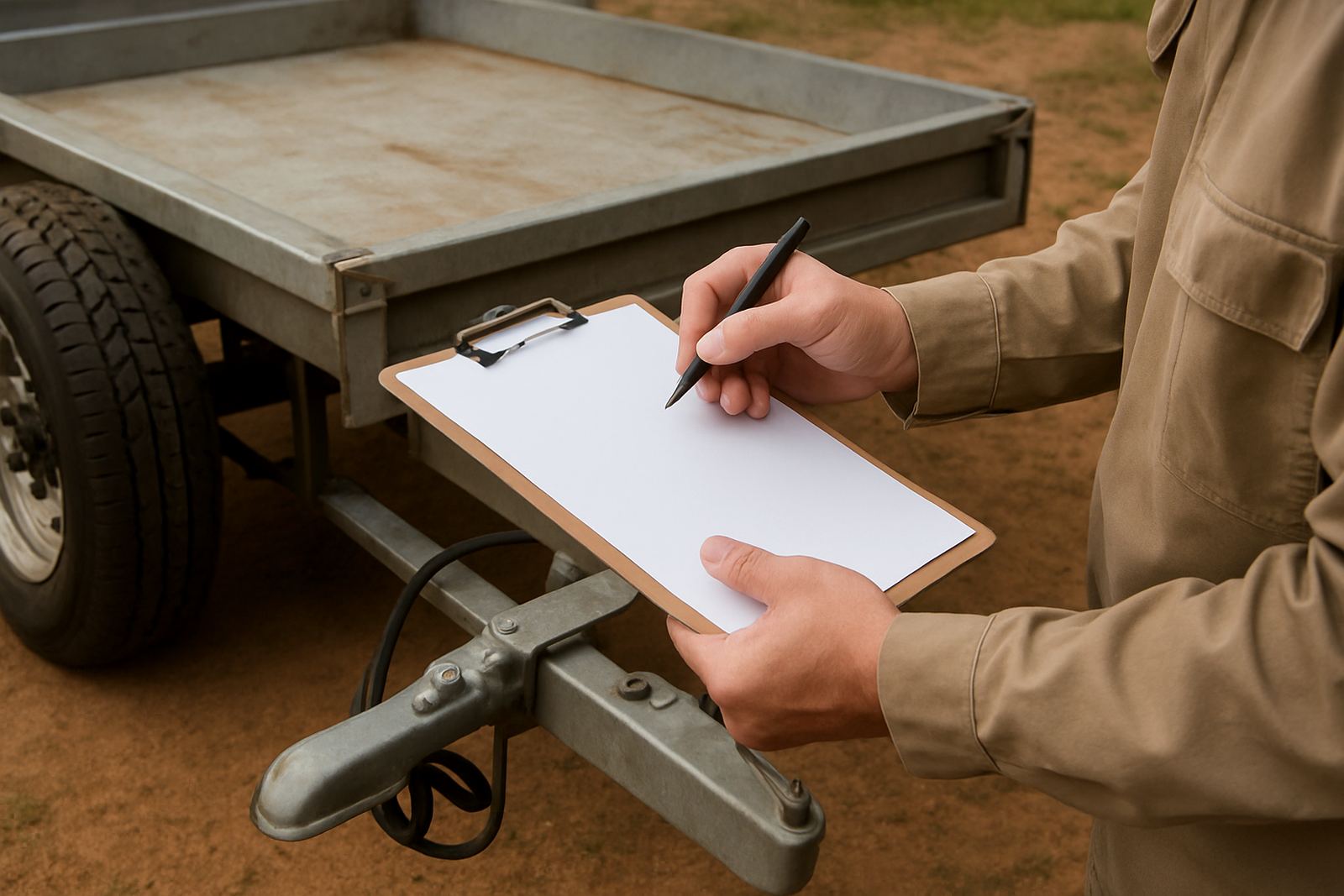
The outside of the vehicle often shows how it has been used. Look closely at panel gaps, bonnet alignment, door fitment, stone chips, rust spots, cracked lights and repairs to bumpers or corners. On trailers, check the chassis, drawbar, floor, hinges and mudguards for bends, cracks or fresh welding. Coastal humidity around Durban can bring surface rust faster, while inland sun can fade paint and plastics.
A small scratch is normal on used stock, but uneven paint or ripples in a panel can point to previous repair work. If the inspection notes mention corrosion, check whether it is light surface rust or deeper rust that will need cutting and welding. For commercial buyers, this matters because downtime costs money and a quick fix can turn into a bigger bill.
- Look for rust around wheel arches, sills and under the tray
- Check for signs of accident repair or repainting
- Inspect lights, mirrors, glass and badges for damage
- On trailers, check coupling, safety chains and wheel condition
Use the mechanical section to judge real running condition
The mechanical part of the inspection should tell you if the unit is ready for work or if it needs attention soon. Look for engine leaks, gearbox noise, clutch wear, steering play, braking feel and suspension condition. On a trailer, the bearings, axle, springs and braking system need special attention because poor parts can fail under load.
Ask how the vehicle started from cold, whether any warning lights were on, and whether there was smoke on acceleration or idle. If the inspection was done in Kempton Park or nearby Spartan, it should note if the vehicle was checked on level ground and whether it was tested under normal operating conditions. That detail helps when you compare two similar units that are priced close together.
- Check oil, coolant and brake fluid condition where listed
- Look for clutch slip, hard gear changes or vibration
- Confirm tyre tread and even wear across all wheels
- Review brake response and suspension notes carefully
Separate cosmetic marks from money problems
Not every mark on a used bakkie or trailer affects the value in the same way. Scratches, faded trim and minor dents are cosmetic, but worn tyres, leaking seals, broken suspension parts and structural damage affect safety and operating cost. A good inspection should say which issues are urgent and which can wait.
If you are comparing stock in Polokwane and Bloemfontein, remember that a cheaper asking price can be offset by tyre replacement, roadworthy repairs or a service due immediately. The inspection helps you add those costs up before you make an offer, instead of guessing after you have paid the deposit.
- Urgent items: brakes, tyres, steering, leaks, rust and electrical faults
- Medium items: service due, worn trim, damaged lights, battery age
- Low priority items: chips, small dents, faded plastics, minor seat wear
Use the report to compare several listings properly
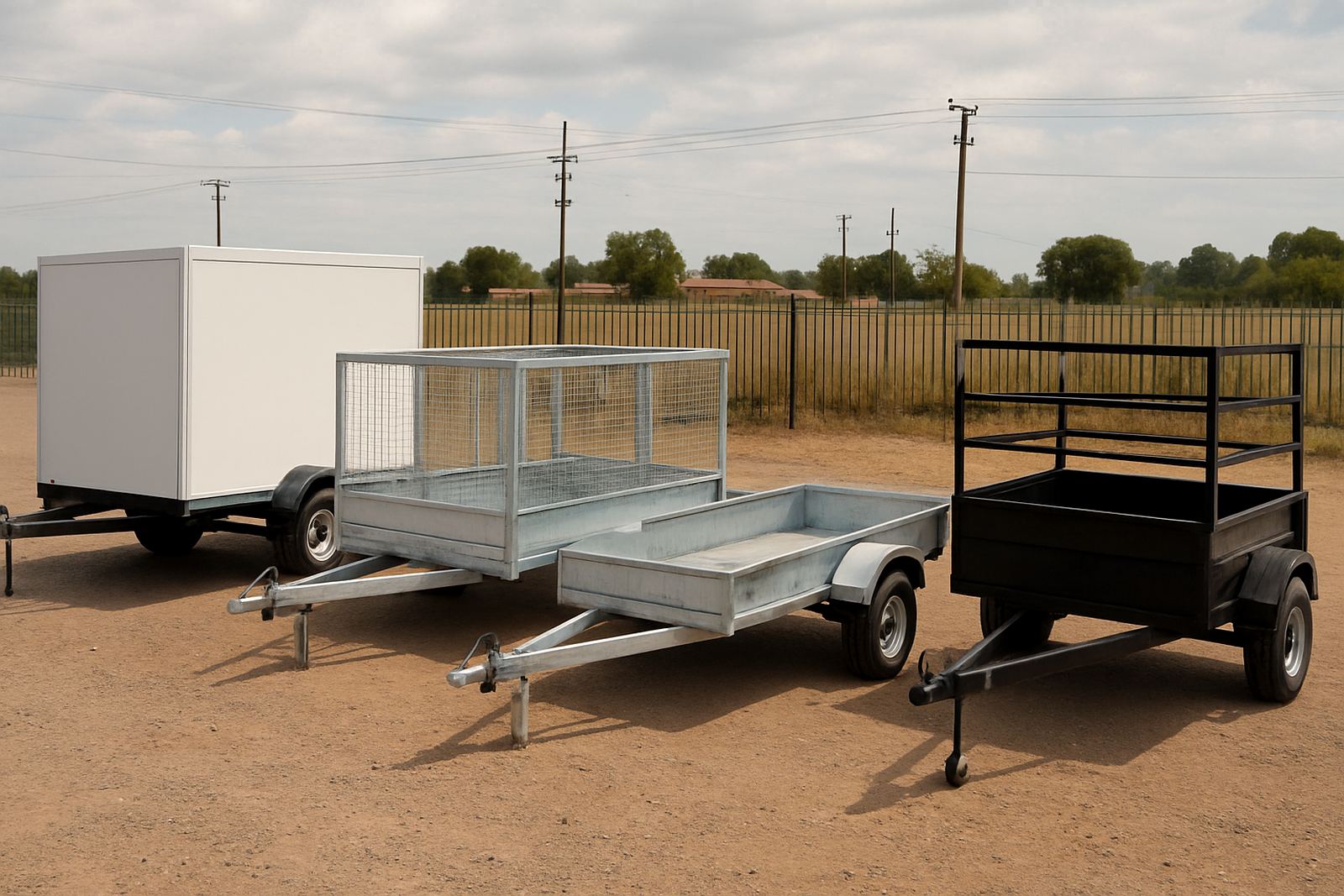
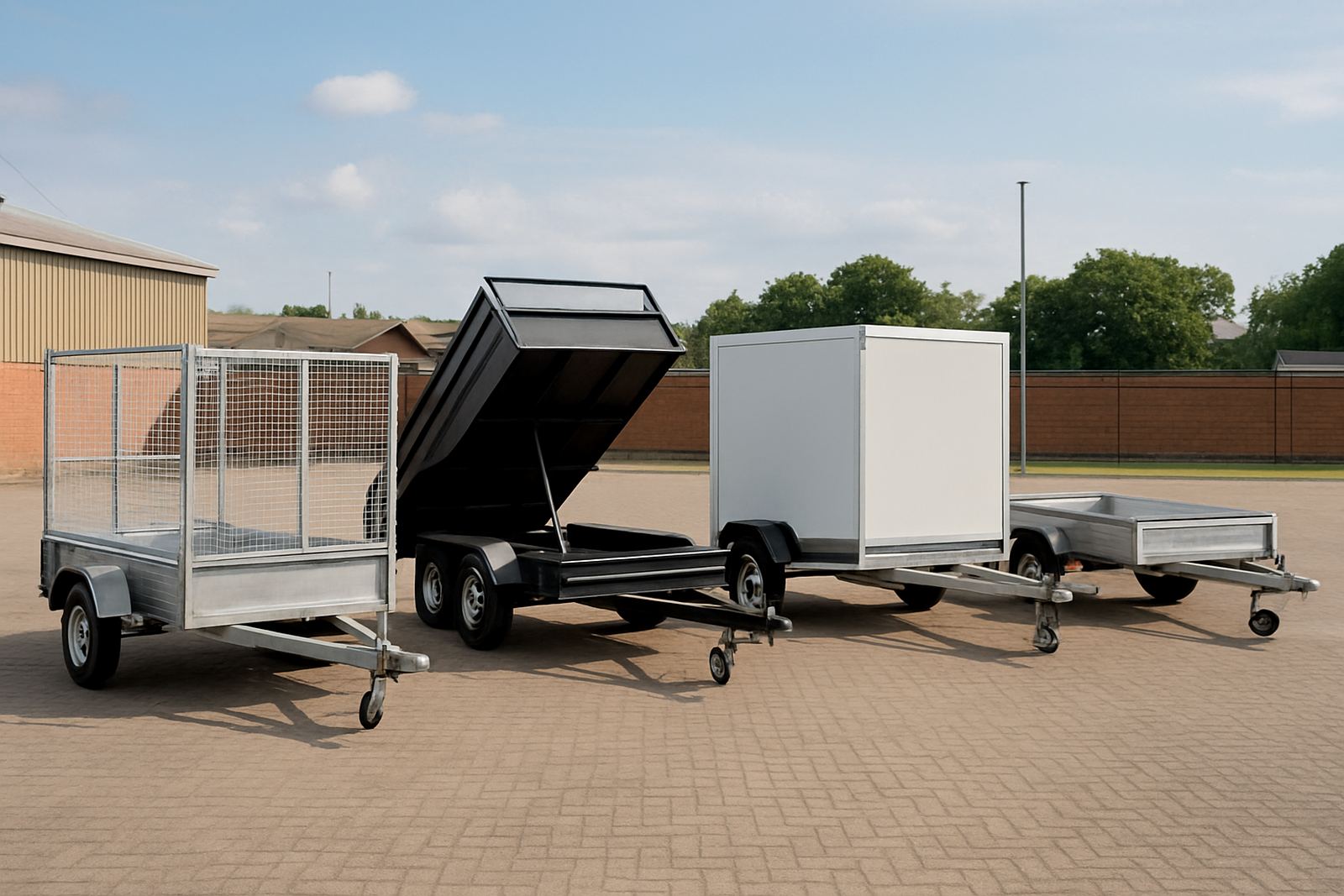
When you are looking at more than one unit, compare the inspection notes line by line. Do not rely on photos alone, because a vehicle can look tidy and still need a clutch, wheel bearings or wiring repairs. A clear report lets you compare condition, not just price.
Set each listing against the same questions. How many repairs are needed? Which one has the better service record? Which one is ready to collect sooner? If one trailer has new tyres and another has older tyres but lower mileage on the towing vehicle, the inspection helps you weigh the real cost, not just the sticker price.
- Compare mileage, condition and maintenance notes side by side
- Add likely repair costs to the asking price
- Check which unit is closest to your delivery area
- Use the report to decide whether to negotiate or walk away
Use inspection notes when arranging viewing, collection and delivery
The inspection is also useful after you have chosen a vehicle. It gives clear points to confirm at viewing, collection and delivery. If the report lists a broken tail light, a worn tyre or a missing spare, you can check that the issue is still disclosed before the handover. That avoids confusion later and keeps the deal moving.
For sellers, clear inspection notes help buyers trust the listing and reduce time wasted on unsuitable enquiries. For buyers, it means fewer surprises when a vehicle is collected from Johannesburg, Pretoria, Durban or the surrounding areas. If the report mentions load limits, towing setup or trailer dimensions, make sure your intended use matches those details before you finalise the purchase.
- Confirm listed faults before payment or collection
- Check licence, keys and any spare items mentioned
- Make sure the delivery route and timing suit the buyer
- Keep the report with your purchase records
Quick checklist before you decide
Use this last check to keep your decision practical. Read the report once more and mark anything that affects safety, cost or turnaround time. If the inspection gives you enough detail, you should be able to compare used stock with confidence and choose the unit that fits your budget and work pattern.
- Is the vehicle mechanically sound for daily use?
- Are the tyres, brakes and lights acceptable now?
- Do the notes show any accident or rust concerns?
- Is the asking price fair after likely repairs are added?
- Can the vehicle be viewed, collected or delivered without delay?
If two listings look similar, the better inspection is usually the better buy. A clean report on a well used unit is often more valuable than a lower price on one with hidden repairs. Take your time, read the notes properly and compare like for like.