Start With the Job You Need the Bakkie to Do
The first step is to match the bakkie to the work, not the other way around. A contractor moving tools between sites has different needs to a family that wants extra seats or a farmer who tows a trailer every week. If you buy for the wrong use, you can end up with a cab that is too small or a load bay that is too short.
Think about where the vehicle will spend most of its time. In Johannesburg and Pretoria, many buyers want something easy to park and practical in traffic. In Polokwane, Bloemfontein or on farms outside Durban, towing capacity, ground clearance and suspension condition often matter more. A used bakkie should fit your workday and your roads, not just look right on paper.
- Daily crew transport or mostly solo driving?
- Do you carry tools, stock, garden waste or building materials?
- Will you tow a trailer, and how often?
- Do you need 4x2 for town use or 4x4 for gravel and rough sites?
- Will you carry passengers in the back seat every day?
Single Cab, Club Cab or Double Cab
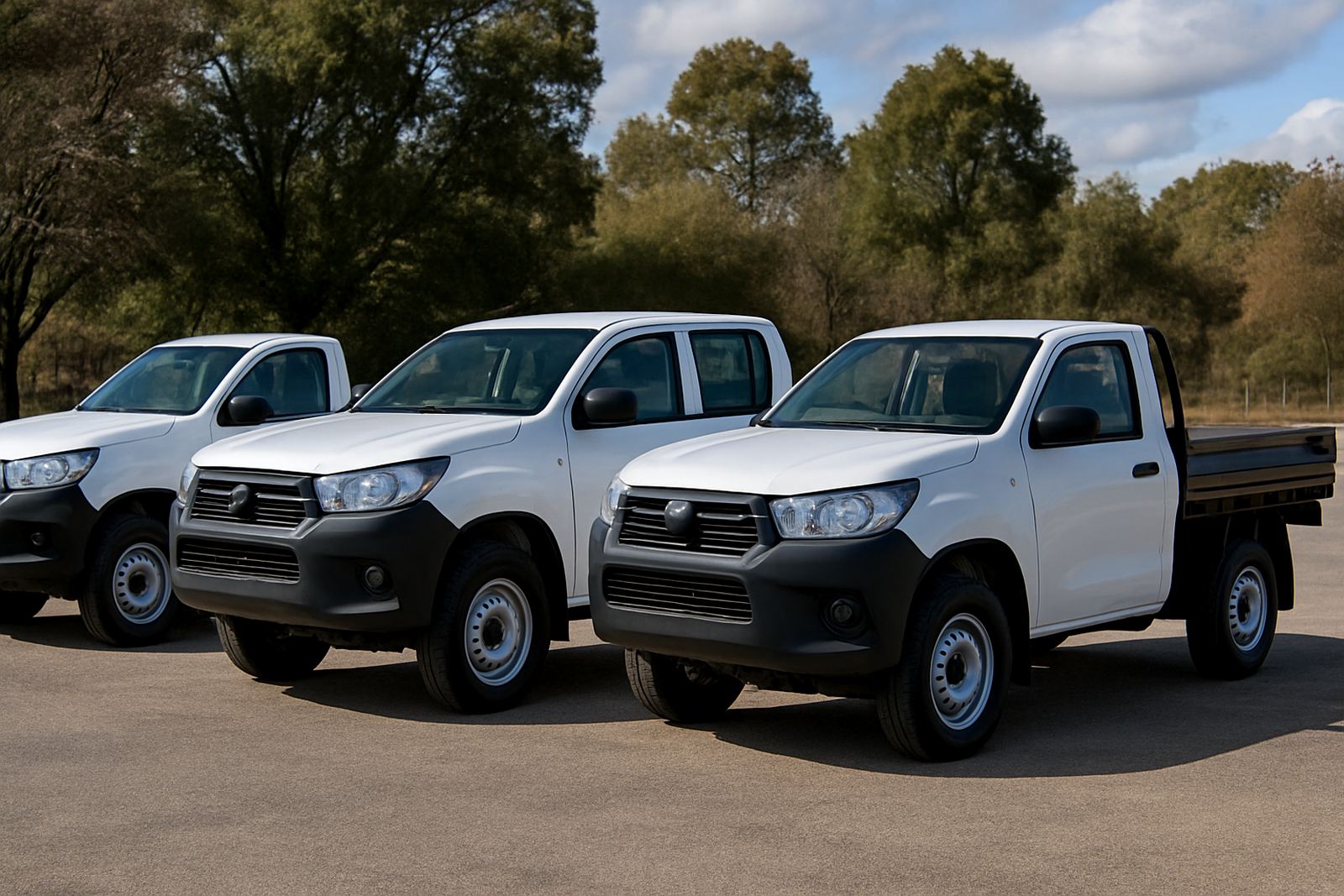
These are the three main used bakkie layouts you will see. A single cab gives you the longest load bay and is often the best value if the bakkie is mainly for goods. A club cab gives you extra space behind the seats for bags or occasional passengers, while still keeping a useful load area. A double cab gives you four doors and proper rear seating, which is why it is popular with families and mixed-use buyers.
The trade-off is simple. More cabin space usually means less cargo space. If you buy a double cab for a construction or delivery business, you may find the rear box too short for ladders, timber or long pipes. If you buy a single cab for family use, the lack of rear seats can become a daily problem, especially on school runs or trips to the coast with extra luggage.
- Single cab: best for maximum load length and lower purchase price
- Club cab: good middle ground for work and light passenger use
- Double cab: best for comfort, passengers and mixed family use
Load Space, Payload and Towing Should Be Checked Together
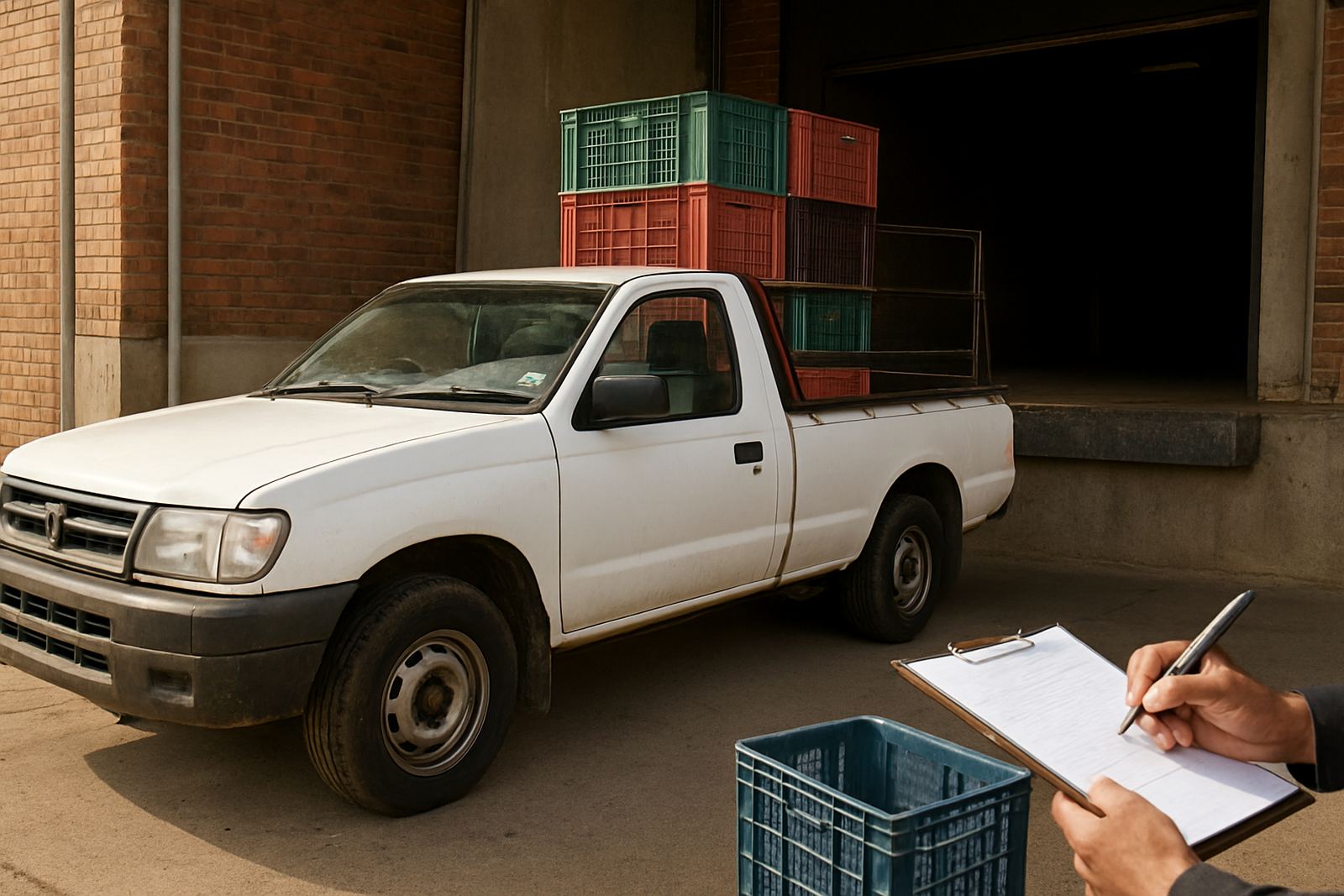
Many buyers focus only on the size of the load bay, but the payload and towing rating matter just as much. A bakkie can have a long tray and still be overloaded if you load too much weight. That affects braking, tyre wear and suspension, and it can become an issue at inspection points or after an accident.
If you plan to tow a trailer, check the towbar condition, wiring and service history. In wet coastal areas like Durban, electrical corrosion can cause trailer light faults faster than people expect. In Gauteng, stop-start traffic and heat can expose weak cooling systems and worn clutches, so dont ignore these signs on a used unit.
- Measure the load area length and width with your own tape measure
- Ask for payload figures and compare them to your real work loads
- Check that the towbar, ball mount and wiring are intact
- Look for rear suspension sag, cracked leaf springs or uneven tyre wear
- Make sure the vehicle can handle your trailer weight legally and safely
2x4 or 4x4: Choose Based on Roads, Not Image
For many buyers, 2x4 is enough. It usually costs less to buy and maintain, and it can be a smarter choice if most driving happens on paved roads, municipal routes and company yards. A 4x4 bakkie helps when you deal with gravel, muddy sites, farms, steep driveways or wet launching areas, but it also adds weight and more parts to inspect.
If you do not need low-range capability, a well-kept 2x4 may offer better value. On the other hand, if you are operating in outer areas around Centurion, the East Rand or beyond the city, a 4x4 can save time and reduce the risk of getting stuck. The key is to buy for actual conditions, not a badge on the tailgate.
- Choose 2x4 for urban delivery, general commuting and lighter duty use
- Choose 4x4 for farms, gravel roads, construction access and recovery work
- Check transfer case action, front hubs and underbody damage on 4x4 units
- Confirm tyre sizes match all four corners correctly
What to Inspect Before You Pay
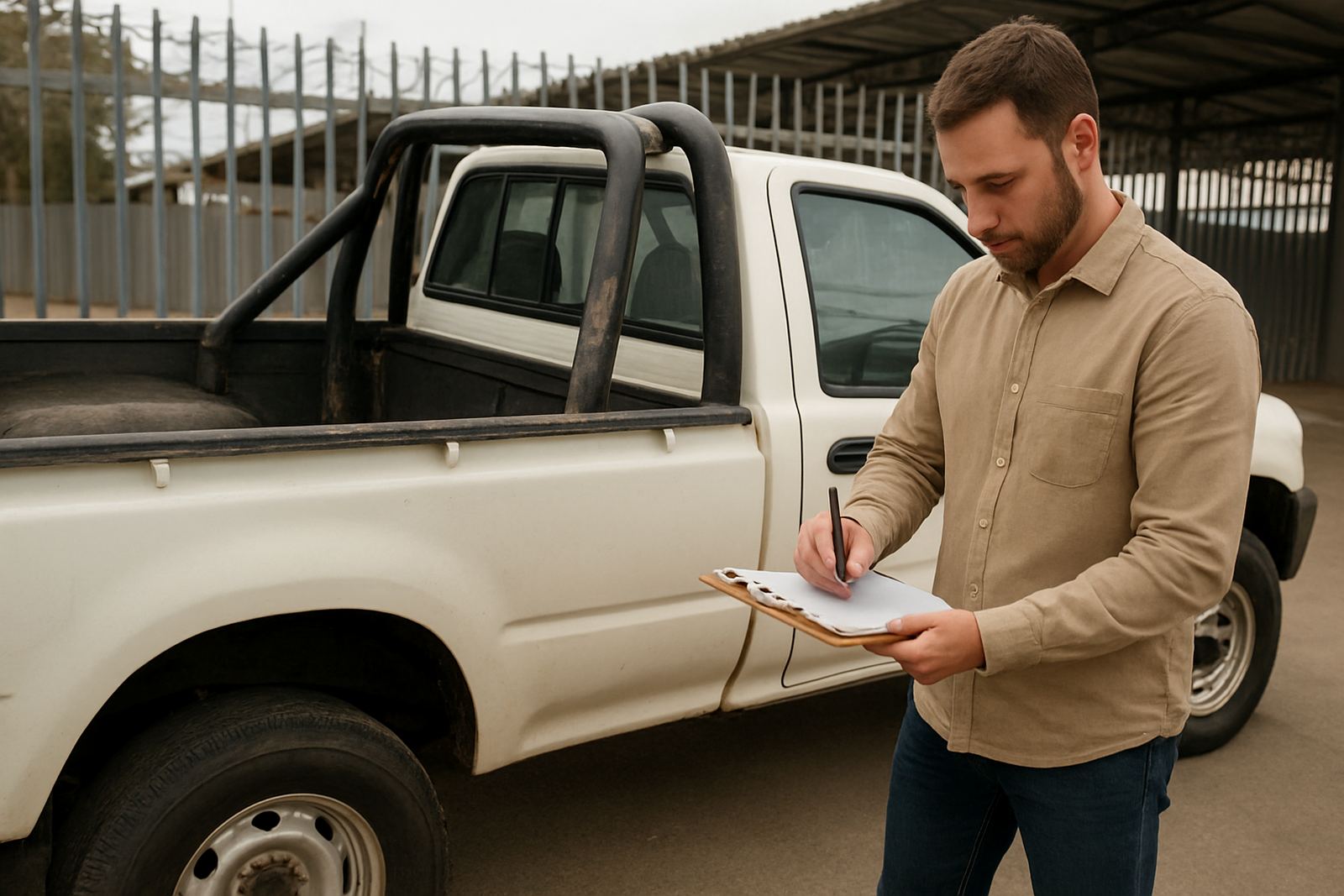
Every used bakkie should be checked carefully before money changes hands. A clean body can hide past repair work, and shiny paint does not tell you if the engine starts cold, the clutch feels right or the gearbox shifts properly. We always advise buyers to inspect the basics first, then take a closer look at the extras.
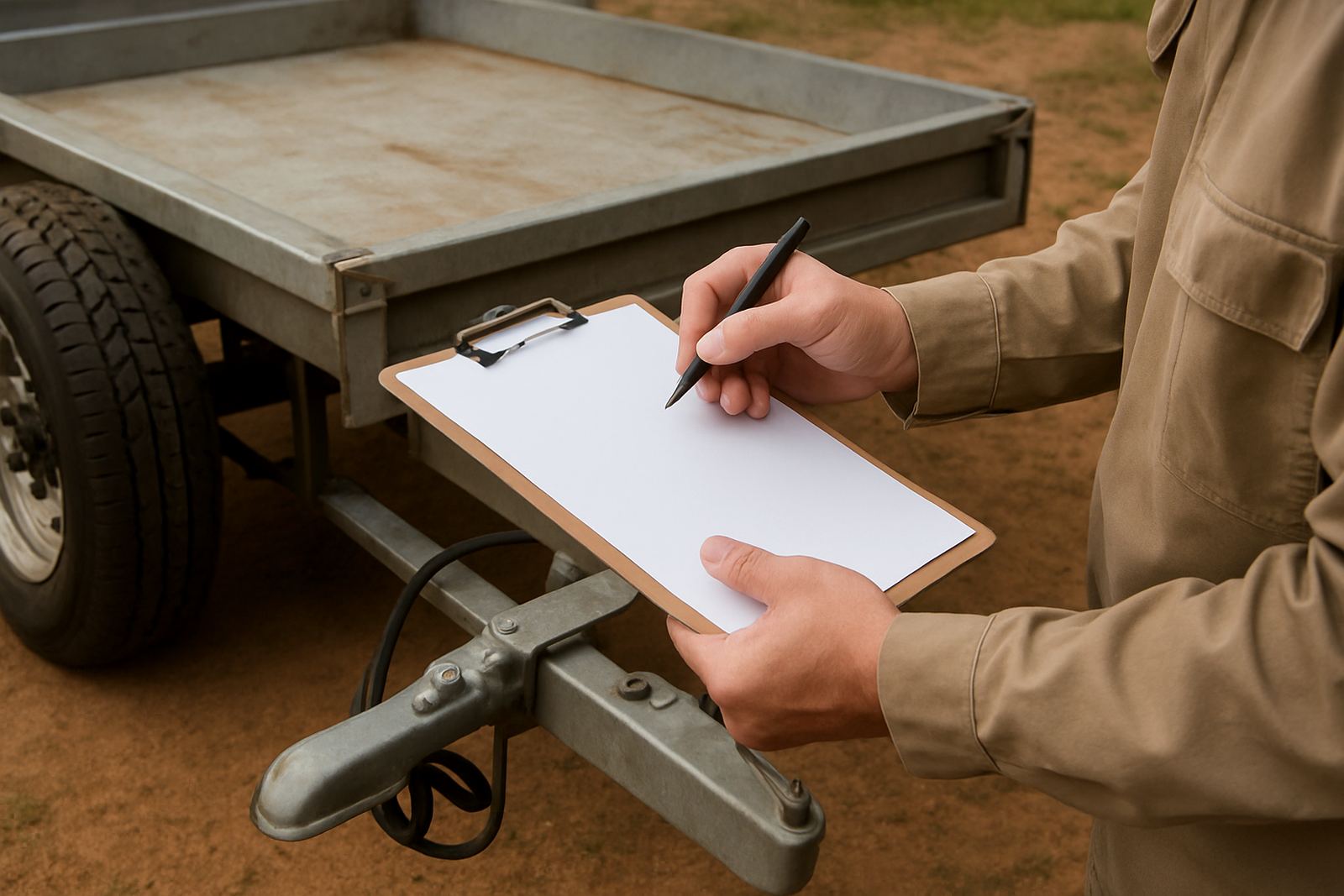
Look under the bonnet for leaks, check the oil condition, and listen for rattles on start-up. Inspect the cab for worn seat bolsters, loose trim and damp carpets, especially after heavy rain. On trailers, check the frame, lights, hitch and floor condition, since rust can spread quickly in humid conditions and a small crack can become a bigger problem soon after.
- Cold start: should start cleanly without excessive smoke
- Engine bay: check for oil, coolant and brake fluid leaks
- Tyres: look for uneven wear, sidewall damage and age cracks
- Cabin: test all switches, windows, locks and air conditioning
- Body and chassis: inspect for accident repairs, rust and dents
Match the Bakkie to Your Budget and Running Costs
The purchase price is only part of the story. A bigger cab, 4x4 system or higher-spec model may cost more to insure, service and fuel. If you are buying for a small business, that extra monthly cost can matter more than the upfront saving on a cheaper unit.
Think about tyres, services, clutch wear and fuel use. A well chosen single cab with good service records may be the most practical option for a business that needs low running costs. A family buyer may prefer a double cab with more comfort, even if it uses a bit more fuel. The right answer depends on use, not just price tags.
- Set a purchase budget and leave room for licensing, repairs and tyres
- Ask for service history and any invoices for major work
- Compare fuel use against your weekly driving distance
- Check if the model you want uses common service parts locally
Use a Simple Buying Checklist Before You Decide
A practical checklist keeps the process simple and avoids costly mistakes. If you are buying from a private seller or dealer, compare the bakkie type, condition and asking price side by side. Do not rush just because the vehicle looks clean in the photos or the seller says another buyer is interested.
Used bakkies and trailers across Kempton Park, Johannesburg, Pretoria, Polokwane, Bloemfontein and Durban are supported with listings, inspections, buyer matching and delivery arrangements. That means you can compare options properly and make a decision with less guesswork.
- Confirm the cab type suits your passenger and load needs
- Check the legal papers, VIN and licence status
- Inspect the mechanical condition and tyre wear
- Confirm towing, payload and road use requirements
- Compare the asking price with condition and mileage
- Arrange viewing, inspection and delivery before payment if needed