Start with the jobs your farm transport must handle
Before you look at any used bakkie or trailer, write down the daily jobs. A mixed farm in Gauteng may need to move feed, seed, fencing wire, drums, hand tools and small stock equipment, while a farm near Durban may also need to think about coastal humidity and rust. If you only carry light loads between sheds, your needs are very different from a farmer hauling bags, crates and water containers over gravel roads.
Match the vehicle to the job, not the other way round. A good used bakkie for farm work must have enough load space, a strong suspension and tyres that can take rough entrances and uneven yards. For trailers, think about deck size, side height, floor condition and whether the load will be tied down safely. If the work includes town runs to Kempton Park or Pretoria as well as farm roads, choose transport that is easy to park, load and maintain.
Bakkie checks for mixed farm use
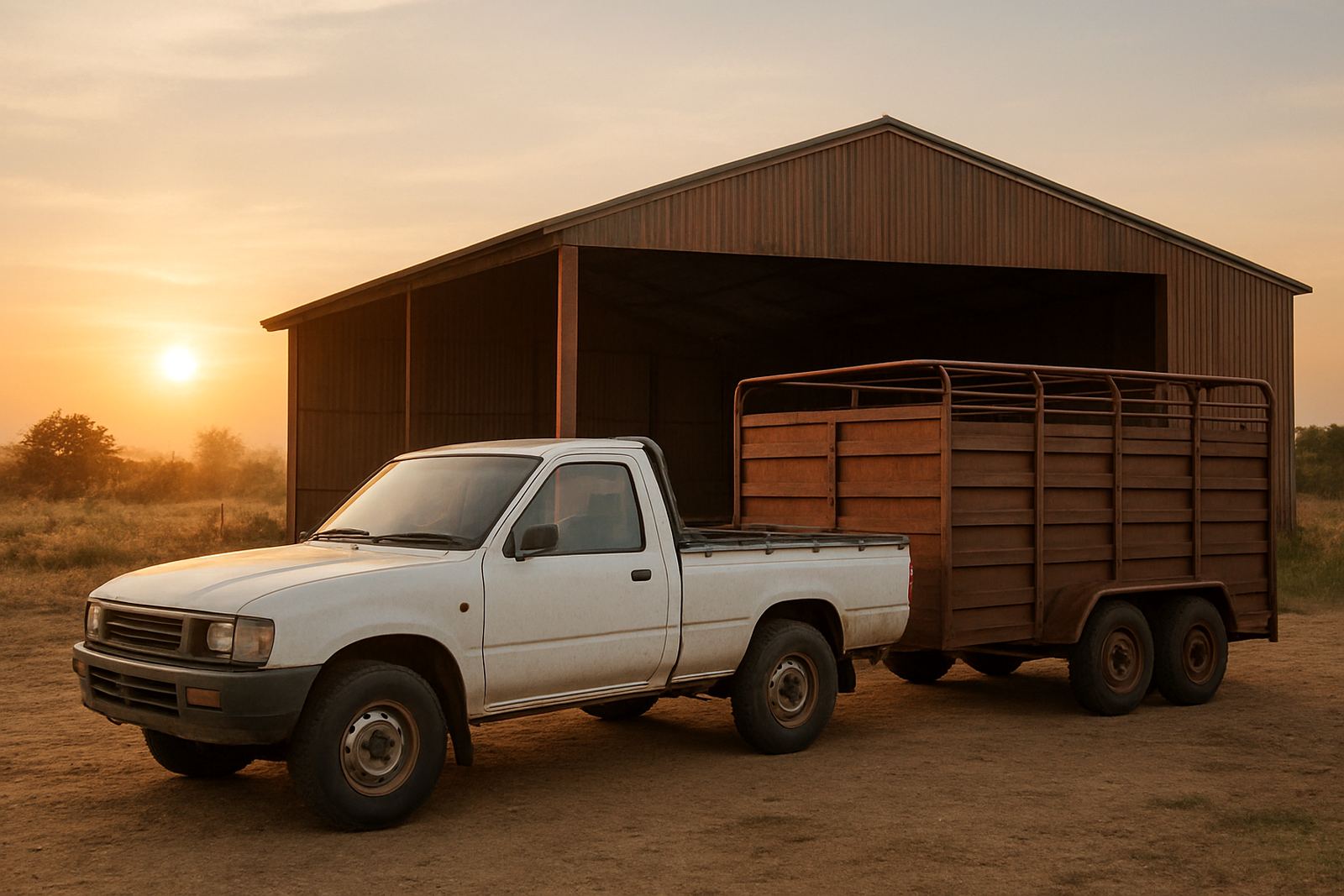
Used bakkies are often the most practical choice for a small farm because they do a bit of everything. They can tow a trailer, carry repair gear and still get into tight spots around sheds and kraals. Check the service history where possible, but also look closely at the working parts that matter day to day. A clean body is nice, but a tired clutch or weak brakes will cost you more later.
- Check the load bed for dents, cracks and rust around the corners.
- Inspect the rear suspension for sagging or uneven wear.
- Test the brakes, handbrake and steering response on a short drive.
- Look under the vehicle for oil leaks, damaged mounts and rust near the chassis.
- Make sure the tyres have enough tread and no sidewall cuts from gravel use.
- Confirm that lights, indicators and wipers work properly for road travel.
If the bakkie will tow a trailer often, ask about the towbar fitment and whether the vehicle feels stable with a load. A bakkie that is fine for light town use may struggle when pulled hard up a farm track. For farms that operate during power cuts, a dependable battery and charging system matter more than many buyers expect.
Trailer choices for feed, tools and livestock gear
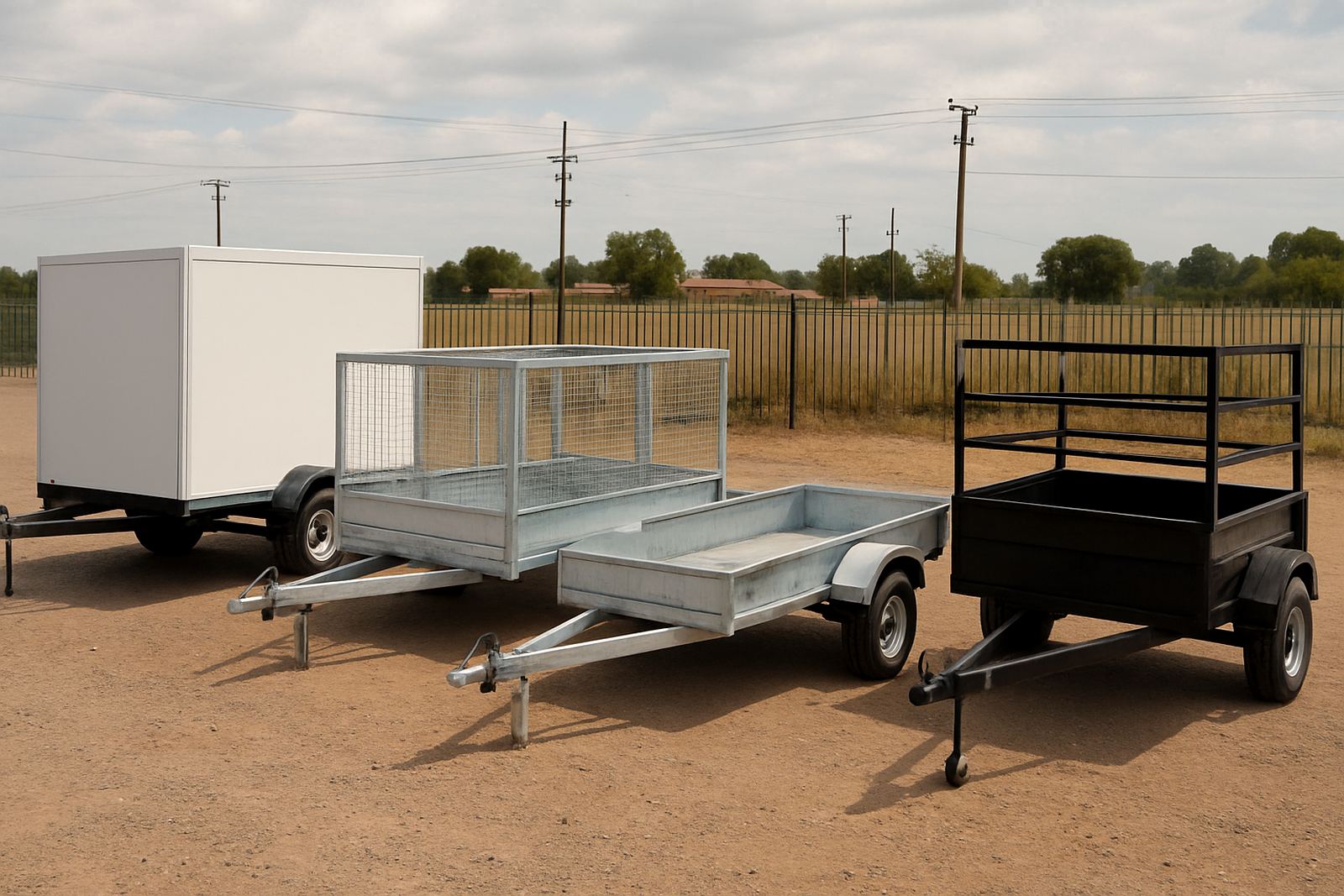
Trailers give you flexibility when the load changes from week to week. A small flatbed is handy for general farm supplies, while an enclosed or high-sided trailer suits smaller items that shift around easily. If you move feed bags, irrigation parts or fencing materials, a trailer with a solid floor and secure tie-down points will save time and reduce damage. For livestock gear, make sure the trailer can be cleaned quickly and does not hold moisture after rain.
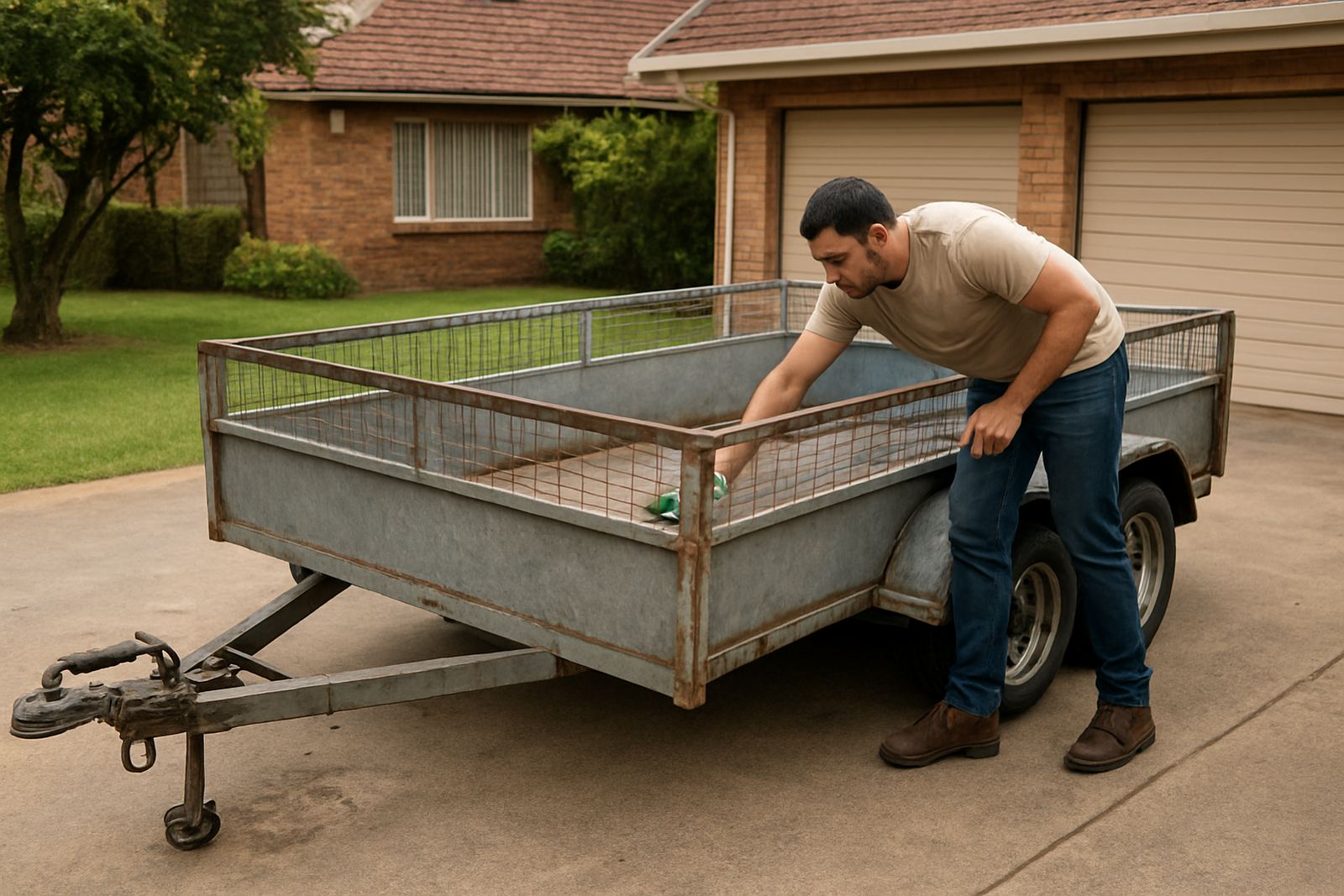
On farms near the coast or in humid areas, inspect the trailer for rust along the frame, hinges and floor edges. If the trailer has been standing outside, check the bearings, lights and coupler carefully. A well kept trailer can last a long time, but the wrong one can turn every trip into a repair job.
- Choose the right deck size for the longest item you carry.
- Check side walls, ramps and gates for bent or cracked sections.
- Inspect wheel bearings and tyres for heat damage or wobble.
- Make sure the coupling, safety chain and lights are roadworthy.
- Look for floor rot on timber decks or rust on steel floors.
How to inspect a used unit before you commit
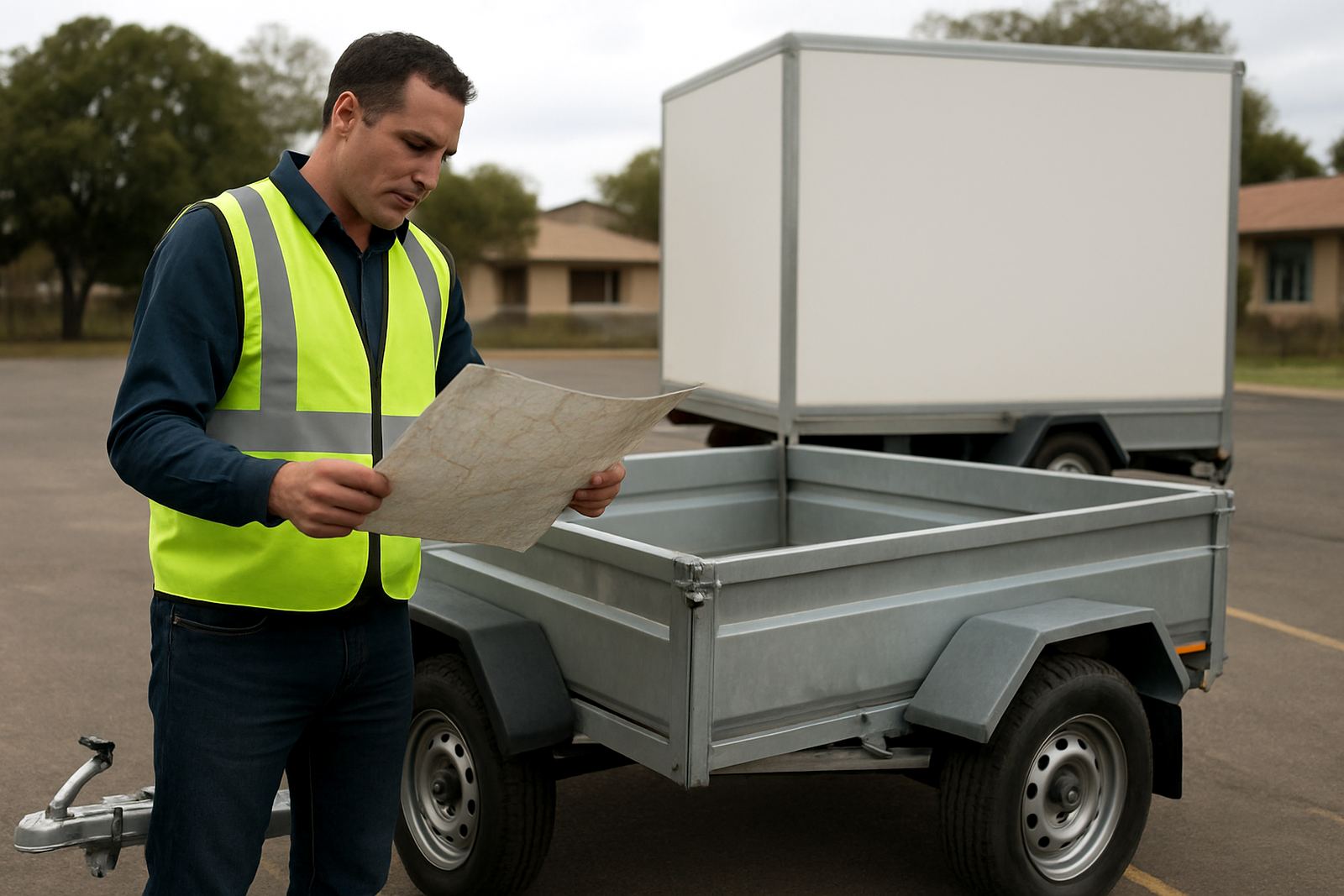
Do not rely on photos alone. A proper inspection should be done in daylight, on level ground and with the vehicle cold if possible. Start with the outside, then move to the engine bay, cab, underbody and load area. If you are buying from a seller in Johannesburg, Pretoria, Bloemfontein or Durban, ask for extra pictures if you cannot be there in person. A few clear checks can stop a costly mistake.
Bring a simple checklist and take your time. Start the engine, listen for knocks or smoke, then test gears, brakes and steering. Open and close doors, tailgates and trailer gates more than once. Look for mismatched paint, poor repairs and signs of accident damage. If the vehicle was used hard on a farm, some wear is normal, but it should be honest wear not hidden damage.
Ask these questions during inspection:
- What work was the vehicle doing before sale?
- Has it done mainly tar roads, gravel or heavy site work?
- Are there any known mechanical faults or overdue repairs?
- Has the vehicle been standing for long periods?
- Are the papers in order and the VIN details matching?
Price guidance for small and mixed farms
Price is not only about the asking figure. A cheap used bakkie that needs tyres, a clutch and brake work can end up costing more than a better unit that is ready for work. The same applies to trailers. When comparing options, include the cost of roadworthy repairs, licensing, replacement lights, new coupling parts and any body work needed for safe use.
For farm buyers, price also depends on how quickly the transport can go back into service. If you need a vehicle for the harvest season or for weekly feed runs, downtime has a real cost. That is why value should be measured by payload, condition and reliability, not just by age or mileage. A good buyer should know what to pay for a basic workhorse and when to walk away.
Collection, delivery and paperwork done properly
Once you have chosen the right used transport, the final step is making sure the handover is clean and practical. Plan collection around the farm schedule so the vehicle can be checked again before it leaves the seller. If the unit needs to go from Kempton Park to Polokwane, or from Durban to the East Rand, arrange transport that suits the condition of the vehicle and the route. A careful handover avoids delays and arguments later.
Keep the paperwork together from the start. You should confirm the seller details, check the registration documents and make sure the vehicle description matches what you inspected. If a trailer or bakkie is being moved across a longer distance, confirm who is responsible for collection timing, access and loading. Good seller support saves time and keeps the process straightforward.
- Confirm the vehicle details match the listing and inspection.
- Keep copies of all sale documents and handover notes.
- Check that the keys, spare wheel and loose fittings are included.
- Agree on collection time, delivery point and access instructions.
- Do a final walkaround before the vehicle leaves the seller.