Start with the right search radius
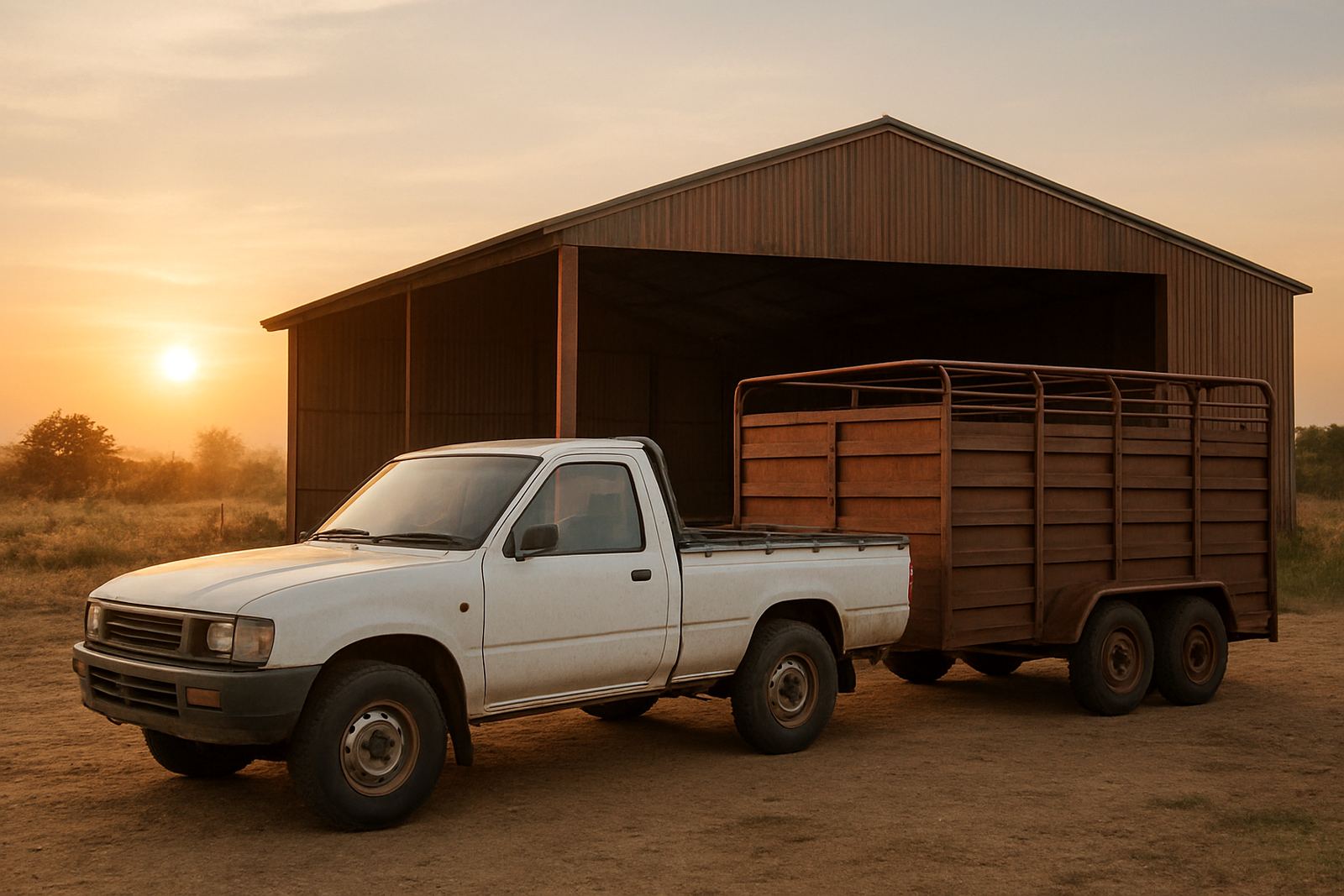
Start by matching the vehicle to your actual use. A contractor in Centurion will not need the same setup as a small business in Durban, and a farmer outside Polokwane may need different ground clearance and tyre condition compared with a buyer doing local deliveries in East Rand. The more exact your brief, the easier it is to filter out the wrong stock.
- Confirm the year, mileage, engine size and transmission
- Check whether the vehicle is still being used daily or has been standing
- Ask for clear photos in daylight, not just close-ups of shiny panels
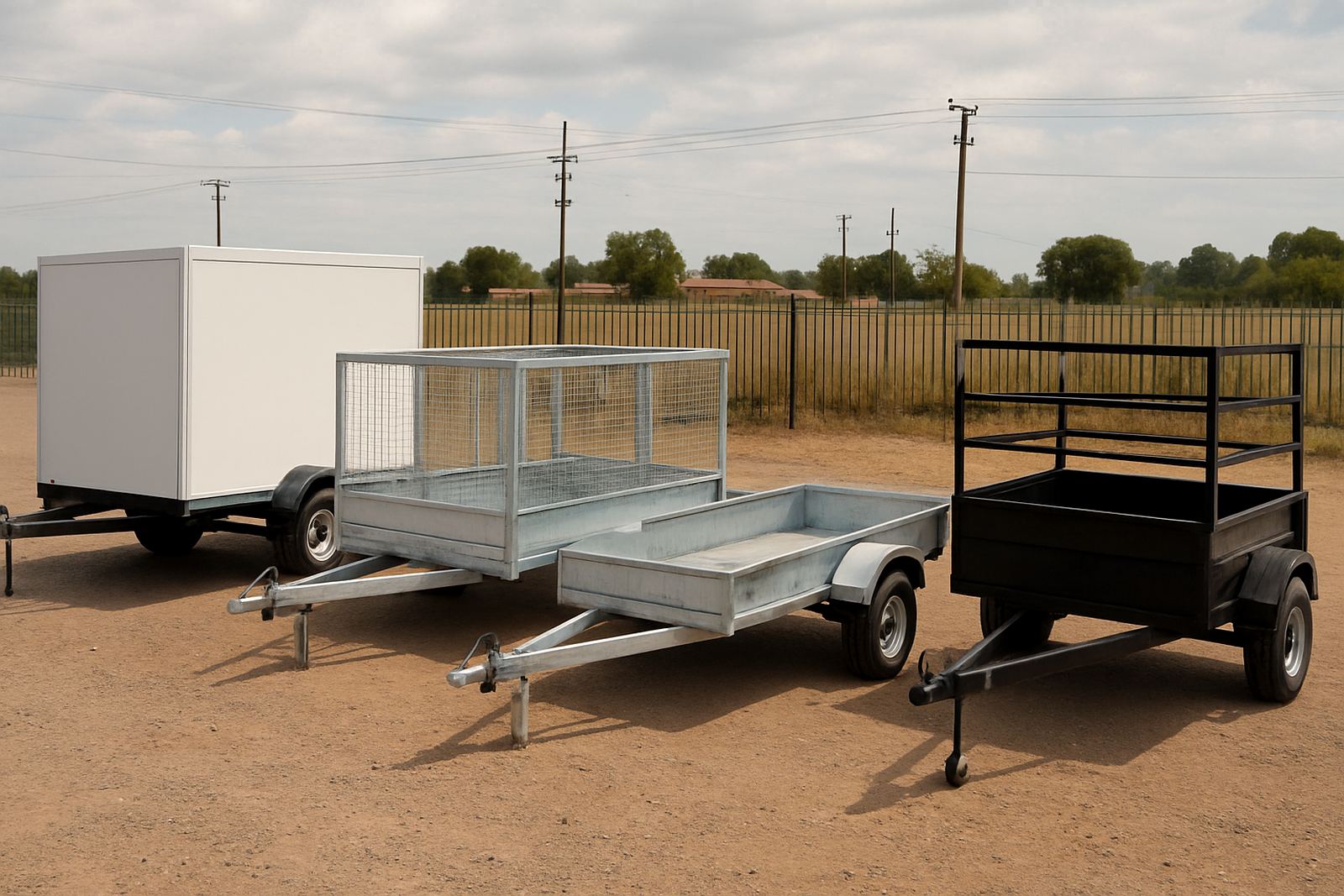
- Make sure the trailer size and tare weight suit your towing vehicle
Check the papers before you pay anything
Do not rely on a verbal promise that the papers are fine. In South Africa, a missing document can stop a transfer right at the point where you think you are ready to move. If a seller is in Bloemfontein and you are in Pretoria, it is far easier to fix paperwork before the vehicle leaves than after it is already on a transporter.
- Verify the registration details match the vehicle
- Ask whether there is any finance, fine or documentation issue
- Confirm the handover address and who will release the unit
- Keep all payment proof and sale messages together
Use an inspection that is built for distance
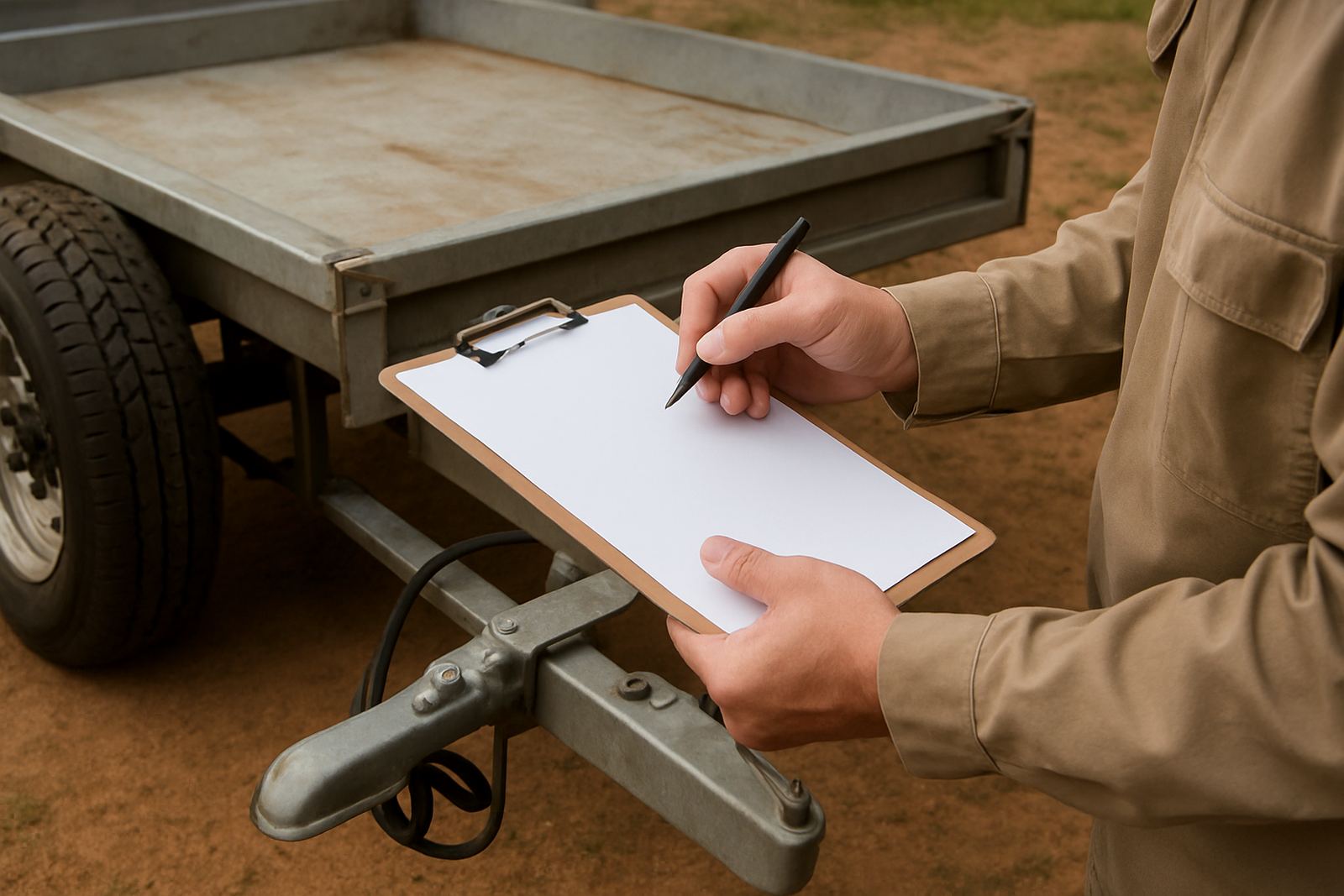
An inspection report is most useful when it is plain and practical. Look for notes on wear, damage, tyre life and anything that affects roadworthiness. If the seller has already replaced parts, ask for a clear explanation of what was done and why.
- Engine starts cold and idles properly
- Tyres have even wear and enough tread for highway travel
- Lights, indicators and brakes work as they should
- Chassis, load bin or trailer frame has no major cracks or bends
Plan payment so the handover stays controlled
Keep the payment method simple and traceable. If part-payment or a holding deposit is needed, get the terms clear in writing before anything moves. A buyer should always know who is responsible for the vehicle at each step, especially if the unit is already packed for transport.
- Confirm the sale amount and any deposit terms
- Match the payment to the seller name on the agreement
- Ask who will release the vehicle on collection day
- Keep proof of payment accessible during handover
Arrange collection with the road in mind
Ask the collector or transporter to inspect the unit again before loading. This is the last chance to spot a flat tyre, missing light or broken latch before the vehicle leaves the seller's yard. If the handover takes place late in the day, make sure there is enough light to check everything properly.
- Confirm collection time and contact person
- Check tyre pressure, lights and hitch points before loading
- Remove personal items, toll tags and loose accessories
- Agree on where the vehicle will be delivered and unloaded
Why local support helps when cities are far apart
Cross-city deals go more smoothly when someone keeps the facts straight. You want one price, one inspection, one collection plan and one delivery address, not a chain of mixed messages. That is especially useful when power cuts, traffic or a long-distance delay changes the schedule at short notice.
For buyers and sellers alike, clear communication cuts down on mistakes and helps the handover happen on time.