Start with the work your bakkie or trailer must handle
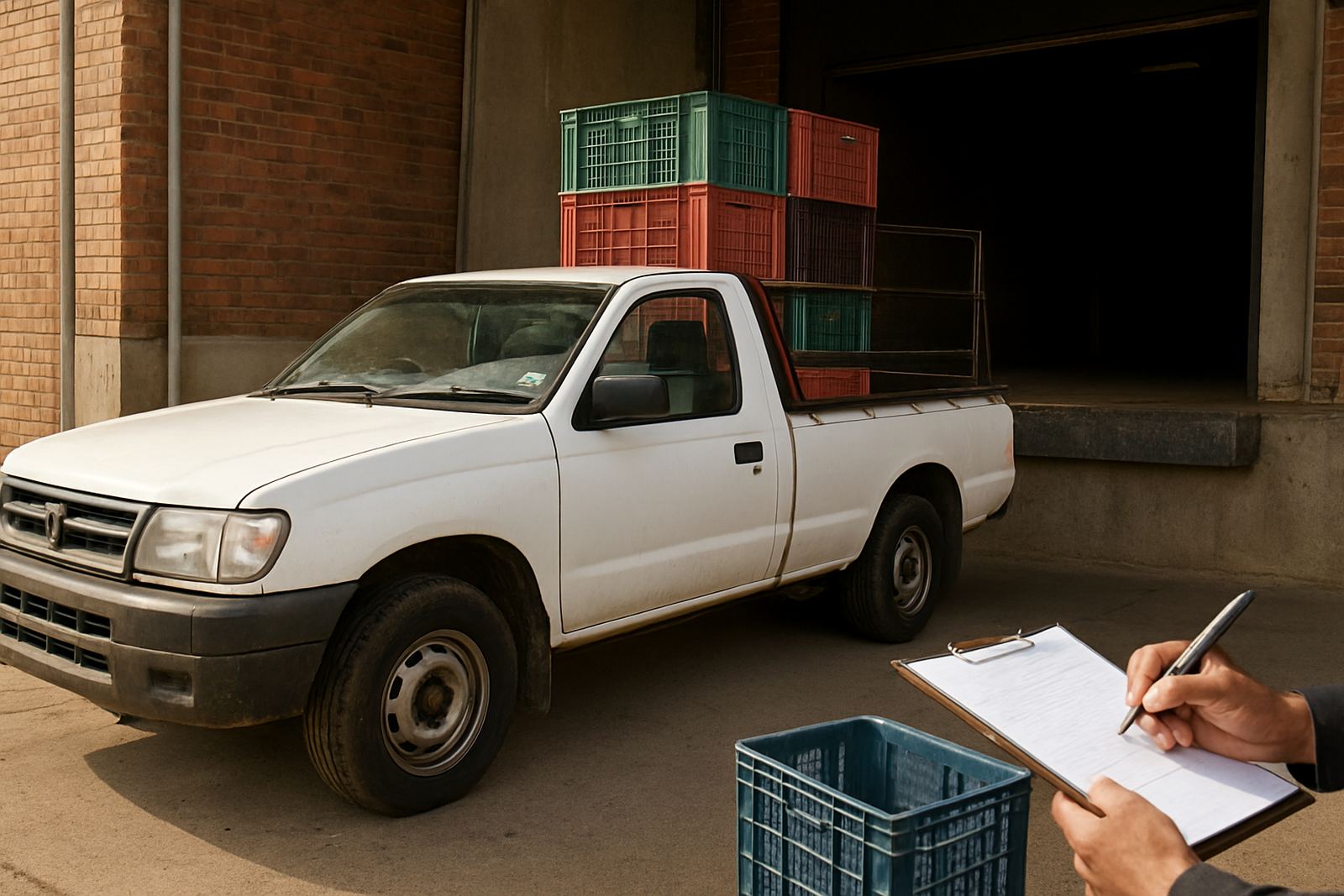
Before you look at adverts, write down what the bakkie or trailer must carry, how often it will be used, and where it will travel. A vehicle for school runs in Kempton Park will have different needs from one doing weekly loads between Johannesburg, Pretoria and Polokwane. If you are moving tools, stock or building materials, think about payload, towing needs, fuel use and ground clearance before price.
It helps to separate needs from wants. A canopy, ladder rack, load bin liner, spare wheel carrier or tarpaulin may be useful, but they should not push you beyond budget if the core vehicle is not right. On a tighter budget, the best buy is often the one with a clean history and fewer hidden repairs, not the one with the most extras.
Use a simple budget that includes the extras
The asking price is only part of the total cost. Add transfer costs, licence fees, roadworthy needs where relevant, tyres, brakes, service items and any repairs needed straight after purchase. Many buyers set a ceiling and then spend beyond it on the first month of ownership. That is where good planning saves stress.
- Purchase price
- Licence and transfer fees
- Tyres, brakes and suspension checks
- Service items such as filters, belts and fluids
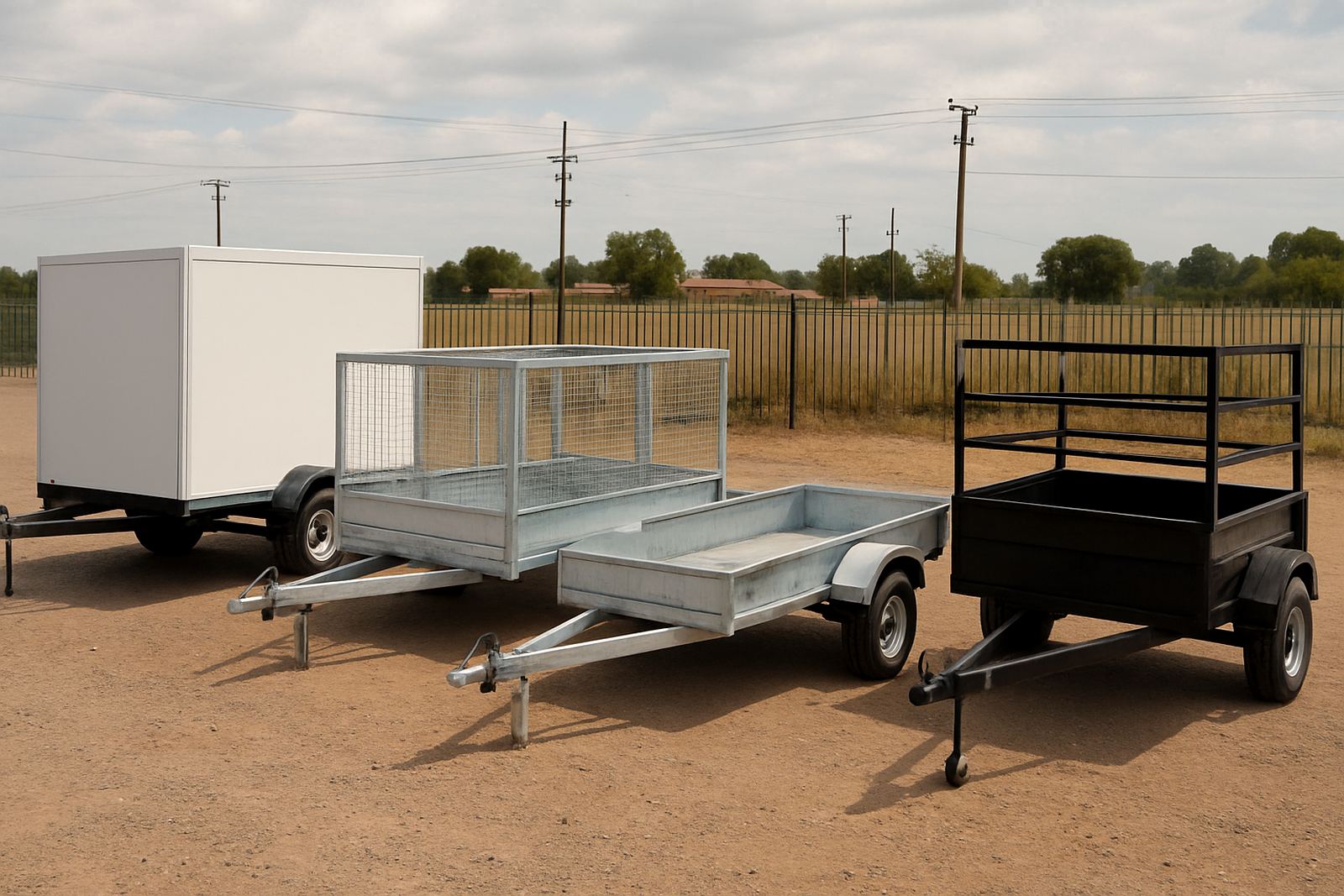
- Trailer lights, coupler, jockey wheel and wheel bearings if buying a trailer
- Minor repairs, body work or load bin repairs
Keep a small reserve in hand for the first 30 days. Even a well looked after used vehicle may need a battery, a set of wiper blades or a replacement light after collection. That reserve should stay separate from the amount you use to bargain.
Check condition with your eyes, ears and hands
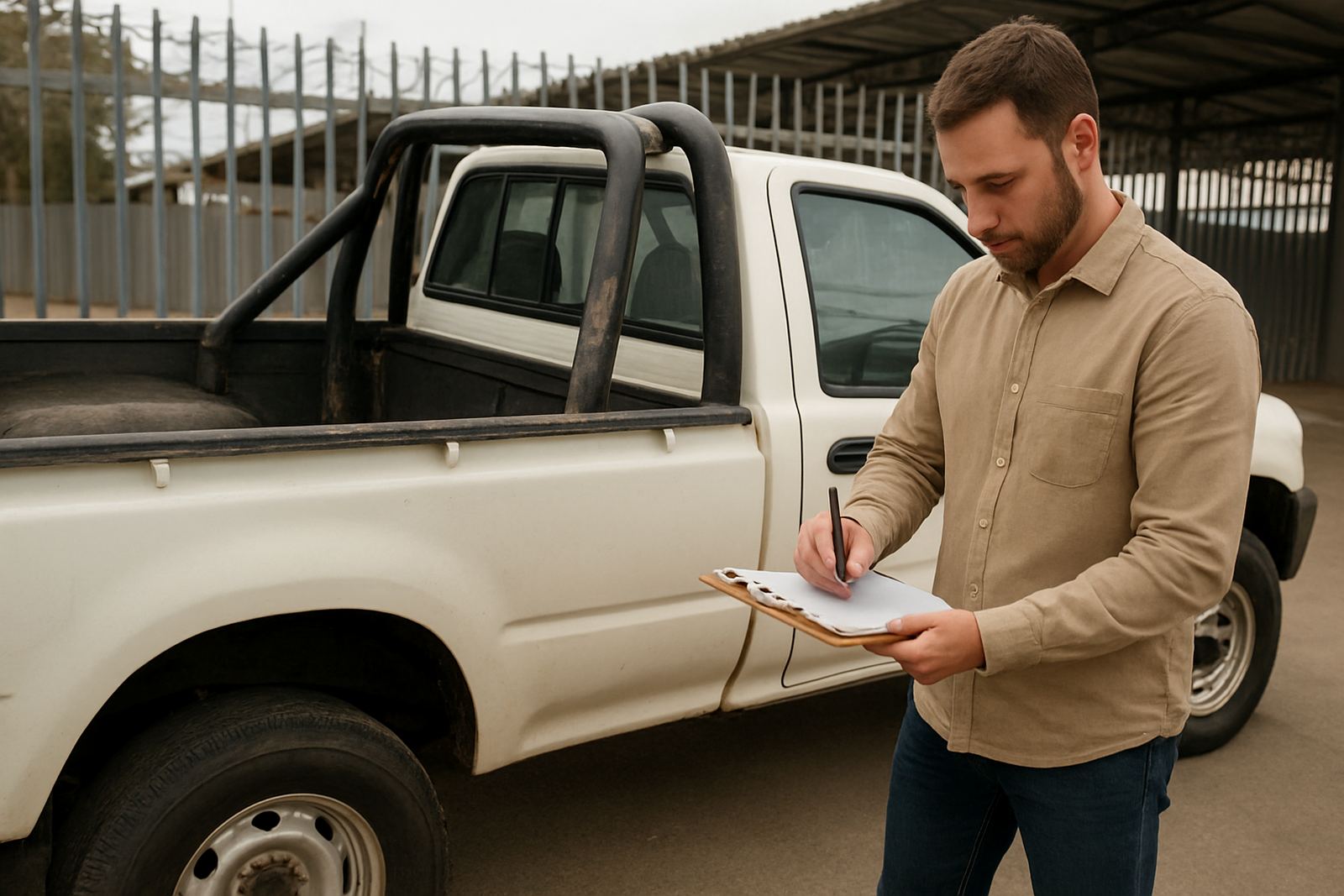
Look closely in daylight and take your time. Start with the body, then move to the tyres, undercarriage, load area, interior and engine bay. Uneven panel gaps, fresh paint on one section, damp smells or heavy oil marks can point to past damage or neglect. In humid coastal areas like Durban, watch for rust around hinges, seams and trailer frames.
On a test drive, listen for knocks, rattles and warning lights. Check that the brakes feel steady and that the gearbox shifts cleanly. For trailers, test the lights, inspect the wiring and look at the coupler, axle and leaf springs. If a seller cannot explain a noise or a light on the dashboard, treat that as a warning not a small detail.
- Start the vehicle from cold if possible
- Check for smoke from the exhaust
- Look under the vehicle for leaks
- Test windows, locks, indicators and wipers
- Confirm all trailer lights work properly
- Inspect tyres for uneven wear or cracking
Ask for proof before you talk price
A careful buyer asks for more than a quick story. You need proof of ownership, service history where available, and a clear explanation of any repairs, accidents or missing items. If the seller cannot show that the vehicle is theirs to sell, walk away. That is especially important when buying through private sellers across Gauteng and beyond, where paperwork may be mixed with multiple owners or older trade-ins.
Check the VIN and engine number against the paperwork. Make sure the registration details match the vehicle on site and ask whether there are any outstanding finance issues. For trailers, confirm the papers, serial number and any fitted extras. A neat file does not guarantee a good vehicle, but it does show the seller has taken the sale seriously.
Negotiate on facts, not guesswork
Price guidance works best when you can point to facts. If the tyres are near replacement, if the service record is incomplete, or if the load bin needs work, use those items in your offer. Do not start too low just for the sake of it. A fair offer is easier to accept and more likely to get a straight response.
Keep your tone calm and practical. Ask what is included in the deal, whether the vehicle is ready to collect, and if any small faults will be sorted before handover. If you are buying on a strict budget, be ready to move on quickly when the numbers no longer make sense. A bad deal at a low price can cost more than a good deal that is a bit higher.
- Set a maximum price before viewing
- Use repair costs to support your offer
- Ask what spares or accessories are included
- Confirm whether delivery is part of the arrangement
- Be ready to leave if the story changes
Plan collection, delivery and first week ownership
Once you have agreed to buy, make sure the handover is organised properly. Confirm where the vehicle will be collected from, who will sign the paperwork, and whether delivery is needed to your side of Gauteng or further afield. If the vehicle is going to Pretoria, Bloemfontein, East Rand or Durban, plan for timing, fuel and any loading requirements.
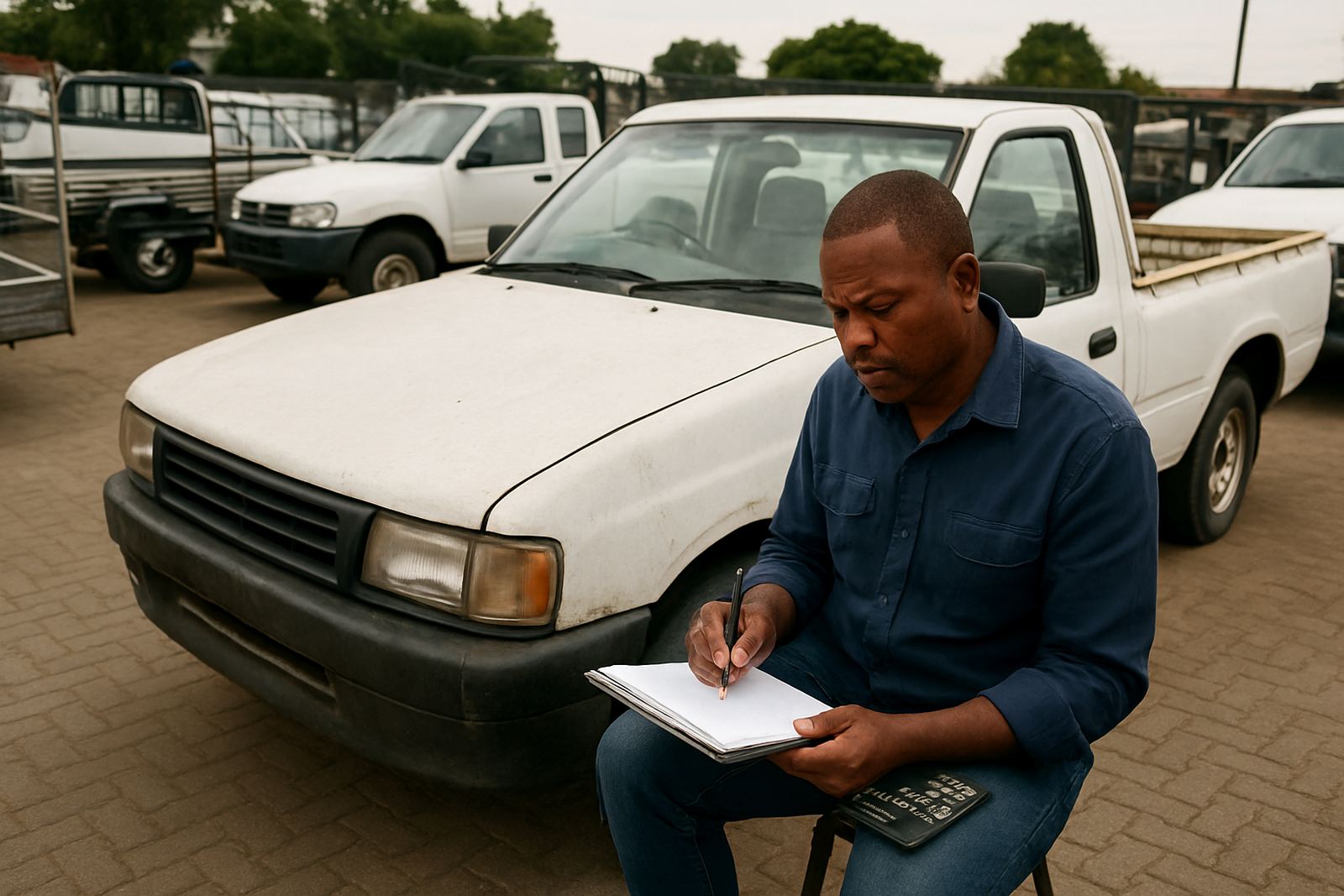
Your first week should include a basic inspection, a short test drive and a check on all fluids and lights. For bakkies that will face power-cut-driven schedules, it is worth checking the battery and charging system early. For trailers, recheck wheel nuts, bearings and lights after the first trip. Small checks now can prevent bigger repair bills later. And yes, it is worth keeping a notebook for dates, repairs and tyre changes, even if the vehicle is only used now and then.
A quick budget buyer checklist
Use this last check before you commit. It keeps the decision practical and stops you from being pulled by a low price alone. If several answers are unclear, take a step back and keep looking.
- Does the vehicle fit the job you need it for?
- Can you afford the full cost, not only the asking price?
- Have you inspected it in daylight and taken a test drive?
- Do the papers, numbers and seller details all match?
- Have you allowed for repairs, licensing and collection costs?
- Are you still comfortable with the deal after thinking it through overnight?
Buying carefully is not about chasing the cheapest option. It is about getting the most useful vehicle for the money you have, with fewer nasty surprises after handover.