Start With The Load You Carry Most Often
Before you look at sizes and axle setups, write down what you will move on a normal week. A trailer that suits sand, building material, garden waste or stock crates all have different needs. If you are carrying equipment for work in Kempton Park, Pretoria or Durban, the common mistakes are buying too small, or going far bigger than your tow vehicle can handle.
Check the weight of the load when it is packed, not just the loose material. A 750 kg trailer may sound fine, but once you add cages, tools, spare wheels and a cover, you can run out of payload quickly. For mixed use, leave a margin so the trailer is not always working at its limit. That extra room matters on rough roads and during stop-start traffic in Johannesburg or Centurion.
- List your heaviest regular load in kilograms.
- Measure the length, width and height of the items you carry.
- Allow for straps, tarps, tie-down points and any cage or box fitment.
- Match the trailer size to the load, not just to what looks convenient.
Compare Trailer Types Against The Job
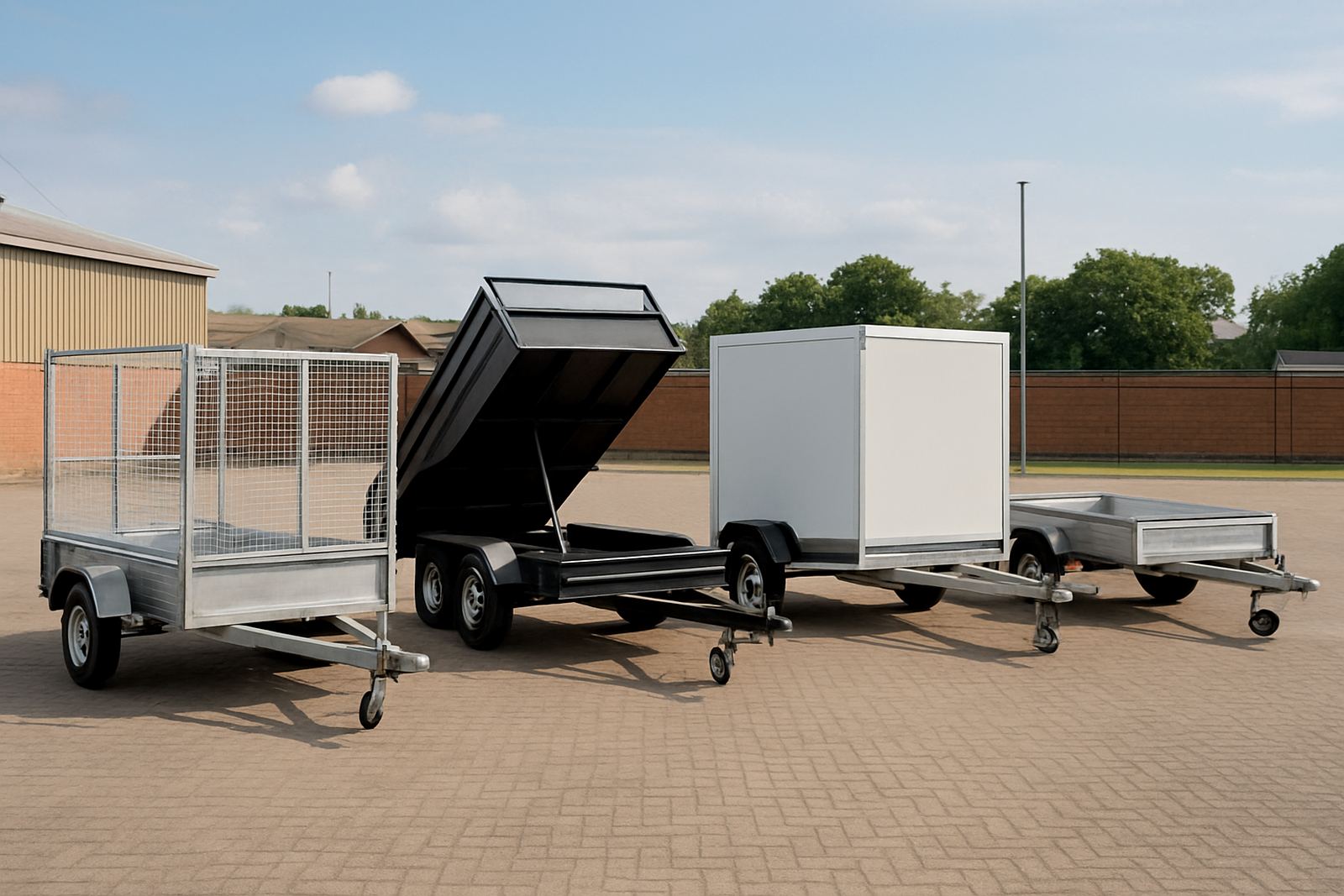
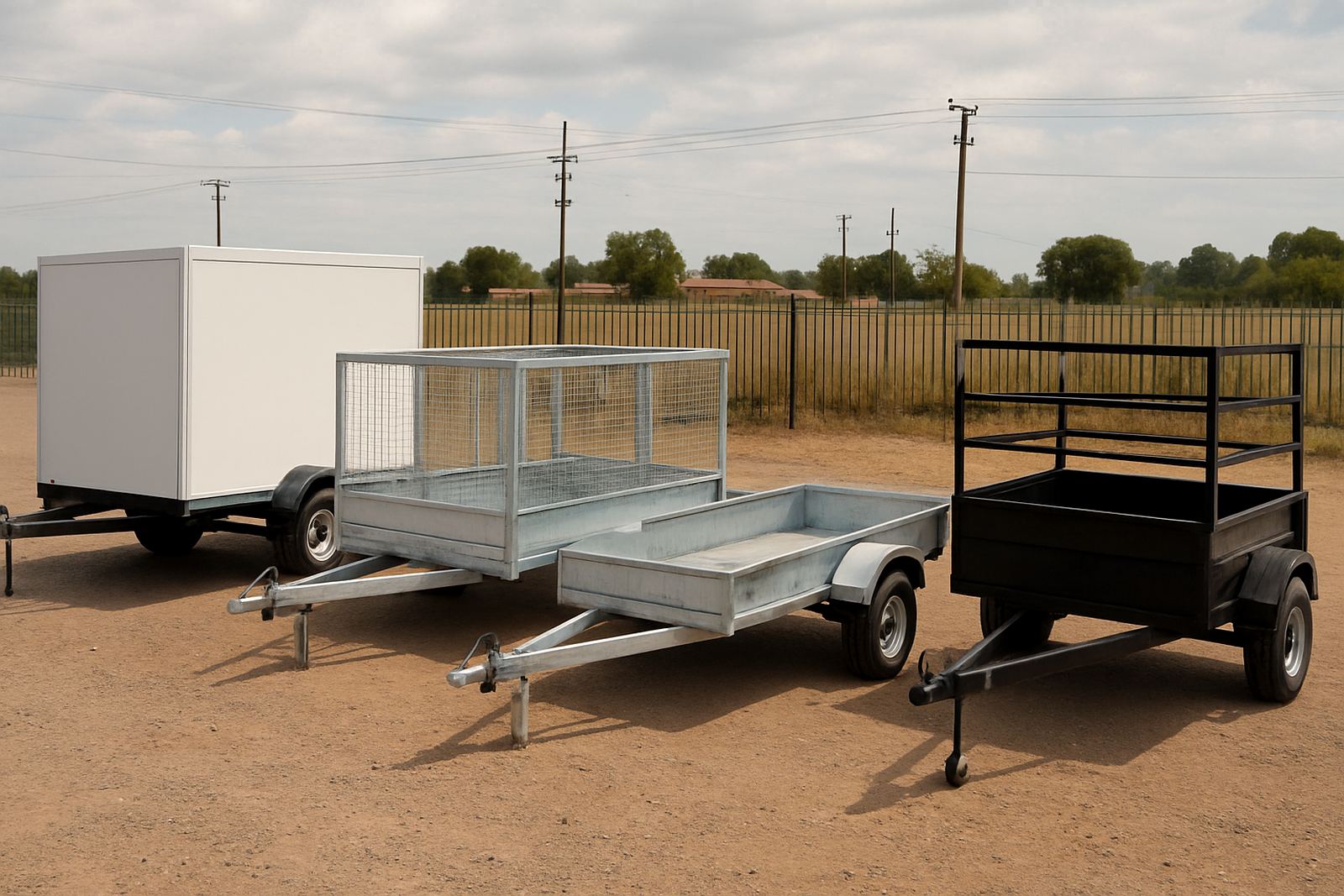
Open flat trailers work well for general hauling, appliances, building material and bulky items that need easy side access. Enclosed trailers are better when the load must stay dry, hidden or secure, especially for tools, event equipment and trade stock. If you move loose rubble, garden refuse or construction offcuts, a tipper trailer can save time on site, though it needs a tow vehicle with enough strength for the work.
For vehicles and farm use, gooseneck and car carrier types are chosen for stability and deck length. If your routes include rural roads or uneven surfaces, speak carefully about axle setup and ground clearance. Coastal buyers around Durban often want better protection against corrosion, while inland buyers may prioritise load capacity and simpler maintenance. There is no single best trailer, only the right match for the way you actually work.
- Open trailer: quick loading, easier washing down, best for mixed daily use.
- Enclosed trailer: better security, weather protection and cleaner storage.
- Tipper trailer: useful for sand, rubble, garden waste and site clean-ups.
- Car carrier or equipment trailer: suited to longer items and vehicle transport.
Check Axles, Suspension And Tyres Before You Decide
The running gear tells you a lot about how the trailer will behave on the road. A single axle trailer is usually lighter, easier to move by hand and cheaper to maintain. A tandem axle trailer spreads the load better, gives more road stability and is often preferred for heavier work. If you travel long distances from Polokwane to Johannesburg, or carry uneven loads, tandem can be worth the extra spend.
Look at the tyres for date, sidewall cracks and uneven wear. Check that the spare is usable, not just there for show. Inspect the coupling, jockey wheel, lights, wiring and wheel bearings, because small faults become delays fast when you are on a deadline and power cuts are already slowing the day. A clean trailer can still hide repairs, so always test doors, ramps, brakes if fitted, and all locks.
- Check for rust on chassis welds and around bolt holes.
- Look for bent side panels, repaired corners and mismatched paint.
- Make sure lights, reflectors and licence plate mounting are in place.
- Ask when bearings, tyres and suspension parts were last replaced.
Match The Trailer To Your Tow Vehicle And Route
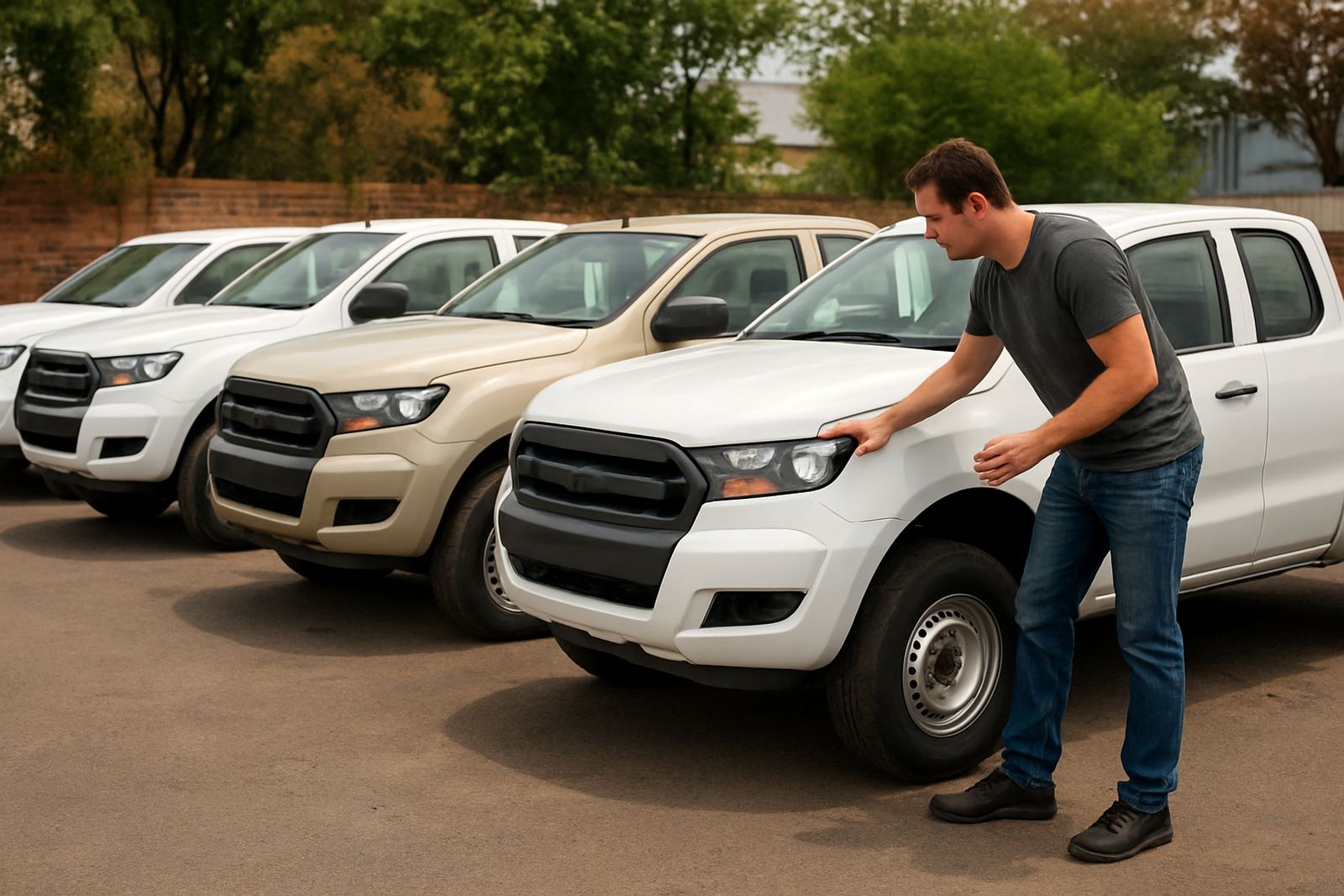
A trailer must suit the vehicle that will pull it, not just the job on paper. Check the towing rating, tow bar condition and braking ability of the bakkie or SUV that will use it. If the tow vehicle is already busy on hills, gravel roads or freeway traffic, a smaller trailer may be the better call. It is not only about what can be pulled, but what can be stopped safely.
Route matters too. Inner-city trips in Johannesburg need easier parking and turning space. Farm roads outside Bloemfontein may need stronger underbody protection and higher clearance. In Cape wind and coastal moisture, covers and seals need more attention, while in Gauteng heat and stop-start traffic tyre pressure matters more than people think. Check that the trailer can fit into the yard, garage or storage bay you have at home or at the business premises.
- Confirm the tow vehicle rating and tow bar condition.
- Measure turning space, gate width and storage height at home or work.
- Think about hills, gravel roads, rain and coastal humidity on your route.
- Choose a trailer that your team can couple and park without strain.
Inspect Papers, Numbers And Legal Details
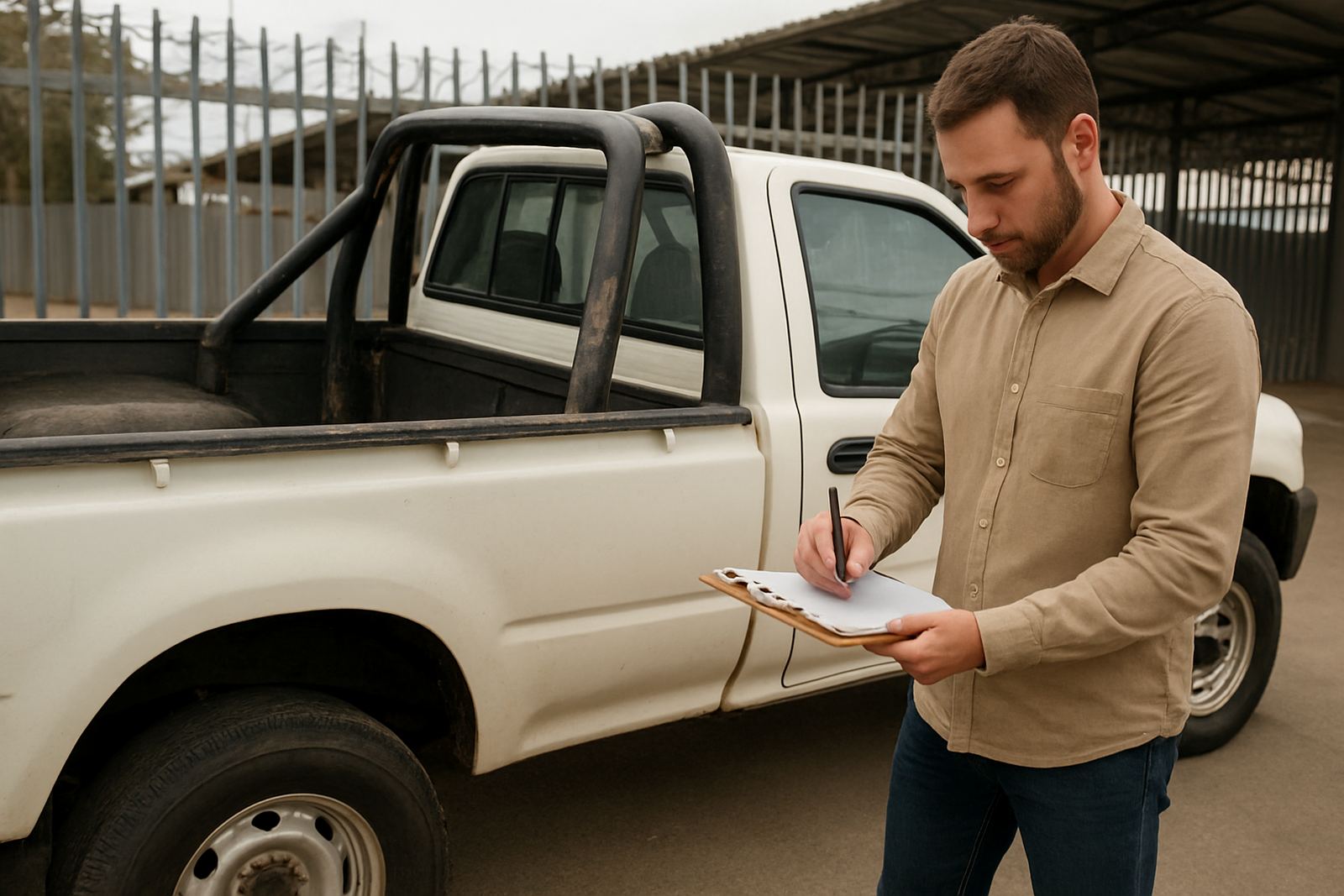
Paperwork matters just as much as the metal. Make sure the trailer identification is clear and that the registration details match the seller’s documents. If you are buying for business use, ask about service history, load rating and any modifications. A trailer with a changed body, added cage or altered floor may still be suitable, but the details should be noted before money changes hands.
For buyers in South Africa, it is worth checking local roadworthy and licensing needs before collection. If the trailer will cross provincial routes or be used for regular commercial delivery, keep records tidy from day one. A proper inspection report also helps if the trailer will be passed between branches, used by staff or on sold again later. That record can save a lot of back and forth.
Use A Simple Buying Checklist Before You Commit
When the options start to look similar, a checklist keeps the choice practical. Compare the trailer by use, condition and total cost, not only by the asking price. Delivery from Kempton Park to Pretoria, Durban or Bloemfontein can also change the final number, so factor in transport before you decide. A cheaper trailer that needs tyres, lights and floor repairs can easily end up costing more.
Buy Those helps buyers compare used trailers and used bakkies across South Africa, with support for inspection, price guidance, viewing arrangements and delivery coordination. If you are buying from a private seller or dealer, it helps to have a second set of eyes on the trailer before collection. That is especially useful where the vehicle has been standing for a while or the photos do not tell the full story.
- What load will this trailer carry most often?
- Is the size right for the tow vehicle and storage space?
- Are the tyres, bearings, lights and frame in sound condition?
- Do the papers, price and delivery plan all make sense together?