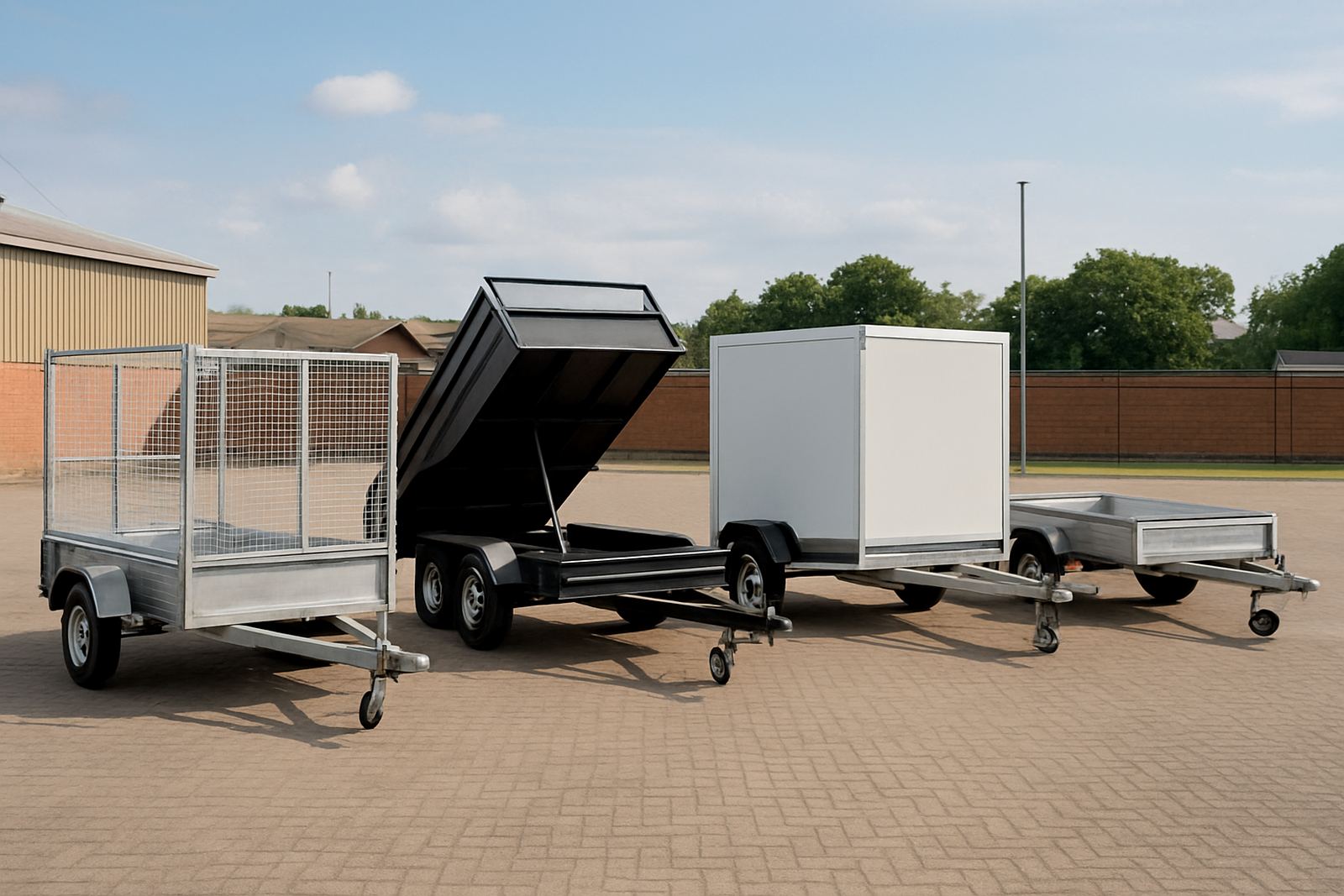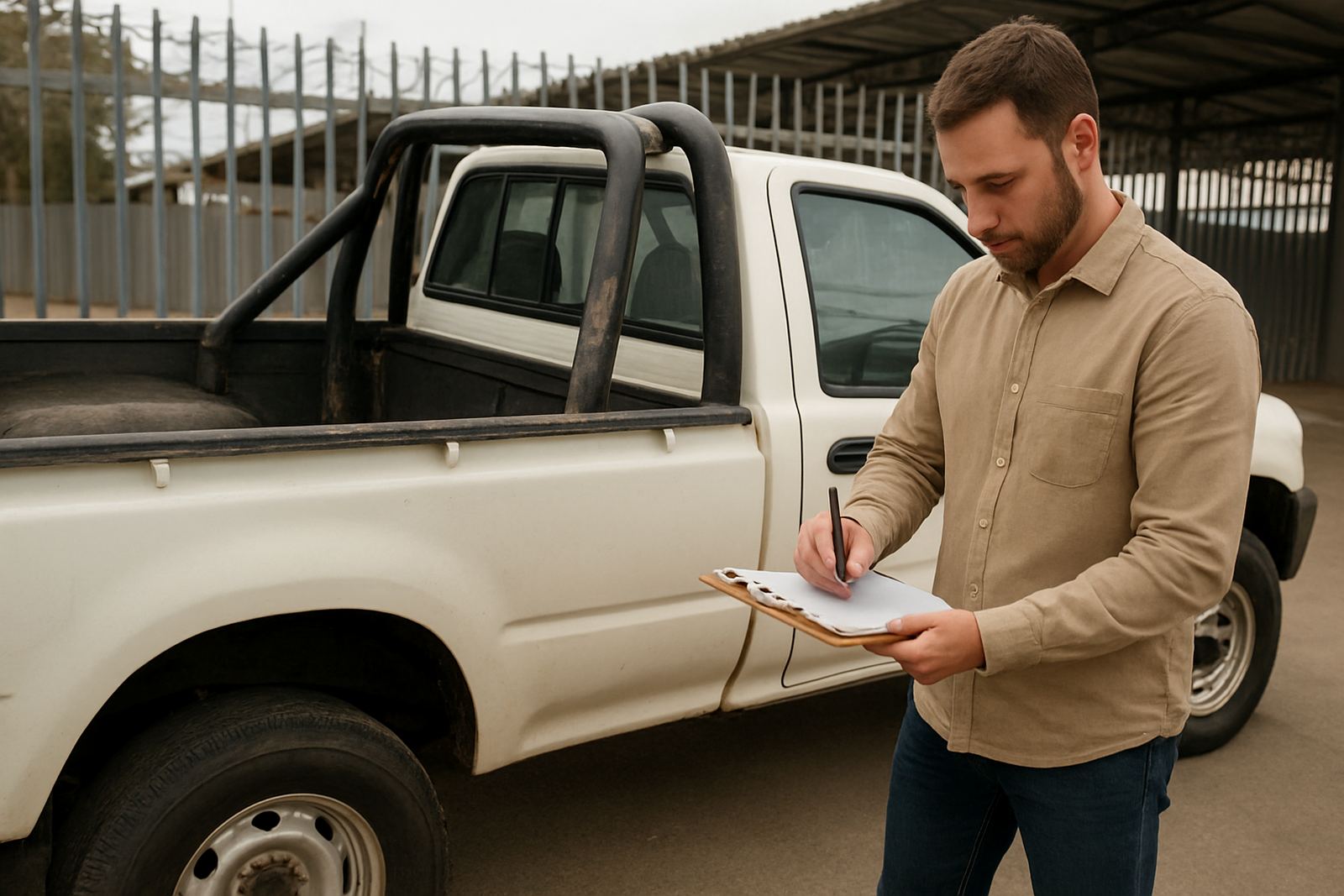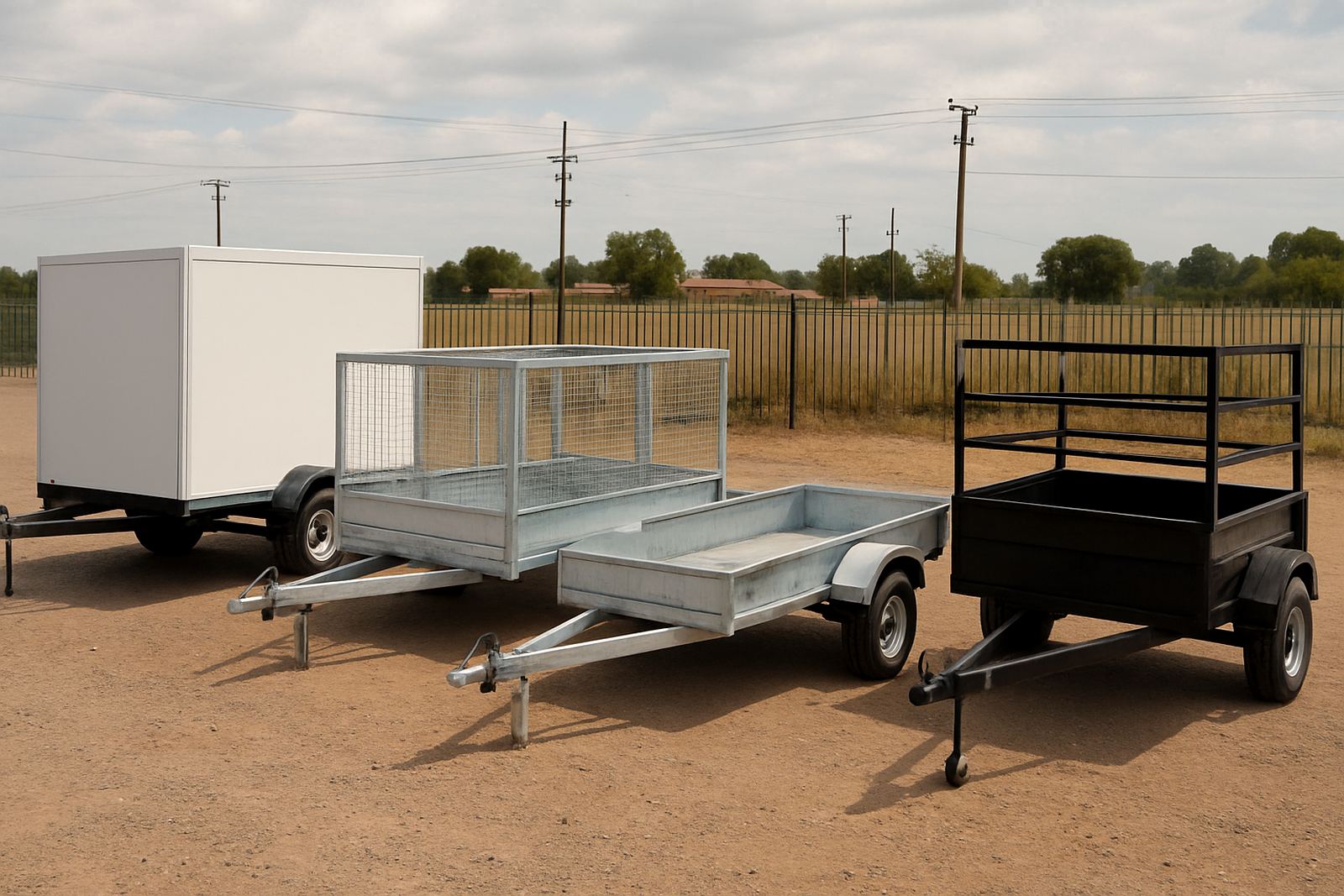
Start With the Right Paperwork and Proof of Ownership
Before you list anything, get your documents in order. Buyers want to know the unit is legally yours to sell and that there are no surprises when it comes to registration, finance or roadworthy requirements. If you are selling from Kempton Park, Johannesburg, Pretoria, Polokwane, Bloemfontein or Durban, having the paperwork ready also helps when a buyer wants quick viewing and collection arrangements.
Keep the original registration certificate, a copy of your ID, any service records you have, and any invoices for work done. If the vehicle still has finance on it, sort that out first. For trailers, check that the chassis number and licence details match the papers. A small mismatch can slow everything down, so it is worth checking twice. If the tyres, tow hitch or lights have been replaced, keep the receipts as well.
Good paperwork gives buyers confidence. It also helps you answer questions quickly instead of searching through files when someone is ready to make an offer.
Prepare the Bakkie or Trailer for Inspection
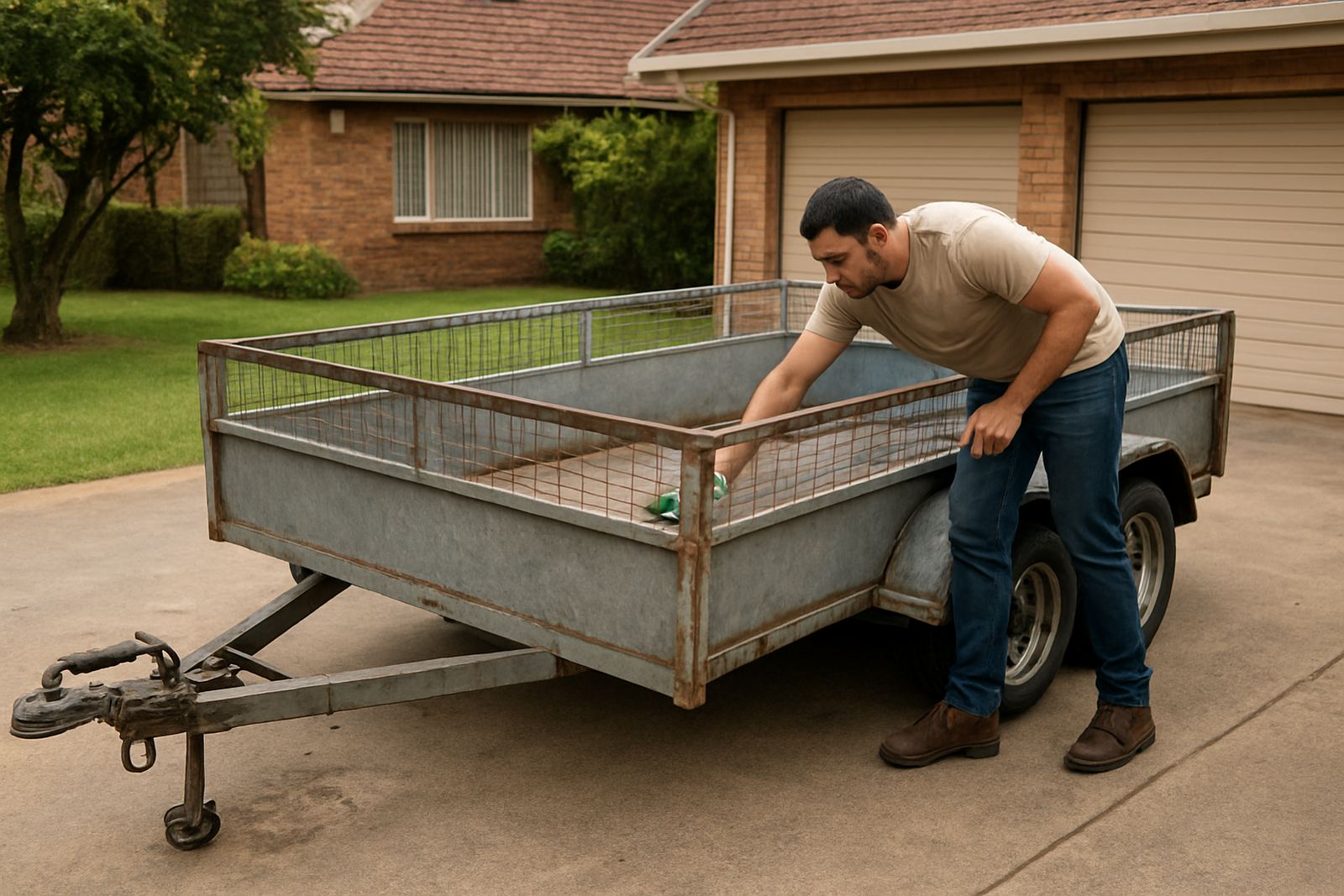
First impressions matter, even on a used unit. Clean it properly inside and out, remove loose items from the cab, load bed or trailer deck, and make sure the photos show the vehicle clearly. A washed bakkie with a tidy engine bay, clean seats and visible tyres will usually attract more attention than one that looks neglected. In coastal areas like Durban, check for surface rust on brackets, hinges and underbody parts, because humidity can show up fast.
Do a simple walkaround before anyone views it. Look for cracked lights, worn tyres, noisy bearings, oil leaks, chipped windscreens and damaged wiring. On trailers, check wheel nuts, reflectors, brake lights, safety chains and jockey wheels. If the load bed floor is soft or the wood is lifting, say so upfront. Buyers do not mind wear and tear as much as they mind surprises.
- Wash and vacuum the unit
- Check lights, tyres and basic mechanical condition
- Remove personal items, old branding and loose accessories
- Take clear photos in daylight from all sides
- Note any dents, scratches, repairs or missing parts
Set a Fair Price Before You Advertise
Pricing needs to be realistic if you want real enquiries. Look at the year, mileage, condition, extras, service history and tyre life. A bakkie with canopy, towbar, spare keys and full history will usually justify a better asking price than a similar unit with no records. For trailers, size, axle setup, brakes and deck condition all affect value. A clean, honest price often sells faster than an inflated one that sits for weeks.
It helps to compare similar units in Johannesburg, East Rand and Pretoria first, then adjust for condition and location. A unit in excellent condition with full records may support a firmer price, while one needing work should be priced to allow for that. If you are not sure, ask for price guidance before you commit to an asking figure. That can save time and reduce back and forth later, which is useful when you are dealing with buyers from different provinces.
Remember to allow for negotiation. Most private sales include some haggling, so build a little room into your asking price, but not so much that you scare people off at the first call.
Write a Listing That Answers the Buyer’s Questions
A strong listing should be honest, specific and easy to read. Include the make, model, year, mileage or dimensions, engine or trailer details, condition, service history and any extras. Mention whether it is a single cab, double cab or extended cab, and if the trailer has brakes, a tarpaulin or a drop-side setup. Buyers usually decide quickly, so the right details up front matter a lot.
Avoid vague wording like “good condition” without proof. Say what was replaced, what still needs attention and whether the unit is ready to work. If you are selling in Pretoria or Centurion and can arrange viewings during business hours, say that too. If the trailer or bakkie is stored in Spartan, Kempton Park, mention where it can be inspected. Clear location details save everyone time.
- State the exact year and mileage or trailer dimensions
- List extras and recent repairs
- Include the location for viewing
- Show clear photos of the interior, exterior and key details
- Disclose defects honestly, even small ones
Handle Viewings, Questions and Offers Properly
Once enquiries start coming in, keep your answers straightforward. Buyers will ask about service history, tyre condition, accident repairs, load capacity and whether the paperwork is ready. Have your answers prepared before the first viewing so you do not waste time repeating the same points. A buyer who feels informed is more likely to make a serious offer.
When arranging a viewing, choose a safe place and daylight hours where possible. For private sellers in busy areas like Johannesburg, Durban or the East Rand, it is sensible to meet in a public spot or a secure yard if the unit is not already on your premises. Let the buyer inspect the vehicle or trailer properly, including lights, engine bay, undercarriage, coupling points and the spare wheel if there is one. If a buyer wants a second opinion, that is normal.
Agree on the sale terms in writing before money changes hands. Make sure both parties understand what is included in the sale, whether any accessories stay on the unit, and when collection will happen. This avoids confusion later on, especially if the buyer needs to organise transport from another town.
Complete the Sale and Plan Collection or Delivery
When you accept an offer, move carefully through the final steps. Confirm payment has cleared before handing over keys, documents or the trailer plate where applicable. If the buyer is collecting the unit, make sure they have the right tow vehicle or transport plan, and that the collection time suits both sides. For longer moves to Polokwane, Bloemfontein or Durban, delivery arrangements may be the easier option.
Hand over everything the buyer needs: keys, papers, service book, spare wheel, wheel spanner, trailer accessories and any loose fittings that were included in the deal. Remove your own number plates and personal stickers where needed. Keep a copy of the sale agreement and handover details for your records. It is a simple step, but it can save headaches later if there is a dispute or an admin query.
If you want help with buyer matching, condition reporting, collection coordination or delivery arrangements, use the enquiry form on our contact page. It keeps the process organised and gives private sellers a clear path from listing to handover without unnecessary delays.
Private Seller Checklist Before You Close the Deal
Use this final check before you confirm the sale. It helps keep the process tidy and reduces the chance of a missed detail. A few minutes here can save a long conversation later if something was overlooked.
- Documents are complete and match the unit
- All known faults were disclosed
- Payment is verified before handover
- Keys, spares and accessories are accounted for
- Collection or delivery time is confirmed
- The vehicle or trailer is ready for transfer and removal
Private selling works best when the buyer sees that you have been upfront from the start. That builds trust, speeds up decisions and usually leads to a cleaner handover. One honest listing beats three rushed ones every time, especially in a market where people are comparing prices across Gauteng, the Free State and KwaZulu-Natal.