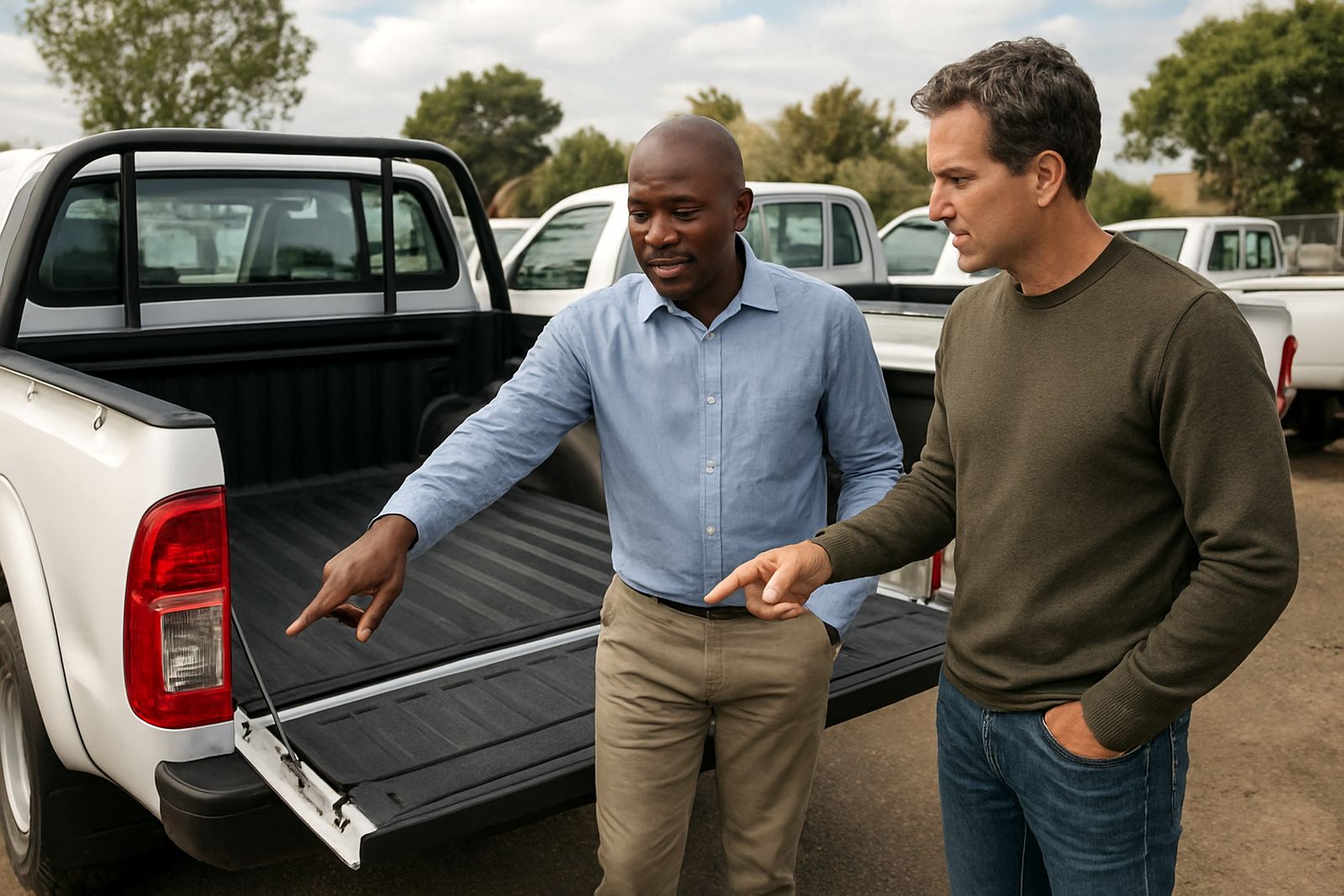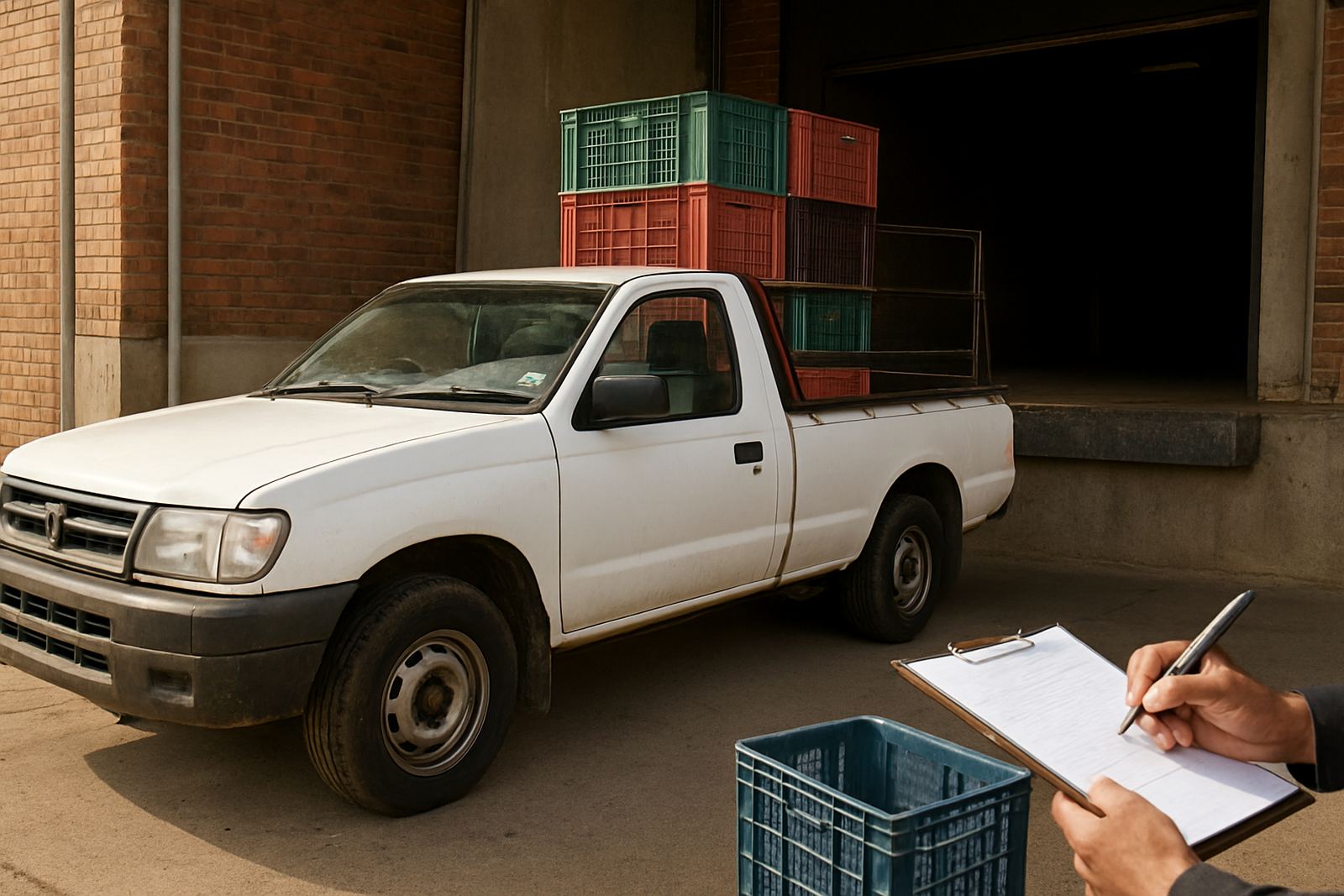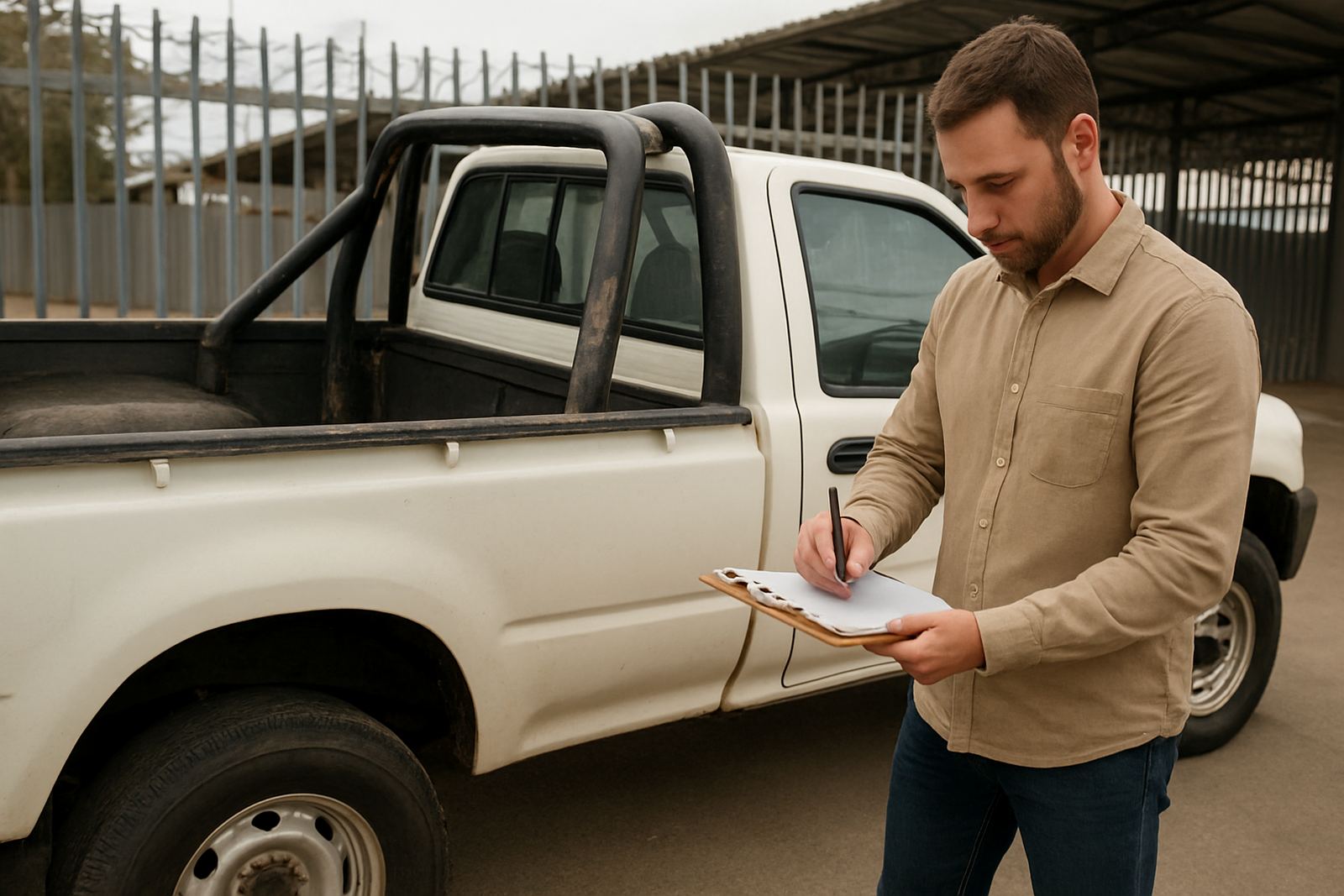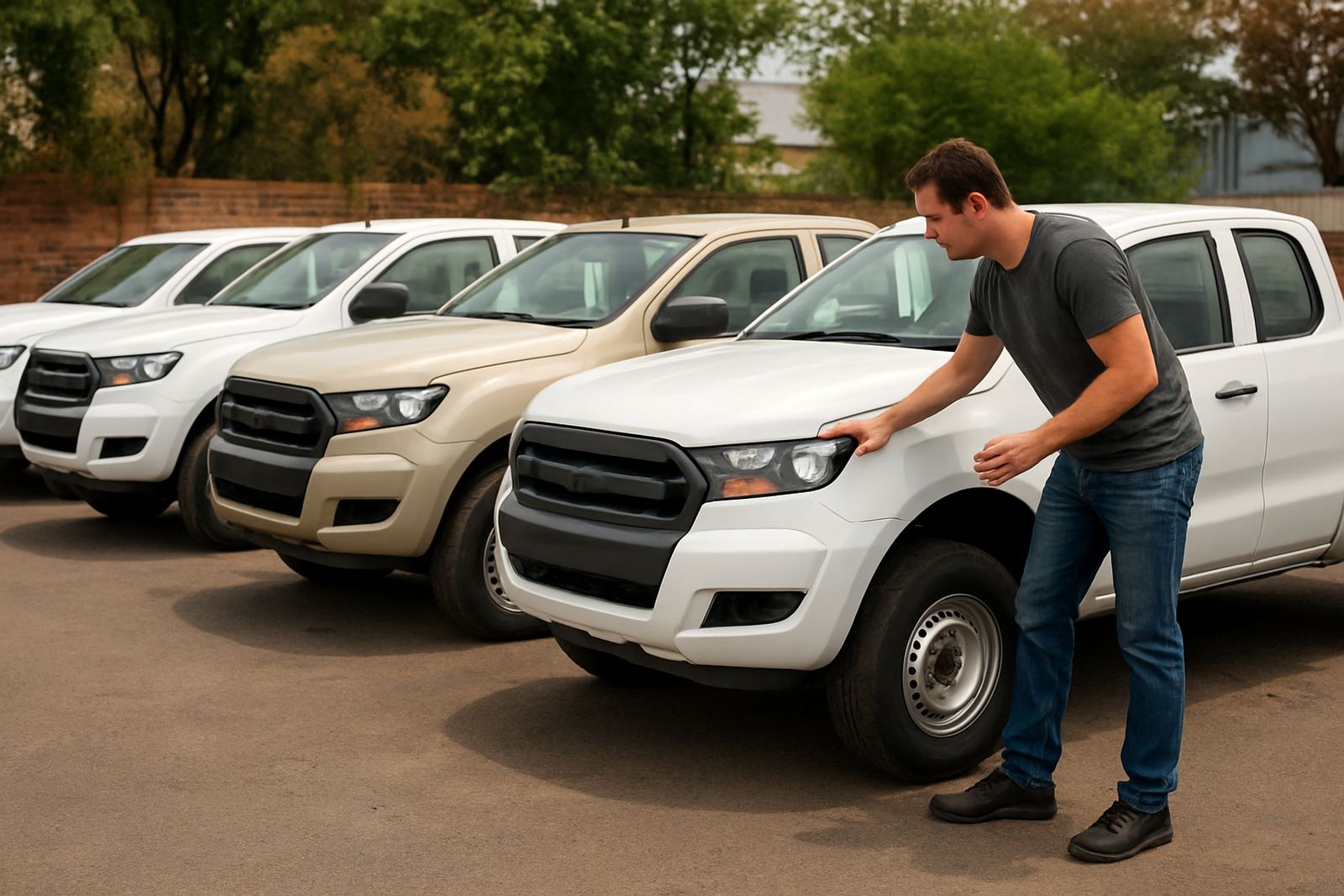
Start With the Facts Buyers Ask For First
Buyers usually decide within a few minutes whether a listing is worth a call. Start with the basics that matter most: make, model, year, mileage or load use, engine size, fuel type, transmission, axle setup and whether the vehicle is for private or business use. If it is a trailer, state the type, payload, braked or unbraked status, deck size, axle count and whether papers are in order.
Keep the wording plain and direct. A buyer in Kempton Park, Pretoria or Durban should be able to scan the listing and know if the unit suits farm work, site work, delivery work or personal use. Do not hide the main detail in the last line, and do not leave buyers guessing about condition or papers.
- Year, mileage and service history
- Load capacity, cab type or trailer size
- Paperwork status and licence details
- Any known faults, repairs or accident history
Price It for the Market, Not for Hope
Price is often the first filter buyers use. If the price is too high, the listing gets skipped. If it is too low, buyers assume there is a catch. Good price guidance starts with condition, age, usage and local demand in places like Johannesburg, East Rand, Centurion and Bloemfontein. A clean bakkie with full history will always move differently from a unit with visible wear, missing papers or heavy work use.
Be honest about what the price includes. If the vehicle has new tyres, recent brakes, a canopy or a fresh roadworthy, say so. If there are defects, list them clearly and let the asking price reflect that. Buyers appreciate a fair number more than a big story.
- Compare similar units by year and condition
- Adjust for mileage, rust, tyres and service record
- Factor in roadworthy, papers and licence fees
- Review the market again if there are no enquiries after 7 to 10 days
Use Photos That Show the Real Condition
Photos do most of the selling before a buyer speaks to anyone. Take clear images in daylight, preferably early morning or late afternoon. Avoid dark sheds, rain spots and clutter in the background. For used bakkies, show the front, rear, both sides, interior, odometer, engine bay, load bin and any damage. For trailers, show the drawbar, floor, sides, wheels, lights, hitch and number plate area.
Buyers want to see the wear and tear, not a polished story. If there is rust, dents, cracked trim or faded paint, photograph it. That honesty builds trust and cuts wasted viewings. In humid coastal areas like Durban, buyers often look closer for rust, so clean close-ups help a lot.
- Use 10 to 15 strong photos per listing
- Show every major angle and inside detail
- Include close-ups of faults and extras
- Keep the vehicle clean but do not disguise damage
Write Condition Notes That Answer Objections Early
Condition notes should make the buyer feel informed, not sold to. State the mechanical condition, body condition, tyre condition and any items that need attention. If the bakkie starts easily, idles well and has no warning lights, say that. If the trailer has a bent mudguard or needs tail lights, say that too. Clear notes reduce unnecessary calls and help serious buyers move faster.
It also helps to mention where the unit has been used. A vehicle used on a construction site in Polokwane may show more cabin wear than one used for light local deliveries. That does not make it a bad unit, but the buyer should know what they are viewing.
- List faults, even small ones
- Mention recent work or replacements
- State if the engine starts first time
- Include whether keys, spares and papers are available
Make Enquiries Easy to Follow Up
When a dealer listing is clear, the next step should be simple. Buyers should know how to enquire, when they can view, and whether collection or delivery can be arranged. If a unit is in Spartan, Kempton Park but can be viewed by appointment only, say so. If a trailer is stored off-site or needs to be brought in, make that clear before the buyer asks twice.
Buyers often compare several units at once. Assign one person to handle each enquiry, keep notes on the buyer’s needs and send the key details in one message. A half-answer often means the buyer moves on. That is true whether the enquiry comes from a dealer in Pretoria or a private buyer in Durban.
- State viewing hours or appointment rules
- Confirm where the unit is located
- Explain if collection, delivery or loading help is available
- Keep one contact person responsible for follow-up
Use a Simple Checklist Before You Publish
A final checklist helps avoid missed details and protects your time. Before a listing goes live, check that the title matches the unit, the description is accurate and the photos match the vehicle being sold. Confirm that the price is correct, the papers are ready and the contact process is working. One missing detail can delay a sale or bring in the wrong kind of buyer, which costs time on both sides.
Dealers who work across Johannesburg, Centurion, the East Rand and other parts of South Africa often deal with different buyer expectations. Some want a quick cash deal, others need to compare payload, tow rating or condition more carefully. A complete listing handles both. It keeps things tidy and helps the right buyer come through the first time, not after three follow-up calls.
- Check title, spelling and vehicle details
- Confirm price, papers and location
- Review all photos before upload
- Make sure the enquiry form is easy to find and works properly