Start with the job the bakkie must do
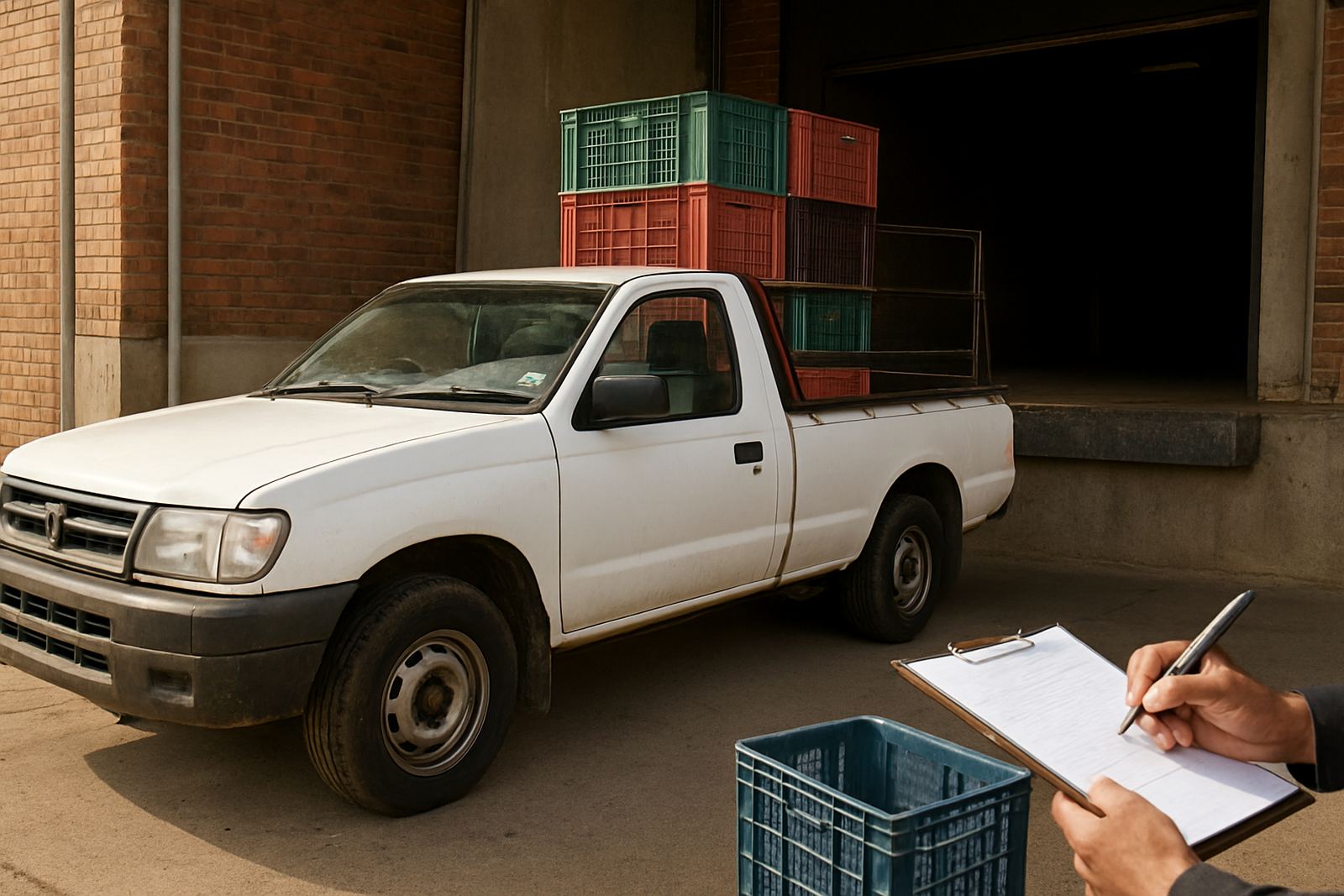
Before you look at price, define the route and the payload. A courier doing inner city drops in Johannesburg has different needs to a flower supplier running early morning loads in Durban or a building materials operator moving stock between Centurion and Pretoria. The right used bakkie should match the work, not just look tidy in photos.
Write down how many stops it will do a day, the average load, whether it will tow a trailer, and if it will stand outside overnight. Coastal humidity in Durban can speed up rust, while dust and gravel in outlying areas can punish suspension and filters. If the vehicle will idle in traffic with aircon on and lights running, the charging system must be sound because power cuts and long queuing days can expose weak batteries fast.
- Daily distance, including return trips
- Typical load weight and load size
- Need for towing, canopy or tailgate work
- Parking conditions, secure yard or street parking
- Exposure to rain, coastal air or rough roads
Check the body, load bed and chassis carefully
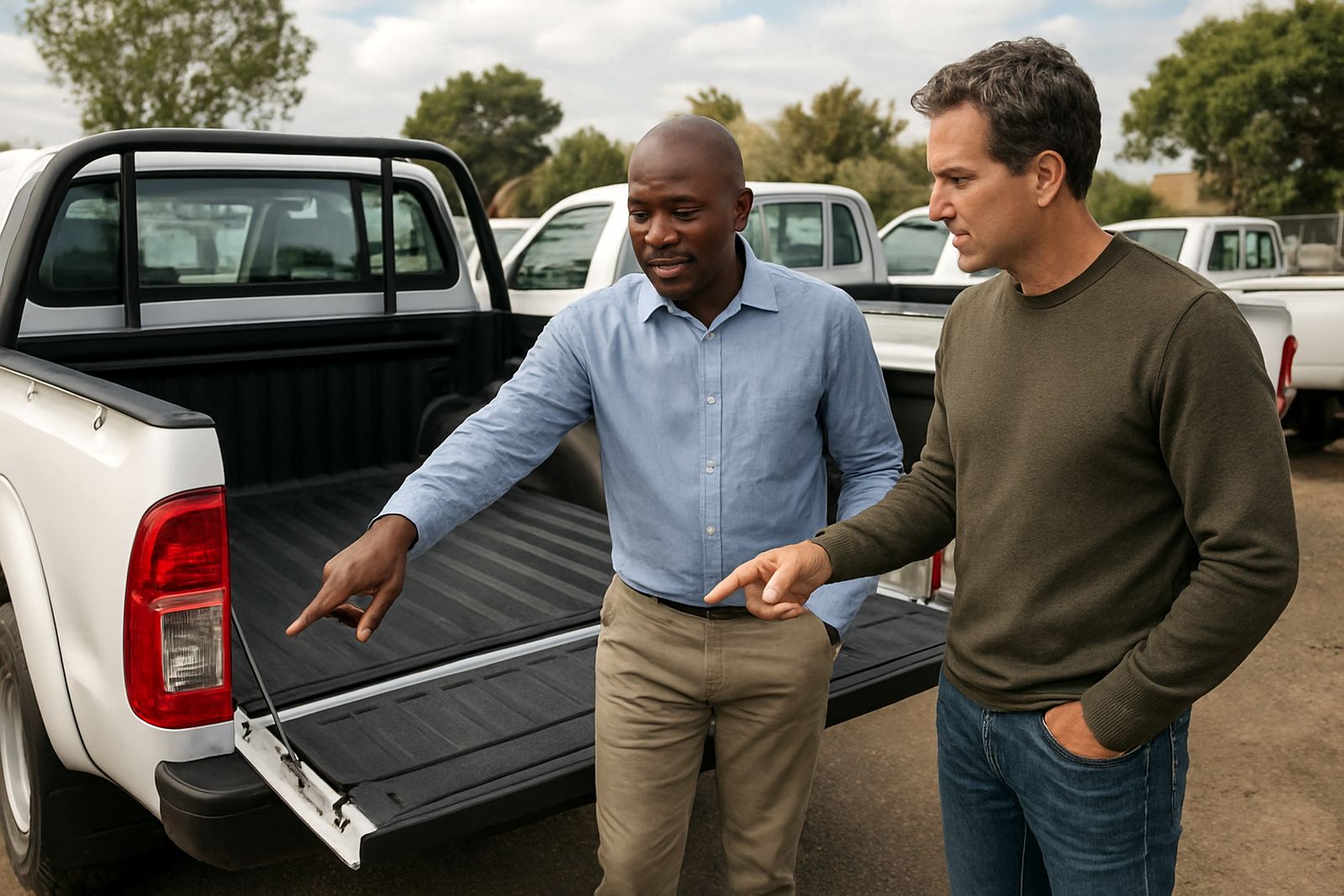
For delivery work, the body condition matters as much as the engine. Look for dents on the load bin, cracked mounts, bent bumper brackets and uneven panel gaps. A bakkie that has been overloaded may still move well but the rear springs, shackles and chassis can be stressed. On older units, inspect for rust around the wheel arches, floor, cab corners and under the rear body mounts.
Open and close all doors, tailgate and canopy fittings if fitted. Check that the load area floor is level and not patch repaired with thin metal. If the vehicle has a towbar, ask whether it was fitted for light trailer use or for regular hauling. Also check tyres for uneven wear because it can point to bad alignment, worn suspension parts or accident damage.
- Rust on chassis rails, cab steps and load bed corners
- Uneven tyre wear or one side sitting lower
- Cracked tailgate hinges, latches or canopy locks
- Signs of welding, fresh underseal or paint over damage
- Brake lines and fuel lines free of corrosion
Engine and gearbox checks that save downtime
A delivery operator needs a bakkie that starts first time and keeps going through busy weeks. Ask for cold start behaviour, service records and oil change intervals. Watch for smoke on startup, rattles, overheating and rough idling. If the vehicle has a diesel engine, confirm that it pulls cleanly under load and does not hesitate when accelerating from low speed.
The gearbox should engage smoothly without crunching, slipping or delay. Manual units must not have a clutch that bites too high or feels heavy, while automatic units should change gear cleanly on a test drive. Test the vehicle in traffic, on a hill and at cruising speed. A quick drive around the yard is not enough, and a noisy diff can become expensive fast.
- Cold start without excessive smoke
- No warning lights left on after startup
- Gear changes smooth in all ranges
- Clutch feel, pedal free play and take up point
- No overheating, leaks or coolant smell
Match carrying capacity to your real load
Many buyers focus on engine size and forget the actual payload. A bakkie can look capable but still be wrong for the job if the suspension sags with a modest load. Check the manufacturer rated payload, the condition of the rear springs and whether the tyres are load rated for what you will carry. If you use a trailer, remember that the tow load and trailer brakes matter too.
For parcel work, catering supplies or small hardware runs, a lighter bakkie can be cheaper to run. For heavier deliveries, choose a vehicle with stronger rear suspension and a stable chassis feel. Do not exceed the legal load limits, and make sure the load is secure for municipal roads, highways and industrial areas where sudden braking is common.
- Payload rating suits your average delivery weight
- Tyres have enough load index for the job
- Rear suspension is not sagging or uneven
- Brake feel is firm under load
- Tow hitch and electrics work properly if towing
Factor in running costs beyond the sticker price
The cheapest used bakkie may cost more over 12 months if it needs tyres, brakes, injectors or repeated electrical repairs. Ask what parts are easy to source locally and what the normal service intervals are. If the vehicle will be used in a business fleet, calculate fuel use, insurance, licensing, maintenance and unexpected downtime. A day off the road can cost more than a small price difference at purchase.
Also check whether the bakkie has extras that help in delivery work, such as a canopy, rubberised load bed, reverse sensors or a secure lock box. These can save time and reduce breakages. Still, extras should never hide poor mechanical condition. A neat canopy is not worth much if the engine is tired or the frame has been repaired badly.
- Fuel use based on your route and payload
- Service parts and tyre replacement costs
- Insurance class and licence fees
- Expected downtime for repairs or servicing
- Value of useful extras versus repair risk
Use a proper inspection and delivery checklist before buying
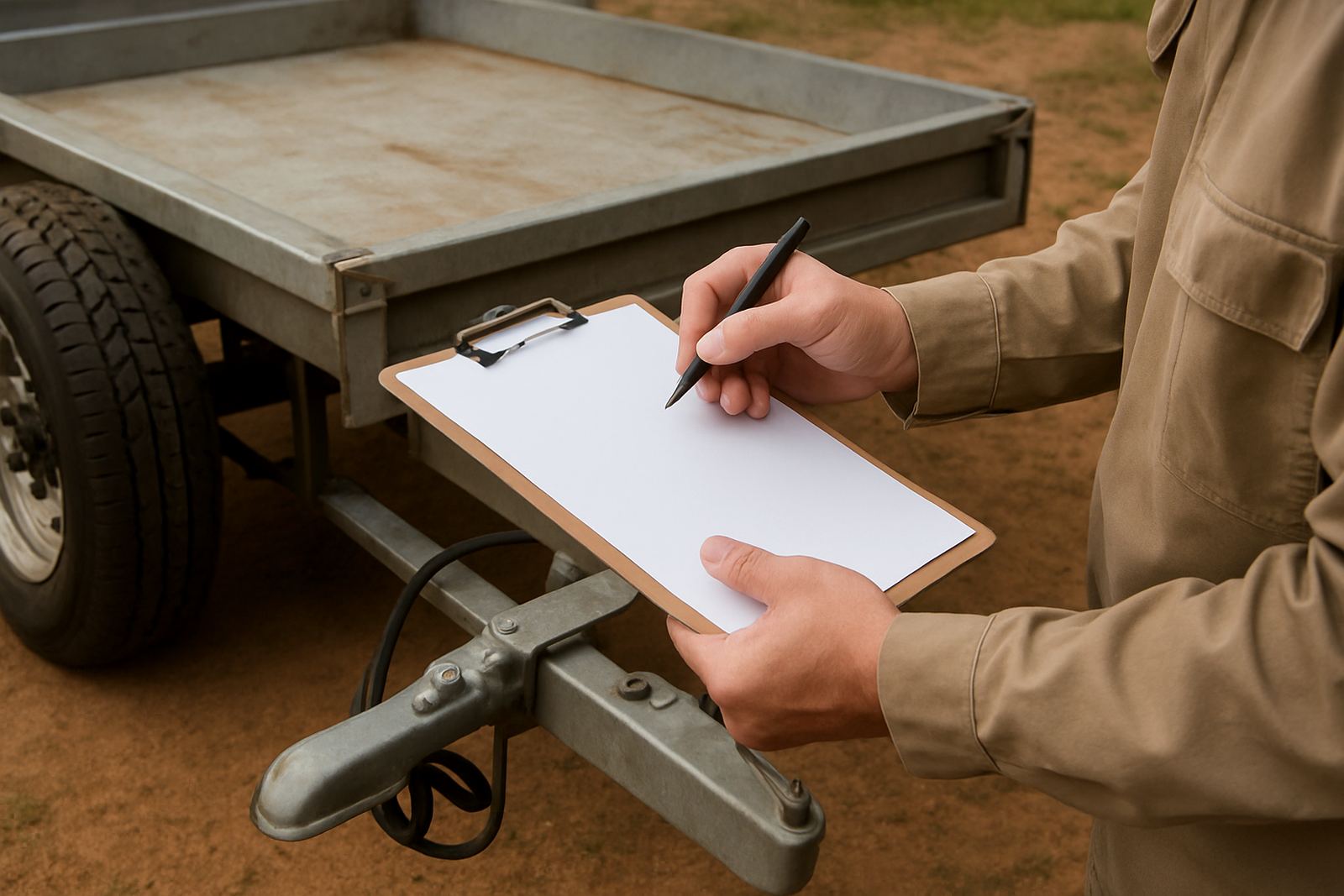
Buyers should inspect the bakkie in daylight, with the engine cold if possible. Bring a torch, test drive the vehicle and ask for the registration papers, service history and any accident repair notes. If you cannot attend in person, request clear condition reporting and recent photos of the engine bay, load bed, underbody and all four corners. A quick viewing is not enough when the vehicle will earn money every day.
For sellers and dealers, having the vehicle cleaned, tyres inflated and faults listed upfront helps the sale move faster. For buyers, a simple checklist keeps the process practical and reduces surprises after delivery. If the vehicle needs collection or delivery to another province, confirm timing, route access and who is responsible for loading and handover.
- Registration papers available and details match the vehicle
- VIN, engine number and licence details checked
- Road test done with brakes steering and suspension noted
- Body, tyres, lights and load area inspected
- Collection, handover and delivery arrangements confirmed
Across Kempton Park, Johannesburg, Pretoria, Polokwane, Bloemfontein, Durban, the East Rand and Centurion, we help sellers and buyers make these checks with less guesswork. For delivery operators, the goal is simple: buy a bakkie that is fit for the route, the load and the daily grind, not just one that looks ready on the day.