1. Start With The Job The Bakkie Must Do
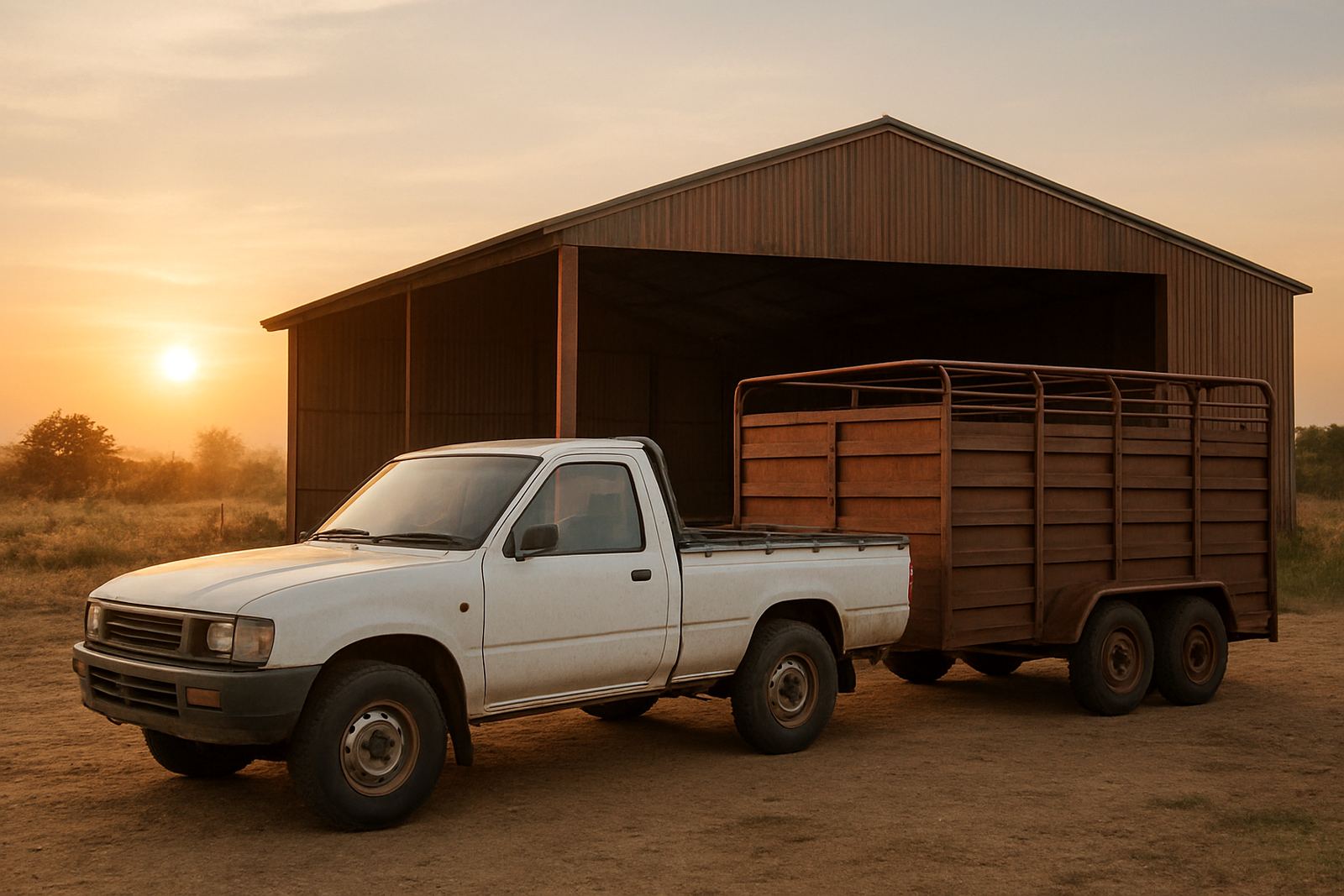
Before you look at mileage or colour, pin down the work the bakkie must handle. A plumbing crew in Kempton Park will need different specs from a small courier business in Pretoria or a contractor running between Bloemfontein and surrounding towns. Think about payload, daily distance, trailer use, and whether the vehicle will spend time in town traffic, on gravel, or on coastal routes where rust can become a problem.
Write the job down in plain terms. If the bakkie will carry tools, ladders, building materials, or stock, measure the average load and the heaviest load. If it will tow a trailer, make sure the towing setup matches what you actually move. A 1 ton load on paper is not the same as repeated heavy use every day, so leave yourself some margin.
- Typical load in kilograms
- Average daily travel distance
- Need for towbar or canopy
- City, highway, gravel, or mixed use
- Parking space and security at the business premises
2. Match Engine, Fuel Use, And Service Costs To Your Budget
A used work bakkie should fit the business financially, not just on the purchase price. Fuel use matters if your team drives from Spartan to Johannesburg, Centurion, or Durban every week. So do service intervals, tyre size, and the cost of common wear items like brakes, suspension parts, and clutches. A cheaper purchase can turn expensive if parts are hard to find or fuel use is high.
Diesel models often make sense for long distance work and towing, while petrol can suit lighter duty and shorter trips. The right choice depends on usage, not assumptions. Ask what the bakkie was used for before. A delivery vehicle with stop-start driving and heavy loads may show more wear than a bakkie that did mostly highway kilometres.
- Check fuel consumption against your monthly budget
- Ask for full service history where available
- Find out when the timing belt or major service was last done
- Confirm the cost of tyres in the correct size
- Look at clutch and suspension replacement history
3. Inspect The Body, Load Bay, And Chassis Properly
The body tells you a lot about how the bakkie was treated. Walk around slowly and look for uneven panel gaps, overspray, dents, signs of accident repair, and rust around the wheel arches, floor edges, and under the doors. In coastal areas such as Durban, corrosion can creep in faster, especially on older work vehicles. A clean polish can hide a lot, so look closely in daylight.
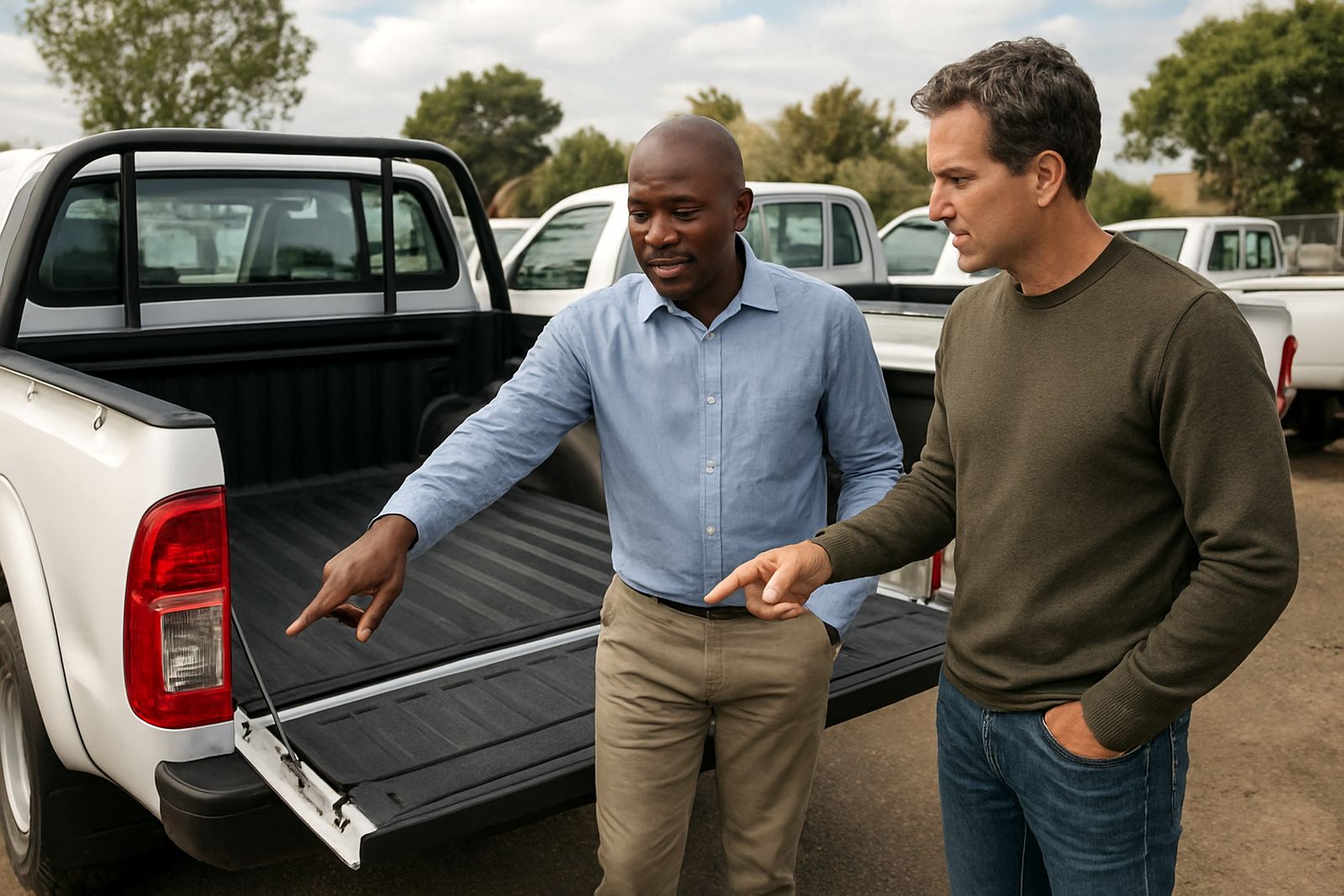
Open the bonnet and check for leaks, worn belts, cracked hoses, and messy repairs. Underneath, inspect the chassis for bends, welding, or heavy rust. In the load bay, check whether the floor is twisted, whether tie-down points are still strong, and whether the tailgate opens and closes properly. A bakkie that has hauled bricks or machinery hard may still look decent from a distance, but the load area usually tells the truth.
- Rust on chassis rails, door bottoms, and load bay edges
- Signs of flood damage or standing water
- Uneven tyre wear, which can point to alignment issues
- Broken lights, mirrors, handles, or seals
- Evidence of repeated overloading or hard towing
4. Check The Mechanical Basics Before You Commit
A quick test drive is not enough. Start the engine from cold if possible and listen for knocks, rattles, or smoke. The idle should settle properly and the vehicle should pull away without hesitation. If the gearbox is manual, make sure gears engage cleanly. If it is automatic, changes should feel smooth, not delayed or harsh. Test the brakes at low and medium speed, and try steering lock to lock for noise or vibration.
Do not ignore warning lights on the cluster. They can be small signs of bigger problems, especially on work vehicles that have seen long days and rough roads. Test the aircon too, because a broken cooling system can be a major issue for teams working in summer heat or spending hours on the road. If the bakkie will be used for deliveries in power cuts affected areas, check that the battery is in good shape and starts reliably after standing.
- Cold start without excessive smoke
- Steady idle and smooth acceleration
- Clean gear changes and no clutch slip
- Brakes without pulling left or right
- No dashboard warning lights
- Aircon, wipers, lights, and windows working properly
5. Paperwork And Compliance You Should Not Skip
Before any money changes hands, make sure the paperwork matches the vehicle. The registration details, VIN, engine number, and licence information must line up. For business use, this matters because a missing or incorrect document can delay transfer and create headaches later. If the bakkie has been used for commercial work, ask whether there are any outstanding finance issues, fines, or ownership complications.
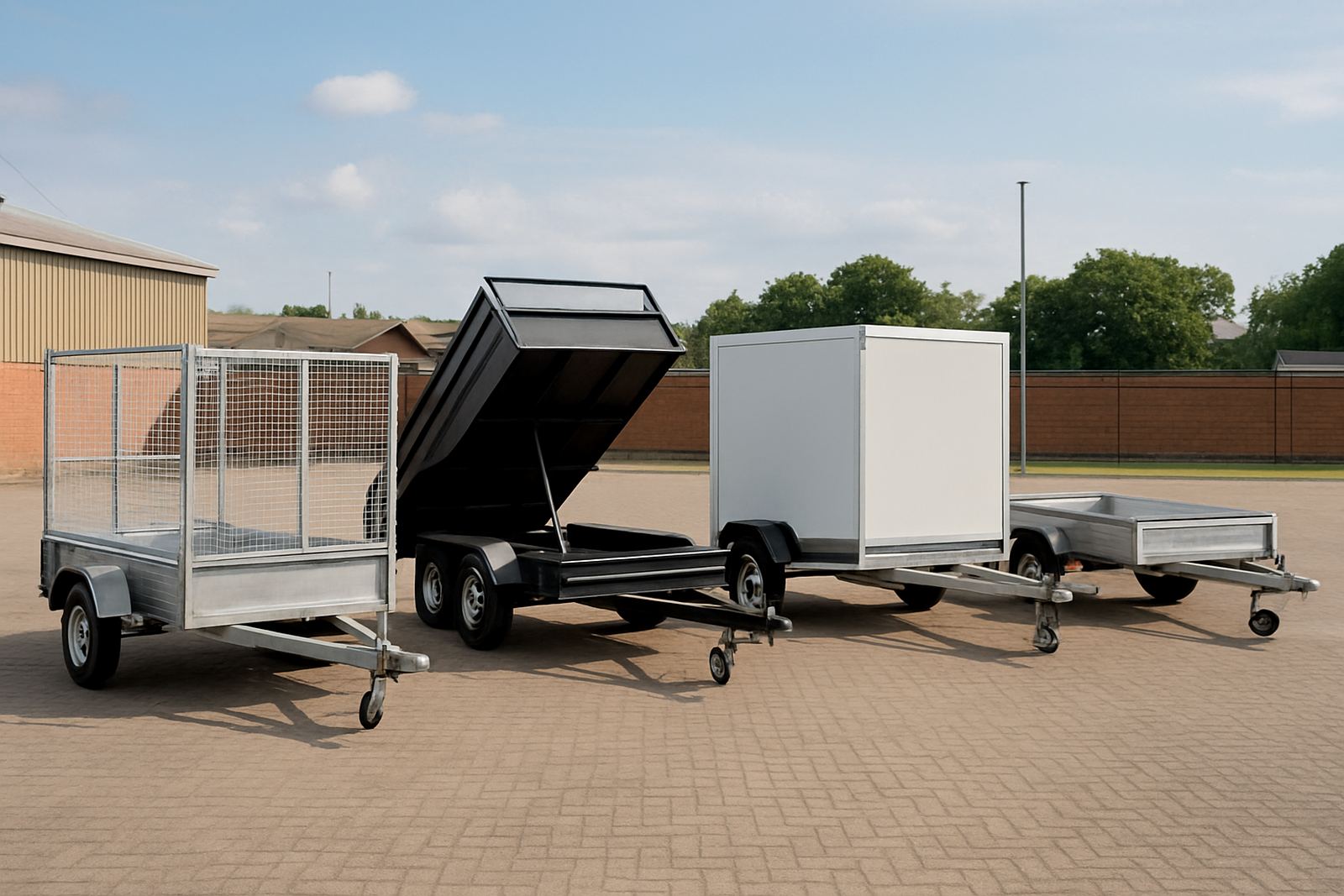
If you plan to use a trailer with the bakkie, check that the towbar and trailer setup are legal for the intended load. Depending on what the business does, you may also need to consider municipal parking rules, operating permissions, or route restrictions. This is especially important for regular work in busy areas like Johannesburg, Pretoria, and the East Rand where enforcement can be strict and time is money.
- VIN and engine number match the documents
- Licence disc is current or transfer can be completed properly
- Ownership status is clear
- Service records and invoices are available
- Towbar and load setup suit the intended use
6. Do A Realistic Test Drive And Compare Your Options
Take the bakkie on roads similar to where it will work. A short trip on smooth suburban streets is not enough if it will spend its life on mixed routes between Kempton Park, Centurion, and Pretoria, or on delivery runs that include rough access roads. Drive at low speed, cruising speed, and with a few stops. Listen for suspension knocks, rattles, and wheel bearing noise.
Compare at least two or three options before deciding. One bakkie may have higher mileage but better service history and fewer signs of abuse. Another may be cheaper upfront but need tyres, brakes, and a suspension refresh straight away. The best value is often the vehicle that can return to work with the least delay and the fewest surprises, not the cheapest listing.
If you are buying for a team, involve the person who will drive it daily. A practical driver will notice things others miss, like seating comfort, pedal feel, mirror visibility, and whether the cab space actually works for tools or paperwork. That saves time later and helps you choose a bakkie that can earn from day one.