What Farmers Usually Need Transport For
On a working farm, transport has to do more than carry a few bags. It needs to handle water drums, fertiliser, spare tyres, fencing wire, feed, tools and sometimes livestock gear, all while coping with rough roads and early starts. In many parts of South Africa that means a used bakkie with good ground clearance, a trailer that brakes properly and a set-up that is easy to clean after mud or dust.
Buyers usually come to us when they need something practical for daily runs between sheds, grazing camps and suppliers in town. Some want one bakkie for the whole family and the business, while others need a second vehicle just for farm tasks. The right choice depends on payload, towing need, fuel use and whether the vehicle will spend most of its time on gravel or tar.
Typical Farm Set-Ups We See Every Week
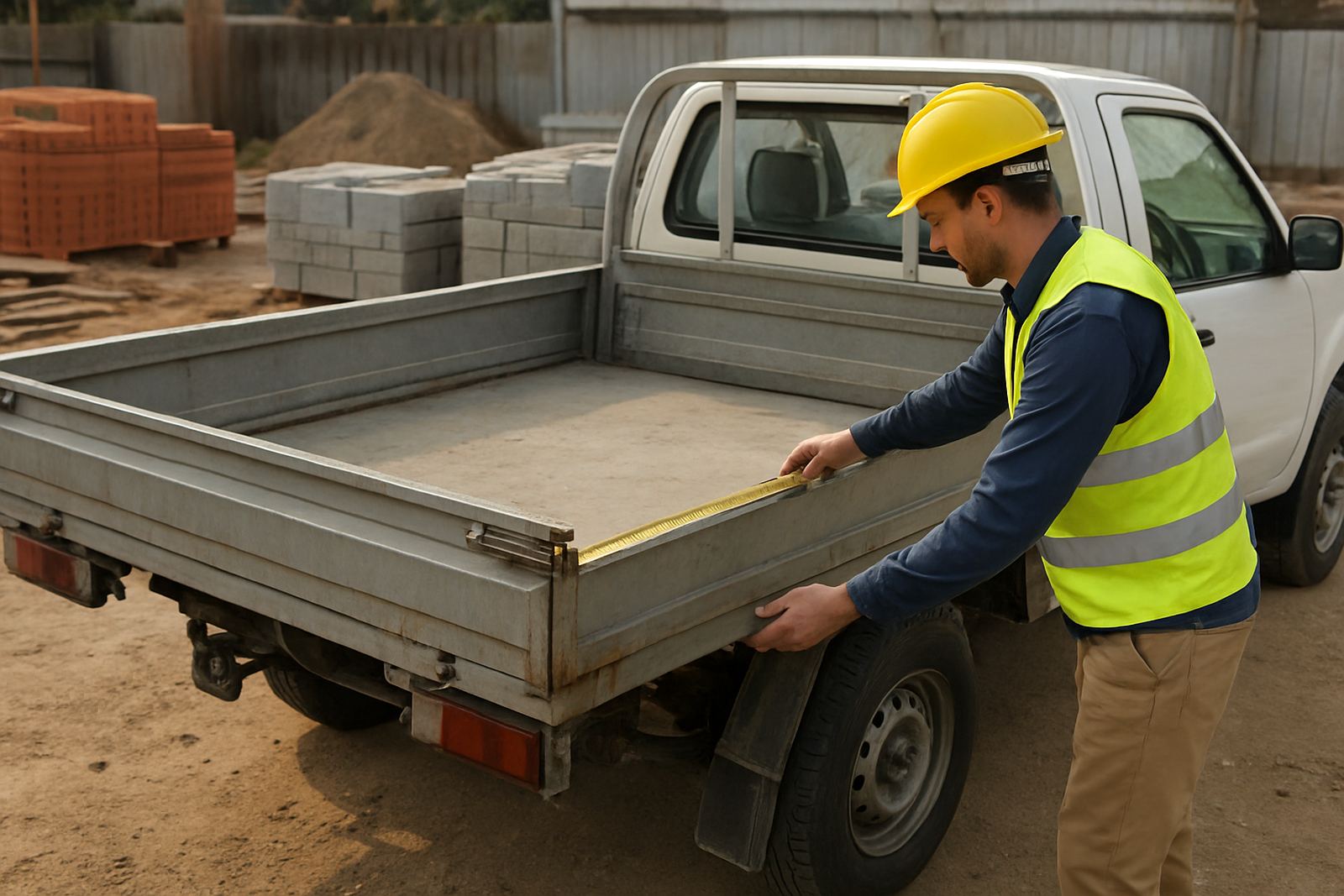
Farm buyers often look for a simple, reliable mix rather than something fancy. A single-cab bakkie with a strong load bin is common for fencing crews and produce runs, while a double-cab can suit farms where the vehicle must also move staff or family members. A trailer can be just as important, especially for bulky loads that do not fit safely on the back.
- Single-cab bakkie for tools, feed and repair work
- Double-cab bakkie for staff movement and mixed use
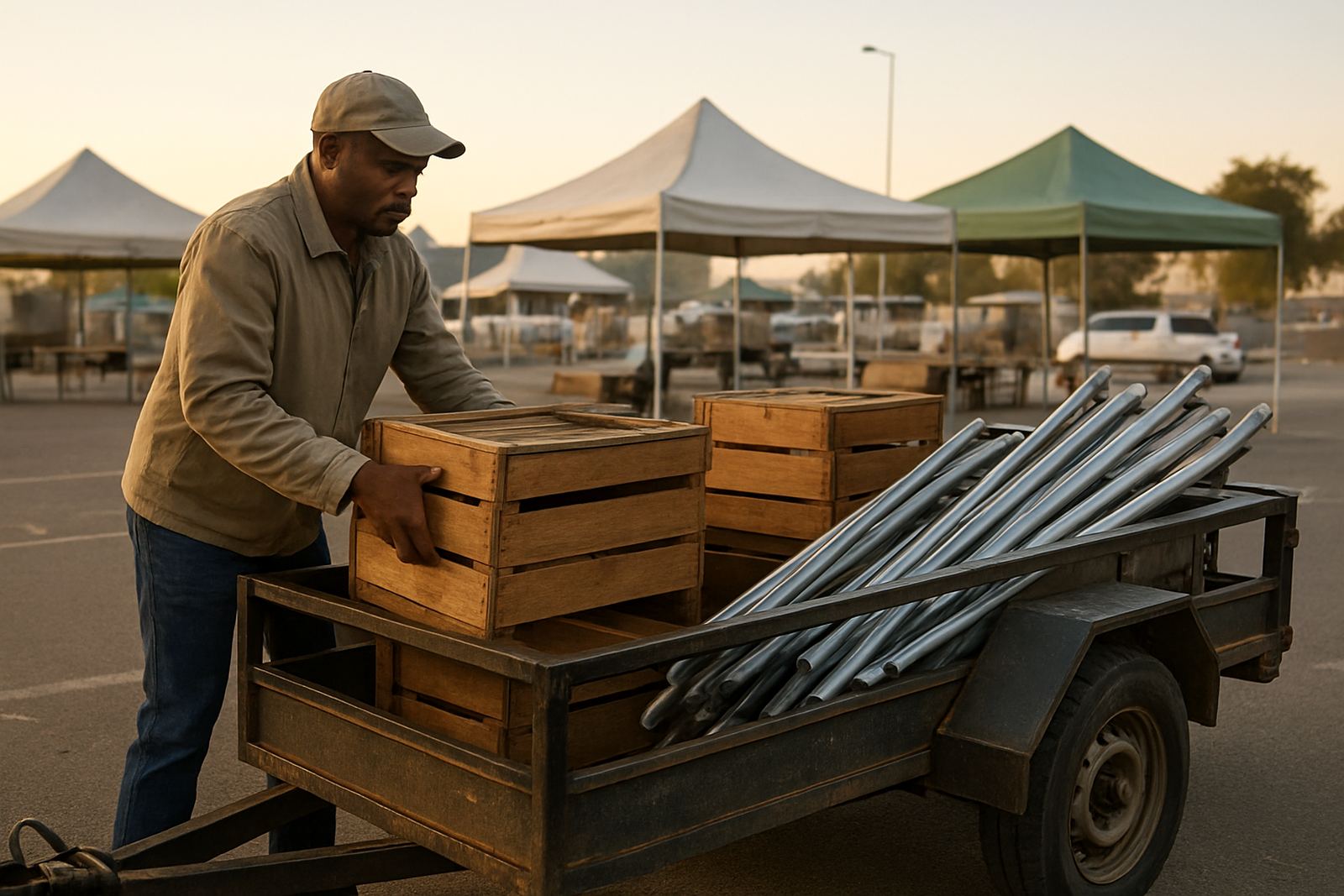
- Flatbed trailer for bales, crates and irrigation gear
- Enclosed trailer for valuable equipment and dry storage
- Heavy-duty trailer for gates, posts and timber
For farms near Durban or other coastal areas, rust and corrosion matter more, so inspection has to pay attention to the underside, wiring and tray condition. Inland buyers around Polokwane, Bloemfontein and the East Rand often worry more about suspension wear, dust and previous overloading.
How To Plan The Right Layout Before You Buy
Good planning starts with a list of the jobs the vehicle must handle in a normal month. Think about how often you will tow, the weight you move, where you load from and whether the roads are steep or uneven. If you need to reverse often into narrow yards or cattle handling areas, turning circle and mirror placement matter more than people expect.
It also helps to plan the load layout before the purchase. A bakkie with a canopy, tie-down points and a non-slip floor may suit seed, smaller tools and market produce. A trailer with side rails may suit hay and feed, while a low-sided flatbed is better for plant and building material. If you are running a mixed farm, a vehicle that can do two jobs well is usually better than one that does five jobs poorly.
We also remind buyers to think about daily realities like power cuts, access gate widths and municipal by-laws in town. If a trailer will be parked on a narrow property or used on public roads near Kempton Park or Centurion, its size and brake setup need to make sense from day one.
Inspection Points Farmers Should Never Skip
Used farm transport can look fine at first glance and still cost a lot later. That is why a proper pre-sale inspection matters. We check the basics that affect working life, not just the paint and shine. A bakkie with hidden clutch trouble or a trailer with a damaged drawbar can stop a busy week fast, and that is money lost.
- Engine starting and idle quality when cold
- Gearbox action and clutch feel under load
- Brake condition, steering play and suspension wear
- Tyre age, tread depth and spare wheel condition
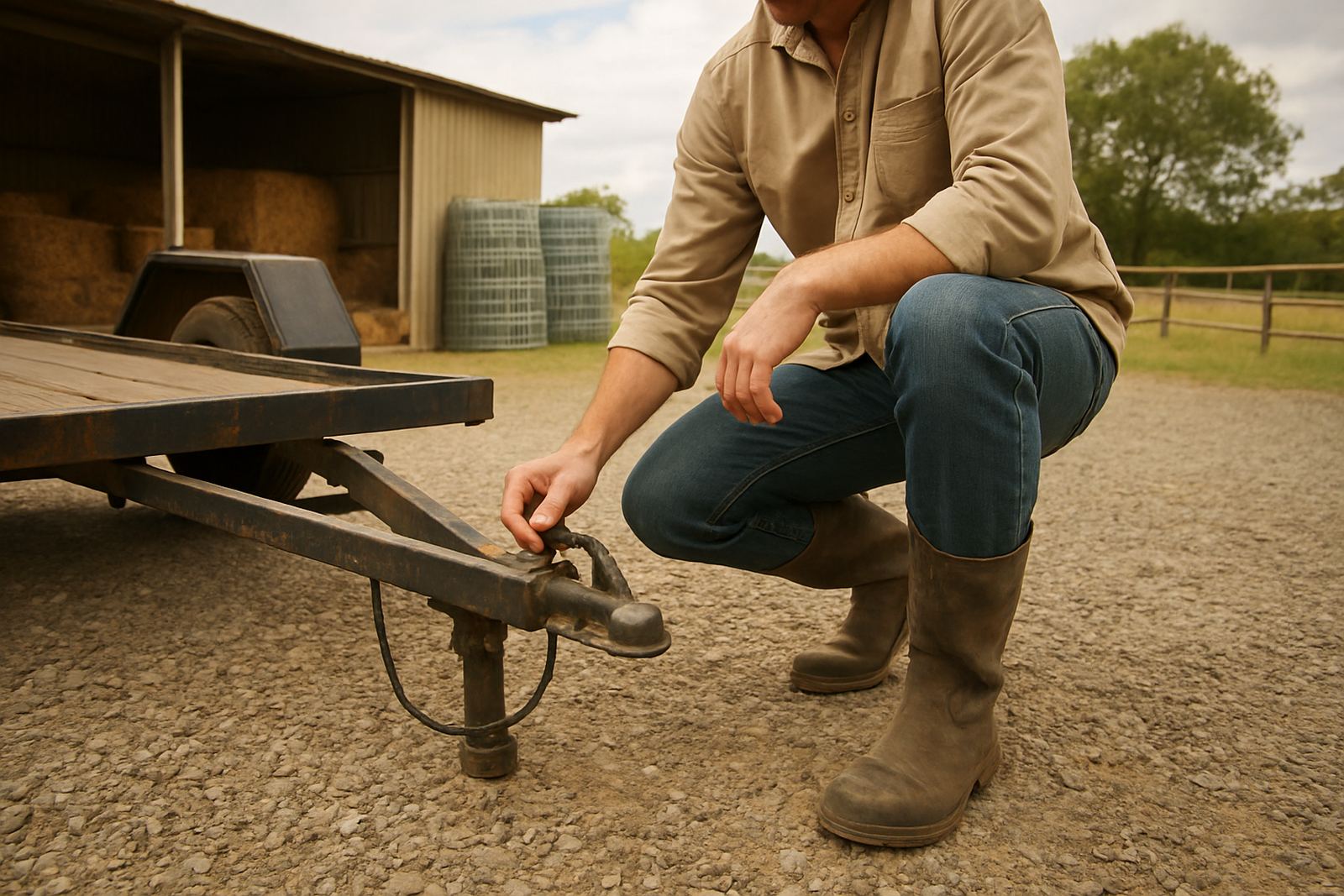
- Trailer floor, lights, coupler and safety chains
- Signs of accident repair, rust or water damage
If a vehicle has been working on farms before, we also look for signs of overload and poor maintenance. Cracked leaf springs, bent tow bars and uneven tyre wear are common warnings. A careful check now is cheaper than standing at the side of a gravel road later with a load you cannot move.
Budget Ranges That Make Sense In Rand
Farm buyers often ask what they should plan to spend, and the answer depends on condition, towing need and age. In the used market, a practical working bakkie can be quoted per job for older, basic units, while better-kept or newer examples can be quoted per job. Heavier-duty or low-kilometre vehicles can sit above that, especially if they have a full service record. Ask for a quote
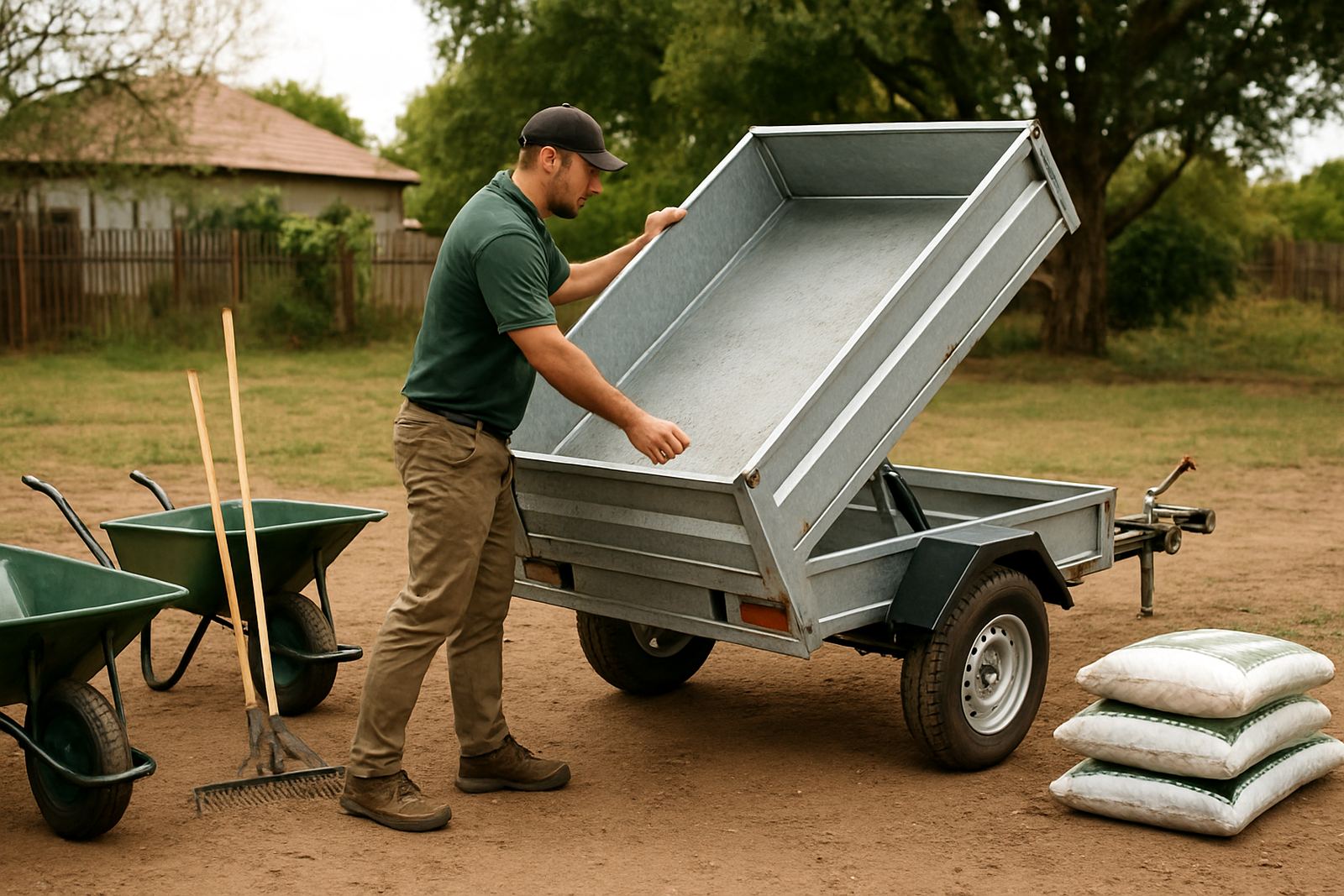
Trailers vary just as much. A small utility trailer may be available is quoted per job, while a stronger flatbed or enclosed trailer is quoted per job depending on size and condition. Buyers should also set aside money for registration, tyres, minor repairs and any practical extras like tarpaulins, tie-down points or a canopy. Ask for a quote
It is tempting to buy the cheapest option, but on a farm the lowest price can become the highest cost. A fair purchase with decent tyres and sound brakes often pays back quicker than a bargain that needs constant attention.
Matching Buyers And Sellers Across Farming Areas
Buy Those works with private sellers and dealers across South Africa, which helps farmers compare options without driving everywhere. Our base in Spartan, Kempton Park gives us access to busy Gauteng stock, while our team supports listings, inspections and delivery arrangements into Johannesburg, Pretoria, Polokwane, Bloemfontein and Durban. That helps when a buyer needs a vehicle quickly for harvest, spraying, deliveries or repair work.
We help with vehicle listings, trailer listings, buyer matching, condition reporting and viewing arrangements, so the process stays practical. Sellers get support with photo packages and price guidance, while buyers get clearer information before they travel. If a machine is in the wrong town, Morne and the logistics team can help with collection and delivery arrangements so the handover does not become a week-long problem.
Common Mistakes Farmers Can Avoid
A lot of farm buyers make the same few mistakes. They choose a vehicle for occasional use instead of daily work, forget to check towing capacity, or buy a trailer that is too small for the real load. Another common error is ignoring service history because the vehicle still starts well on the day. It’s a short cut that often costs more later.
- Buying for colour instead of carrying capacity
- Forgetting about gravel-road wear and dust ingress
- Underestimating braking needs on hills and with trailers
- Skipping paperwork on registration and roadworthiness
- Not checking whether the load plan suits gate widths and yards
For farmers, the best result is not the flashiest vehicle, but the one that keeps moving through busy weeks. If the bakkie can handle the road, the trailer can carry the load and the paperwork is in order, the whole operation runs more smoothly.