What contractors look for on a working site
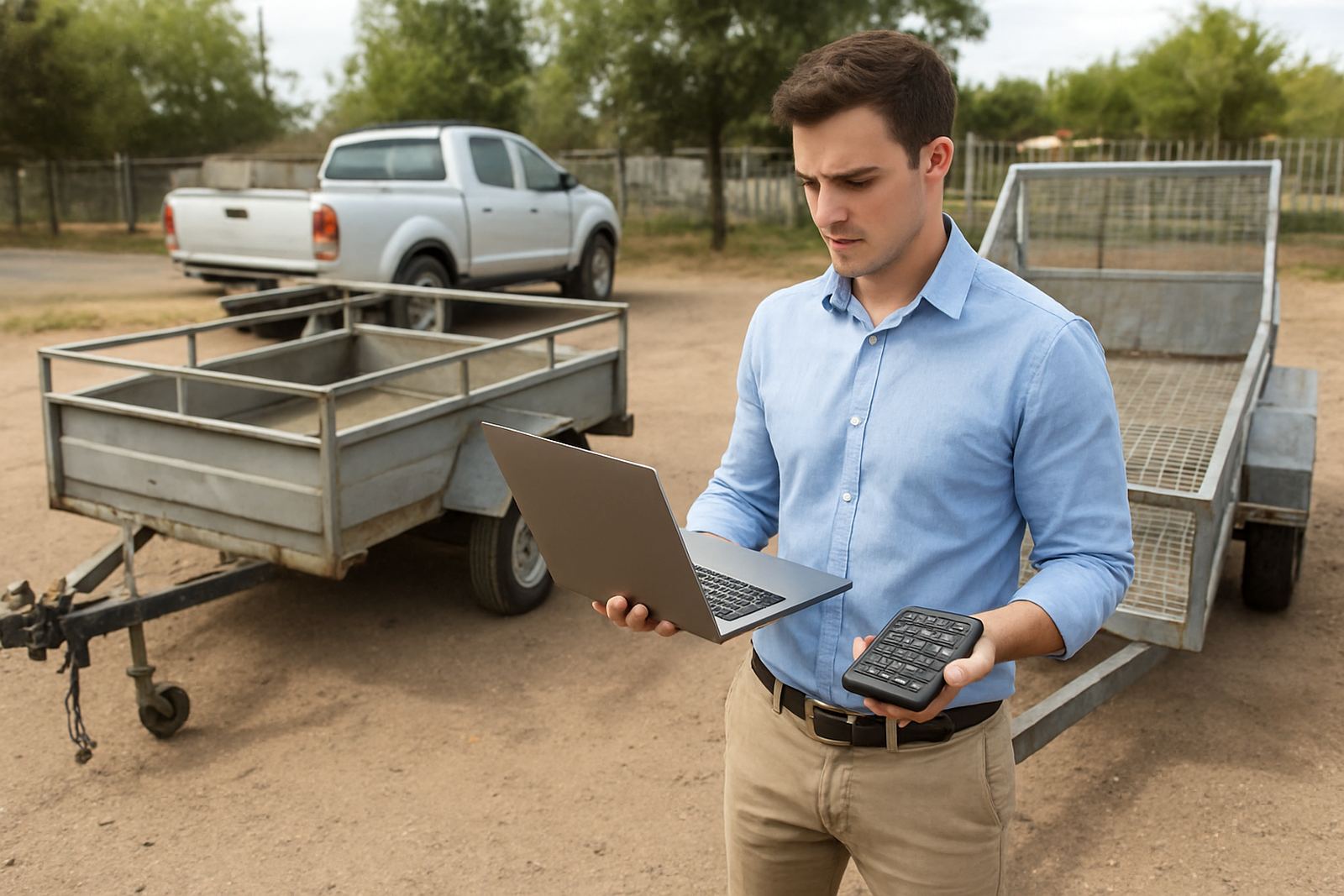
For contractors, the right unit is not about looks. It is about getting men, tools and materials onto site, then getting everything home again without breakdowns. Many buyers start with a bakkie for daily site runs and add a trailer for cement, ladders, pipe, scaffolding, timber or rubble removal. In Gauteng, especially around Kempton Park and the East Rand, tight access, loading bays and busy traffic mean turning circle and payload matter just as much as engine size.
Typical buys include single-cab bakkies for heavier loads, double-cabs for mixed crew and cargo use, and enclosed or flatbed trailers for secure transport. On coastal routes to Durban, buyers often ask about corrosion, wiring and brakes because humidity can punish neglected equipment. If a unit has spent time on rough gravel, check the suspension, tow bar, tray condition and any sign of overloading. A neat service history helps, but on this kind of equipment a proper physical inspection matters more.
- Single-cab bakkies for tools, fittings and heavier site loads
- Double-cabs for supervisor transport and smaller daily deliveries
- Trailers for materials, waste removal and flexible site logistics
- Canopies, lockable toolboxes and load restraints for security
Planning the right mix of vehicle and trailer
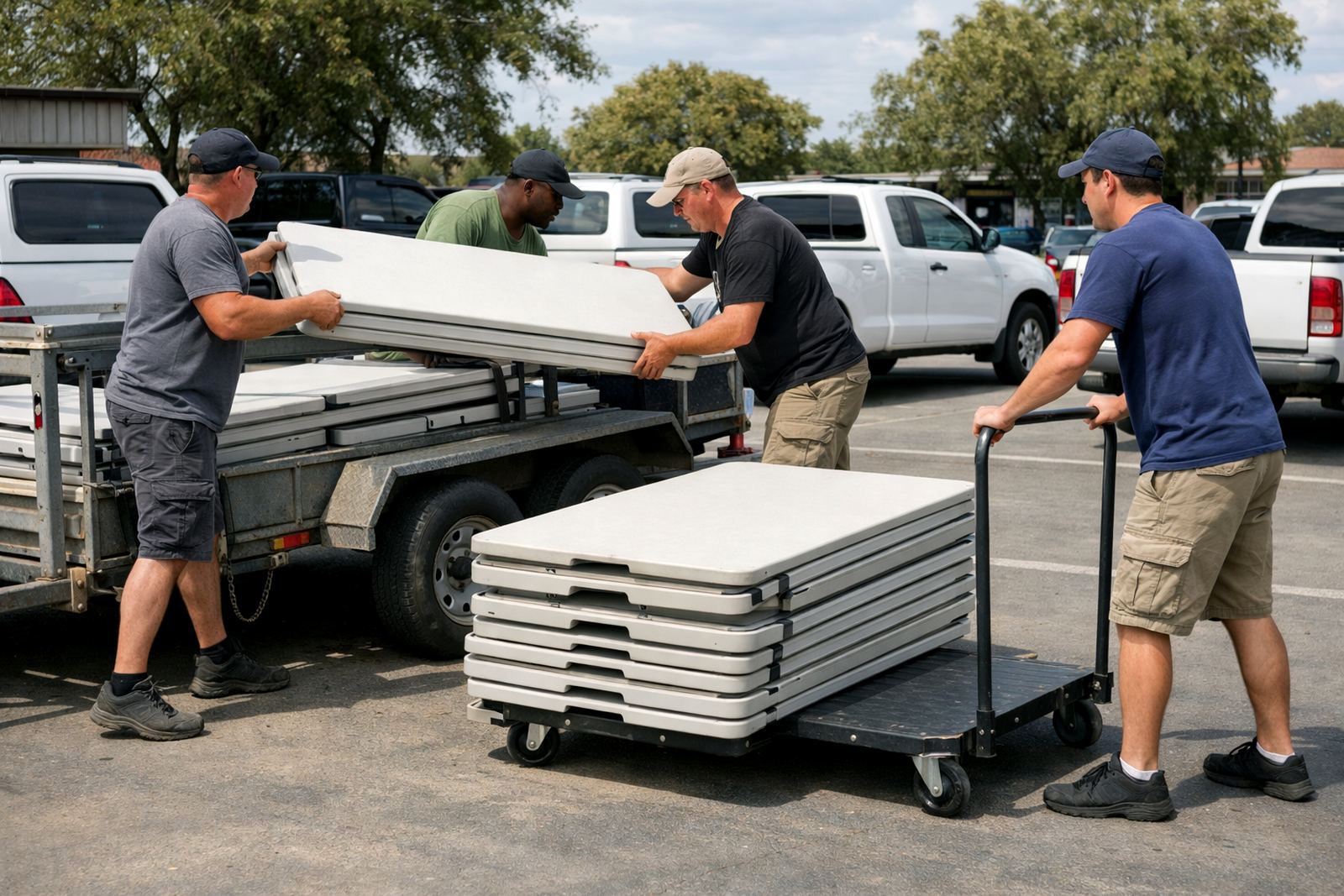
The best setup depends on the type of work. A plumbing or electrical contractor may need a reliable bakkie with secure storage, while a building crew often benefits from a bakkie and trailer combination to shift sand, bricks or timber. If access roads are narrow or the site is in a township with tight parking, shorter wheelbase units are easier to handle. For farms and remote work around Polokwane or Bloemfontein, ground clearance and fuel use become more important.
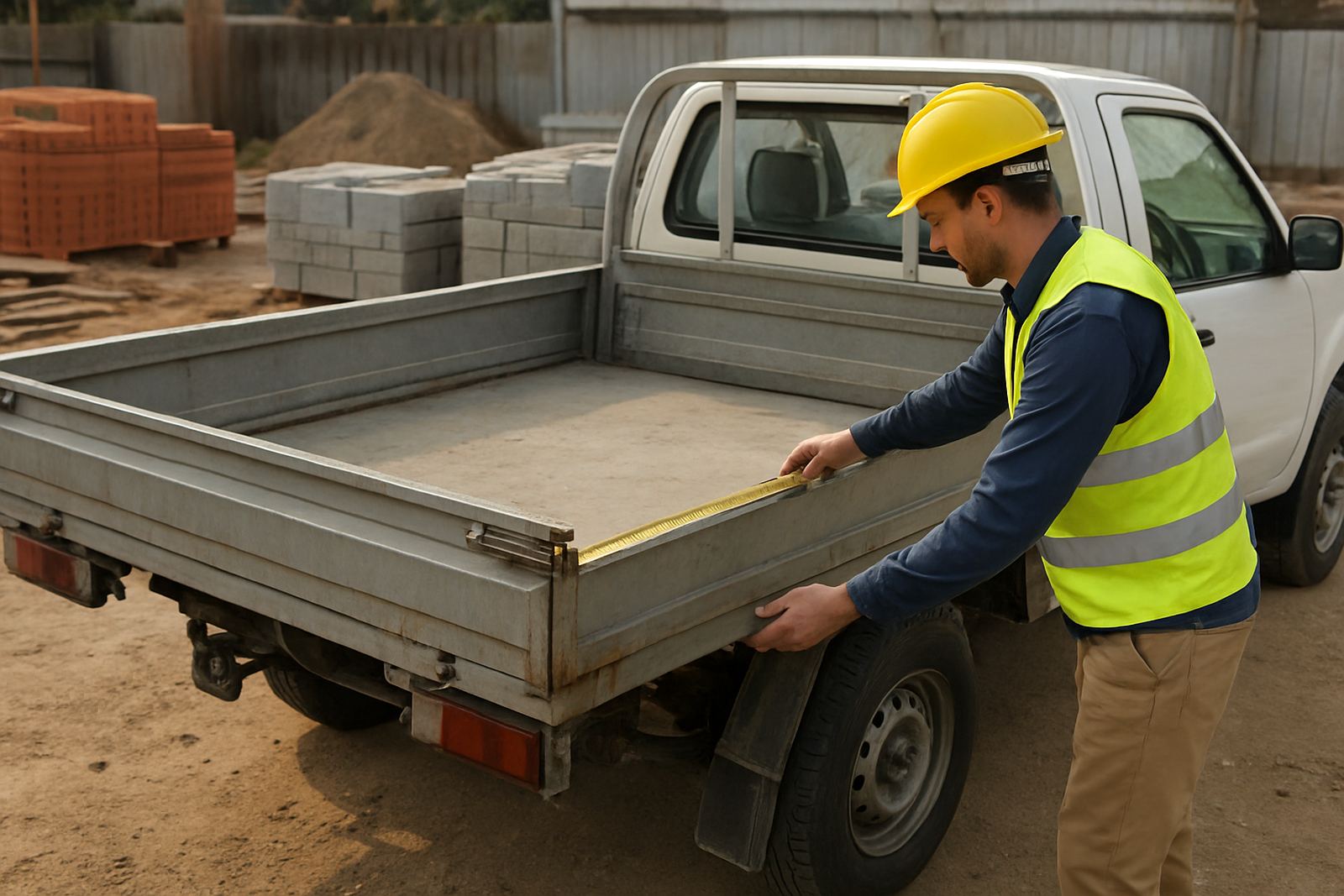
Before buying, plan around what is carried most often, not the biggest job of the month. Too many buyers choose a trailer that is too large, then struggle with reversing on uneven ground or at a municipal depot. Others buy a bakkie with no thought for towing capacity and end up stressed on every trip. A simple plan saves money and keeps the fleet usable, not just impressive.
- Measure the longest and widest regular load before you shop
- Check towing capacity, axle condition and brake setup before payment
- Allow space for ladders, pipes and long material offcuts
- Think about where the unit will park at night and who will use it
Budget ranges that make sense in Rand
Contractor buyers often work to a practical budget and need to know what they can get for the money. At the lower end, older work-ready bakkies and basic trailers can be found a quoted price, depending on condition, mileage and repairs needed. Mid-range options with better tyres, cleaner bodies and stronger paperwork is quoted per job. Well-kept late-model units or fitted-out contractor combinations can move beyond a quoted price. Ask for a quote
It is worth keeping a reserve for immediate work after purchase. A trailer might need new lights, bearings or a floor repair. A bakkie may need tyres, a battery or a service before it can be put straight onto site. Some buyers set aside 10 percent to 15 percent of the purchase price for first repairs and registration costs. That small buffer helps avoid pressure when the first invoice comes in, because nothing goes according to plan every time.
- A quoted price for older entry-level units Ask for a quote
- A quoted price for solid mid-range choices Ask for a quote
- A quoted price for cleaner, later-model or fitted-out units Ask for a quote
- Keep a repair reserve for tyres, brakes, lights and servicing
Selling contractor units without losing time
Many contractors sell after a project ends or when they need to refresh the fleet. A clean listing helps the right buyer understand the value quickly. Good photos, accurate measurements and a clear description of what is included make a big difference. If the bakkie has a canopy, tow bar, ladder rack, tool drawers or a custom trailer floor, those details should be shown clearly. Buyers want to know exactly what they are getting, not a vague story.
Private sellers and dealers in Kempton Park, Johannesburg, Pretoria, Centurion and beyond often need a quicker route to market than a general advert can give. Buy Those supports listings, buyer matching and viewing arrangements so contractors do not waste days answering the same questions. A proper condition report also helps prevent disputes later, because equipment used on site can show wear that a casual buyer may miss. Small detail now can save a long argument later.
- Take photos in daylight with the load area empty and clean
- Show tyres, tow points, hinges, floor plates and any damage
- List mileage, service details and recent work done
- State whether viewing, collection or delivery is needed
Inspection points that catch expensive mistakes
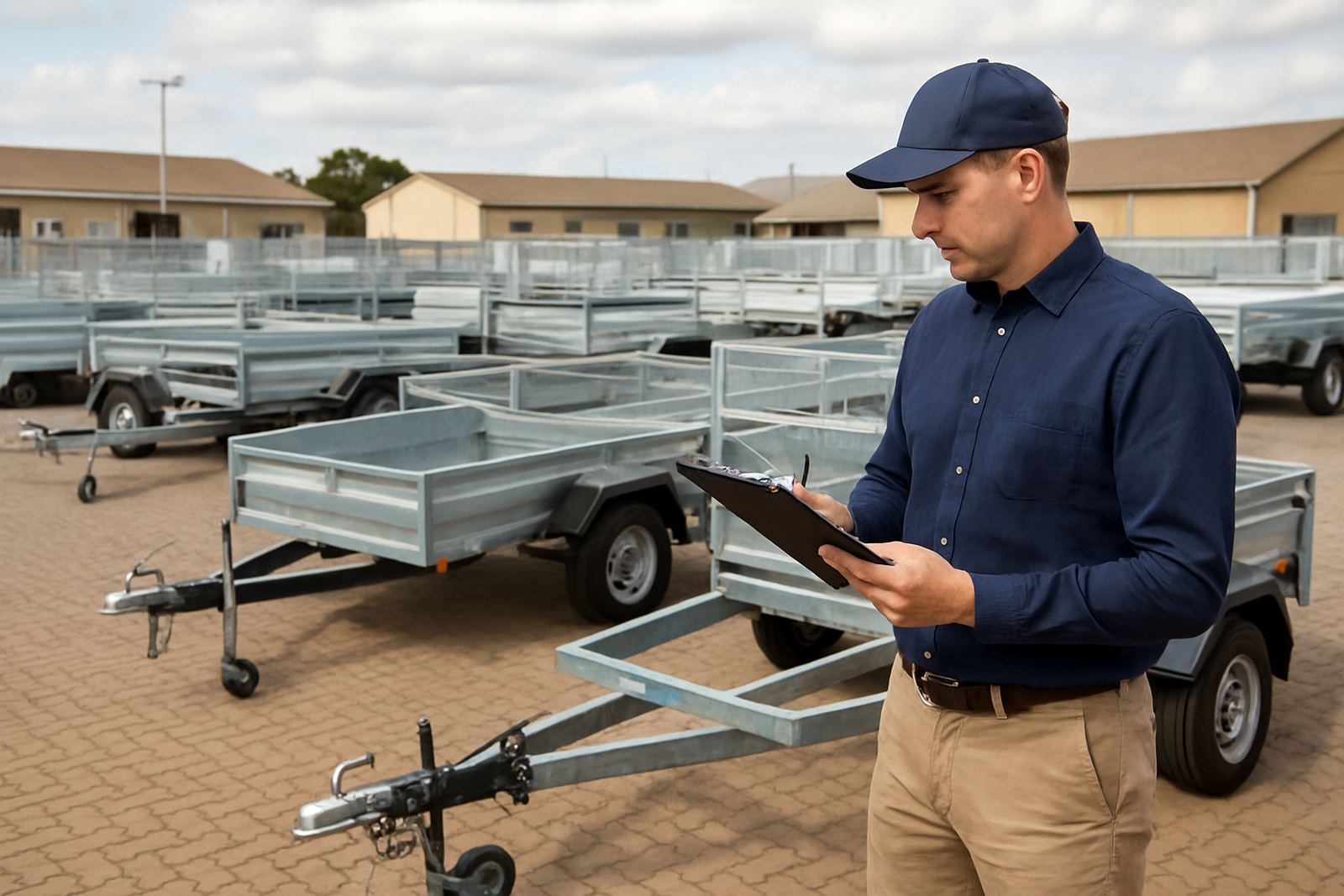
Contractors should never buy on appearance alone. A unit can look tidy and still hide expensive issues. On bakkies, check the clutch, gearbox, suspension and cooling system, especially if the vehicle has spent its life on rough sites. On trailers, inspect the coupling, lights, brakes, wheel bearings and chassis for bends or corrosion. In coastal areas, rust around fasteners and wiring often tells the story. It is boring work, but it stops costly down time later.
Common mistakes include buying a unit that is too small for the actual job, ignoring towing weight, or assuming a fresh paint job means good condition. Another common error is not checking local rules for overloading or trailer roadworthiness. A contractor should also think about storage when the unit is idle. If a trailer stands outside in rain and sun, it will age faster than one parked under cover. One missed detail can turn a good deal into a headache.
- Check payload and towing limits before making an offer
- Look for rust, oil leaks, brake wear and cracked mounts
- Confirm documents, serial numbers and registration status
- Ask where the unit was used and what loads it carried
How Buy Those supports contractors across South Africa
Buy Those works with contractors who are buying, selling or replacing used bakkies and trailers across South Africa. From Spartan in Kempton Park, the team handles listings, inspections, price guidance, buyer matching, photo packages, condition reporting, viewing arrangements, collection coordination and delivery arrangements. That gives a seller a simple route from first enquiry to final handover, while buyers can compare options without chasing every lead themselves.
The team includes Zama Modise, Sarel Terblanche, Kopano Gxowa, Morne Botha, Andiswa Kekana and Nompumelelo Sekhukhune, with Sibusiso Mthembu leading the business. If you are moving equipment between Johannesburg, Pretoria, Polokwane, Bloemfontein or Durban, the practical details matter: where the unit is kept, whether it starts properly, and how it will be loaded. Contractors need direct answers and clear arrangements, not guesswork. That is exactly how the process is handled.
- Clear inspection and condition reporting before the deal moves forward
- Support for private sellers and dealers with contractor-friendly listings
- Collection and delivery arrangements across major South African routes
- Enquiry handling through the contact page form only