What Market Traders Usually Need To Move
For a market trader, the vehicle is part of the stall. It must handle folded tables, umbrellas, coolers, crates, banner frames, cash boxes and sometimes stock that is still wet from a wash. A small load space can work if the layout is neat, but once you start carrying chairs, display racks and a canopy you need proper tie-down points and enough payload to keep the load legal.
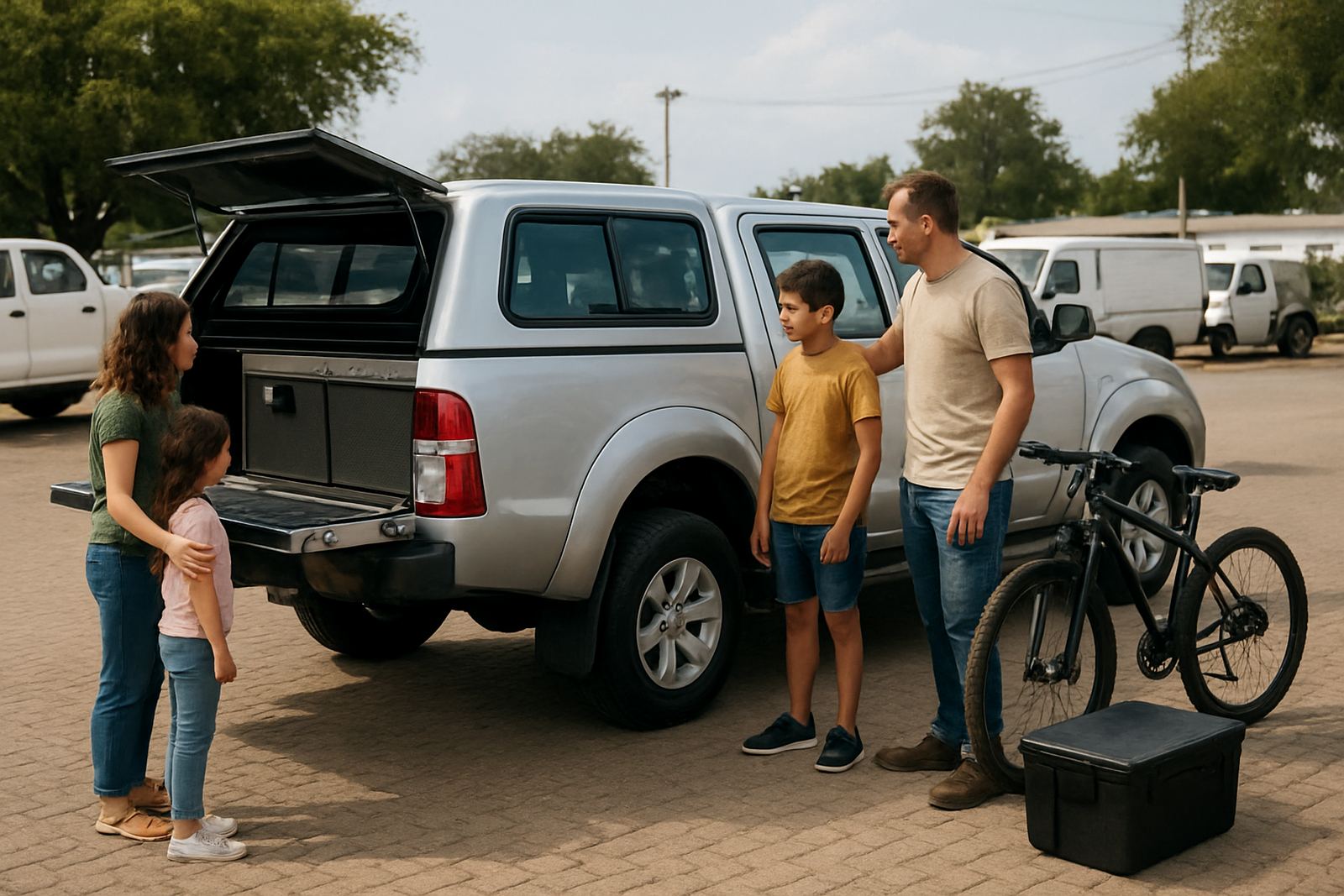
Many traders start with a single cab bakkie and a trailer, because that gives flexibility. The bakkie carries the heavier items and the trailer takes bulkier gear like gazebos, display shelves and packing tubs. If you do a few different markets in one week, from Centurion to the East Rand or down to Durban, you also want something that starts first time after a night in the open or a cold early morning at the gate.
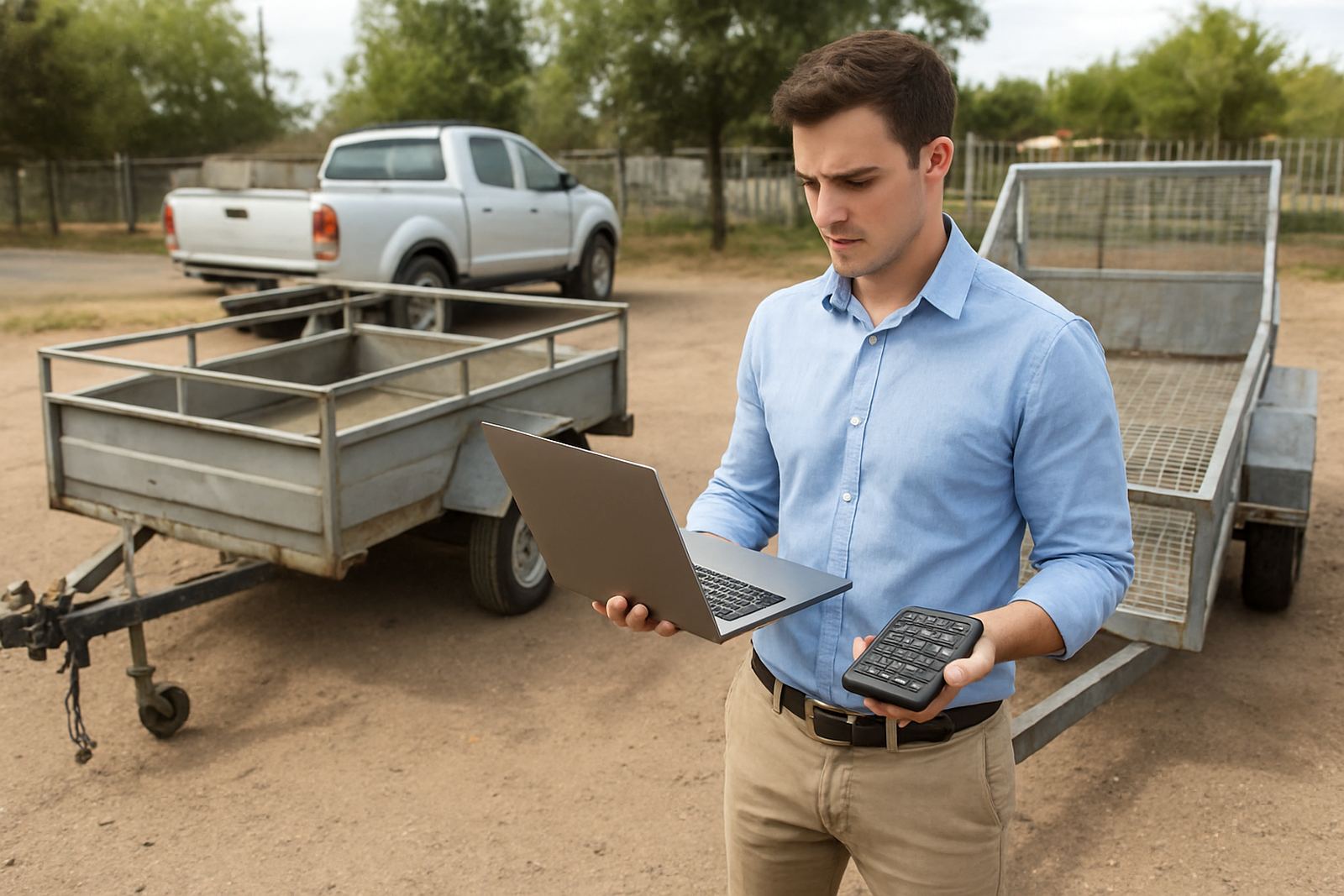
In coastal towns, humidity and salt air can damage wiring, floor pans and trailer lights quicker than people expect. In places with hard stop-start use, like Johannesburg and Pretoria, clutch wear and suspension fatigue show up fast. That is why we inspect the vehicle properly before it changes hands.
Typical Setups That Work For Traders
There is no single setup for everyone, but a few combinations keep coming up because they are practical and affordable. A compact bakkie with a braked trailer suits traders who carry mixed stock and want to park close to the market entrance. A larger bakkie can work on its own if the load is mostly boxes and folded stock. For lighter vendors, a small trailer behind a passenger vehicle may be enough, but it must still be roadworthy and registered correctly.
- Single cab bakkie for heavier loads and simple loading.
- Extended cab for traders who carry stock plus an assistant.
- Enclosed trailer for weather-sensitive goods and overnight storage.
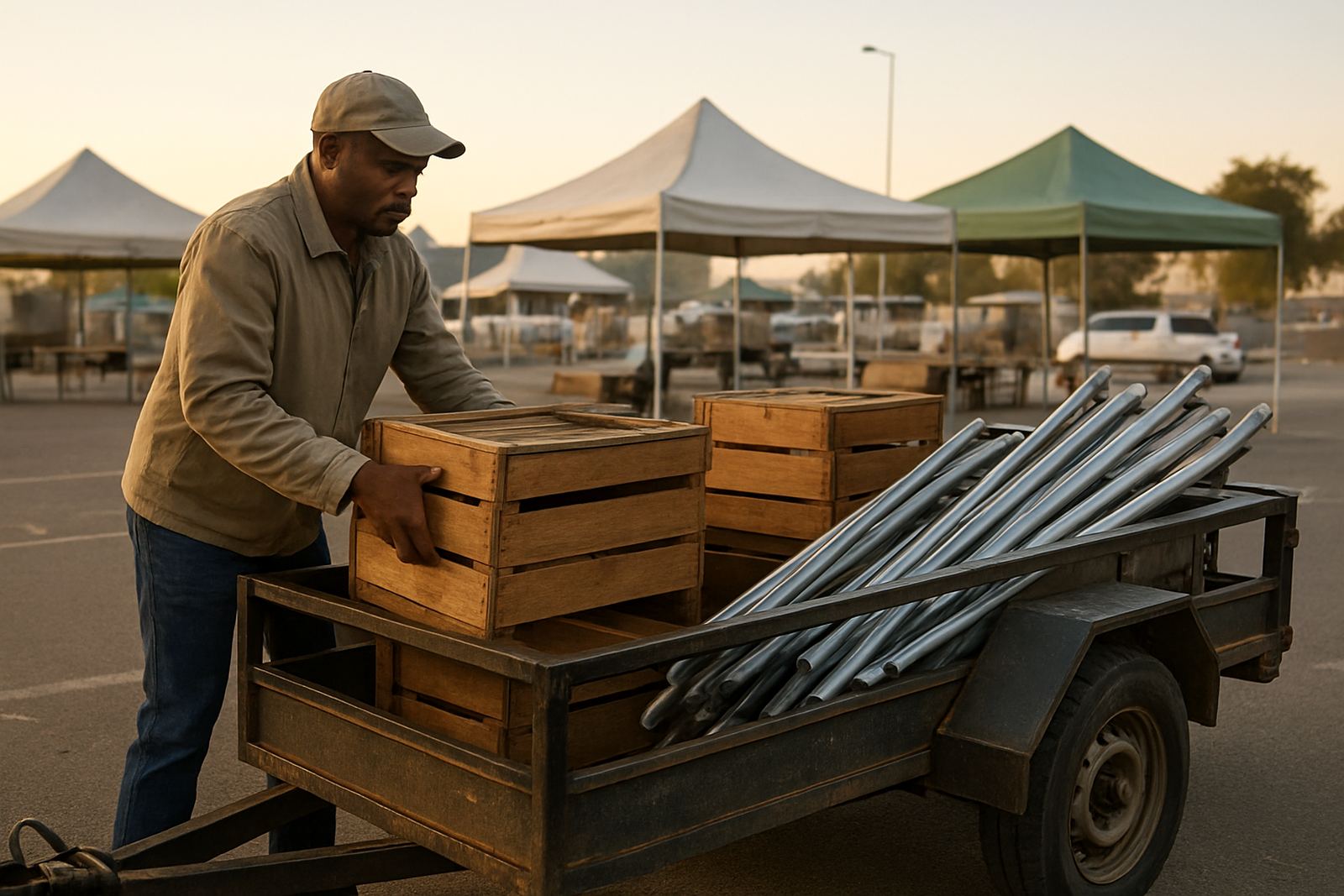
- Flat trailer for gazebos, tables, baskets and bulky display items.
- Canopy fitted bakkie for mixed goods that must stay dry and secure.
When we list these vehicles, we look at practical details such as load area size, tyre condition, tow ability and whether the suspension has already been worked hard. A trader does not need a show piece, but they do need something that will keep earning.
Planning The Load Before You Buy
It helps to measure your usual setup before you spend money. Write down the length of your tables, the height of your gazebo poles, the width of crates and the number of boxes you take on a busy Saturday. If you know these measurements, you can match them to a bakkie tray or trailer bed instead of guessing. A few centimetres can make the difference between a neat fit and a load that has to be tied down badly.
Think about access as well. Can one person load the stock at home before sunrise? Can the vehicle fit into a yard or under a carport in Spartan, Kempton Park? Will it be parked outside after market day, where rain and dust can get to it? These questions matter because the best vehicle for trading is often the one that saves time, not just the one with the lowest price tag.
For many traders, the right layout is simple: heavier items low and forward, lighter display gear on top or in the trailer, and loose items in crates so they do not roll around. If you pack in a rush, the load can shift and damage the tailgate, trailer sides or even the stock itself.
Budget Ranges Traders Commonly Work With
Budget usually decides whether the trader buys a bakkie, a trailer, or both. In the used market, compact older bakkies are quoted per job, depending on condition, mileage and paperwork. Neat work-ready units are quoted per job. Larger or newer models can go higher, especially if they already have a canopy, tow bar or service history. Ask for a quote
Trailers vary a lot. A basic open trailer is quoted per job. Enclosed trailers and larger braked units can be quoted per job, and more if they are in very good condition or fitted for specialist use. It is often smarter to buy a sound, slightly older unit than a cheap one that needs tyres, bearings, lights and floor repairs within a month. Ask for a quote
We also help with price guidance so sellers do not underprice good stock and buyers do not pay too much for something that has hidden work ahead. That includes checking whether the asking price matches the condition, the paperwork and the real running cost after purchase.
Common Mistakes That Cost Traders Money
One common mistake is buying on looks alone. A vehicle may shine in photos but still have worn suspension, bad brakes or an overloaded tow setup. Another mistake is choosing a trailer that is too small, then using it every week in a way it was never meant to be used. That leads to cracked lights, loose panels and damaged stock.
People also forget about the legal side. The trailer must be correctly licensed and safe for the road. If you plan to tow across municipal boundaries or through busy routes to markets in Bloemfontein, Polokwane or Durban, you want the papers in order before collection. Load security matters too. A poor rope job can turn a simple run into a fine or a broken display stand.
- Do not buy without checking tyres, bearings and brakes.
- Do not assume the engine sound tells the full story.
- Do not ignore rust under mats, in wheel arches or around the tow point.
- Do not pack loose stock without crates or straps.
- Do not forget fuel use when choosing between a small and larger bakkie.
How We Help Traders Buy And Sell With Less Fuss
Buy Those works with private sellers and dealers across South Africa to help market traders find the right used bakkies and trailers for the job. Based in Spartan, Kempton Park, we handle vehicle listings, trailer listings, pre-sale inspections, condition reporting, buyer matching, photo packages, viewing arrangements, collection coordination and delivery arrangements. That makes it easier to find something suitable whether the vehicle is in the East Rand, Centurion, Pretoria or further afield.
For a trader, speed matters. If stock is waiting and your old transport has failed, you need straight answers about condition, price and whether the unit is worth collecting. We keep the process practical: inspect it, report on it clearly, help match the right buyer or seller, then arrange the handover. No fuss, just the details that matter when you are trying to keep trading.
Our team understands that many traders buy with a tight margin and a full week ahead of them. Zama Modise handles sales, Sarel Terblanche checks condition, Kopano Gxowa keeps buyer communication moving, Morne Botha handles logistics, Andiswa Kekana manages listings and Nompumelelo Sekhukhune supports clients through the enquiry process. If you need a market-ready bakkie or trailer, we can help you narrow it down fast.