Why landscapers need the right load setup
Landscaping work looks simple from the outside, but the transport behind it has to cope with wet clippings, soil bags, paving offcuts, hedging tools and sometimes a mower that is too heavy for a small runabout. A good setup saves labour, keeps the team moving and cuts back on repeat trips to the depot or tip. In places like Johannesburg, Pretoria and Durban, where jobs can be spread across estates, office parks and private homes, that matters every day.
Most landscapers do best with a used bakkie and one trailer matched to the type of work they do most. If the business is mainly mowing and regular garden clean-ups, a smaller bakkie with a light trailer may be enough. If the work includes tree pruning, instant lawn, paving or irrigation materials, you need more deck space and stronger suspension. The wrong choice can mean overloaded tyres, bent tailgates and unhappy clients when the crew arrives late because the load had to be split in two.
We see buyers in Kempton Park, the East Rand and Centurion looking for practical options that can start early, work through power cut delays and still hold up to rough site access. For landscapers, reliability is less about fancy extras and more about payload, service history and whether the bodywork can still take daily knocks.
Typical bakkies and trailers for garden work
A landscaping fleet does not need to be complicated, but it does need the right mix. A single used bakkie may be enough for a small crew, while bigger operations often add a box trailer or flatbed trailer for waste and bulk supplies. For wet coastal areas like Durban, rust checks matter more than just cosmetic shine. In drier inland towns, suspension wear and tyre condition usually show up first.
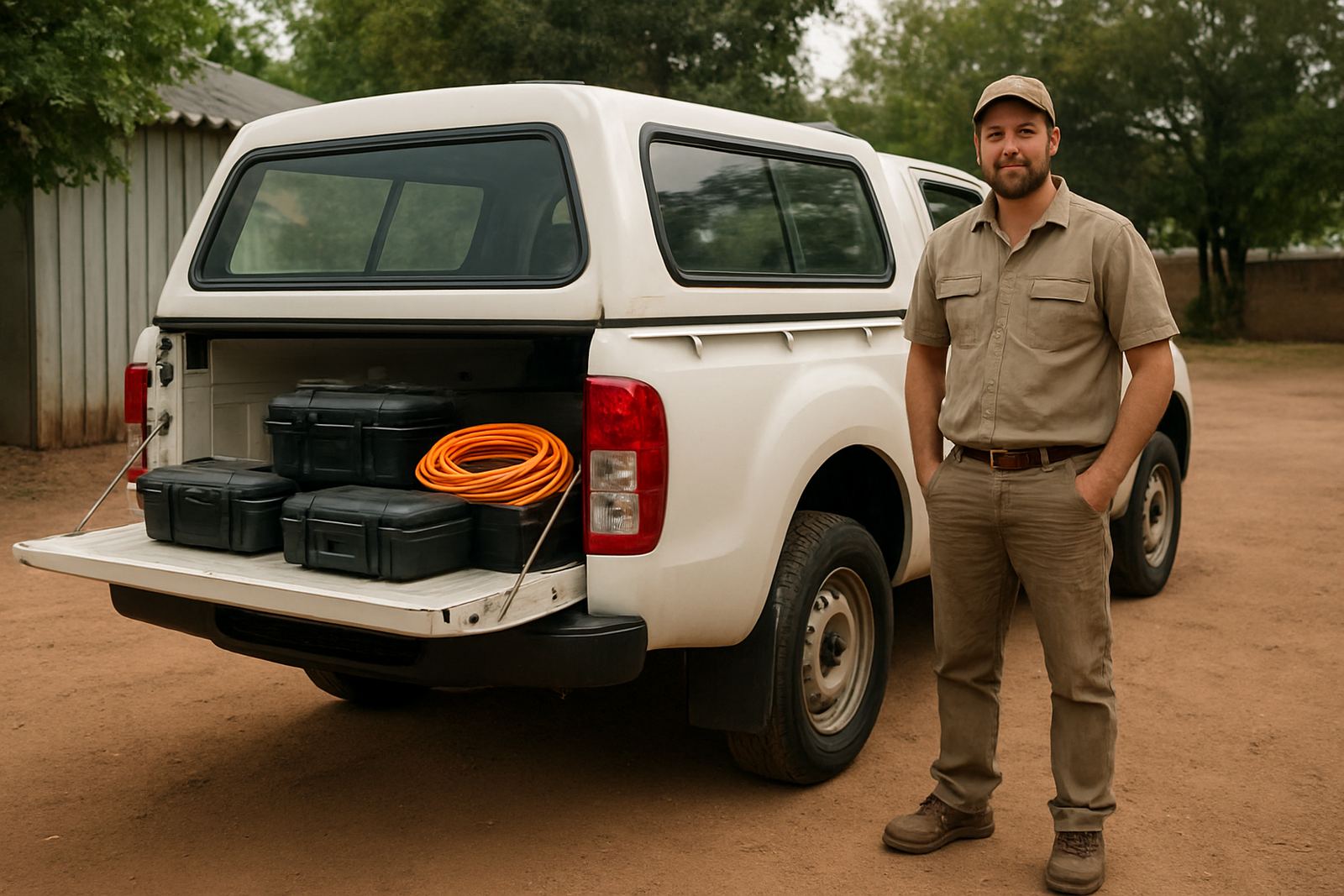
- Single-cab or club-cab bakkies for tools, fuel cans and daily site runs
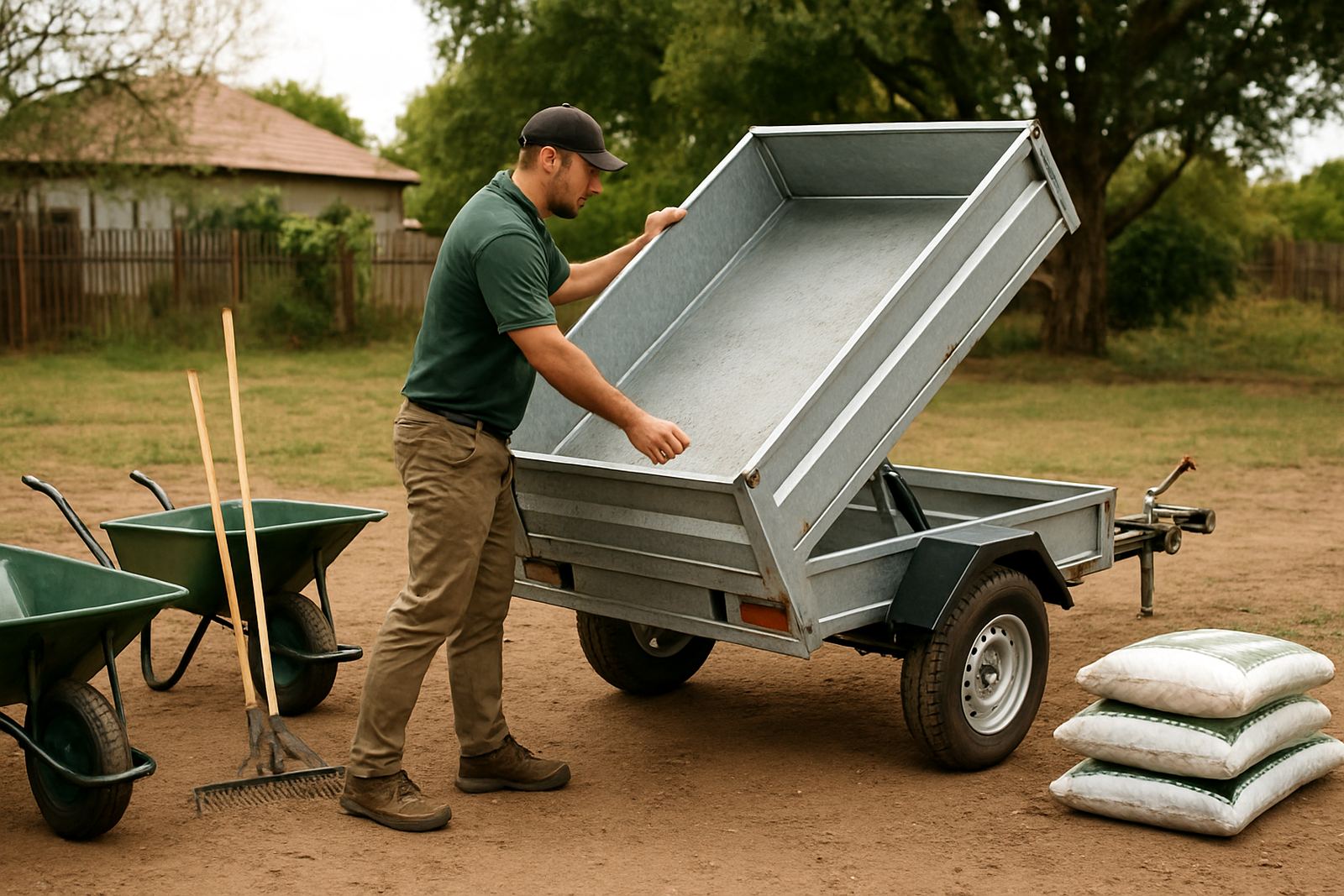
- Open trailers for green waste, branches, leaves and bagged soil
- Flatbed trailers for mowers, rollers, edging tools and stacked materials
- Higher sides or mesh extensions for loose cuttings and light rubble
- Lockable tool storage for chains, spades, trimmers and blowers
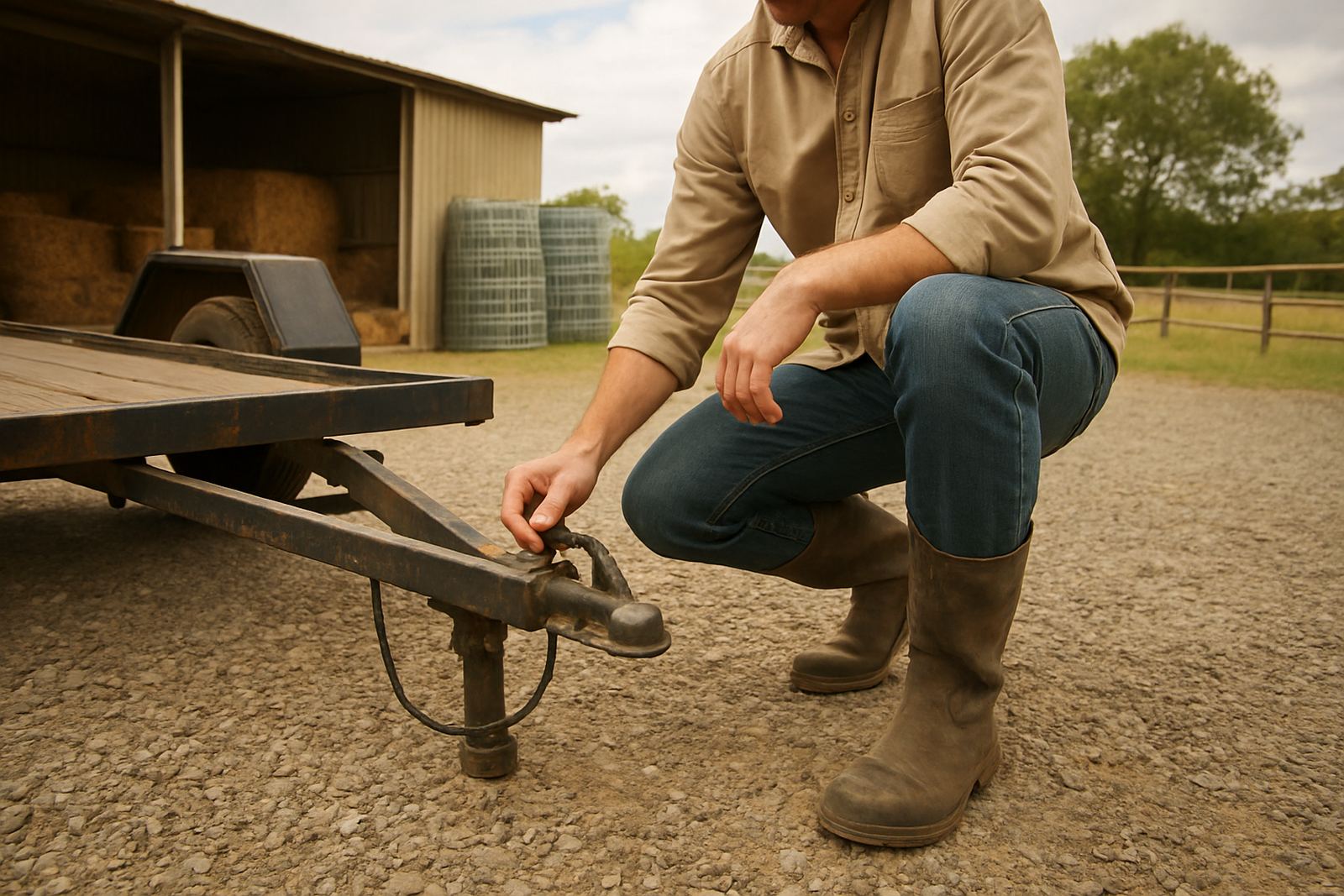
When checking a used unit, look at the floor, tow bar, leaf springs, tyres, brakes and wiring. A trailer with a tired floor may look cheap, but repairs can run into thousands of Rand before it is safe for daily use. If a bakkie has been used on rough sites, inspect the load bay, rear suspension and clutch feel. A vehicle that idles well but struggles when loaded can become expensive very fast.
How to plan the layout so crews waste less time
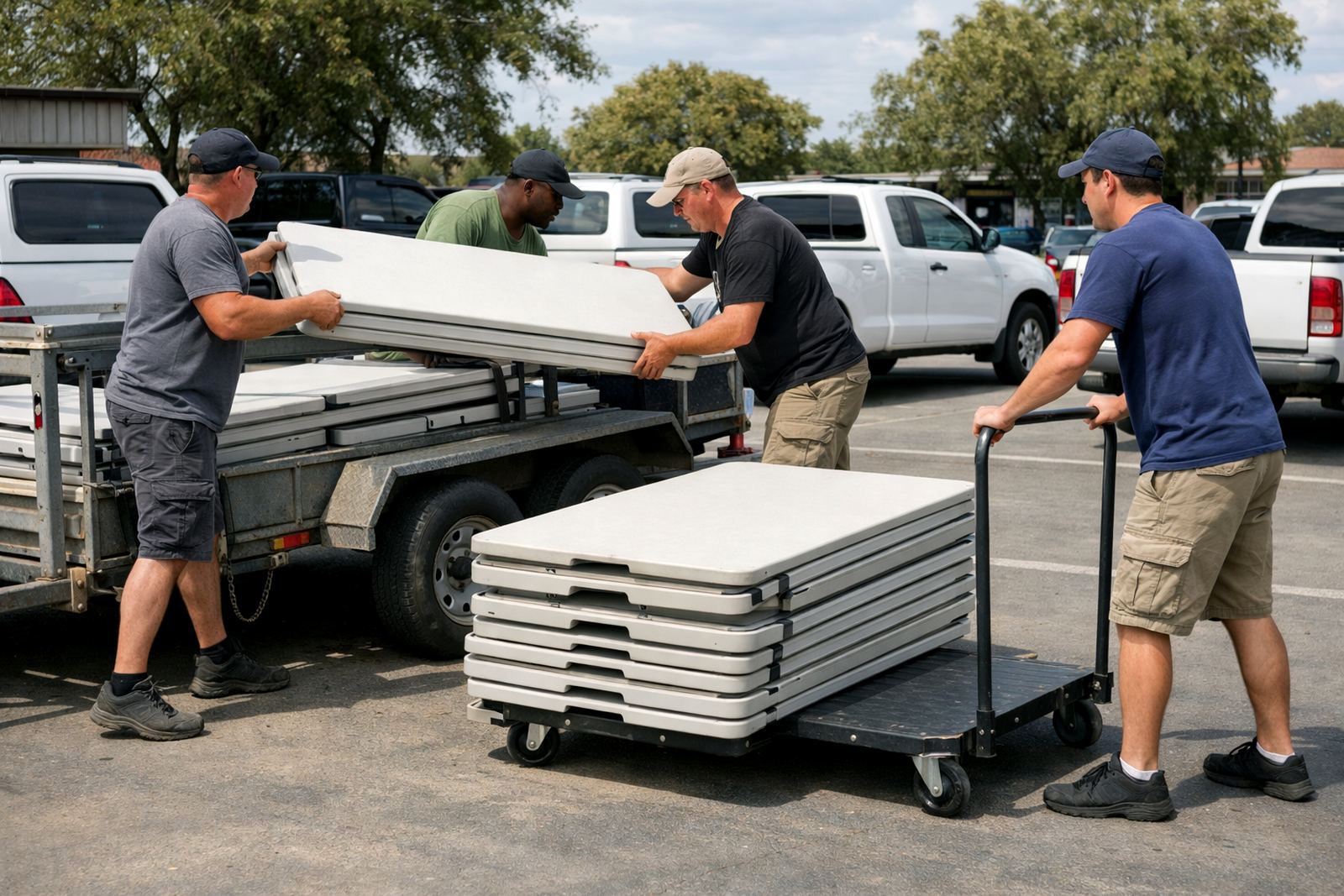
The best landscaping transport layout is the one that lets staff load in a fixed order every morning. Tools should go in first, then fuel and chemicals, then lighter items, with waste space reserved for the end of the day. That keeps the job moving and avoids having to offload halfway through because the hedge trimmer is buried under compost bags. Space is king on a landscapers rig, and if the load plan changes every day, people waste time looking for the same spade or rake.
It helps to separate clean supplies from dirty waste. Keep mulch, topsoil and paving materials away from green waste so nothing gets contaminated on site. If the business handles both maintenance and installs, consider using one trailer for waste and another for materials, or at least a removable divider. A simple numbered system for tools can also cut losses, especially when teams share vehicles between job sites in Pretoria, Polokwane or Bloemfontein.
- Store the heaviest items low and close to the axle line
- Keep access to hand tools at the tailgate or side gate
- Leave a small empty section for last-minute waste
- Use tie-down points that can hold machines during sharp braking
- Plan for wet weather because grass and soil gain weight quickly
Small layout choices also matter for safety. Loose tools rolling around a trailer can damage equipment and injure staff when the brakes bite. If a crew uses the same vehicle for home gardens and commercial sites, a clear loading routine helps every driver keep it consistent.
What common mistakes cost landscapers money
The biggest mistake is buying a vehicle that looks neat but cannot carry the actual work. Many buyers focus on price alone and forget the daily load. A low-cost bakkie with weak suspension or a trailer with a tired floor can cost more in repairs than the saving on purchase price. Another mistake is ignoring weight limits. Once a trailer is overloaded, tyres heat up, brakes fade and the tow vehicle starts to struggle on hills or in stop-start traffic.
There is also the matter of access. Some landscaping jobs are in estates with strict gate rules, while others are in suburbs with narrow driveways and low tree branches. A long trailer may be useful for materials, but if it cannot turn into the property easily, the crew will spend too much time reversing and repositioning. In coastal towns, missing rust signs can be a costly error because salt air gets into hinges, tailgates and underframes faster than many buyers expect.
Another issue is buying without checking whether the vehicle suits the team size. A one-person owner-operator needs a different setup from a crew of four. If the transport is too small, the crew leaves tools behind or makes extra trips. If it is too large, fuel and maintenance costs climb without adding real value. A practical match is always better than a flashy one.
Budget ranges in Rand for practical used options
Budgets vary depending on age, condition, payload and whether the unit is ready to work straight away. In the used market, landscapers usually want a balance between purchase price and immediate usability. A cheaper unit may need tyres, lights, bearings or minor body repairs before it is safe for regular jobs. It is wise to keep some cash aside for those first fixes.
- Light used trailer for green waste: a quoted price Ask for a quote
- Heavier used trailer with stronger frame: a quoted price Ask for a quote
- Older used bakkie for local work: a quoted price Ask for a quote
- Cleaner late-model used bakkie: a quoted price Ask for a quote
- Basic setup for a small crew: quoted per job if buying one vehicle first Ask for a quote
For many landscaping businesses, the smartest route is to start with one solid used bakkie and add the right trailer later. That spreads cost and lets the owner see what load pattern the business really has. A company doing mostly maintenance in Johannesburg may need less capacity than a team that also clears plots, delivers mulch or moves paving materials. Matching the budget to the real workload gives better value than chasing the cheapest listing.
How Buy Those helps landscaping buyers choose well
We work with private sellers and dealers across South Africa, including Kempton Park, Johannesburg, Pretoria, Polokwane, Bloemfontein and Durban. For landscapers, that means access to used bakkies and trailers that can be checked, compared and arranged for viewing with less back-and-forth. Our team can help with vehicle listings, trailer listings, pre-sale inspections, price guidance, condition reporting, buyer matching and delivery arrangements.
If you are comparing options for a landscaping business, our buyer support can help you judge whether a vehicle suits daily maintenance work, bulk deliveries or mixed use. The inspection side is especially useful when you want to know if a trailer is still sound for wet green waste, or if a bakkie has the sort of wear that will matter once it starts working full time. We also help sellers present the unit properly, which makes the comparison process quicker for everyone.
From our base in Spartan, Kempton Park, we assist buyers who need practical transport without the guesswork. If your crew is working around municipal timetables, early starts or long cross-town runs, the right vehicle choice can save time every week. A proper match now is cheaper than sorting out breakdowns later.