What a workshop run bakkie is used for
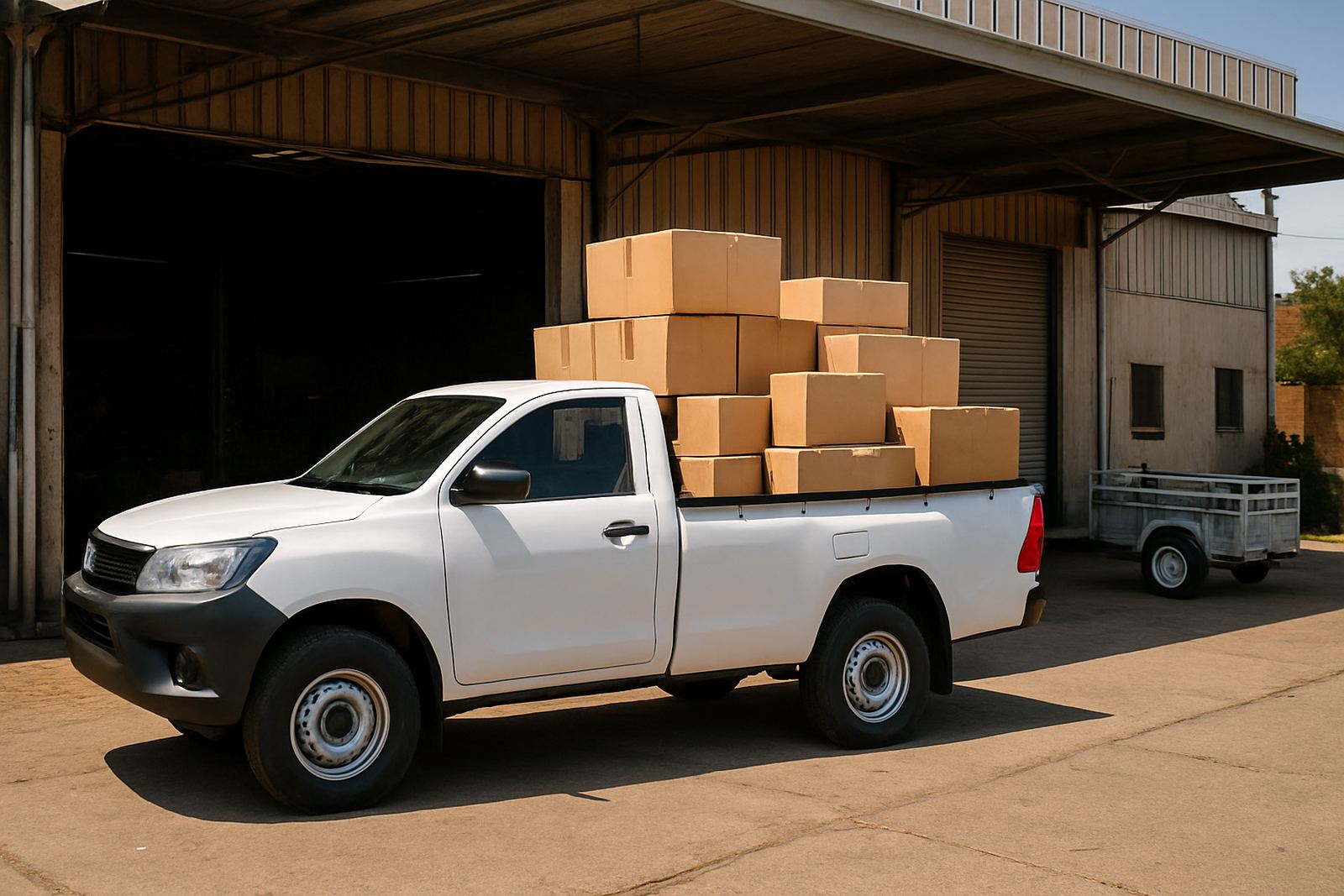
A workshop run bakkie is a working vehicle for moving parts, tools, service items and staff between suppliers, client sites and your own depots. It is not about luxury, it is about uptime. In Kempton Park, Johannesburg or Pretoria, these bakkies spend much of the day in stop-start traffic, loading bays and tight parking areas, so they must be easy to drive, simple to load and cheap to keep on the road.
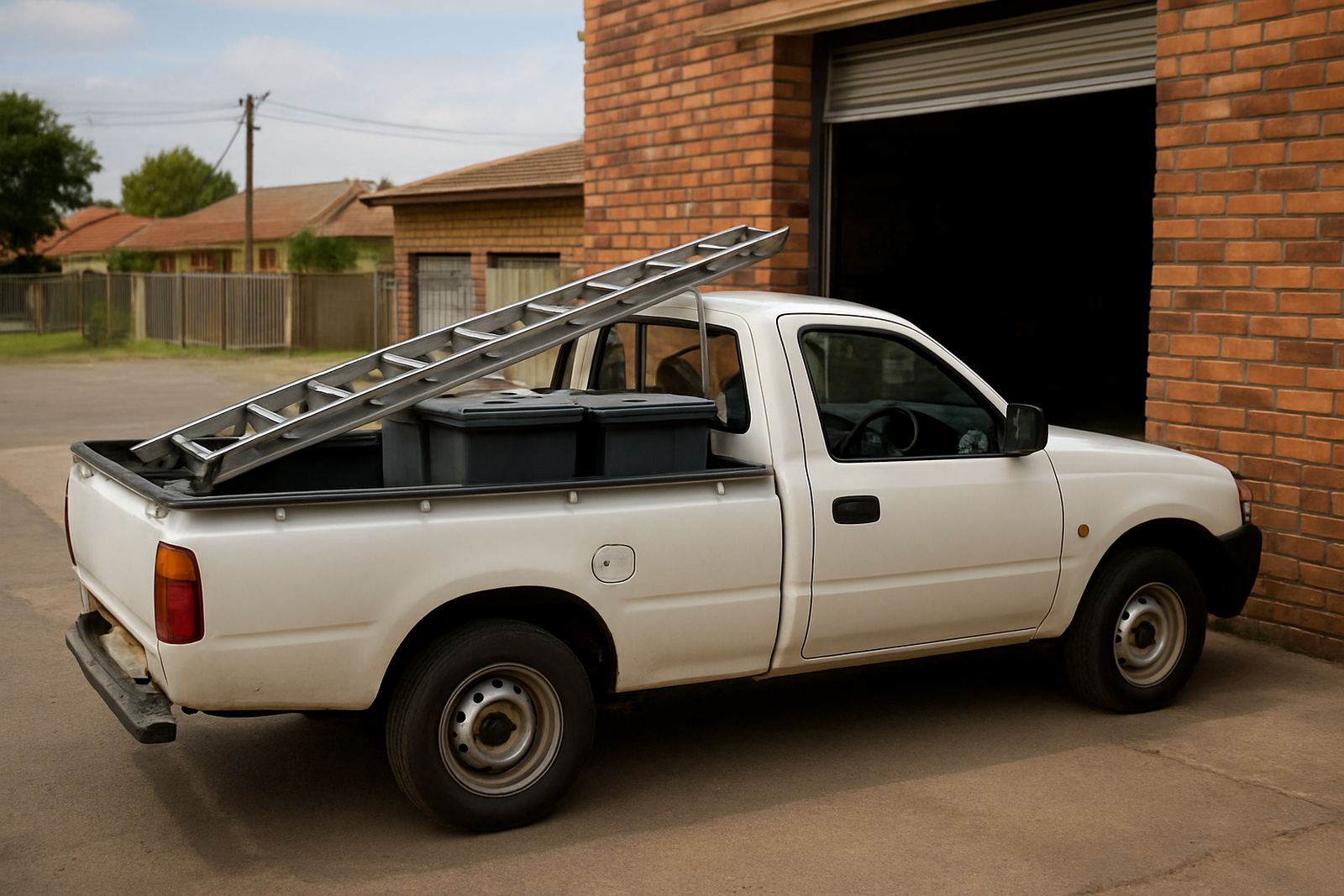
Most buyers want a used single cab or extra cab with a strong load bin, decent ground clearance and a mechanical setup that can handle daily use. Some units are fitted with canopy covers, tow bars, ladder racks or lockable bins for parts and small equipment. For businesses doing workshop support, the right bakkie keeps the day moving when courier collections, emergency spares and last-minute deliveries all land at once.
Sizes and setup options that make sense
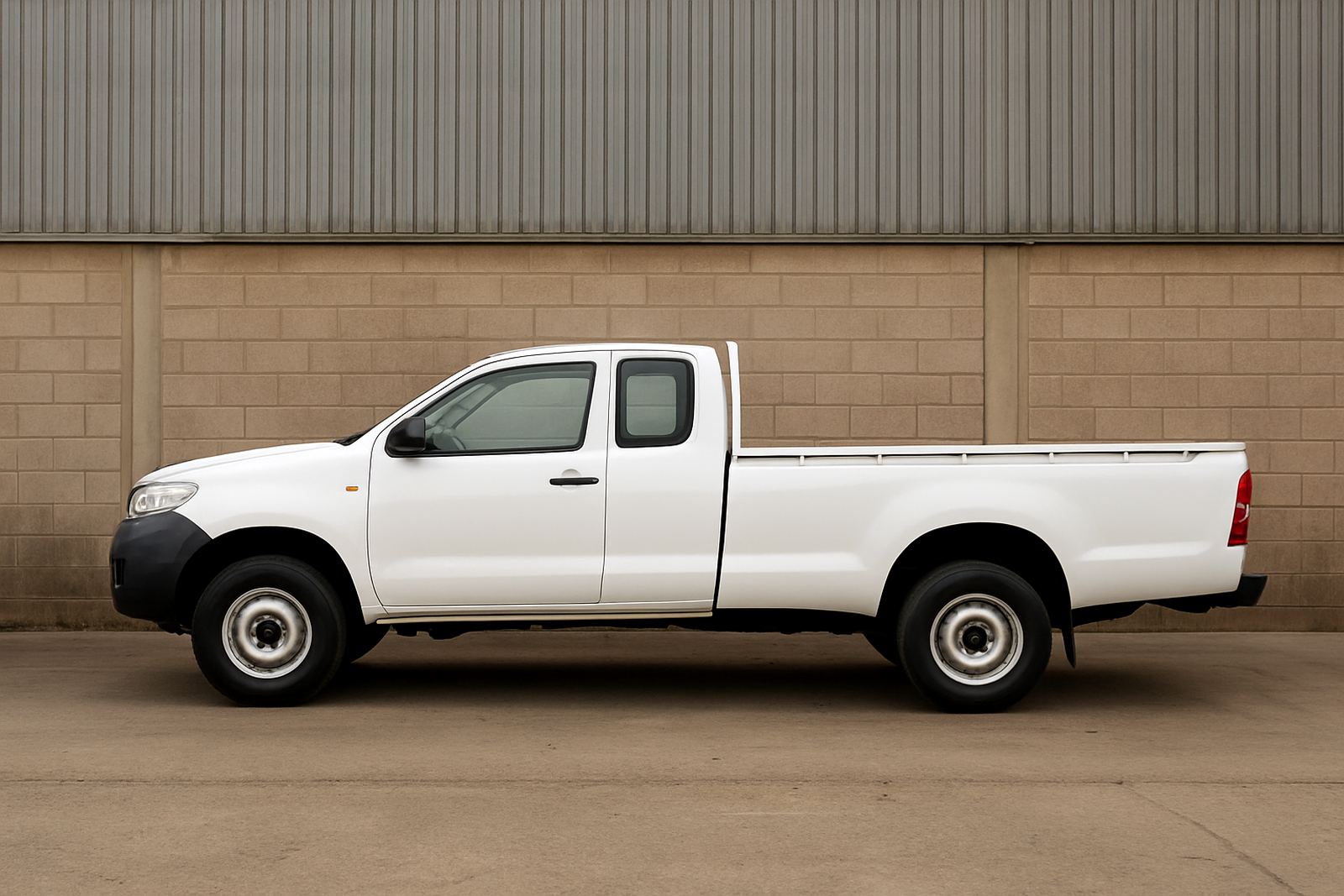
The right size depends on what you carry and how many people need to travel with the load. Single cab workshop run bakkies suit heavier loads and regular parts runs. Extra cab models work better where you need a small rear seat area for an assistant, a technician or occasional extra stock. Some buyers prefer a canopy for weather protection, while others want an open bin for fast access and easy washing down after muddy or dusty jobs.
- Single cab: best for load space, tool crates and heavier parts
- Extra cab: good for mixed use with occasional passenger space
- Canopy fitted: useful for secure storage in busy urban areas
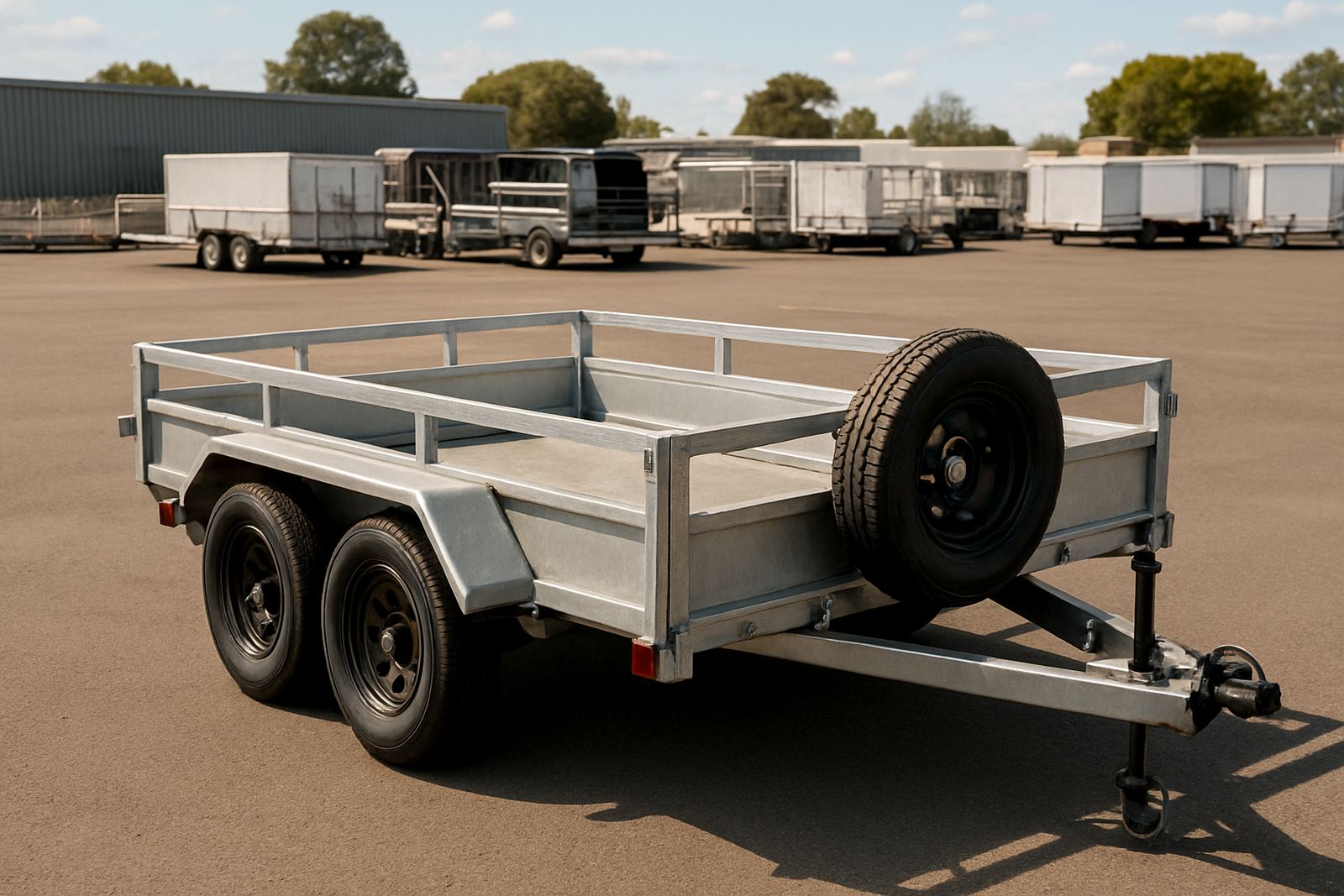
- Tow bar: handy for trailers, compressors or small plant transport
- Load bin liner: helps reduce wear from steel boxes and drums
If you work near coastal areas like Durban, stainless or well-coated fittings can help with corrosion. Inland, dust and heat are usually the bigger issue, so clean filters and a solid battery are often worth more than fancy extras.
Where workshop run bakkies suit best
These bakkies suit mechanical workshops, fitment centres, electrical contractors, building suppliers, fleet maintenance teams and mobile repair operators. They also work well for dealers who need a dependable parts runner between branches in East Rand, Centurion, Polokwane or Bloemfontein. A workshop run vehicle must be able to cope with repetitive short trips, idle time and repeated loading without becoming a headache.
In South Africa, power cuts can affect workshop schedules, so a bakkie that is ready to go at short notice helps when power comes back and the day gets busy. For businesses that work municipal jobs or service contracts, it is also important that the vehicle can handle rougher access roads, kerbs and uneven yards without constant repairs. A simple, well-kept used bakkie often makes more sense than a newer one with expensive electronics.
- Good for city collection and delivery routes
- Suitable for supplier runs and emergency call-outs
- Useful where tools must stay secure between jobs
- Handy for mixed workshop and light towing work
What to check before you buy
When ordering a workshop run bakkie, start with the basics: engine condition, gearbox smoothness, clutch feel, brakes, suspension and steering play. A bakkie that idles roughly, smokes on acceleration or pulls to one side can cost more to put right than it looks on paper. Check the service history if it is available, and ask whether the vehicle has done short runs or long-distance work, because both affect wear in different ways.
Look closely at the load bin, tailgate, hinges and rear floor for dents or cracks from heavy use. Rust around the wheel arches, cab mounts and underbody should not be ignored, especially on coastal units. Make sure all lights work, the battery holds charge and the tyres are suitable for load carrying. If the bakkie has been used for workshop collections, check for oil leaks, worn seat trim and tired suspension. Small signs tell you a lot, and a neat cab does not always mean a good mechancial condition.
- Start-up from cold and idle quality
- Signs of overheating or coolant loss
- Tyre wear patterns and spare wheel condition
- Brake response under light and firm pedal pressure
- Locking systems on canopy, toolbox or tailgate
Power, fitment and practical running needs
Workshop run bakkies do not need special power or gas systems in the way some fixed equipment does, but they do need the right support items to keep daily operations smooth. A healthy charging system matters if you run lights, trackers, a fridge box or charging points for power tools. Many buyers also fit a 12V socket or auxiliary battery for small equipment, especially where technicians need to keep tablets, scanners or handheld tools charged on the move.
If you use the vehicle to tow a trailer or carry enclosed service kits, confirm the tow rating and make sure the tow bar is properly mounted. For night call-outs or early starts, good headlamps and work lights are worth checking before handover. In hotter regions, cooling systems should be pressure tested and radiator fins cleaned. A bakkie with a weak alternator or tired battery can become a problem very fast when the work day starts early and ends late.
Care, servicing and ordering the right unit
These bakkies last longer when they are serviced on time and not overloaded every day. Oil changes, filter changes, brake checks and tyre rotation should be kept up even on a used unit. Wash out the bin regularly, especially after carrying sand, metal offcuts or chemical containers, and inspect tie-down points so nothing shifts during braking. If the vehicle has a canopy, keep the seals clean and check the locks so rain and dust do not creep in.
When you order a workshop run bakkie, tell us how far it travels, what it carries and whether it needs to fit through tight workshop entrances or building basements. We can help match you to units suited to inspection, collection and delivery work across Johannesburg, Pretoria, Polokwane, Bloemfontein and Durban. Give us the load requirements up front, because a bakkie that is too small will slow the business down, while one that is too large can waste fuel and be awkward in town. A bit of clear planning saves trouble later.
- Share your average load weight and bin length needs
- Say whether you need single cab or extra cab
- Confirm if towing is part of the daily use
- Ask for inspection notes on engine, body and tyres
- Check whether canopy, tow bar or liner is included
Key facts
| Body type | Used bakkie for workshop support, parts collection and light delivery |
|---|---|
| Cab options | Single cab or extra cab, depending on passenger and load needs |
| Typical load use | Tool boxes, spare parts, service kits, tyres and small equipment |
| Fuel type | Petrol or diesel, depending on the unit and operating costs |
| Common fitments | Canopy, tow bar, load bin liner, roof rack or lockable storage |
| Best suited to | Workshops, dealers, contractors and fleet support teams |