What a long wheelbase bakkie gives you
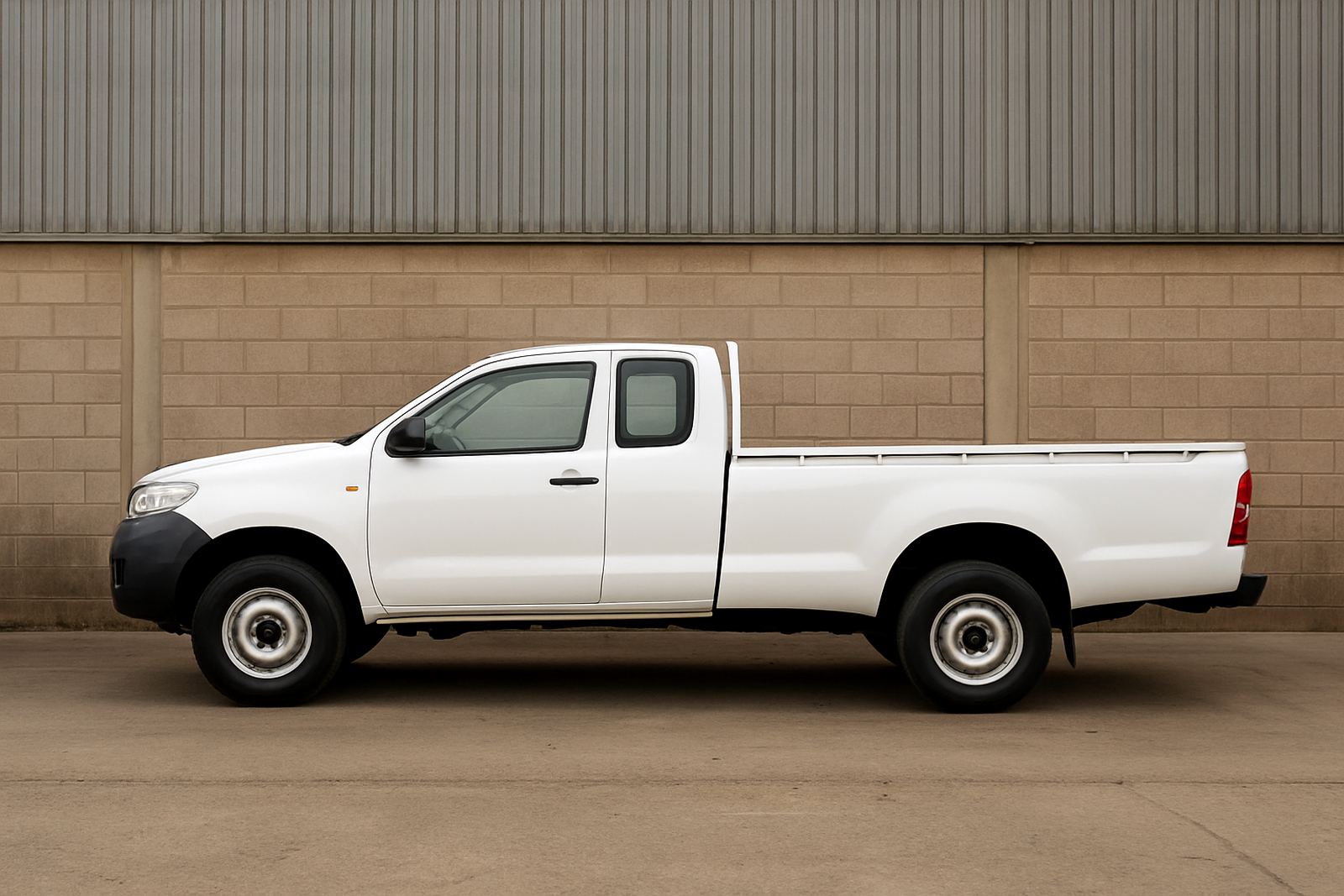
A long wheelbase bakkie has a stretched chassis and a longer load bed than a standard bakkie, which makes a real difference when you carry timber, ladders, pipes, crates or plant equipment. The extra length helps you load more without overhanging the tailgate too far, so the vehicle stays steadier on the road and easier to secure at the back.
For business buyers, that extra space can reduce trips and save time. For private use, it suits camping gear, scrap runs, moving furniture, and weekend jobs around the house. In busy areas like Johannesburg, Pretoria and Durban, buyers often choose this type when they need utility but still want something simple to park and maintain.
- Longer tray for awkward or bulky loads
- Useful for trade work, delivery runs and general hauling
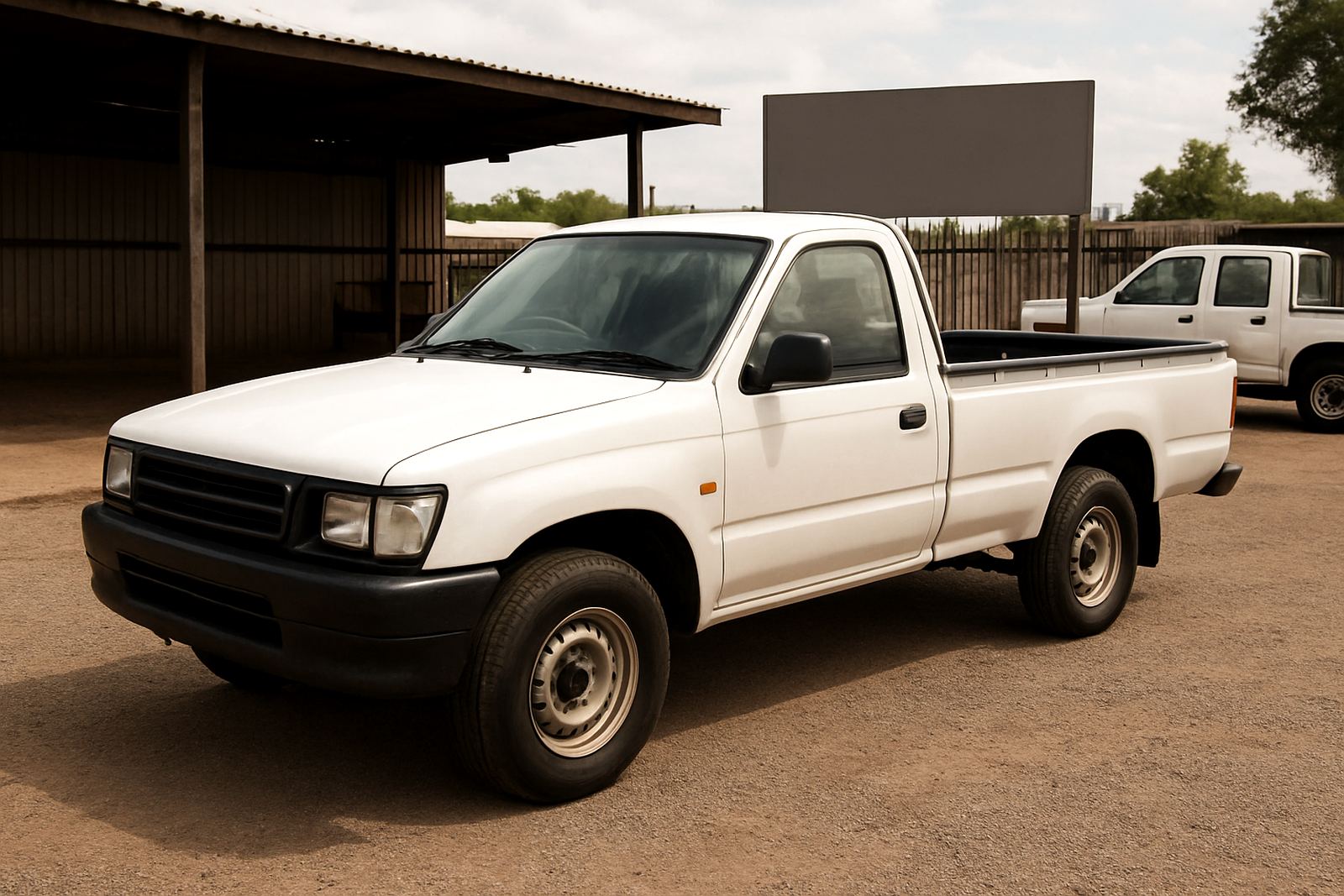
- Often available in single cab or extended cab layouts
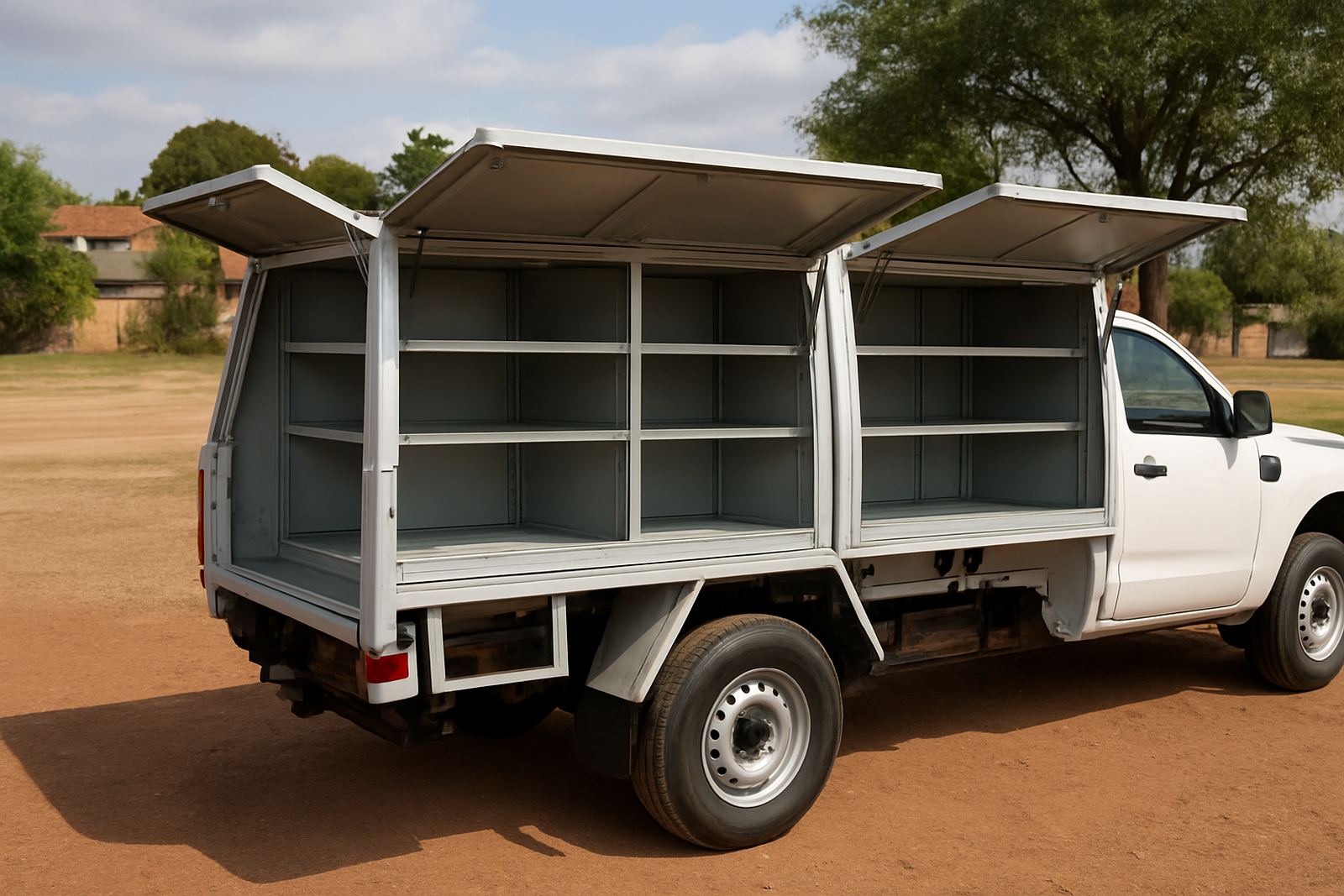
- Can be fitted with canopy, load bin liner or tool storage
Common sizes and configuration options
Used long wheelbase bakkies are not all the same. Tray length, cab style, payload and suspension setup can vary by model and previous owner use. A standard long wheelbase tray is often around 2.4 to 3.0 metres, while some converted work bodies may offer even more usable deck space. Width is usually around 1.6 to 1.8 metres between wheel arches, which matters when you load pallets or machinery.
You will usually see these options on the market:
- Single cab: best for maximum load space and lower running costs
- Extended cab: a balance between storage behind the seats and tray length
- 2WD or 4WD: 2WD suits town and site transport, 4WD helps on farms, gravel roads and rough access routes
- Manual or automatic: manual can suit hard working fleets, automatic is easier in traffic and stop-start delivery work
Some buyers in Polokwane or Bloemfontein prefer higher ground clearance for gravel and farm roads, while coastal buyers in Durban often ask about rust protection and cleaner service history because humidity can affect the body and fittings.
Where this body style suits best
Long wheelbase bakkies suit jobs where carrying length matters more than passenger space. They are common for builders, installers, service crews, gardeners, small contractors and farms. They also work well for private sellers who need a practical vehicle for moves, weekend projects or hauling equipment between home and work.
If you collect stock from suppliers or move tools between sites, the longer tray helps you keep things organised. It also works for buyers who want one vehicle that can do school runs and then handle serious work later in the day, although the long wheelbase does need more space for turning and parking.
- Construction and maintenance work
- Farming and agricultural transport
- Equipment delivery and site support
- Furniture, moving and general household hauling
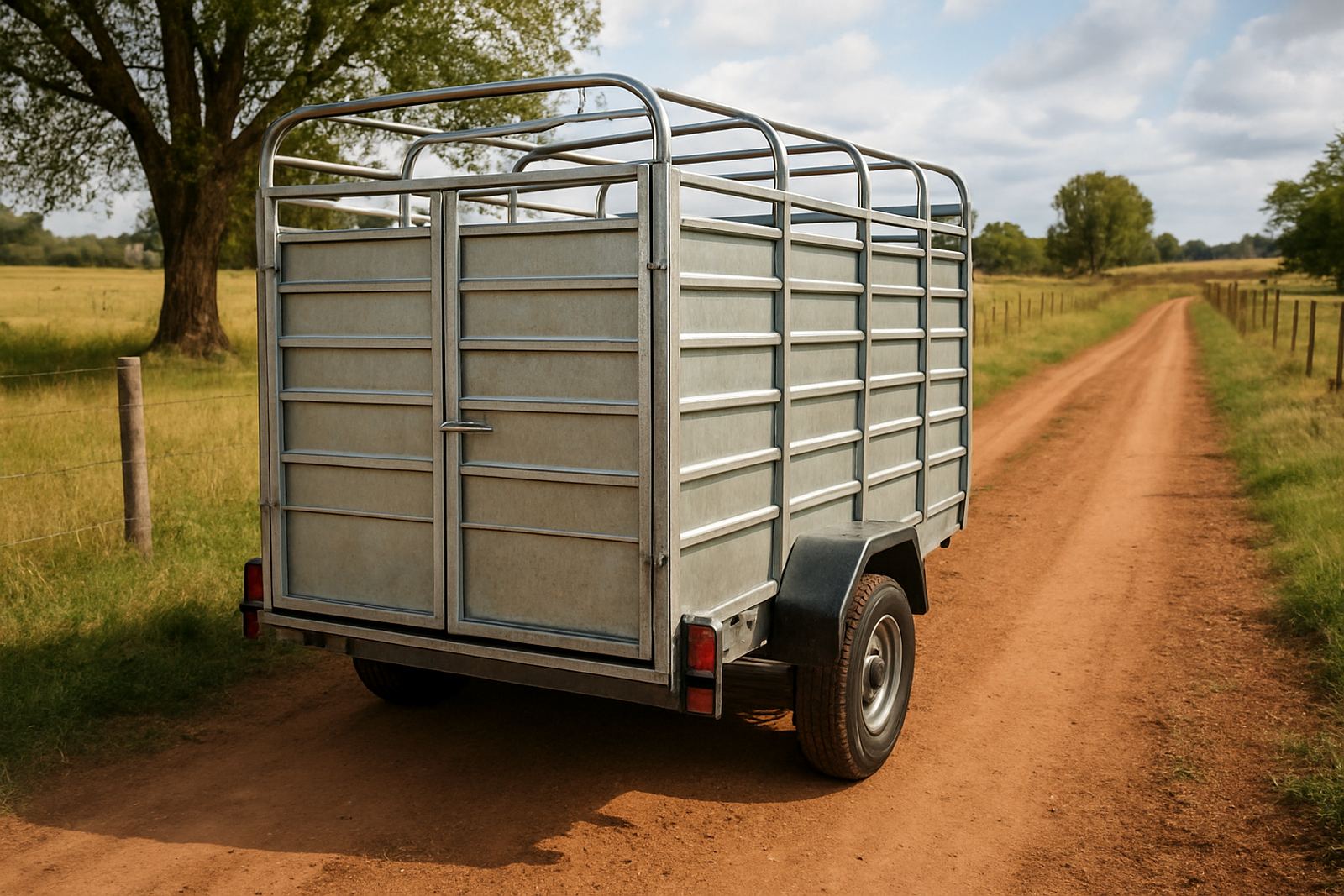
- Weekend towing, if the tow rating suits the job
What to check before you commit
Because these bakkies often worked hard, condition matters more than shiny paint. Start with the chassis, tray floor, suspension, steering and load-side panels. Check for dents, cracked mounts, weld repairs, rust around the rear arches and signs that the vehicle carried loads beyond its rating. A long tray with a damaged frame can become expensive quickly.
Also look at the mechanical basics. Service records, cold start behaviour, gearbox feel, clutch action, brake wear and tyre condition all tell you a lot about how the bakkie was used. If it has a canopy, ladder rack, tow bar or tool box, inspect the fitting quality and make sure there are no loose brackets or leaking seals.
- Engine starts cleanly and idles without smoke or rough noise
- Gear changes are smooth and the clutch is not slipping
- Rear suspension is level and does not sag under light load
- Tray floor, tailgate and hinges are not bent or loose
- All lights, indicators and trailer plug points work correctly
Installation, accessories and power needs
There is no special installation needed for the bakkie itself, but any fitted accessories should be checked before purchase. Canopies, load liners, tool boxes, tow bars and aftermarket lighting all need secure mounting. If the vehicle has a fridge, inverter or work lights fitted for site use, ask how the electrical system was wired and whether the battery and alternator can handle the load properly.
For buyers using the bakkie for towing or trailer work, confirm that the tow bar is rated correctly and that the electrics are wired for the trailer plug you need. If the vehicle has a diesel engine, ask about glow plugs, battery age and regular servicing, because poor starting can be a problem in winter or during power-cut-related downtime when a vehicle stands for longer than usual.
- Check canopy seals and door locks for dust and water entry
- Inspect wiring for trailer lights, reverse lights and work lights
- Make sure accessories do not block load space or visibility
- Confirm the vehicle is not overloaded by extra fitted equipment
Servicing and care for daily use
Used long wheelbase bakkies last well when they are serviced on time and not overworked. Regular oil changes, filter replacements, brake checks and suspension inspections keep them safe and dependable. Because these vehicles often carry weight, tyre pressure should be checked often and the rear suspension should be watched for uneven wear. A small fault at the back can turn into a bigger repair if ignored.
For coastal towns, wash the underside and tray hardware more often to limit rust. In dusty inland areas, keep the air filter clean and inspect door seals and tailgate hinges. If the bakkie stands for periods between jobs, start and move it regularly so the battery stays healthy and the brakes do not seize up. It sounds simple but it saves money.
When buying from private sellers or dealers through Buy Those, ask for condition notes, photos and inspection feedback. That gives you a clearer picture before viewing and helps you compare one vehicle against another without wasting time.
Key facts
| Body style | Long wheelbase bakkie |
|---|---|
| Tray length | About 2.4 m to 3.0 m depending on model |
| Cab options | Single cab or extended cab |
| Drive options | 2WD or 4WD |
| Typical use | Trade work, delivery, farming and general hauling |
| Service focus | Chassis, suspension, tyres, brakes, tray and tow equipment |