What a half ton bakkie gives you on the road
A half ton bakkie is a light-duty pickup built for everyday use, usually with a payload around 500 kg, sometimes a little more depending on the model and the condition of the suspension. It is the type of vehicle many buyers choose when they need something smaller than a full work bakkie, but still want an open load bed for tools, boxes, garden waste or stock.
These bakkies are popular in Kempton Park, Johannesburg, Pretoria and Durban because they are easier to park, lighter on fuel and simpler to move through busy streets and tight sites. For small businesses, they can be ideal for flower deliveries, spare parts, hardware runs, catering supply drops and short haul work. For private owners, they suit home projects, DIY materials and moving items that just wont fit in a hatchback.
Most used half ton bakkies come with manual or automatic transmissions, two-wheel drive or 4x4 on some models, and petrol or diesel engines. The right choice depends on your route, your load and how much stop start driving you do in traffic.
Sizes, body styles and practical options to compare
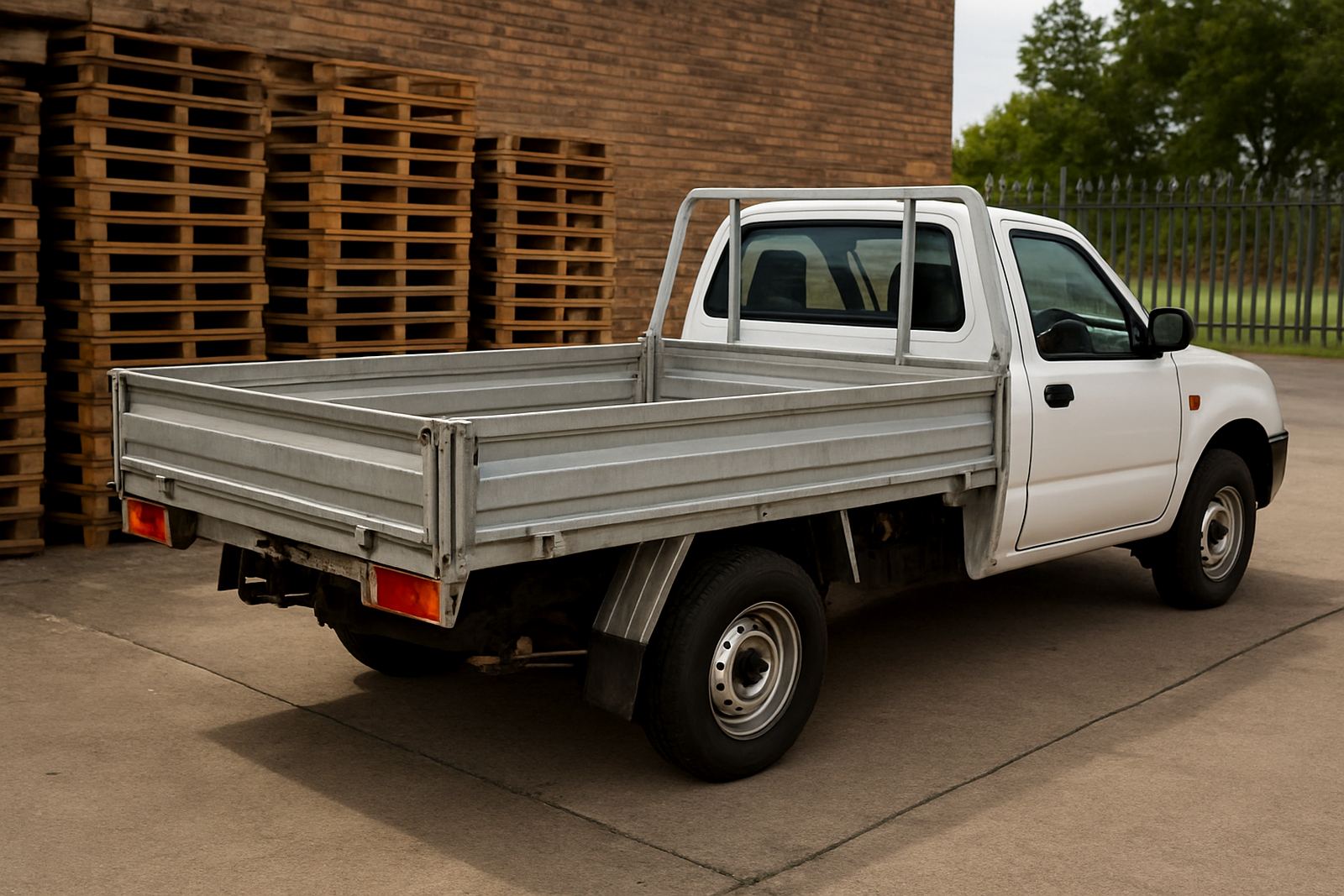
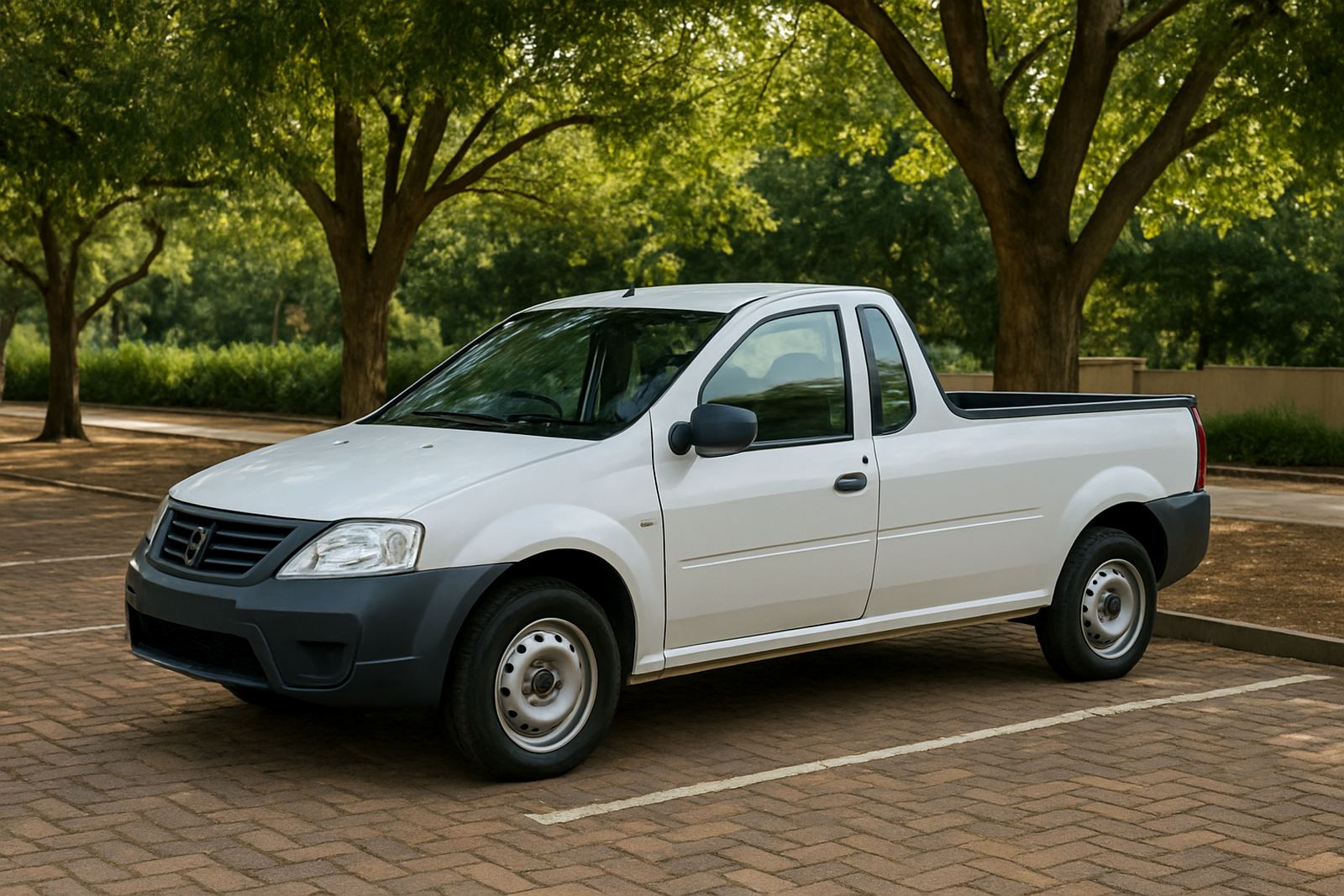
When people search for half ton bakkies, they are often comparing cab style, load length and day to day comfort. A single cab gives you the longest load bed and is a common pick for trade work. A club cab gives you a little extra storage behind the seats, while still keeping the vehicle compact. A double cab is less common in this class, but some buyers want the extra seating for family use or site teams.
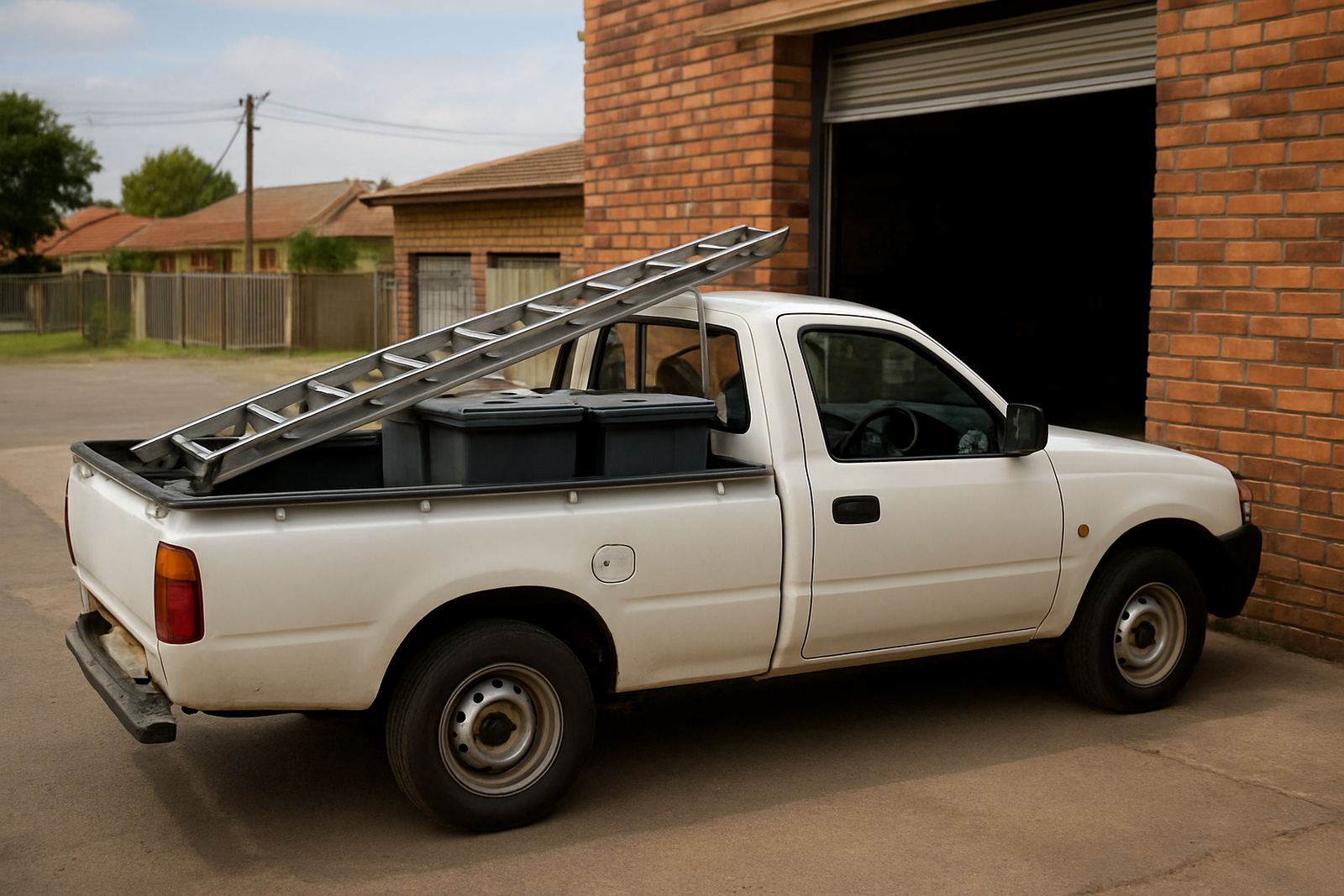
The load bay size matters more than many buyers expect. A shorter bed may still take a few boxes or a generator, but if you need to carry timber, ladders or 2.4 metre lengths of pipe, check the deck dimensions carefully before you commit. Consider canopy fitment, tow bar use and whether the tailgate and load liner are in good condition because those details affect daily use.
- Payload: usually about 450 kg to 650 kg, depending on vehicle spec and suspension condition
- Load bed length: often around 1.8 metres to 2.4 metres on smaller work bakkies
- Cab styles: single cab, club cab and limited double cab options
- Drive type: 4x2 for lighter use or 4x4 where rough site access is common
- Fuel type: petrol for lower upfront cost or diesel for better pulling and economy on longer routes
Where half ton bakkies suit best in South Africa
These vehicles are a good fit where loads are light, roads are mixed and fuel spend must stay under control. In the East Rand and Centurion, many buyers use them for service call-outs, courier work and supplier runs. In Polokwane and Bloemfontein, they are often used for farm errands, retail deliveries and small building projects. In Durban, where humidity and salt air can speed up rust, body condition and underbody care matter even more.
If you work in a suburb with narrow access or you have to park on the street, the smaller size is a real advantage. It also helps if your business deals with municipal rules on load security, roadworthiness and safe transport of goods. A properly tied-down load is important, especially where inspections are common or a delivery vehicle must look neat and professional.
For home use, a half ton bakkie can handle garden refuse, furniture moves, hardware supplies and weekend towing if the vehicle is set up correctly. It is not the right choice for heavy pallets, building rubble or long-distance overloaded work, so buyers should be honest about what they actually move each week.
Checks to make before you reserve a bakkie or trailer
Because these are used vehicles, condition matters as much as badge or year model. We always suggest checking service history, accident repairs, rust, tyre wear and whether the load bed has taken hard knocks. A bakkie that has spent its life in coastal areas may need extra attention under the doors, wheel arches and chassis. On older units, worn suspension bushes and tired shocks can change how the vehicle carries weight.
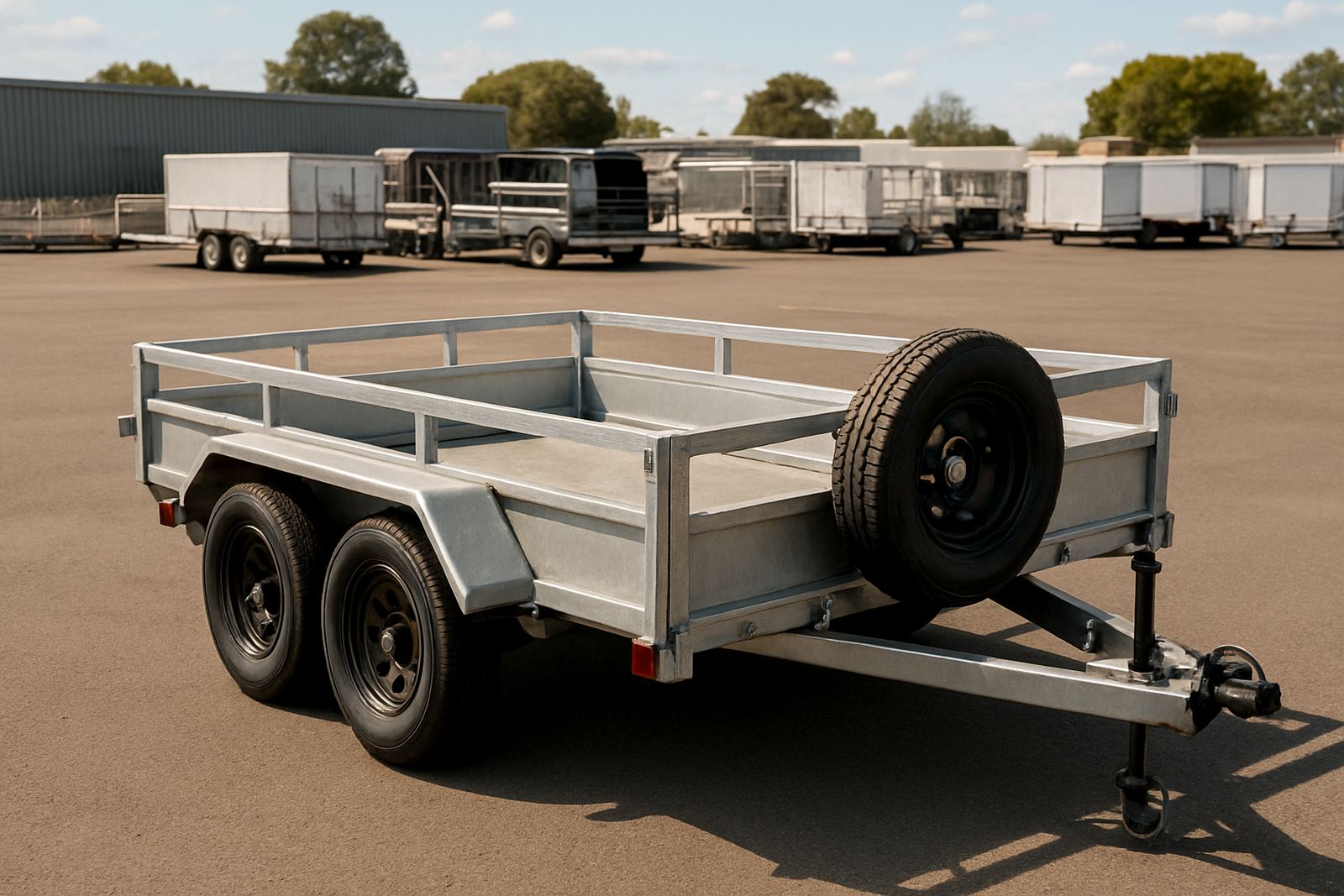
Our pre-sale inspections and condition reporting help buyers compare vehicles properly. Look at cold starting, smoke on acceleration, gearbox feel, clutch action and brake response. If the bakkie has a canopy, ladder rack or tow bar, check that all fittings are secure. Also ask whether the photos show the actual vehicle, because small dents, cracked lights or missing trim can change the real value quite a bit.
- Confirm the payload rating and the legal gross vehicle mass
- Check the VIN, engine number and registration documents
- Inspect tyres, brakes, suspension and steering play
- Look for rust, oil leaks and panel repairs
- Test all lights, wipers and charging system operation
Running costs, fuel use and daily care
One reason buyers prefer half ton bakkies is that they usually cost less to run than heavier pickups. Smaller engines often use less fuel in town, and lighter vehicles can be kinder on tyres and brakes when used correctly. That said, the actual running cost depends on service history, load weight, route pattern and how well the vehicle was maintained by the previous owner.
There is no special gas requirement for the vehicle itself, but if you fit a canopy, tracker, inverter or work lights, those extras should be installed neatly and safely. Electrical accessories must not overload the battery or charging system. For buyers who work through power cuts or early morning starts, a healthy battery and good alternator output are worth checking before collection.
Care is simple but important. Wash off mud and coastal grime, keep the load bed clean, grease moving parts where needed and service on time. If the bakkie is used for trades, avoid leaving loose tools in the tray because they damage paint and can rattle the tailgate. A small issue left too long can become a bigger repair, so it pays to stay on top of it.
How Buy Those helps buyers and sellers move faster
From our base in Spartan, Kempton Park, we work with private sellers and dealers across South Africa, including Johannesburg, Pretoria, Polokwane, Bloemfontein and Durban. We handle vehicle listings, photo packages, inspection support, buyer matching, viewing arrangements and collection coordination so the process stays practical and clear.
If you are looking for a half ton bakkie, we can help you compare condition, price and intended use before you travel. If you are selling one, we can assist with price guidance and seller support so the vehicle is presented properly and the right buyer sees it. That matters when the bakkie has a few age related marks but still has good working value.
For many buyers, speed matters just as much as price. A clean listing, honest condition report and organised delivery arrangement can make the difference between a vehicle sitting for weeks or moving quickly to a buyer who knows exactly what they need. Our enquiries come through the contact form on our site, which keeps the process tidy and traceable.
Key facts
| Typical payload | About 500 kg, depending on model and condition |
|---|---|
| Common engine types | Petrol or diesel, with manual or automatic options |
| Drive options | Mostly 4x2, with some 4x4 variants |
| Body styles | Single cab, club cab, limited double cab |
| Typical load bed length | About 1.8 metres to 2.4 metres |
| Best use | Light deliveries, trades, home projects and small business runs |