What a utility trailer is and how it is used
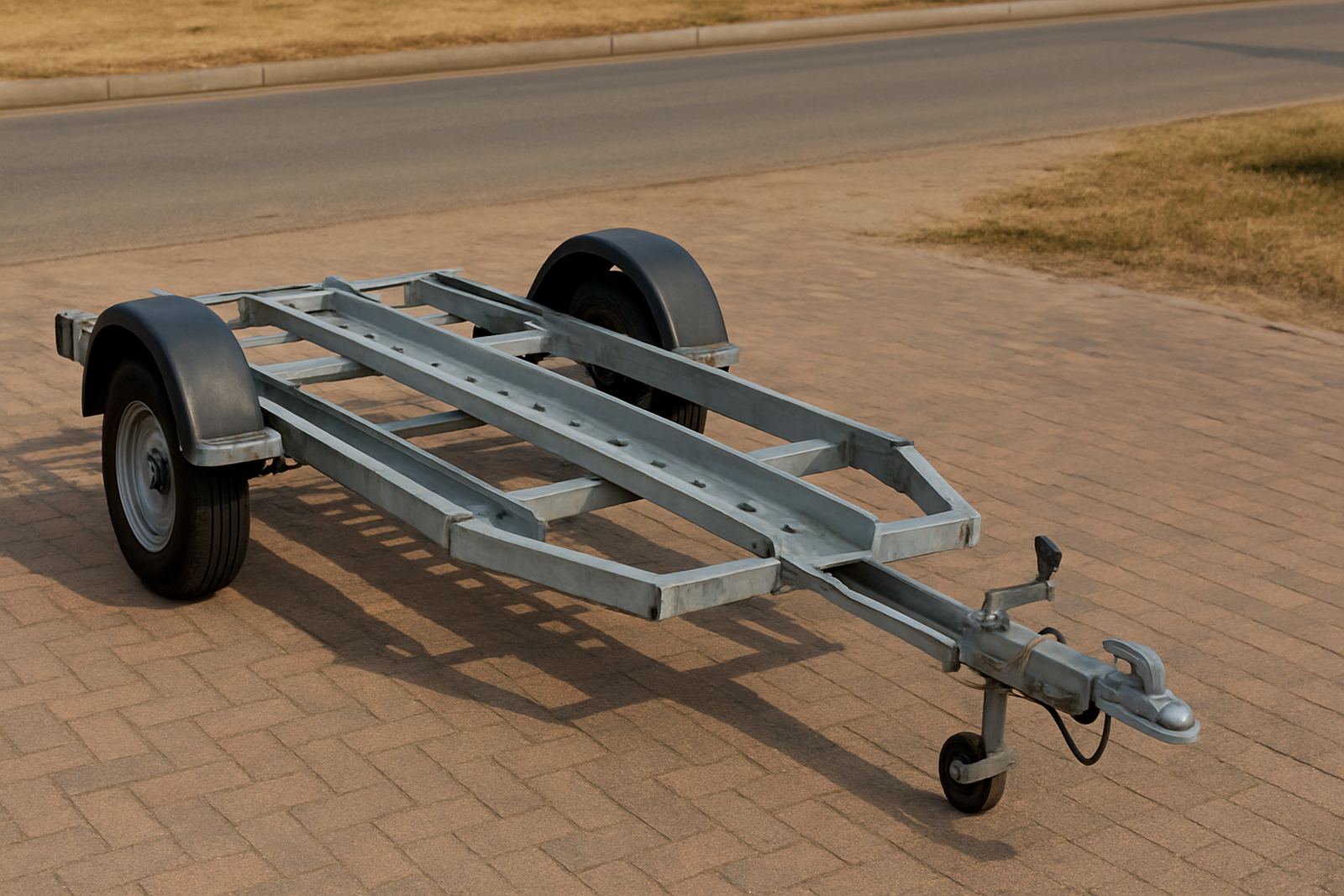
A utility trailer is an open or lightly enclosed trailer built for everyday hauling, from garden refuse and tools to hardware, boxes, furniture and light trade cargo. The layout is simple and that is the point, you get a load bed that is easy to load by hand, with a rear ramp or drop tailgate on some units for faster access.
For buyers in Johannesburg, Pretoria, Centurion and the East Rand, a used utility trailer can save time on short jobs where hiring transport would cost more than the load itself. In Polokwane, Bloemfontein and Durban, the same trailer may be used for farm supplies, household moves, or weekend work, provided the tow vehicle and hitch are rated correctly.
- Suitable for mixed cargo, tools and light equipment
- Commonly used by contractors, gardeners and private owners
- Useful for daily hauling where load size changes from trip to trip
Sizes, axle layouts and fit for different loads
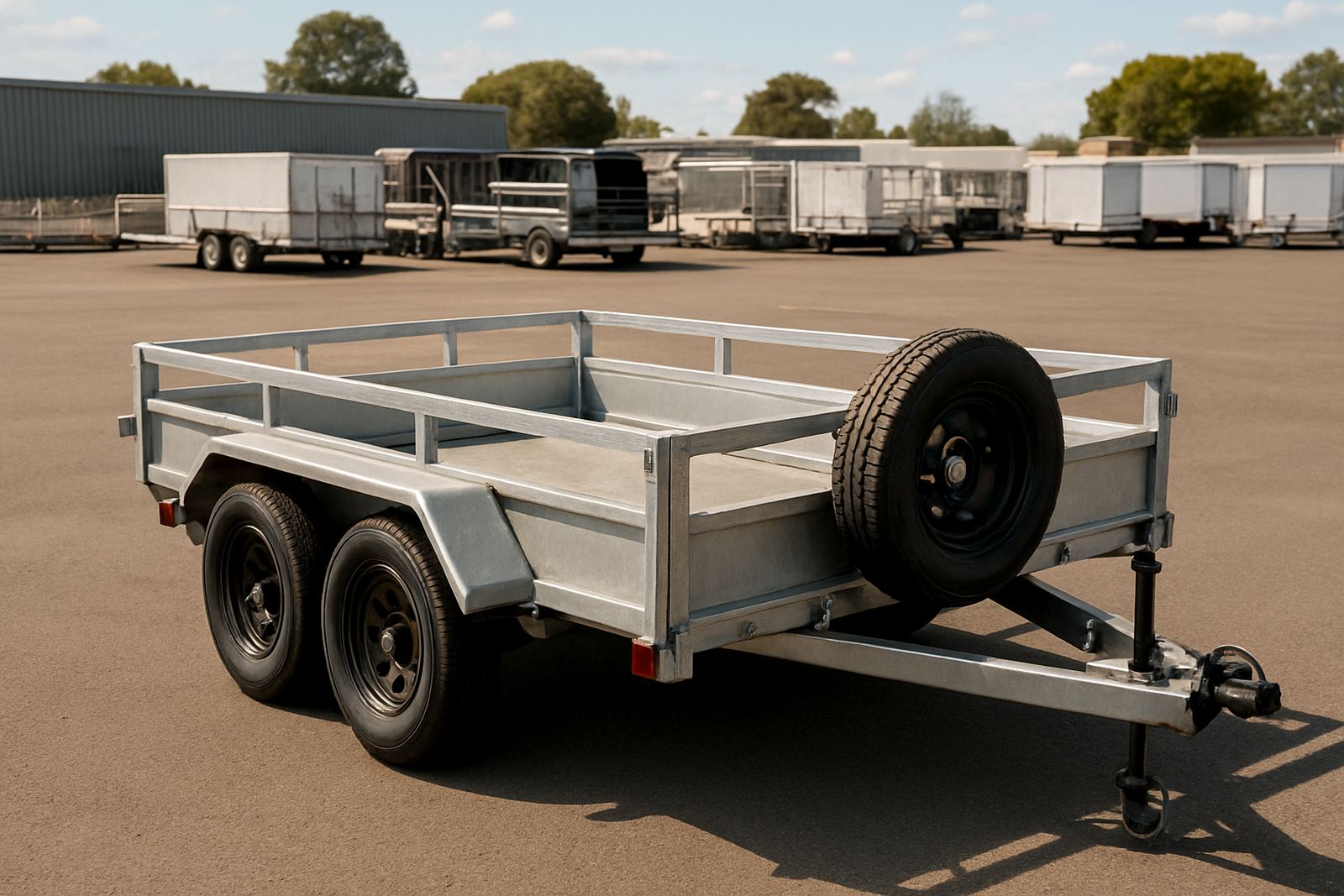
Utility trailers are usually chosen by bed length, width and axle type. Smaller single-axle units are easier to move around tight driveways and can be cheaper to maintain, while tandem-axle versions carry more weight and handle rougher roads better. Buyers often look at the trailer floor size first, then check whether the trailer will pass through gates, fit inside a yard, or store under cover.
Typical sizes include compact 1.5 m by 1.0 m units, medium 2.0 m by 1.2 m options and larger 2.4 m by 1.4 m or similar setups for bulkier cargo. If you carry bakkie loads, mixed stock or heavier tools, it helps to compare payload ratings against the actual jobs you do. A trailer that is too small leads to overstacking, and a trailer that is too large can be awkward in traffic or on site.
- Single-axle for lighter use and easier manoeuvring
- Tandem-axle for heavier loads and better stability
- Flatbed, mesh sides or drop sides depending on cargo type
Where utility trailers suit best in South Africa
These trailers suit a wide range of local conditions. In towns like Kempton Park, Germiston and Pretoria, they are popular for trades, deliveries and small business work where parking space is limited and turnaround needs to be quick. Coastal buyers in Durban often ask about rust and wiring because salt air can shorten the life of exposed steel and connectors if a trailer is left outside.
For rural routes and rougher surfaces, tyre condition, leaf springs and couplings matter as much as the frame itself. A trailer used in Bloemfontein or Polokwane may spend more time on gravel or uneven ground, so inspection should include wheel bearings, floor boards and the condition of the lights. If you plan to tow often during power cut periods, it also helps to choose a trailer that can be loaded or unloaded with basic manual equipment instead of depending on powered systems.
- Good for home use, side jobs and delivery work
- Useful for builders, landscapers and mobile service teams
- Can suit urban roads, farm roads and mixed use conditions
Power, towing and installation requirements
A utility trailer does not usually need installation in the usual sense, but it must match the tow vehicle properly. Check that the towbar is approved for the load, the electrics are working, and the coupling size suits the trailer nose. Most buyers also check whether they need a standard 7-pin or 13-pin plug setup, depending on the lights and brake system fitted.
If the trailer has electric brakes, you will need compatible towing equipment in the vehicle. Some larger units may also use breakaway components or extra safety chains. As a rule, never guess the tow rating, because the weight of cargo, trailer tare and vehicle limits all need to be within spec. When people skip this step, they often end up with unstable towing or failed roadworthy checks.
- Confirm tow vehicle rating before collection
- Check coupling, safety chain and light plug compatibility
- Ask whether the trailer has manual, electric or no brake assist
Care, servicing and common wear points
Used utility trailers can last a long time if they are kept clean and greased. After rain, wash off mud and road salt, especially on Durban routes or any coastal storage area. Check the floor for soft spots, cracked welds around the drawbar and surface rust on hinges, latches and side panels. Tyres should be matched and inflated correctly, and spare wheel condition should never be ignored.
Service work usually includes bearing grease, brake adjustment where fitted, light repairs, jack checks and a look at the suspension mounts. If the trailer has been standing for a while, ask about tyre age and whether the lights work on the vehicle side too. Small faults are easier to fix before the first trip, not after the load is already tied down.
- Grease wheel bearings and inspect hubs regularly
- Keep the floor dry to reduce rot or corrosion
- Test indicators, brake lights and reflectors before every trip
What to check before you order
Before you place an enquiry, measure the cargo you move most often and compare it with the trailer bed, side height and payload rating. Ask for condition reporting on the frame, tyres, lights, floor and coupling, and request clear photos from several angles. If you want to tow in city traffic or on longer routes, ask about balance and whether the trailer tracks straight at speed.
Sellers and buyers are matched through practical checks that include viewing arrangements, price guidance and collection coordination. That matters when you are buying from a private seller or dealer in Johannesburg, Pretoria, Polokwane, Bloemfontein or Durban and you need the details sorted before you commit. A proper inspection can save a lot of money, and it makes delivery planning far simpler.
- Confirm dimensions, axle type and payload
- Check tyres, lights, brakes and the floor condition
- Ask for clear photos and a written condition summary
Key facts
| Trailer type | Used utility trailer for mixed cargo and everyday hauling |
|---|---|
| Common sizes | About 1.5 m to 2.4 m length, with width options around 1.0 m to 1.4 m |
| Axle options | Single-axle and tandem-axle |
| Typical use | Tools, garden waste, boxes, light equipment and general cargo |
| Tow setup | Compatible towbar, coupling and trailer lighting required |
| Service checks | Bearings, tyres, lights, floor, welds, brakes and safety chain |